CA Intermediate Chapter-Wise Weightage 2026 Strategy for Success
Preparing for the CA Intermediate exams often feels like running a marathon without a finish line. With a massive syllabus spanning six papers under the New Scheme, it is incredibly easy to hit "information overload." The biggest hurdle isn't just the volume of study material; it is knowing where to start so you actually hit those high-scoring targets.
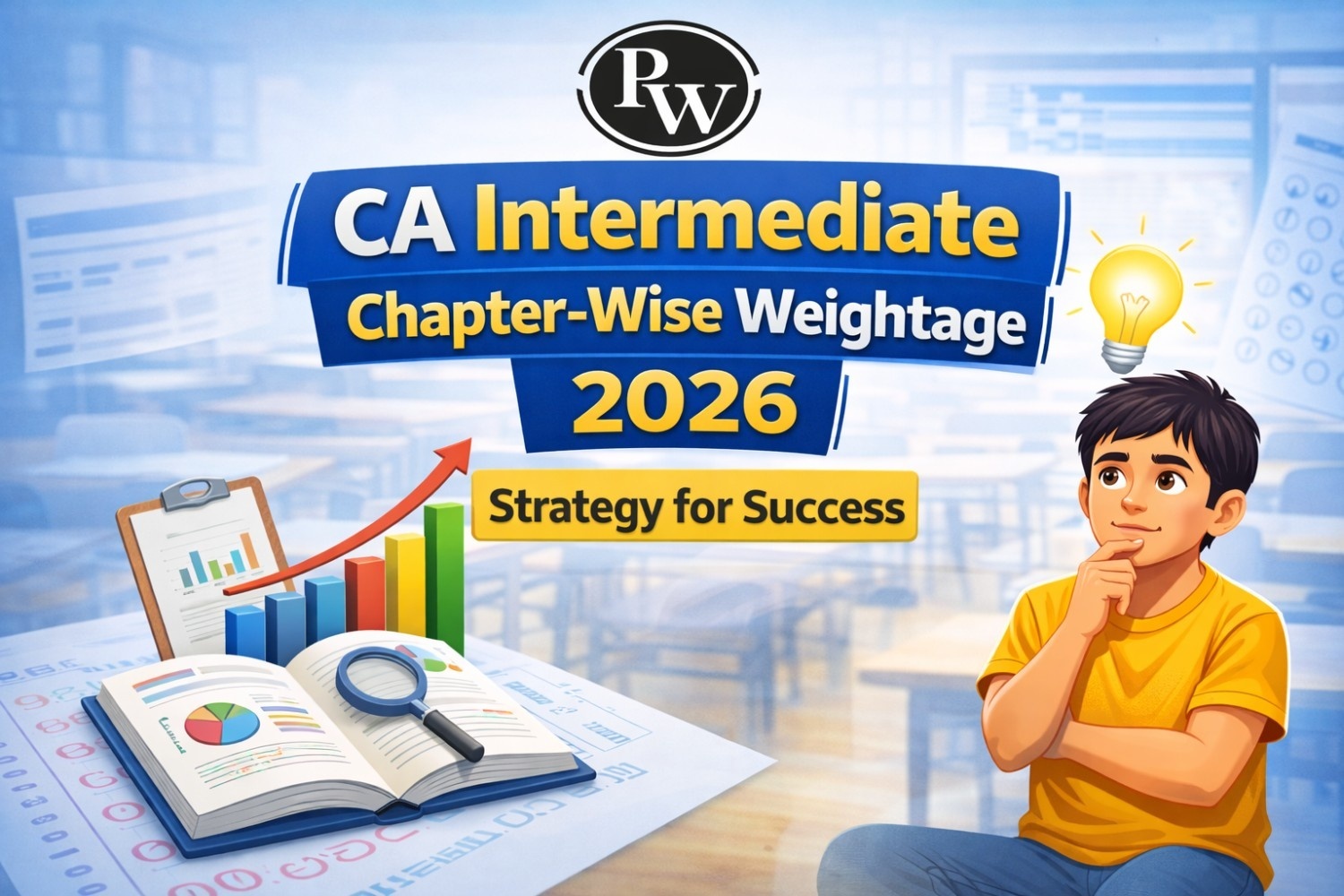
Tackling your preparation using the CA intermediate chapter wise weightage is a game-changer. By matching your study hours to the expected official ICAI weightage, you can stop stressing over low-yield topics and start mastering the chapters that actually move the needle on your scorecard. This guide provides a detailed look at the CA intermediate chapter wise weightage 2026 to help you build a winning strategy.
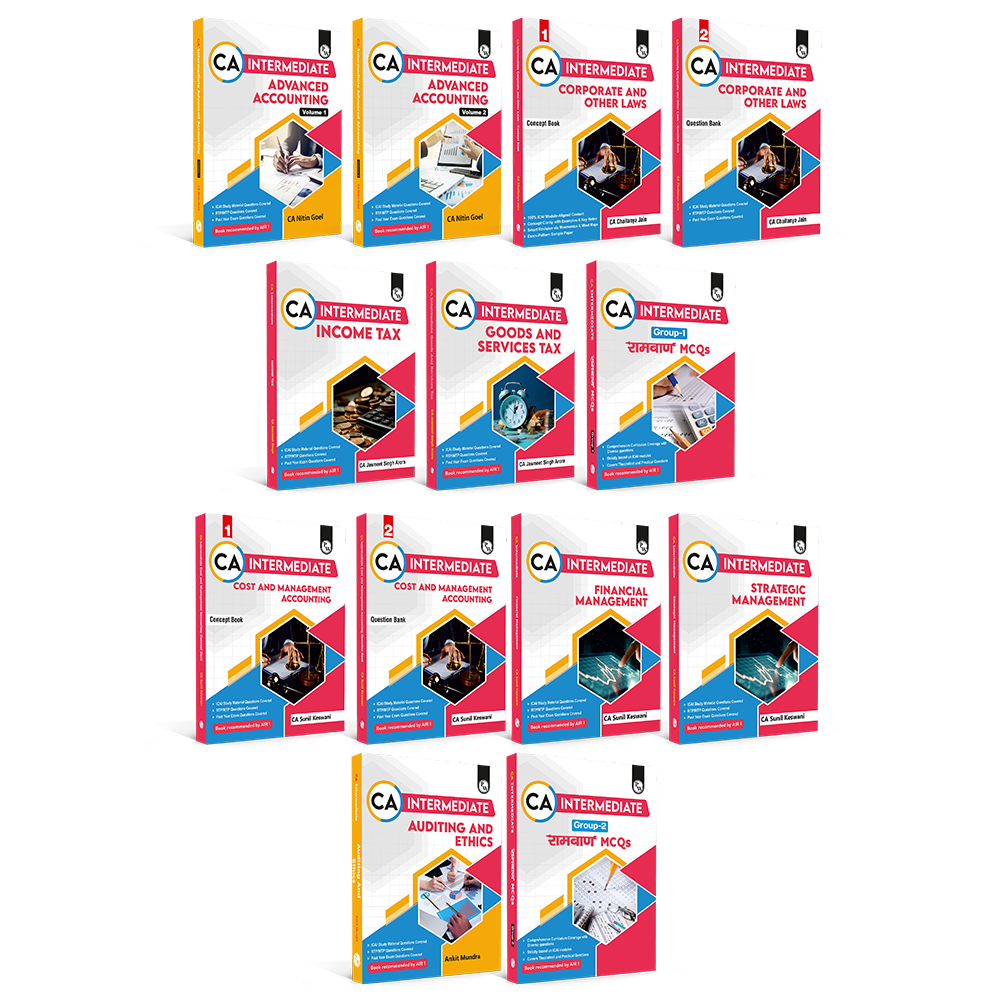
Check Out: PW CA Books
CA Intermediate Chapter-Wise Weightage 2026: Group 1
Group 1 includes three core papers. Usually every paper follows a 70:30 split, 70 marks for descriptive writing and 30 marks for objective MCQs.
Paper 1: Advanced Accounting (100 Marks)
This is a high-octane practical paper. You cannot just read it; you have to solve it. Here is what it usually has:
-
Accounting Standards (AS): This is the heart of the paper, carrying a massive 20%–25% weightage. AS 1, 2, 3, 10, 11, and 26 are your non-negotiables.
-
Consolidated Financial Statements: A high-priority area often carrying 15%–20%.
-
Amalgamation & Partnership: These heavyweights combine for roughly 20%–30% of the marks.
-
Company Accounts: Topics like Buyback and NBFCs usually fill in the remaining 10%–15%.
Paper 2: Corporate and Other Laws (100 Marks)
In the CA inter chapter wise weightage 2026, Law is split into Company Law (70 Marks) and Other Laws (30 Marks).
-
Company Law Highlights: * Management & Administration: 25%–30%.
-
Accounts and Audit of Companies: 30% to 35%.
-
Incorporation & Prospectus: 20% to 30%.
-
Other Laws: While only 30 marks, chapters like the FEMA Act and Interpretation of Statutes are extremely scoring if you understand the logic.
Paper 3: Taxation (100 Marks)
Taxation is a game of two halves: Income Tax and GST.
-
Income Tax (50 Marks): Focus heavily on the "Heads of Income" (PGBP, Salary, and Capital Gains), which take up 25%–30%.
-
GST (50 Marks): The real "do-or-die" section is Levy, Supply, and ITC, which can account for 50%–80% of the GST marks. If you master this, you've basically cleared the section.
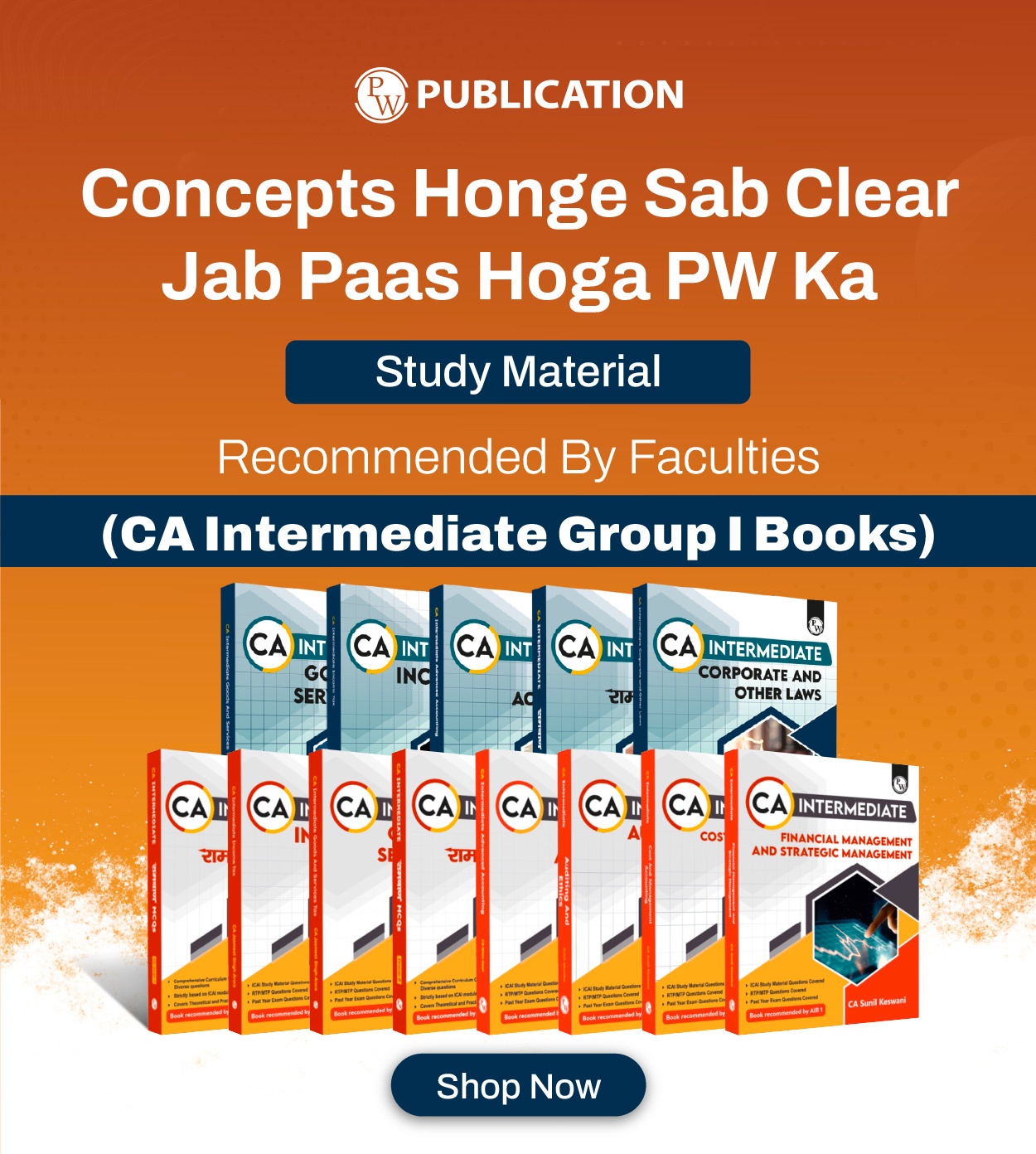
Check Out: CA Intermediate Group I
CA Inter Chapter-Wise Weightage 2026: Group 2
Group 2 requires a balance between technical calculation and deep conceptual auditing.
Paper 4: Cost and Management Accounting (100 Marks)
To stay ahead in the CA inter chapter wise weightage may 2026 attempt, keep these in your sights:
-
Material & Labour: These basics carry a significant 35%–40%.
-
Methods of Costing: Process and Job costing can account for 20%–50% depending on the paper's focus.
-
Standard & Marginal Costing: These are your decision-making tools, usually carrying 25%–30%.
Paper 5: Auditing and Ethics (100 Marks)
-
Company Audit: This remains the most vital section at 18%–22%.
-
Audit Evidence: Documentation and evidence carry about 12%–18%.
-
Ethics: Now integrated more deeply, Ethics and professional code carry roughly 8%–10%.
Paper 6: FM & SM (100 Marks)
-
Financial Management (60 Marks): Prioritise Capital Budgeting and Cost of Capital (20%–30%).
-
Strategic Management (40 Marks): Competitive Strategy models and Implementation take up about 15%–25%.
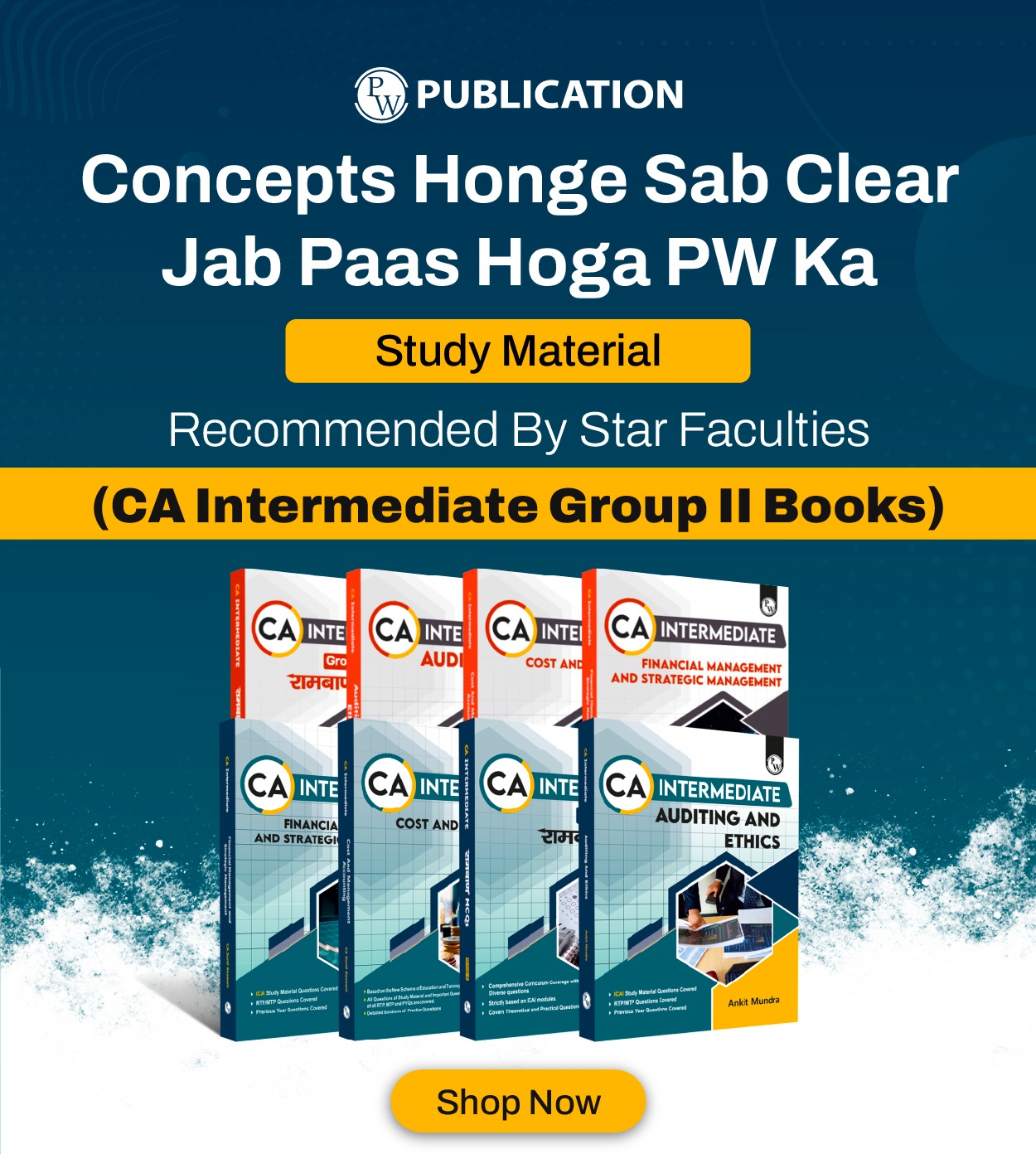
Check Out: CA Intermediate Group II
Preparation Tips Based on Weightage Patterns
Using the ca inter chapter wise weightage is about studying smarter, not just longer. Here is why it works:
-
Efficient Revision: You hit your "Category A" chapters (those with 25%+ weightage) while your brain is still fresh.
-
Better Time Management: You won't spend three days on a chapter that only yields a 4-mark question.
-
Confidence at the Start: Since 30% of the paper is MCQ-based, knowing the high-weightage areas helps you pick up "easy" marks early in the exam.
-
Safety Net: Use the ca inter chapter wise weightage 2026 to secure an exemption (60+) in practical papers to balance out the tougher theory ones.
Benefits of Using Chapter-wise Weightage Effectively
-
Alignment with ICAI: You stay in sync with the actual 2026 New Scheme trends.
-
Less Burnout: By narrowing your focus, you reduce the mental load of the "entire syllabus."
-
Higher Retention: You naturally revise the most important topics more often.
Read More: CA Inter Taxation ICAI Study Material
CA Intermediate Chapter-Wise Weightage FAQ
Q1. Does ICAI follow these percentages exactly?
ICAI provides weightage as a range. While they stay close to these brackets, always expect a +/- 5% variation. They like to keep students on their toes!
Q2. How important are the MCQs in 2026?
They are huge. With 30 marks and no negative marking, they are your best chance to boost your aggregate.
Q3. Which chapters are the "Kings" of Taxation?
In GST, it is definitely ITC and Supply. In Income Tax, you cannot skip Heads of Income and Total Income Computation.
Q4. Is the weightage the same for the September 2026 attempt?
Yes, the CA intermediate chapter wise weightage 2026 applies to both May and September attempts unless a major revision is announced.
Q5. Can I just skip the low-weightage chapters?
I wouldn't recommend it. Instead, give them a "speed read." Use the CA inter chapter wise weightage to decide where to spend hours and where to spend minutes.