CUET Last Minute Preparation Tips for 2026 Exam Success

The Common University Entrance Test (CUET) is a huge tool for students to get into top central universities. As the day of the test gets closer, the stress often builds, and many students feel overwhelmed by the huge amount of material they have to study. You can find yourself staring at your notes, wondering if you've done enough or if your study plan is really working. The last few days before the test are not about learning new, complicated theories; they are about refining your strategy. This article gives you useful CUET last minute preparation tips that will help you get through the last few days with confidence.
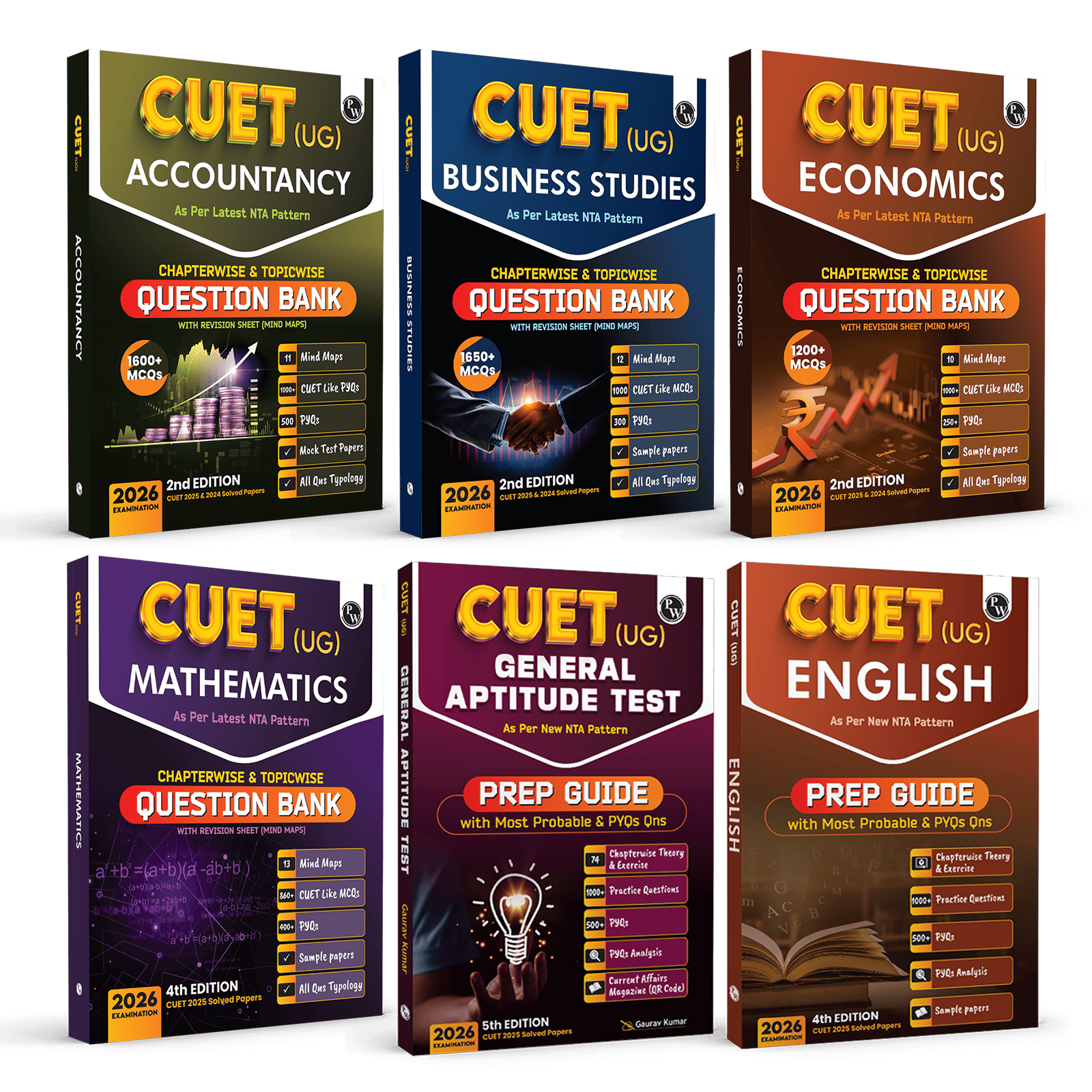
Check out: CUET Books
CUET Exam Pattern
You need to know exactly what you're up against before you get into the precise tips. The CUET is meant to see how well you know languages, certain subjects, and how smart you are in general.
-
Section IA and IB: Tests that focus on reading comprehension and vocabulary through language.
-
Part II: Subjects that are specialised to a certain field (based on the Class 12 NCERT syllabus).
-
Section III: General Test involving General Knowledge, Current Affairs, and Numerical Ability.
Recognising the weightage of each section allows you to allocate your remaining hours effectively. If you feel weak in the General Test, your CUET preparation tips should prioritize quick-fire arithmetic and current affairs updates.
CUET Last Minute Preparation Tips for 2026
Success in the final days is less about "studying more" and more about "studying right." Here is how to streamline your focus:
1. Prioritise Revision Over New Topics
One of the most vital CUET last minute preparation tips is to avoid starting any new chapters. Introducing fresh concepts now can lead to confusion and erode the confidence you have built in topics you already know. Instead, stick to your handwritten notes and summary sheets.
Smart Revision Techniques for CUET
Revision is not just about re-reading notes—it is about active recall and quick retention. Here are some effective methods:
-
Flashcards: Write formulas, definitions, or key facts on small cards for quick revision anytime.
-
Mind Maps: Convert chapters into visual diagrams to connect concepts easily.
-
One-Page Notes: Summarise each chapter into a single page for fast revision before the exam.
-
Active Recall: Close your book and try to recall what you studied instead of passively reading.
Using these techniques ensures your preparation tips focus on retention, not just reading.
2. Solve CUET PYQs and Mock Tests
Practicing with a PYQ is the closest experience you will get to the actual exam. It helps you understand the language of the questions and the recurring themes.
-
Analyse which sections take the most time.
-
Identify "trap" questions that look easy but are time-consuming.
-
Use a CUET question bank to practise specific formats like match-the-following or assertion-reasoning questions.
Daily Mock Test Strategy for CUET
To maximise your performance, follow a structured mock routine:
-
Take 1 full-length mock test daily in exam-like conditions.
-
Spend 1–2 hours analysing your performance after each test.
-
Track accuracy, speed, and weak areas.
-
Focus more on correcting mistakes than attempting new questions.
This method helps you improve your study plan and become used to taking tests.
3. Learn Time Management
The CUET is a test of both speed and knowledge. During your final practice sessions, set a timer. Aim to finish your mock tests 10 minutes early to account for technical checks or re-reading difficult prompts during the actual session.
4. Focus on NCERT Fundamentals
For domain subjects, the NCERT textbooks remain your best friend. Most questions are direct applications of NCERT concepts. Quickly skim through the "Points to Ponder" and "Summary" sections at the end of each chapter in your books for CUET preparation.
Check out - CUET Question Bank
CUET Last Minute Preparation Tips Using Error Log Strategy
Keeping a diary of your mistakes is one of the right last minute CUET preparation ideas.
After each practice test:
-
Make a list of the questions you got wrong.
-
Find out why (a conceptual problem, a foolish blunder, or a lack of time)
-
Take note of the right way
-
Fix these faults every day.
This makes sure you don't make the same mistakes over and again and that your score keeps going up.
Last 7 Days Study Plan for CUET Preparation
A structured plan prevents panic. Here is a suggested breakdown for your final week:
Days 1 to 3: Intensive Review
Spend these days revisiting the core concepts of your domain subjects. Use your primary CUET preparation book to look at diagrams, flowcharts, and tables. Ensure your Section III basics—like percentages, ratios, and basic logical reasoning—are sharp.
Days 4 to 5: Full-Length Mocks
Simulate the exam environment. Sit in a quiet room, avoid distractions, and take two full-length mock tests. This builds the physical and mental stamina required to sit through the multi-hour exam process.
Day 6: The "Mistake" Audit
Instead of solving new papers, go back to the mocks you got wrong. Understanding why you made a mistake—whether it was a silly error or a conceptual gap—is more valuable than solving a hundred new questions. This is a core part of an effective CUET preparation strategy.
Day 7: Relaxation and Logistics
Keep the books away by late afternoon on the last day. Check your admit card to make sure you know where the exam centre is and that you have the right ID and stationery ready. A brain that has had enough sleep works far better than one that is tired.
CUET Last Minute Preparation Tips with Section Wise Strategy
Language Section
-
Don't read the whole passage first. Skim the questions, then look for keywords in the text.
-
These are quick marks, so focus on synonyms and antonyms from the question bank.
Domain Subjects
-
Concentrate on definitions and units.
-
Use mnemonics to help you recall important dates and names in courses like history or political science.
General Test
-
Stay updated with the last six months of current affairs.
-
Memorise squares up to 30 and cubes up to 20 to speed up calculations.
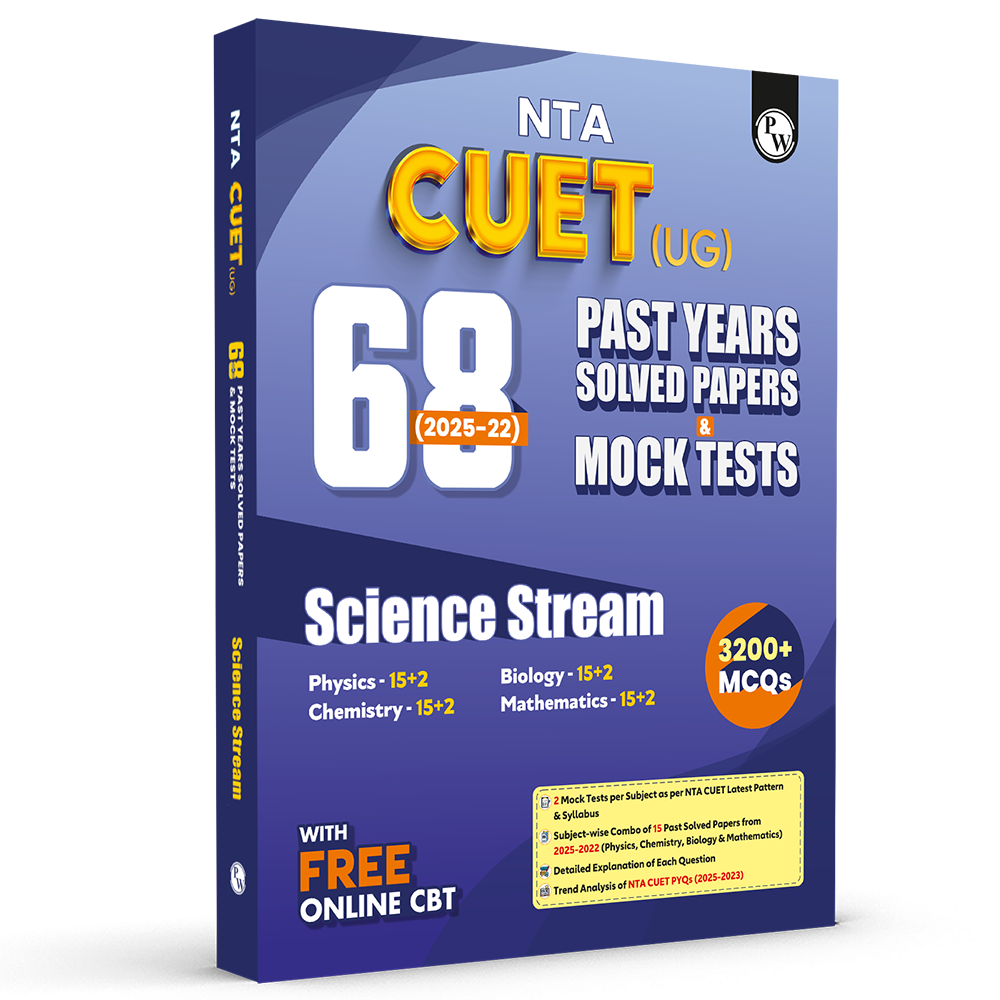
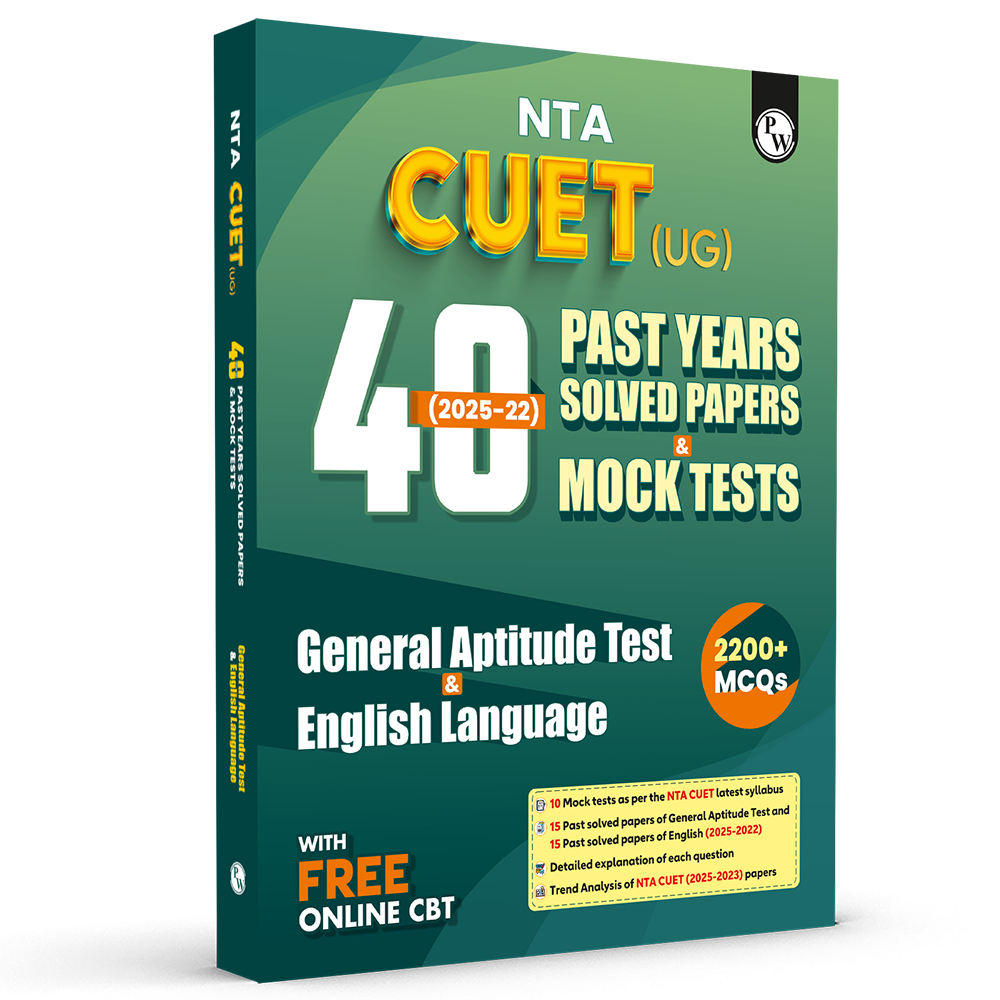
Check out - CUET Mock Test + PYQs
Common Mistakes to Avoid During CUET Preparation
It's just as crucial to avoid the wrong strategies as it is to follow the good ones:
-
Bringing up fresh topics at the last minute
-
Going back and forth between too many books or other materials
-
Not paying attention to mock test analysis
-
Studying for long periods of time without taking breaks
-
Looking at how well you prepared compared to others
The most important thing about good preparation advice is to stay focused and consistent.
Read More: CUET Subject Wise Question Bank with Downloaded PDFs
CUET Last Minute Preparation Tips FAQs
Is one week enough for CUET preparation?
While a week isn't enough to start from scratch, it is plenty of time to apply CUET last minute preparation tips to refine what you already know and improve your score through mock tests.
Which is the best CUET preparation book for the final days?
The best books for CUET preparation at this stage are those that offer concise summaries and a robust question bank for rapid-fire practice.
How useful are CUET PYQs?
Solving a PYQ is essential. It familiarises you with the difficulty level and the specific way NTA phrases questions, which helps in better time management.
Should I focus more on the General Test or Domain Subjects?
Your CUET preparation strategy should be balanced. However, since domain subjects are based on your school syllabus, they often offer a higher ROI (Return on Investment) for your time.
How many mock tests should I solve daily?
In the final days, one or two full-length mocks are sufficient. The goal of these preparation tips is to build accuracy without causing burnout.