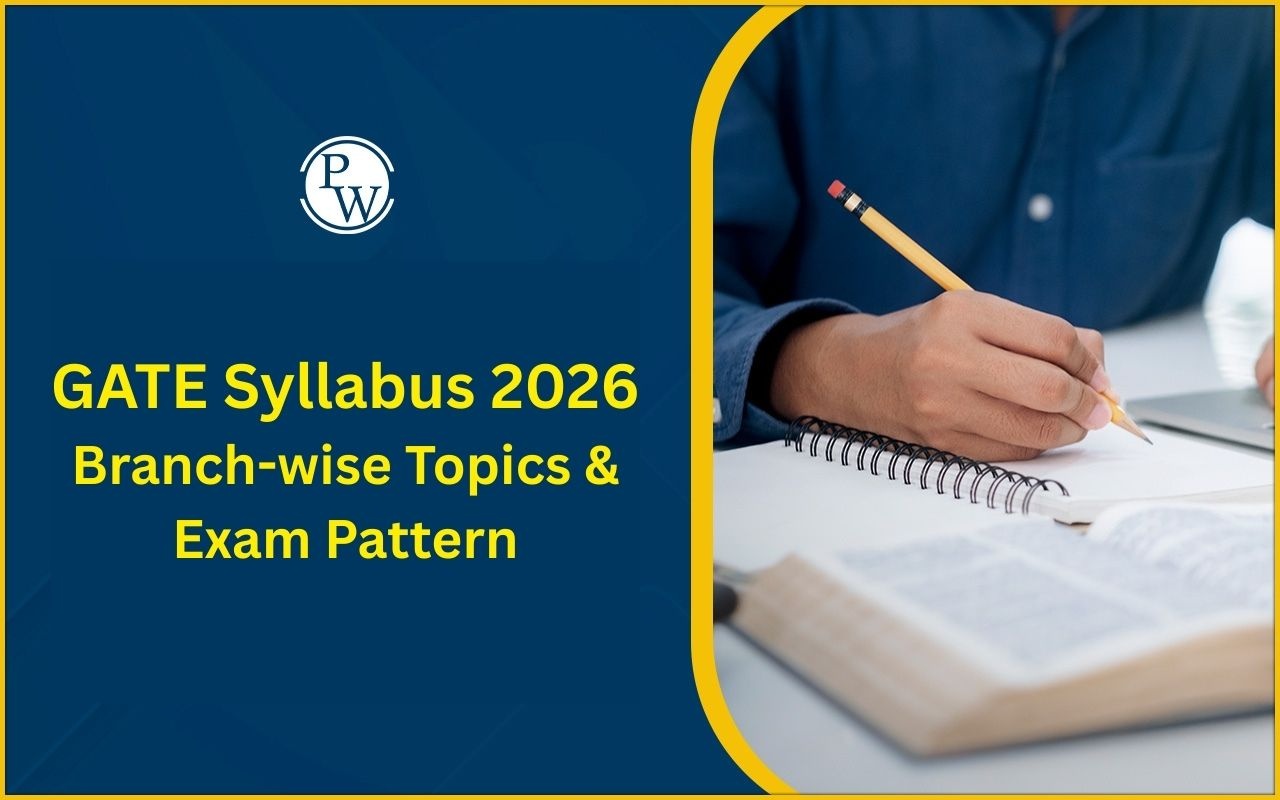
GATE Syllabus 2026 - Branch-wise Topics & Exam Pattern
Cracking the Graduate Aptitude Test in Engineering (GATE) is less about studying everything and more about mastering the right topics. First and foremost, prospective candidates who are looking into the GATE syllabus for 2027 should be aware that the examination is designed to measure core comprehension rather than memorisation through rote action. Whether you are aiming for a PSU job or an M.Tech at an IIT, your preparation depends on how well you navigate the specific weightage of each section.
The GATE syllabus is meant to cover a lot of ground but still be easy to guess. The General Aptitude and Engineering Mathematics sections continue to be the "score boosters" in practically every stream, despite the fact that the core technical subjects differ. To assist you in simplifying your study schedule, this guide provides a detailed breakdown of the GATE syllabus for CS, mechanical, civil, and other major branches to help you streamline your study plan.
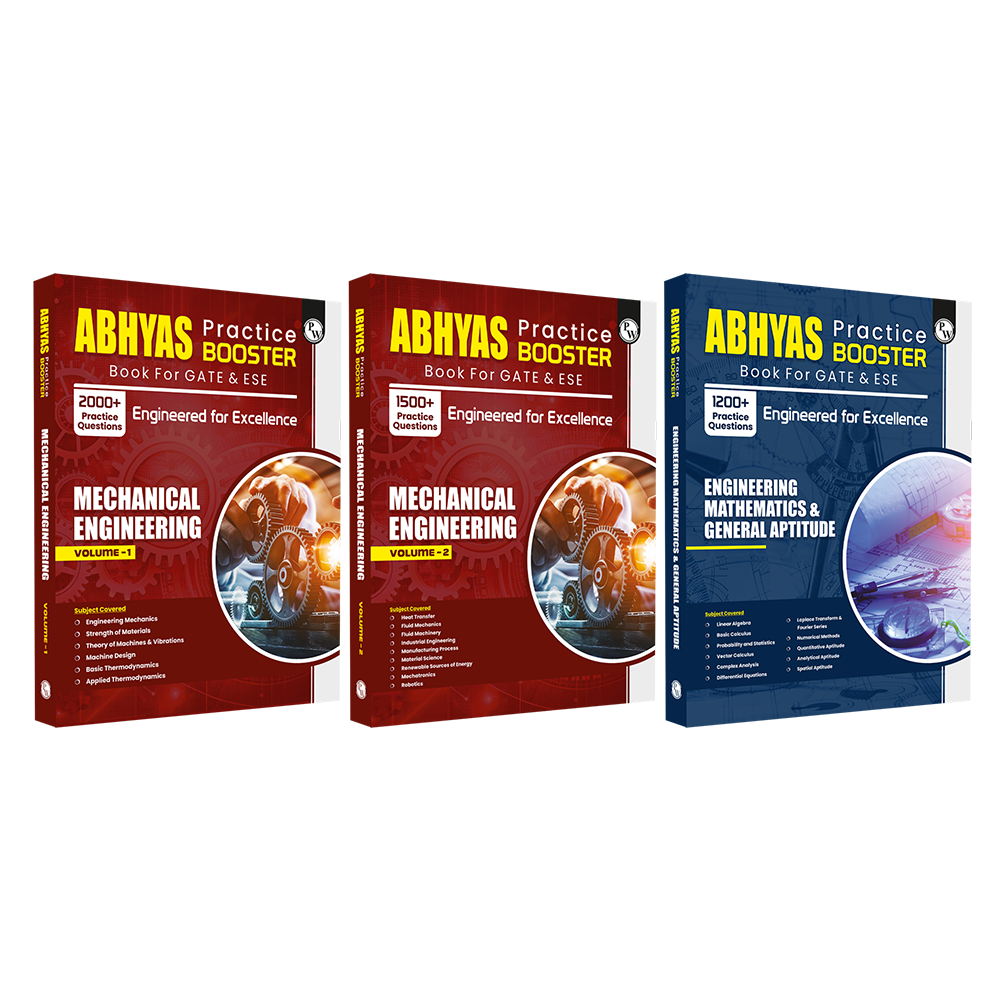
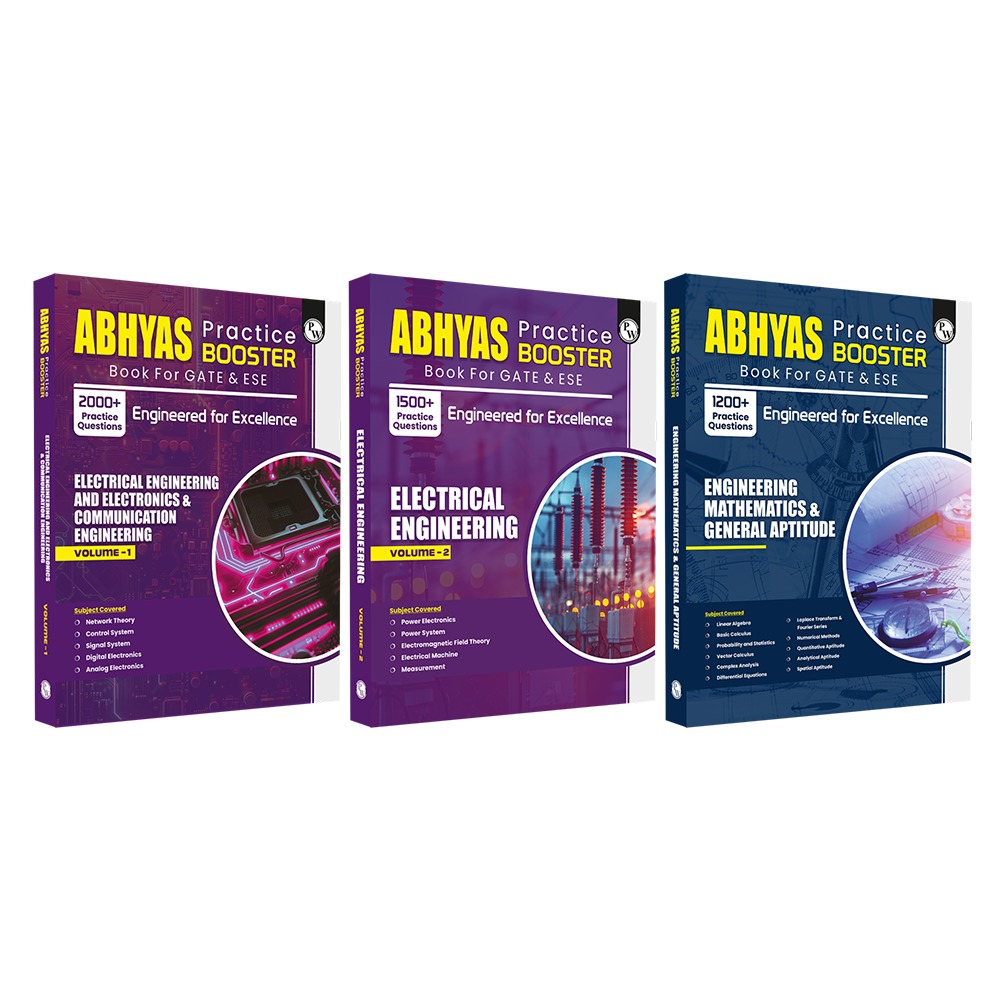
Check Out: GATE Books
What is The GATE Exam Pattern?
Before getting into the details of the branch, it's important to have a good grasp of the paper's overall framework. The article is divided into the following sections, no matter what stream you are following:
-
General Aptitude (15 Marks): This is a standard question for all of the papers. The test evaluates both verbal and numerical skills.
-
Engineering Mathematics (13 Marks): This is needed for most engineering papers, but not for AR, CY, EY, GG, MA, PH, ST, or XH.
-
Core Subject (72 Marks): This is about the technical skills you need for the branch you choose.
Branch-Wise GATE Syllabus 2027
1. Syllabus for CS (Computer Science & IT)
The curriculum for computer science has a significant emphasis on logic and discrete structures. Among the most important subjects are:
-
Digital Logic: Boolean algebra, circuits that work together, and circuits that work one after the other.
-
Computer organisation: It includes the CPU control unit, machine instructions, addressing modes, and the ALU.
-
Programming and Data Structures: Writing code in C, using stacks, queues, linked lists, trees, and binary search trees.
-
Algorithms: it includes searching, sorting, hashing, and graph searching.
-
Operating systems: They deal with managing processes, avoiding deadlocks, and managing memory.
-
Databases: the ER model, the relational model, and SQL.
2. Syllabus for Mechanical Engineering (ME)
The syllabus for mechanical engineering is divided into four main sections:
-
Applied Mechanics and Design: This includes engineering mechanics, material mechanics, and vibrations.
-
Fluid Mechanics and Thermal Sciences: It includes applications, heat transmission, and thermodynamics.
-
Materials, Manufacturing, and Industrial Engineering: it includes casting, forming, joining, and production planning.
3. Syllabus for Civil Engineering (CE)
The syllabus for civil engineering is one of the most vast. It includes the following:
-
Structural Engineering: it includes solid mechanics, structural analysis, and constructions made of concrete and steel.
-
Geotechnical Engineering: it includes the study of soil physics and how to build foundations.
-
Water Resources Engineering: it includes hydrology, hydraulics, and fluid mechanics.
-
Environmental Engineering: Water and wastewater quality and treatment.
4. Syllabus for Electrical (EE) & Electronics (EC)
-
Syllabus for Electrical Engineering: covers electric circuits, electromagnetic fields, signals and systems, electrical machines, power systems, and control systems.
-
Syllabus for Electronics and Communication: it focuses a lot on electronic devices, analogue circuits, control systems, communications, and electromagnetics.
Check Out: GATE & ESE Books
Common Sections for All Streams in the GATE Syllabus
General Aptitude (GA)
There is no change to the general aptitude components of the GATE syllabus. It includes the following:
-
Verbal ability: understanding what you read, knowing words, and knowing basic English grammar.
-
Quantitative Aptitude: being able to understand data, permutations and combinations, and series.
-
Analytical Aptitude: reasoning, induction, and deduction.
-
Spatial Aptitude: Changing shapes and folding paper.
Engineering Mathematics
Engineering mathematics syllabus generally covers:
-
Linear Algebra: Working with systems of linear equations and matrices.
-
Calculus: functions with one variable, limits, continuity, and differentiability.
-
Differential Equations: First-order equations and higher linear differential equations.
-
Probability and Statistics: Mean, median, mode, and standard deviation.
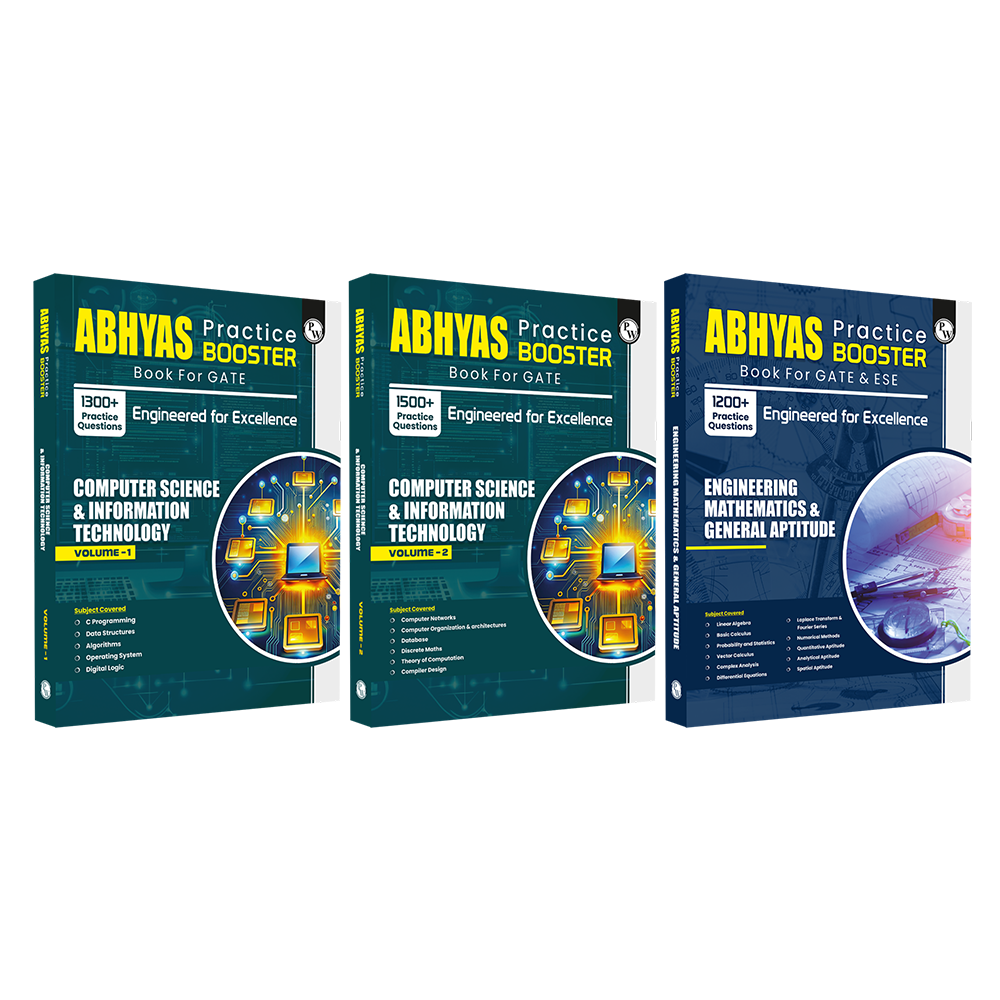
Check Out: GATE Computer Science & IT and Engineering Mathematics & General Aptitude Combo Set of 2 Books
Marks Distribution of GATE Exam 2027
For the purpose of evaluating a candidate's technical proficiency, mathematical rigour, and general aptitude, the Graduate Aptitude Test in Engineering (GATE) utilises a marking scheme that is both accurate and structured. A core focus on subject questions (72%), supported by engineering mathematics (13%), with the exception of certain life science or humanities papers, and a mandatory general aptitude section (15%) are the components that make up the overall weightage. Although the specific subject matter varies across the diverse range of papers, the overall weightage remains consistent. For the purpose of strategic preparation, it is essential to have a solid understanding of this distribution, as it shows the requirement of striking a balance between substantial technical skill and the consistent score potential of the basic parts.
|
Section |
Total Marks |
Question Types |
|
General Aptitude |
15 Marks |
MCQs |
|
Engineering Maths |
13 Marks |
MCQs, MSQs, NATs |
|
Core Subject |
72 Marks |
MCQs, MSQs, NATs |
|
Total |
100 Marks |
65 Questions |
Read More: GATE Previous Year Question Paper with Solution, Download PDF
GATE Syllabus FAQs
1. Is engineering mathematics compulsory for all GATE papers?
However, many papers, such as Life Sciences (XL) or Physics (PH), do not include a distinct 13-mark mathematics part, although it is required for key engineering branches (ME, CE, CS, EE, etc.).
2. What are MSQs in the GATE exam?
MSQs, which stand for multiple-choice questions, were just implemented. Each of these questions has the potential to have one or more valid answers. You receive marks for multiple-choice questions (MSQs) only if you choose all correct answers and no incorrect ones.
3. Is the GATE syllabus different each year?
When the conductor of IIT (for example, IIT Roorkee or IIT Kanpur) produces the official brochure for that year, there are occasionally slight additions or deletions made to the core themes. When this happens, however, the core topics rarely evolve dramatically.
4. What do I need to do to get ready for the General Aptitude section?
Make sure you don't disregard it! In light of the fact that the general aptitude element of the GATE syllabus accounts for fifteen percent of your total score, practising fundamental maths and logical thinking skills from the tenth grade can greatly improve your ranking.
5. Is it possible for me to take two GATE papers?
Yes, applicants can take up to two exams from a list of combinations that the GATE committee has already approved.