10 Creative Science Projects for Kids for This Winter Vacation
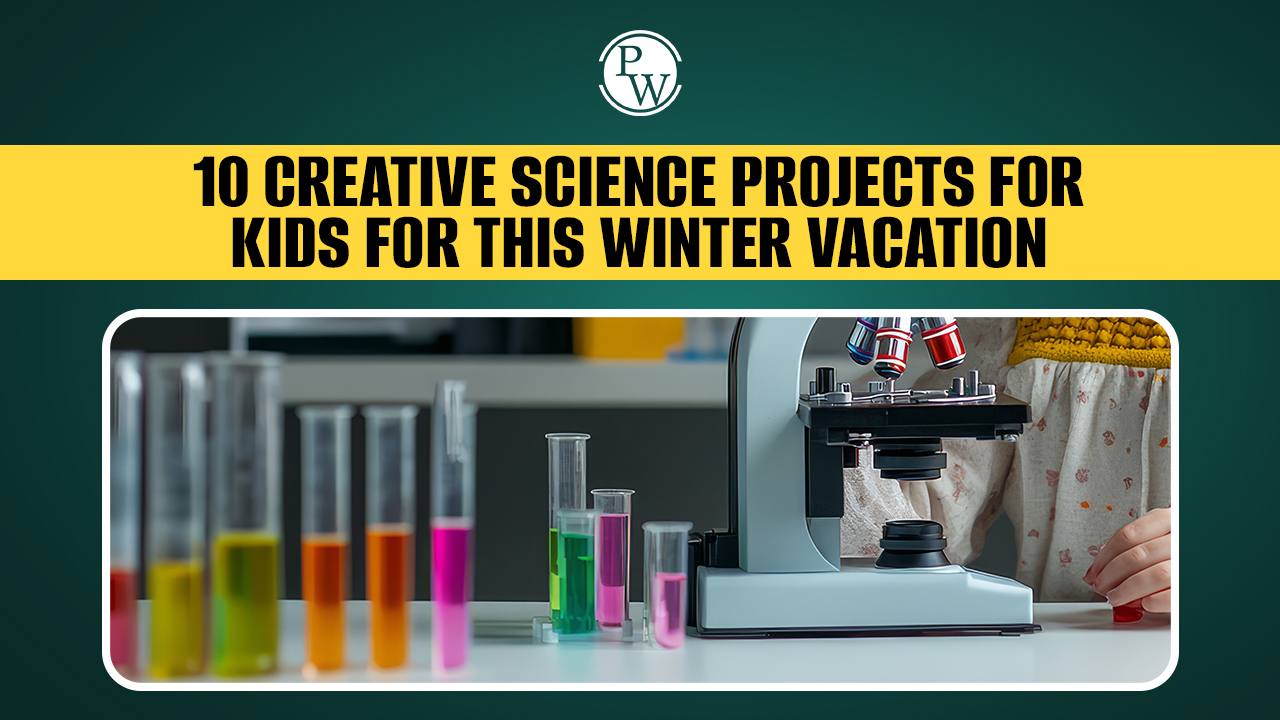
10 Creative Science Projects for Kids for This Winter Vacation:- Science projects are a fun way for kids to learn and discover new things by doing hands-on activities. These projects help kids think creatively, solve problems, and understand how things work in the world around them. However, winter is the perfect time to try out some fun and creative science projects with kids.
The cold weather and snowy days offer a great chance to explore how things change in winter. If you're looking for winter season project ideas, there are plenty of easy experiments that will keep kids busy and learning. Whether you're inside with a freezer or outside playing in the snow, these projects are a great way to make the most of the winter season and have fun while learning. Go through the 10 Creative Science Projects for Kids for This Winter Vacation in the below article.
Check out: PW Activity Kits
10 Creative Science Projects for Kids for This Winter Vacation
-
Make a Homemade Thermometer
Ingredients: Clear plastic bottle, straw, food colouring, water, clay
Experiment: Fill a plastic bottle with water and add a few drops of food colouring. Insert a straw into the bottle and seal the opening with clay. Place the thermometer in different temperature environments (warm and cold) and observe how the water level in the straw changes with the temperature.
-
Discover the Beauty of Frozen Bubbles
Ingredients: Bubble solution, bubble wand, cold outdoor environment (below freezing)
Experiment: On a cold winter day (below freezing), blow bubbles outside and watch them freeze mid-air. The cold temperatures will cause the bubbles to freeze and form unique, icy patterns. If it's not freezing where you live, try using dry ice to create a similar effect. -
Make a Custom Night Light
Ingredients: Small light bulb, battery, electrical tape, copper wire
Experiment: Set up a simple circuit using a small light bulb, battery, and copper wire. Let kids design their own night light by arranging the components on a piece of cardboard, then use electrical tape to keep everything in place. -
Ice Cube "Magic" Trick
Ingredients: Ice cubes, salt, yarn
Experiment: Place ice cubes in a bowl and sprinkle some salt on top. Then, place a piece of yarn on the ice and watch as it "magically" lifts the ice cubes when the salt lowers the freezing point and creates a bond between the ice and yarn. -
Waterproof a Boot
Ingredients: Various materials like wax paper, plastic wrap, rubber bands, tape, boots (printable template or real boot)
Experiment: Give kids several materials (wax paper, plastic wrap, etc.) and ask them to test which one works best to keep a boot dry. Cover the boot with different materials and test them by pouring water on them to see which material provides the best waterproofing. -
Learn About Condensation and Frost
Ingredients: Metal cans, ice cubes, salt
Experiment: Place ice cubes in metal cans and sprinkle salt on the outside. Watch as condensation forms and the frost appears on the cans. This helps kids understand how cold temperatures cause moisture in the air to freeze on cold surfaces. -
Create a Snowstorm in a Jar
Ingredients: Jar, water, baby oil, glitter, food colouring, Alka-Seltzer tablets
Experiment: Fill a jar with baby oil and water (about 3:1 ratio). Add glitter and a few drops of food colouring. Drop an Alka-Seltzer tablet into the jar and watch a "snowstorm" form as the gas bubbles move the glitter around. -
DIY Snow in a Bag
Ingredients: Baking soda, shaving cream
Experiment: Mix baking soda and shaving cream to create a snow-like texture. This fluffy mixture will feel like real snow, and kids can squish, mould, and play with it just like they would with snow.
-
The Floating Ice Experiment
Ingredients: Two containers, water, salt
Experiment: Fill two containers with water and freeze them. Once frozen, place one block of ice in plain water and the other in water with salt. Watch how the ice melts faster in the saltwater due to the lower freezing point caused by the salt. -
Make a Snow Volcano
Ingredients: Baking soda, vinegar, dish soap, food colouring, snow
Experiment: Build a mound of snow in a large bowl or tray. Create a small hole at the top and place baking soda inside. Add dish soap and food colouring for extra fun, then pour vinegar into the hole and watch as the snow volcano erupts in colourful bubbles.
Check out: Experiment Kits
Precautions to be Taken
When doing winter season activities, it's very important to take certain precautions to ensure safety and a smooth experience. Check out the precautions tips to be taken while doing these experiments below:-
-
Use Safe Materials: Make sure the materials used (like glue, food colouring, or bubble solution) are safe and non-toxic, especially for younger children.
-
Supervise the Kids: Always keep an eye on kids while doing experiments, especially when using materials like salt or electrical parts.
-
Wear Safety Gear: Have kids wear safety goggles and gloves to protect their eyes and hands from things like salt, ice, or hot items.
-
Pick a Safe Outdoor Spot: If you're doing experiments outside, make sure the area is free of obstacles and not too slippery.
-
Be Careful with Cold Things: Don’t let kids touch very cold materials like ice or snow for too long to avoid hurting their skin.
-
Have Proper Electrical Safety: When using batteries or circuits, make sure all connections are secure to avoid any accidents.
-
Dispose of Materials Properly: After the experiment, throw away any materials like salt or vinegar the right way.
-
Avoid Breathing in Dust or Fumes: When using materials that make dust or fumes (like baking soda), do the experiment in a well-ventilated space to avoid breathing in harmful particles.
-
Be Careful with Hot Items: If using things like light bulbs, make sure they are cool before touching them to avoid burns.
-
Clean Up After: Always clean up the materials and wash your hands to remove any leftover substances like food colouring or salt.
Check out: STEM Kits
Benefits of Winter Season Project
-
Fun and Engaging: Winter science projects, like making frozen bubbles or watching ice melt, are fun and exciting. They make learning science more enjoyable and keep kids interested.
-
Improves Observation Skills: These experiments help students pay attention to details. For example, when watching how ice changes with salt, they learn to notice small changes and understand the science behind them.
-
Encourages Creativity: Many easy science project ideas let students try different things and be creative. For instance, making a homemade thermometer or designing a custom night light allows them to think outside the box.
-
Builds Confidence: When students successfully complete easy science projects, they feel proud of their work. This boost in confidence encourages them to keep trying more science experiments.
-
Promotes Teamwork: Many student science projects can be done in pairs or groups, helping students learn how to work together. Projects like testing which materials can waterproof a boot will teach a kid how to work when in a group.
Read More: 10 Science Project Ideas for School Students
Science Projects for Kids FAQs
-
What is a winter science experiment?
A winter science experiment is an activity where kids learn about science using things related to winter, like ice, snow, and cold temperatures.
-
Can I do these experiments at home?
Yes, many winter science experiments can be done at home using materials you probably already have, like ice, salt, and food colouring.
-
Do I need snow to do these experiments?
No, you don’t need snow! You can use ice cubes from your freezer instead.
-
What are some easy winter science experiments?
Some simple experiments include making frozen bubbles, creating a homemade thermometer, or learning about how salt melts ice.
-
Are winter science experiments safe for kids?
Yes, but it’s important to supervise kids and make sure they follow safety instructions, like wearing gloves or goggles when needed.