Benefits of Using Drawing Books for Children
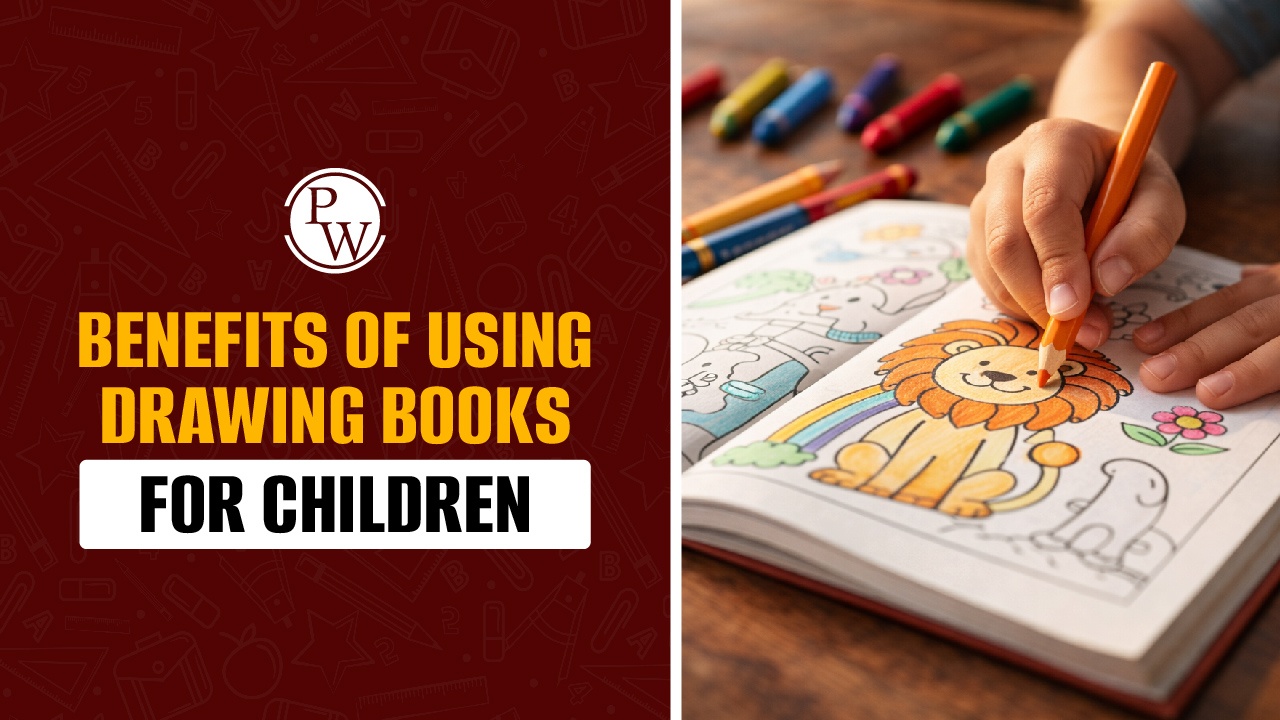
Drawing books for children are important tools that help their brains expand, their mental health, and their fine motor abilities. These books keep kids interested without devices and help them feel more sure of themselves and concentrate. Many parents look for the proper sketchbooks to help their kids be more creative.
A good drawing book overcomes the dilemma above by offering you the proper amount of skill and inspiration. These Kids books enable kids to use their imaginations and their bodies to generate art. This article shows how drawing books are beneficial for children.
Why Are Drawing Books for Children Important for Development?
A drawing book is more than just a tool to make art; it's also a way to learn and grow as a person. Drawing by hand is a real-world experience that helps your brain function in different ways in a world where most people use digital gadgets.
Enhancing Fine Motor Skills and Hand-Eye Coordination
One of the best things about drawing books is that they help you get better at using your hands.
-
Pencil Control: Learning how to hold a pencil and follow particular lines helps the little muscles in the hands and wrists get stronger.
-
Precision: When kids use sketchbooks with step-by-step instructions, they learn to pay attention to minor things and make steady progress.
-
Spatial Awareness: Kids learn about size, distance, and proportion by seeing how shapes fit together on a page.
Improving Memory and Cognitive Skills
Drawing is a hard thing for your brain to do. When a child uses a drawing book, they are practicing visual mapping. They look at something, figure out what it is, and then make it again. This action strengthens the brain circuits that are connected to memory and observation.
A lot of teachers say that youngsters should use a PDF or a real workbook to assist them in learning how to break down complicated things into simple forms like squares and circles. This kind of critical thinking is the same skill set employed in maths and science.
How Do Drawing Books for Children Build Confidence?
Using structured guides, such as the "How to Draw Everything" series, provides a "scaffolding" effect for young artists. This structured approach offers several psychological advantages:
-
Reduced Frustration: Drawing guides give kids precise directions so they can get a result that they can recognise, which keeps them motivated.
-
Increased Confidence: When a child draws a complicated character from a drawing book, they feel like they can handle bigger problems.
-
Skill Transfer: The skills gained in a guide, such as shading or outlining, are quickly put to use in their own creative works.
Do Drawing Books Help Improve Focus and Patience?
Yes! Our world is characterised by instant satisfaction. Drawing books act as a natural "slow-down" tool. Unlike a tablet, a drawing book does not provide instant digital rewards. It requires the child to sit still, focus on the task at hand, and practice patience.
If a line goes wrong in their sketchbook for children, they learn to erase and try again, or better yet, turn that "mistake" into a new part of the drawing. This resilience is a vital life skill that transcends the art classroom and helps in academic settings.
Emotional Benefits of Drawing Books for Children
Art is a safe space for children to process the world. For a child who might struggle to put their feelings into words, a coloring Books provides a silent language.
-
A Healthy Outlet: Children often experience big emotions they cannot yet articulate. Drawing allows them to "vent" these feelings.
-
Stress Reduction: Much like adult colouring books, the repetitive motions of drawing in a sketchbook can lower stress levels and provide a sense of calm.
-
Ownership: Having a personal book dedicated to their art gives them a sense of pride and ownership over their creative journey.
How Do Drawing Books Help Children for Academics?
It may seem like "play," but the skills you gain from drawing books are really useful in the classroom.
Writing Readiness: The way you hold a pencil to draw is the same way you hold a pencil to write. Kids who draw a lot frequently find it easier to switch to cursive writing since their hand muscles are already strong.
Visual Literacy: In a world full of infographics and other visual data, being able to read and make visual material is an important ability. A drawing book helps students learn how to show concepts without just using words.
Concentration Levels: Teachers typically see that children who do creative things, like drawing, are better at "deep work". They are used to working on one project for 20 to 30 minutes at a time.
How to Select the Right Drawing Books for Children?
When looking for the right materials, consider the specific needs of your learner.
-
Step-by-Step Books: These are great for beginners who want a clear plan.
-
Themed Books: A themed sketching book will keep a child interested for longer, whether they like animals, space, or cars.
-
Digital Backups: A drawing book PDF can be a useful backup for busy parents because you can print out practice sheets wherever you are.
Read More: Coloring Books: A Complete Guide for Parents
Drawing Books for Children FAQs
At what age should kids start using drawing books?
Kids as young as 3 or 4 can start with easy drawing books that teach them about basic shapes. They are ready for more detailed sketchbooks by the time they are 7.
Can I find drawing books for children PDF for home practice?
Yes, many educators provide PDFs to allow kids to practice specific strokes. However, a physical book is better for tactile development.
How does a drawing book help with schoolwork?
A drawing book improves handwriting, builds focus, and encourages the analytical thinking required for geometry and science.
What should I look for in sketchbooks for children?
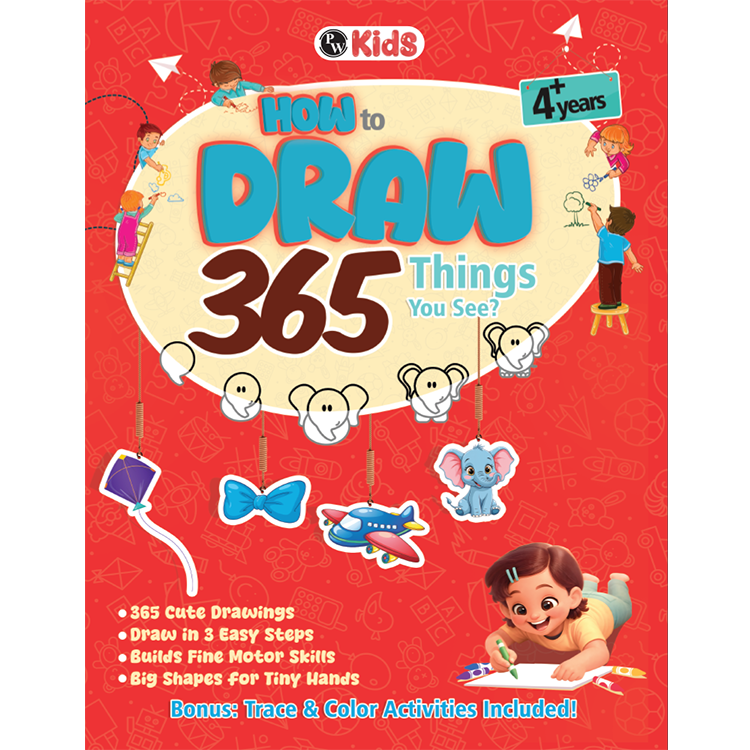
Find a good paper that doesn't bleed through and prompts that are appropriate for your child's level of interest, like the "365 days of drawing" style.
Is drawing better than digital art for young kids?
Both have their pros and cons, but using a physical drawing book for kids is better for early development because it increases grip strength and gives them a respite from screens.