How Brain Booster Activities Improve Academic Performance

Brain Booster Activities get neurones firing to help with memory, focus, and problem-solving. Students can improve their cognitive skills by doing targeted activities like puzzles and logic games. This will help them focus better in class and obtain much better grades.
Every parent and teacher wants to see their children excel in the classroom, but academic success isn't just about reading textbooks and memorising facts. It is about the "engine" behind the learning; the brain. Students need to train their minds to comprehend material more quickly, much like athletes train their muscles to do better on the pitch. This is where activities that improve brain power are quite important. The objective of Brain Booster activities is to make learning feel less like a chore and more like a fun by challenging the mind and improving "plasticity." These brain boosting activities for kids or brief daily tasks give you the mental edge you need to easily manage hard subjects like maths and science.
Check Out: Kids' Books
What are Brain Booster Activities?
Brain Booster Activities are activities that have been shown by science to work on different parts of the brain, like the hippocampus (which is in charge of memory) and the prefrontal cortex (which is in charge of making decisions). These aren't just "extra" tasks; they are essential cognitive workouts.
Key Types of Activities:
-
Logic Puzzles: Sudoku, crosswords, and riddles that improve deductive reasoning.
-
Memory Games: "I Spy" or matching cards that help you remember things for a short time and a long time.
-
Physical-Mental Coordination: Things like stacking cups or juggling that make the brain and body work together.
-
Creative Challenges: Drawing or building with blocks to encourage "out-of-the-box" thinking.
How Brain Booster Activities Benefit Students
For a student, the classroom can be a place of high pressure. Engaging in brain booster activities for students helps lower this stress by making the brain more resilient and adaptable.
1. Improved Focus and Attention Span
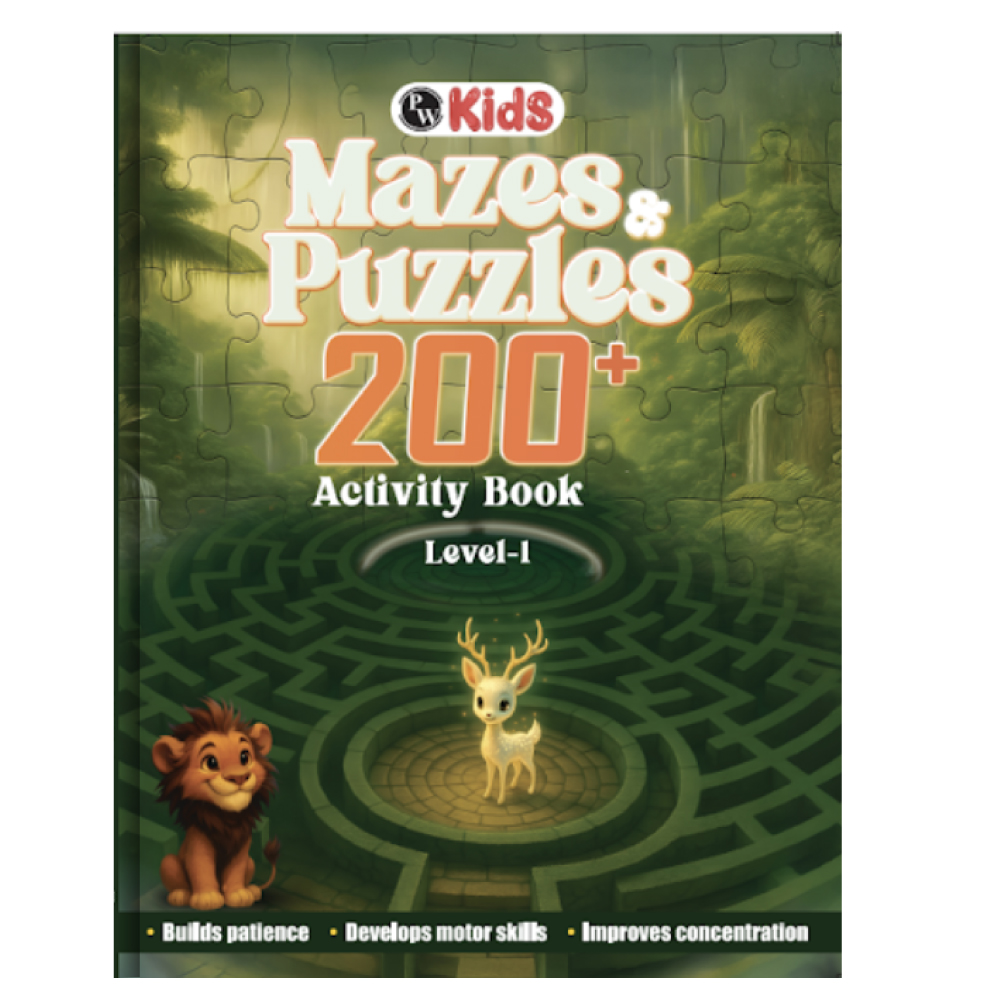
A lot of kids have trouble sitting still and concentrating on one thing at a time because of all the digital distractions. Kids need to pay attention for a long time when they do brain boosting activities. For instance, finishing a hard maze helps a child learn to avoid distractions and stay focused on the goal. This means that you will be able to pay better attention throughout school lessons.
2. Enhanced Problem-Solving Skills
A lot of brain boosting activities for kids include "trial and error." A child learns how to look at an issue from several viewpoints when they try to solve a Rubik's cube or a logic puzzle. This skill is very important for maths and science classes like Algebra and Physics, where the first answer isn't always clear.
3. Boosting Working Memory
The ability to keep and use knowledge in your mind for a short time is called working memory. Brain boosting activities like mental math or repeating sequences help pupils grow their mental "scratchpad," which makes it easier for them to follow teachers' multi-step directions.
Check Out: Kids Activity Books
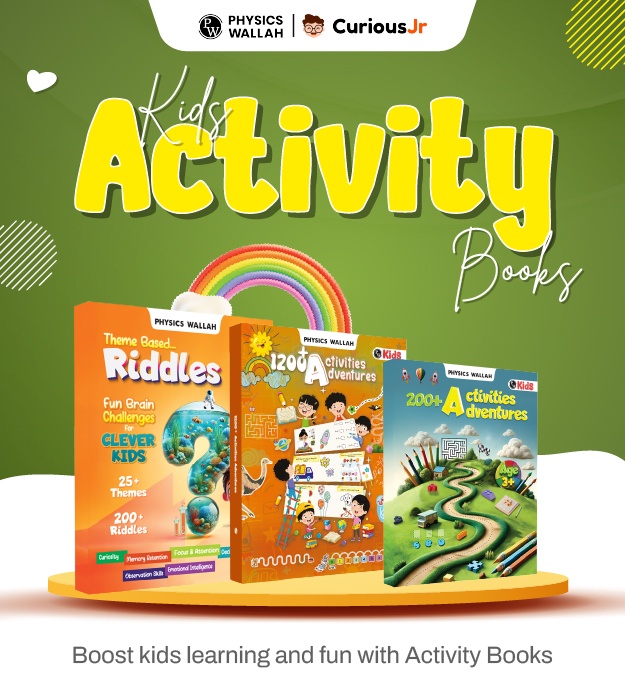
Choosing the Right Resources: Brain Booster Activities Book for Kids
Digital games are popular, but research shows that real books have a particular tactile benefit. A specific brain booster activities book for kids gives them a systematic way to move from easy to hard levels.
|
Feature |
Digital Apps |
Brain Booster Activity Books |
|
Screen Time |
High (can lead to eye strain) |
Zero (healthier for young eyes) |
|
Focus Level |
Often interrupted by ads/alerts |
Deep, uninterrupted focus |
|
Motor Skills |
Limited to tapping/swiping |
Develops fine motor skills (writing/drawing) |
|
Portability |
Requires battery/internet |
Can be used anywhere, anytime |
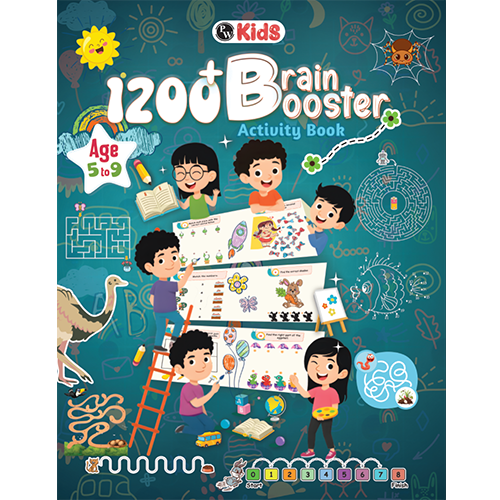
Using a real book, like the 1200 Brain Booster series, makes sure that the youngster stays interested in the paper-and-pen technique, which is known to help with remembering things.
Check Out: Kids Reading Books
Integrating Brain Booster Activities into Daily Routine
You don't need to have a lot of spare time to see benefits. "Micro-Workouts" are the ideal approach for kids to do brain-boosting activities:
-
Morning Kickstart: A 5-minute riddle or logic exercise before breakfast to "wake up" the brain.
-
The Study Break: Instead of a phone, give the student a 10-minute challenge from their brain booster activities book for kids to reset their focus between subjects.
-
Weekend Family Fun: Turn memory games into a family competition to make cognitive growth a social and positive experience.
Read More: Easy English Sentences for Kids
Brain Booster Activities FAQs
1. How long does it take to see results from brain booster activities?
Consistency is key. Parents generally see gains in their child's focus and homework speed within 4 to 6 weeks if they do brain booster activities for just 15 minutes a day.
2. Are brain booster activities for students useful for all ages?
Yes! While the difficulty level changes, the core benefits remain. Advanced logic puzzles can help high school students improve their analytical skills for tests that are competitive.
3. Can these activities help with exam anxiety?
Absolutely. Brain booster activities for kids build "cognitive confidence." When a child knows they can solve difficult puzzles, they feel less intimidated by difficult exam questions.
4. What is the best time of day for these exercises?
Most experts suggest doing these activities in the morning or just before a study session to prime the brain for learning.
5. Should I buy a specific brain booster activities book for kids?
A structured book is highly recommended. It prevents the child from getting bored by providing a variety of challenges, such as spot-the-difference, sequencing, and linguistic puzzles, all in one place.