Common Pulses Name in English
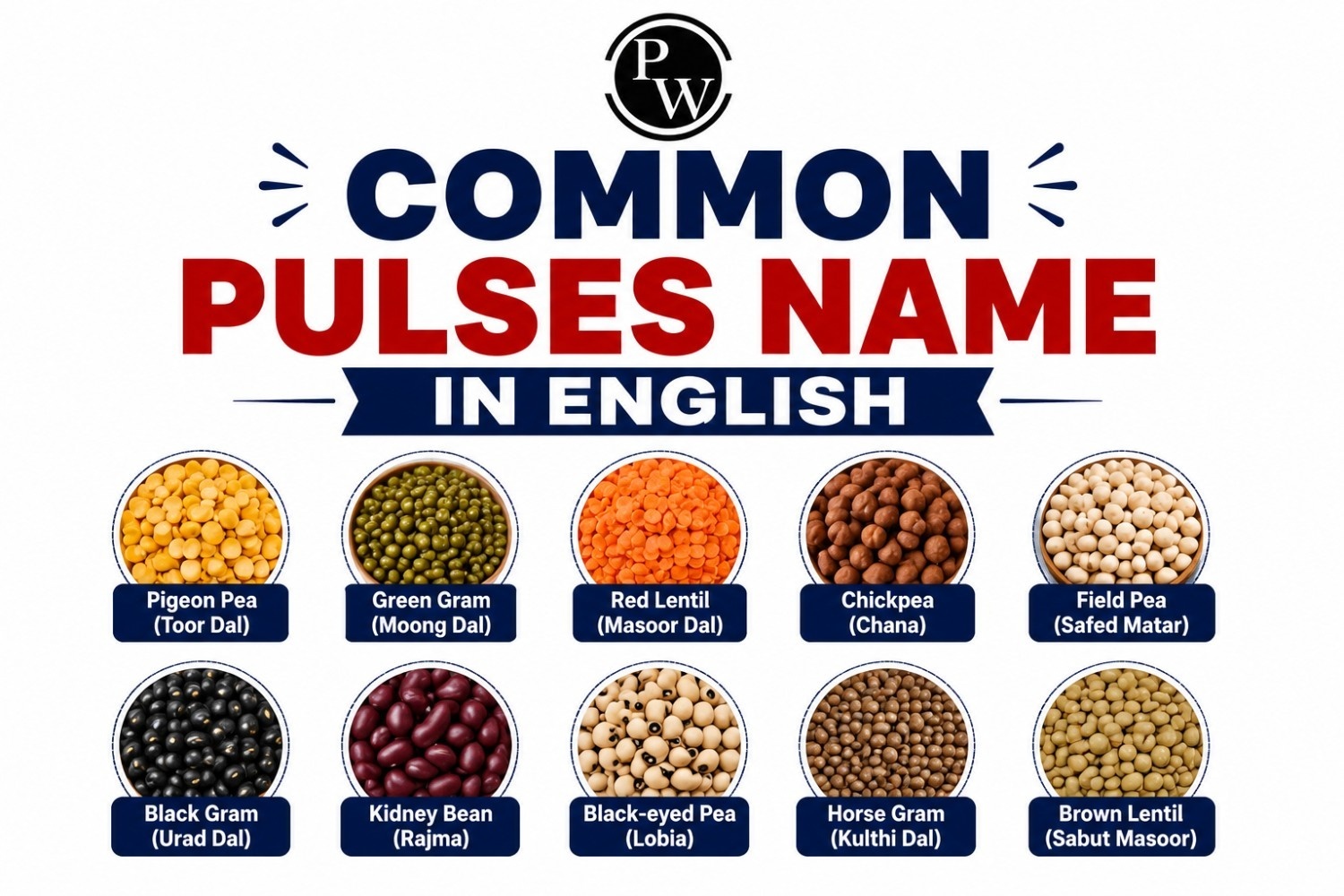
Pulses name refers to the specific titles given to edible seeds from the legume family, like lentils, beans, and peas. These nutritional powerhouses are staple foods globally, providing essential proteins and minerals.
Identifying Every Common Pulse Name
Learning a pulse name in English allows you to shop confidently at any global grocery store or online market. Most pulses are categorized by their shape, color, and whether they are whole or split. We use these seeds to make soups, stews, and salads that keep us strong and healthy.
-
Chickpeas: Often called Garbanzo beans; they're round and beige. These are great for making hummus or crunchy snacks.
-
Red Lentils: Small, orange seeds that cook very quickly. They turn soft and mushy, making them perfect for thick, creamy soups.
-
Green Gram: Tiny green beans used in many Asian dishes. You can eat them whole, split, or even sprouted for a salad.
-
Black Gram: Small black seeds with a white interior. This pulse is famous for giving a creamy texture to traditional dishes.
-
Kidney Beans: Dark red beans shaped like a human kidney. We often use these in chili or spicy stews.
-
Yellow Pigeon Peas: A common staple used for making daily dal. It has a mild, nutty flavor that everyone loves.
-
Black Eyed Peas: Creamy white seeds with a distinct black spot. They're traditionally eaten for good luck in many cultures.
-
Soybeans: Small, round, and yellowish pulses. These are unique because they contain a very high amount of protein.
-
Lima Beans: Large, flat, and green or white. They have a very buttery texture when you cook them properly.
-
Horse Gram: Dark brown and flattened seeds. People often eat these for extra energy during cold winter months.
Understanding Different Varieties
When you look for a pulse name, you might see words like "split" or "whole." Split pulses have the outer skin removed and are broken into two pieces. Whole pulses keep their skin and take longer to cook but offer more fiber. We suggest starting with split lentils if you're in a hurry to eat.
Detailed Guide to Pulse Name and Location
You can find pulses growing in specific climates across the world. The pulse name and location are often linked because certain seeds thrive in dry heat while others need moisture. Farmers choose what to plant based on how much rain falls in their region.
Global Growing Regions
|
Pulse Name |
Primary Growing Location |
Best Climate |
Soil Type |
|
Chickpeas |
India, Australia, Turkey |
Semi-arid |
Well-drained |
|
Lentils |
Canada, India, USA |
Cool temperatures |
Loamy |
|
Dry Peas |
Russia, China, Canada |
Temperate |
Moist soil |
|
Faba Beans |
Ethiopia, Egypt, UK |
Cool and moist |
Clay-based |
|
Navy Beans |
USA, Brazil, Ethiopia |
Tropical/Temperate |
Sandy loam |
Regional Specialties
-
North America: This region is a massive hub for green lentils and yellow peas. They export these to almost every country.
-
South Asia: This is the primary home for pigeon peas and black gram. Most people here eat pulses at every single meal.
-
Middle East: Famous for high-quality chickpeas. These are the foundation of world-famous dishes like falafel and savory hummus.
-
Africa: Cowpeas and bambara beans are common here. They're vital for food security because they grow well in tough heat.
-
South America: Kidney beans and black beans are the stars. You'll find them in almost every traditional rice dish there.
Why Location Matters for Quality
The environment changes how a pulse tastes. A pulse named grown in volcanic soil might taste different from one grown in sandy plains. When we buy pulses, we often look at the origin to guess the flavour profile.
Master Pulse Name in English and Hindi
In many households, knowing the pulse name in English and hindi is vital for following traditional recipes. Translating these names ensures you don't buy the wrong bag of lentils at the market. It’s a great way to expand your vocabulary while you cook.
Translation Chart for Students
|
Pulse Name in Hindi |
Pulse Name in English |
Common Color |
|
Arhar Dal |
Yellow Pigeon Peas |
Bright Yellow |
|
Chana Dal |
Split Bengal Gram |
Pale Yellow |
|
Masoor Dal |
Red Lentil |
Orange/Pink |
|
Moong Dal |
Green Gram |
Green or Yellow |
|
Urad Dal |
Black Gram |
Black or White |
|
Rajma |
Kidney Beans |
Deep Red |
|
Kabuli Chana |
White Chickpeas |
Cream/Tan |
|
Lobia |
Black Eyed Peas |
White with Black |
|
Matar |
Dried Peas |
Green or White |
|
Kulthi |
Horse Gram |
Brown |
We suggest labeling your jars with both names. This helps students and home cooks bridge the gap between traditional food and international culinary terms. It makes learning much faster. When you see "Masoor Dal" on a menu, you'll immediately know it's a "Red Lentil" dish.
Healthy Benefits of Each Pulse
Every pulse name represents a unique set of nutrients. When you eat a variety of pulse names, you give your body a wide range of vitamins. They aren't just seeds; they're "superfoods" for growth and long-term health.
Why You Should Have Them
-
High Protein: Helps build and repair muscles in growing children. It's the best protein source for vegetarians.
-
Rich in Fiber: Keeps your stomach happy and digestion smooth. It helps you feel full for a longer time.
-
Iron Source: Vital for keeping your energy levels high all day. It helps your blood carry oxygen to your brain.
-
Low Fat: A heart-healthy choice for people of all ages. They contain almost no "bad" fats or cholesterol.
-
B-Vitamins: These are great for your nervous system. They help you stay focused and calm during school or work.
Proper Preparation Tips
-
Soaking: Always soak whole beans like kidney beans overnight. This makes them much easier for your stomach to digest.
-
Rinsing: Wash your pulses under cold water three times. This removes any dust or small stones that might be hiding.
-
Sprouting: Some pulses, like green gram, can be sprouted. This increases the amount of Vitamin C you get from the meal.
-
Boiling: Don't add salt until the pulses are soft. Adding salt too early can make the skins stay tough and chewy.
Pulses are good for the planet too. They use very little water compared to other protein sources. They also put nitrogen back into the soil, which helps other plants grow better.
Common Pulses Name in English FAQs
Q1. What is the most common pulse name?
The most common name globally is the Chickpea. It's used in many cultures for dishes like hummus, curries, and salads because it is very versatile and easy to store.
Q2. How do I identify a pulse name in English?
Look at the color and size of the seed. For example, "Red Lentils" are small and orange, while "Kidney Beans" are large, red, and shaped like a human kidney.
Q3. Where is the radial pulse name and location?
The radial pulse is located on the thumb side of your wrist. It's the most common spot to check your heart rate quickly by pressing your fingers against the bone.
Q4. Is dal the same as a pulse name?
Yes, "Dal" is the Hindi term for split pulses. When you see a pulse name in English like "Split Peas," it's called "Dal" in South Asian cooking.