Importance of Maths Games for Kids

Math is all around us in our daily lives. We use it when we cook, shop, play sports, and even when we check the time. For many children, math can be hard to learn in school. They might not feel good about doing math problems, or might think math is boring. This is where maths games for kids can make a big difference.
Math Games Help Kids Learn
When children play maths games, they learn math skills without even knowing it. These games make learning fun instead of scary. Kids who struggle with math in school often do better when they practice with games at home.
Cool maths games give children a chance to use numbers in a way that doesn't feel like homework. They can count, add, subtract, and solve problems while having fun. This helps them feel good about math instead of being worried.
Research shows that when kids enjoy what they're learning, they remember it better. Maths fun games create positive feelings about numbers and counting. This good feeling can last when they go back to math class.
Building Number Skills Through Play
Good maths games for kids help them practice important skills:
-
Counting and number recognition: Simple board games where children move spaces help them count and recognize numbers.
-
Addition and subtraction: Card games and dice games let kids add and subtract numbers quickly in their heads.
-
Patterns and relationships: Many maths-related games help kids see patterns and understand how numbers work together.
-
Problem-solving: Maths puzzle games teach children how to think about problems in different ways to find answers.
When children play these games with family members or friends, they get to practice math over and over in a fun way. This repeated practice helps the math skills stick in their minds.
Check Out: PW Kids Books!
Fun Kits That Teach
Here are some great maths book for kids and learning kits:
1. Counting Wizard Math Kit
-
Brightly colored wooden pieces
-
Helps with number recognition and counting
-
Cards for addition and subtraction
-
Hands-on tools to build a strong math base
-
Eco-friendly and safe for kids
This kit is perfect for kids aged 3 to 6. It helps them explore numbers through play. Parents and teachers can use it for fun activities at home or in class. It also makes a wonderful gift.
2. MathsMingle Board
-
Double-sided board with different math challenges
-
15 quiz cards that cover addition, subtraction, multiplication, and more
-
Teaches average, factors, odd/even/prime numbers, and shapes
-
Right for kids who want to go beyond basic maths
MathsMingle is for slightly older kids, from age 6 and up. It makes tough maths ideas easier to understand.
3. Tumbling Tower Game
-
Wooden blocks numbered 1 to 48
-
Builds hand-eye coordination and focus
-
Great for improving patience and thinking
This is not just a stacking game. It also helps with number recognition and strategy. It’s fun for kids and grown-ups too.
Learning Without Fear
One of the biggest gifts of maths fun games is that they help children learn without fear. In school, some kids feel shy or scared when they make mistakes. But in a game, mistakes are part of playing. This helps kids build a growth mindset. They learn that it’s okay to fail and try again.
This mindset helps them become better learners. They don’t give up easily, and they become more open to new challenges.
Math Activity Books: A Perfect Complement
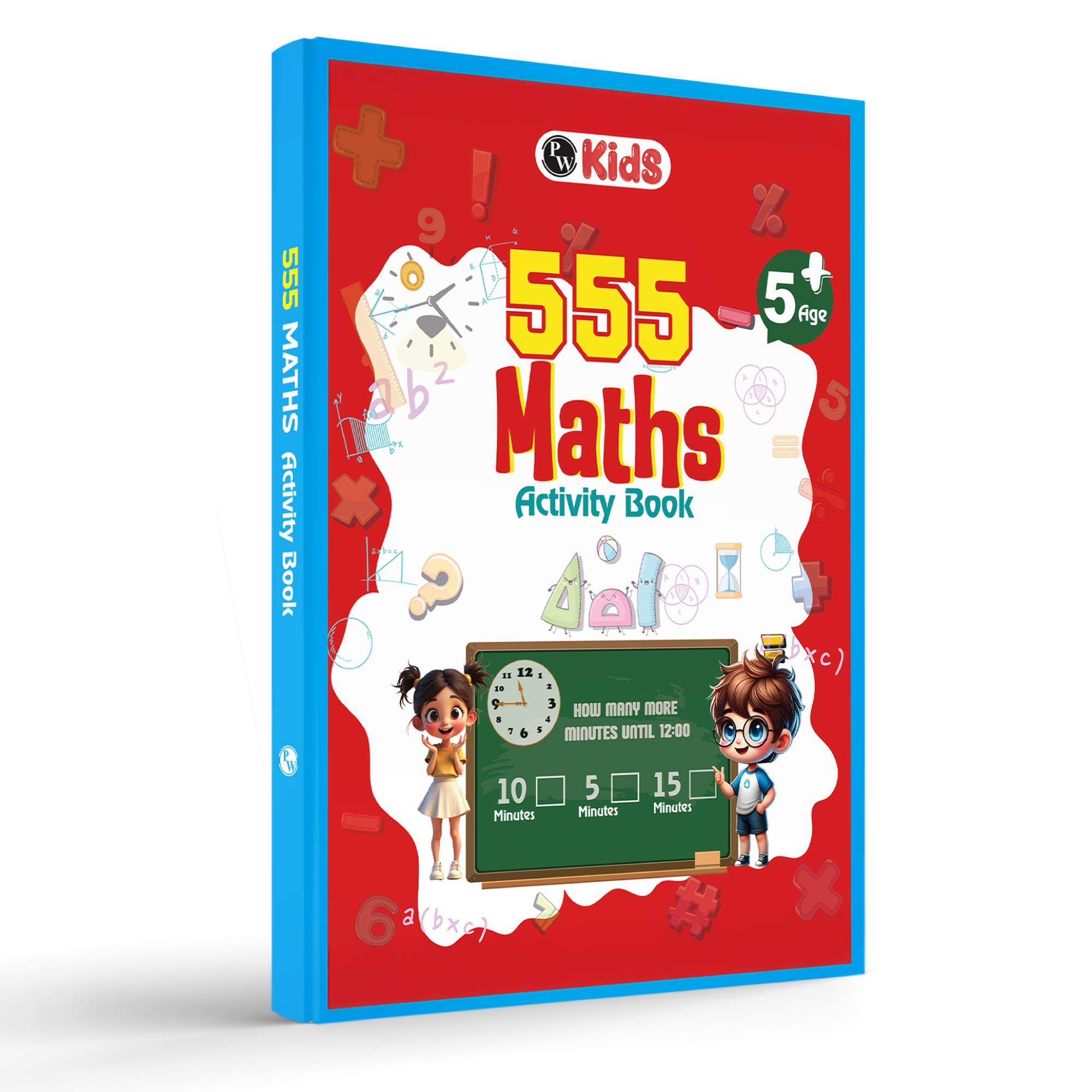
The 555 Maths Activity Book For Kids is an excellent addition to any child's math learning collection. Designed for children ages 5 and up, this colorful activity book transforms math practice into exciting challenges that children look forward to completing.
Unlike traditional maths games for kids that require multiple players, activity books allow children to work independently at their own pace. The 555 Maths Activity Book includes:
-
Engaging puzzles: Children solve a variety of maths puzzles games that make them think creatively about numbers.
-
Colorful games: Bright, appealing graphics keep children interested and make math concepts more concrete.
-
Shape activities: Children learn to recognize and work with different shapes, building geometric understanding.
-
Number practice: Various exercises help children become comfortable with numbers and their relationships.
-
Time-telling activities: Learning to tell time becomes fun through interactive exercises.
-
Word problems: Simple stories help children see how math applies to everyday situations.
-
Addition and subtraction practice: Children strengthen their basic arithmetic skills through enjoyable activities.
This maths book for kids bridges the gap between classroom learning and game play. Children who might resist traditional homework often find these activity pages enjoyable enough to complete voluntarily. Parents report that children ask to do "just one more page" before bedtime.
Activity books also allow children to practice at their own speed without feeling rushed or compared to others. This builds confidence and creates positive associations with math practice. When combined with interactive maths fun games, activity books provide a well-rounded approach to building number skills.
Check Out: Kids Activity Books
How Games Help Brain Development
When children play maths puzzles games, they use their brains in powerful ways. They learn to:
-
Think ahead and plan their next move
-
Remember rules and strategies
-
Make quick calculations
-
Use logic to solve problems
These thinking skills are called "metacognition" - or learning how to learn. Research from the Education Endowment Foundation shows that these skills help children do better in school across all subjects, not just math.
Maths fun games help children develop what's called a "growth mindset." This means they believe they can get better at math with practice and effort. Children with a growth mindset are more likely to take on challenges and keep trying when things get difficult.
Games for Different Ages and Skills
There are maths games for kids at every age and skill level. Here are some examples:
For Young Beginners (Ages 3-5)
The Counting Wizard kit is perfect for young learners. It includes wooden numbers, counting sticks, and dotted plates. Children can touch and move the pieces as they learn to count and recognize numbers. This hands-on approach helps them understand quantities better than just seeing numbers on paper.
This kit also includes word form cards that help children connect the number "5" with the word "five." This builds important early math vocabulary. With maths fun games like this, even very young children can start building math skills.
For Early Elementary (Ages 6-8)
The Montessori Slide Puzzle helps children match colors and patterns. These skills are important for more advanced math. Children learn to see relationships and organize information.
The Yellow Maths Mingle Boards cover many math operations. Children can practice addition, subtraction, and multiplication through 15 different quizzes on cards. They can also learn about odd, even, and prime numbers. These cool maths games make practicing math skills feel like play instead of work.
For Older Children (Ages 8+)
The Tumbling Tower game helps older kids develop focus and patience. They must carefully plan each move as they remove blocks and stack them higher. This game builds hand-eye coordination and strategic thinking.
While not specifically labeled as a math game, Tumbling Tower helps with spatial awareness and planning - both important math skills. The blocks are numbered, adding a counting element to the game. These kinds of maths related games show children that math is part of many fun activities.
Check Out: Kids Writing & Pattern Books
Benefits for All Children
Maths games are helpful for all children, but they can be especially good for:
Children Who Struggle With Math
For kids who find math difficult, games take away the pressure of getting answers right. They can practice math skills without feeling judged or graded. Over time, this builds confidence that transfers to the classroom.
Children From Disadvantaged Backgrounds
Research suggests that children from disadvantaged backgrounds might have fewer chances to develop self-regulation and metacognitive strategies. Maths games for kids give these children specific opportunities to practice these important skills.
When playing math games with adults or other children, kids learn to plan their moves, monitor their progress, and evaluate what works. These skills help them become better learners overall.
Children Who Think Math Is Boring
Some children think math is just worksheets and tests. Cool maths games show them that math can be fun and exciting. Games like Tumbling Tower or Maths Mingle turn numbers into an adventure rather than a chore.
How Families Can Help
Parents and family members play an important role in helping children enjoy math. Here are some ways families can use maths games at home:
-
Set aside game time: Make playing math games a regular family activity. Even 15-20 minutes a few times a week can make a big difference.
-
Talk about strategies: Ask questions like, "What's your plan?" or "Why did you make that move?" This helps children think about their thinking.
-
Connect games to everyday math: Point out when you use similar math skills in daily life, like when cooking or shopping.
-
Keep it positive: Focus on the fun, not on who wins or gets the right answer. The goal is to build positive feelings about math.
-
Start simple: Choose maths fun games that match your child's current skills, then gradually try more challenging ones.
Maths games do much more than teach children to count or add. They build essential life skills like persistence, problem-solving, and working with others. They help children develop positive attitudes toward math that can carry into the classroom and beyond.
When children play cool maths games or work on maths puzzles games, they're not just having fun—they're building their brains in important ways. They learn to approach challenges with confidence rather than fear.
For parents and teachers looking to help children succeed in math, games offer a powerful tool. They create low-pressure opportunities for practice and build connections between math and enjoyment. The time spent playing maths fun games is an investment in a child's mathematical future.
Read More: Math Games for Kids: Fun Ways to Learn
Maths Games for Kids FAQs
1. How do math games help children learn better than traditional methods?
Math games create a low-pressure environment where children can practice skills repeatedly while having fun. This builds positive associations with math concepts and increases motivation to learn, unlike traditional methods that may cause math anxiety in some children.
2. How often should children play math games to see benefits?
Consistent play of 15-20 minutes a few times per week is more beneficial than occasional longer sessions. Regular engagement helps reinforce math concepts and builds lasting skills.
3. How can parents who aren't confident in math help their children through math games?
Parents don't need to be math experts to play math games with their children. The games themselves provide structure, and parents can learn alongside their children. The most important thing is creating a positive, supportive environment for exploration.
4. Can math games help reduce math anxiety in children?
Yes, math games are one of the most effective ways to reduce math anxiety. They create positive associations with math through enjoyable experiences, gradually replacing fear with confidence as children see themselves succeeding at math-related challenges.