Confused About NEET Class 12 Prep? Choose Lakshya Modules

As a Class 12 student, it would not be difficult to gauge the enormity of the syllabus that needs to be covered for the NEET, along with the added pressure of performing well. The process of managing the pressure of both board exams, while preparing for the medical entrance, can prove difficult at times.
The pain points in this regard are mainly related to the issue of revising in an efficient manner as well as identifying practice questions that reflect the trends of the examination. This is where the Lakshya modules help students prepare for their mid-term exams and the main entrance exam.
Check Out: PW NEET Books
Overview of Lakshya Modules
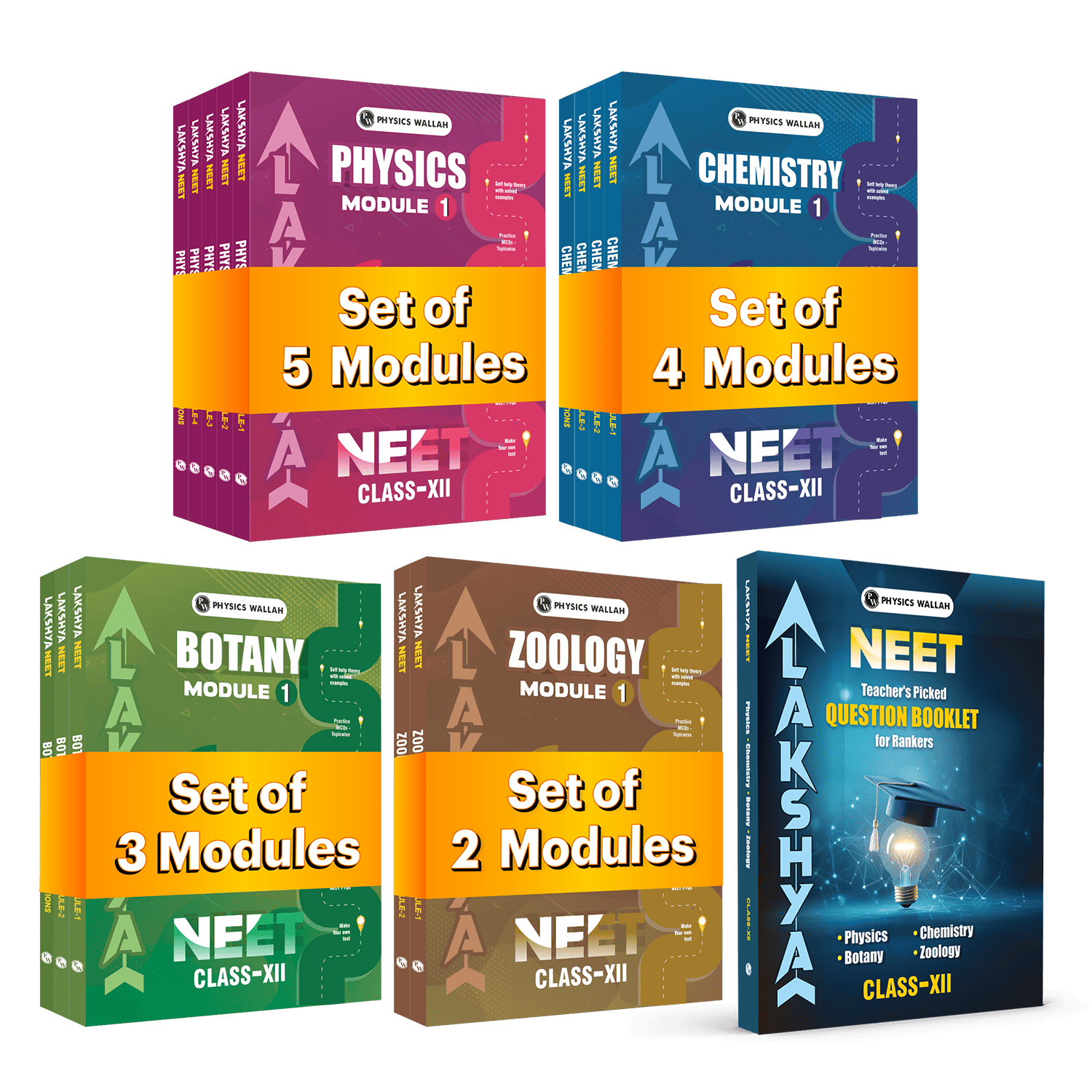
For an examination like NEET, which requires extensive preparation, the nature of your studying materials will determine the outcome. These NEET modules are a comprehensive package of 15 books aimed specifically at the year 2026. It contains modules for the subjects of Physics, Chemistry, Botany, Zoology, as well as a special questions booklet along with answers.
The nature of the contents of these modules is highly tailored to the NEET examination, ensuring that you practice the current rather than obsolete material. By making each book easier to understand, you can save yourself from the stress that comes with having to deal with a huge Class 12 syllabus.
Key Features of Lakshya Modules
The NEET Lakshya modules stand out because of their student-centric features that address the specific needs of Class 12 learners. Every component is meticulously crafted to ensure that you don't just read the theory but actually understand the application.
-
Year-wise & Topic-wise Analysis: This feature helps you track NEET trends and identify high-weightage topics. Knowing which chapters carry the most marks allows you to prioritise your study time effectively.
-
Comprehensive Theory: Concepts are explained in a clear, straightforward manner. This is supported by exercises that ensure strong conceptual mastery across all four subjects.
-
4-Colour Biology Modules: Biology is a visual subject. These modules use clear diagrams and premium visuals to make your learning experience more engaging and easier to remember.
-
Aarambh (Solved Examples): To build a strong foundation, the modules include solved examples that demonstrate the correct and most efficient methods for problem-solving.
-
Diverse Question Types: To prepare you for the unpredictable nature of NEET, the modules include Match the Column, Statement-based, and Assertion-Reason questions.
-
Detailed Solutions Booklet: For students studying online, a separate booklet provides step-by-step explanations for every question, ensuring you never get stuck on a difficult problem.
How Lakshya Modules Help Class 12 Students
The mid-term phase of Class 12 is often where students feel the most lost. You have just completed a significant portion of the syllabus, but the pressure of the upcoming boards and NEET starts to feel real. This is where Lakshya modules become your greatest asset.
By using these modules, you bridge the gap between school textbooks and competitive requirements. These modules are not just a collection of facts; they are a strategic roadmap. They help you organise your thoughts and focus on what truly matters for the exam.
The series ensures that your Class 12 preparation is "strictly NEET-level," preventing you from wasting time on topics that are rarely tested.
Furthermore, the class 12 NEET Modules set helps in building stamina. The chapter-end tests, consisting of 45-question sets, mimic the 1-hour focused environment of the actual exam. This practice is essential for reducing exam-day anxiety and improving your speed and accuracy.
How to Improve Scores with Lakshya Modules
Improving your score in NEET requires more than just hard work; it requires a systematic approach to practice. The modules provide multiple layers of practice to ensure no stone is left unturned.
Conceptual and Topic-wise Practice
The material includes "Conceptual Questions" exercises. These 10–20 NEET-level MCQs per chapter are designed to strengthen your depth of understanding and clear common misconceptions. Once you have mastered the basics, you move to "Prarambh," which offers topic-wise practice to ensure systematic learning.
Advanced Level Challenges
For those aiming for a top rank, the Lakshya NEET 2026 modules include "Prabal" (Advanced-Level Exercises). These prepare you to handle higher-difficulty questions with confidence. Additionally, "Parikshit" focuses on multi-concept practice, which develops the ability to tackle integrated questions—a common feature in modern NEET papers.
Quick Revision Tools
Time management during the final weeks is crucial. Each of the modules comes with a QR code for "Short Notes," allowing for anytime, anywhere quick revision. You also get access to "Make Your Own Test" via QR codes, allowing you to generate 180-question, 180-minute full-length tests to gauge your readiness.
When to Use Lakshya Modules for Good Results
Timing is crucial when preparing competitively. While most students tend to begin preparing for NEET only at the end of the year by utilising modules, the most effective ones always begin earlier.
-
During Daily Learning: Use the Lakshya module along with your batch classes. It is perfect for your batch because it is tailored to fit in with your batch classes perfectly.
-
Prior to the midterm exam: The topics' analysis, together with the worked-out examples, will prove to be very useful while revising the knowledge gained at school.
-
During revisions: The Quick Revision Notes and end-of-the-chapter tests come in handy while preparing for monthly revisions.
-
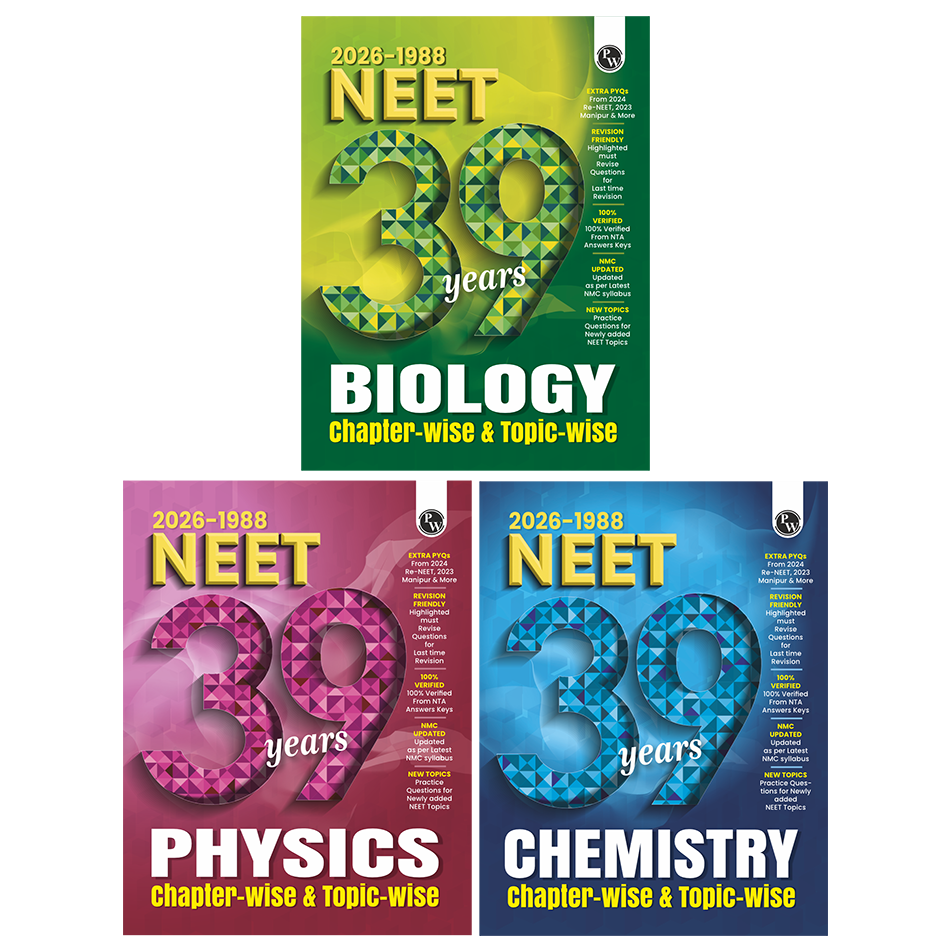
Pre-NEET Preparation: During the final days, use the last 10 years of the NEET PYQs available in the module.
Check out: NEET Previous Year Papers
Study Strategy with Lakshya Modules
To get the most out of your Lakshya NEET 2026 PW set, follow this structured study plan:
-
Read the Theory: Start with the comprehensive theory section in the module. Pay close attention to the bolded terms and the 4-colour diagrams in Biology.
-
Solve Aarambh: Work through the solved examples without looking at the solutions first. Compare your method with the one provided to find the most efficient route.
-
Topic-wise Practice: Complete the "Prarambh" section immediately after finishing a topic to lock in the information.
-
Analyse Your Performance: Use the detailed solutions booklet to understand your mistakes. Don't just find the right answer; understand why your previous logic was incorrect.
-
Test Yourself: Every weekend, take a "Chapter-End Test." This builds the habit of sitting for long periods and maintaining focus.
-
Regular Revision: Use the "Check Your Understanding" (CYU) sets regularly to ensure that you aren't forgetting older chapters while moving forward with the Class 12 syllabus.
By following this plan with your modules, you transform a daunting syllabus into a series of achievable goals. The combination of structured theory, varied question levels, and high-quality visual aids ensures that you are prepared for whatever the 2026 exam throws at you.
Read More: NEET Physics PYQ PDF with Downloaded Solutions
NEET Lakshya Modules FAQs
How many books does the Lakshya modules combo contain?
This combo contains 15 books, including Physics, Chemistry, Botany, and Zoology, apart from the question booklet and solutions.
Are the Lakshya modules up-to-date for the 2026 examination?
Yes, the 2026 version is exclusively designed for the current NEET syllabus and includes all recent changes and new patterns.
Do the PW modules for NEET have PYQs?
Yes, the modules contain NEET PYQs from the last 10 years to make students aware of the important concepts.
Is it possible to utilise the modules for my board examinations?
It's primarily designed for NEET; however, the detailed and lucid theory of class 12 modules is useful to build a solid foundation for boards.
What sets apart the Lakshya NEET module from others?
The module consists of some exclusive features, such as a QR code to conduct customised tests, 4-colour Biology diagrams, and a "Parikshit" section to enhance multi-conceptual practice, which aren't available in general books.