What Topics does the Objective NCERT Punch Chemistry cover for NEET 2027

Preparing for national medical entrance tests requires complete focus on the standard curriculum. Many students struggle to find a single resource that aligns perfectly with the current national syllabus.
This article details exactly how the objective NCERT punch chemistry book provides a complete, structured question bank to help you answer every critical NEET chemistry question with absolute confidence
Overview of Objective NCERT Punch Chemistry
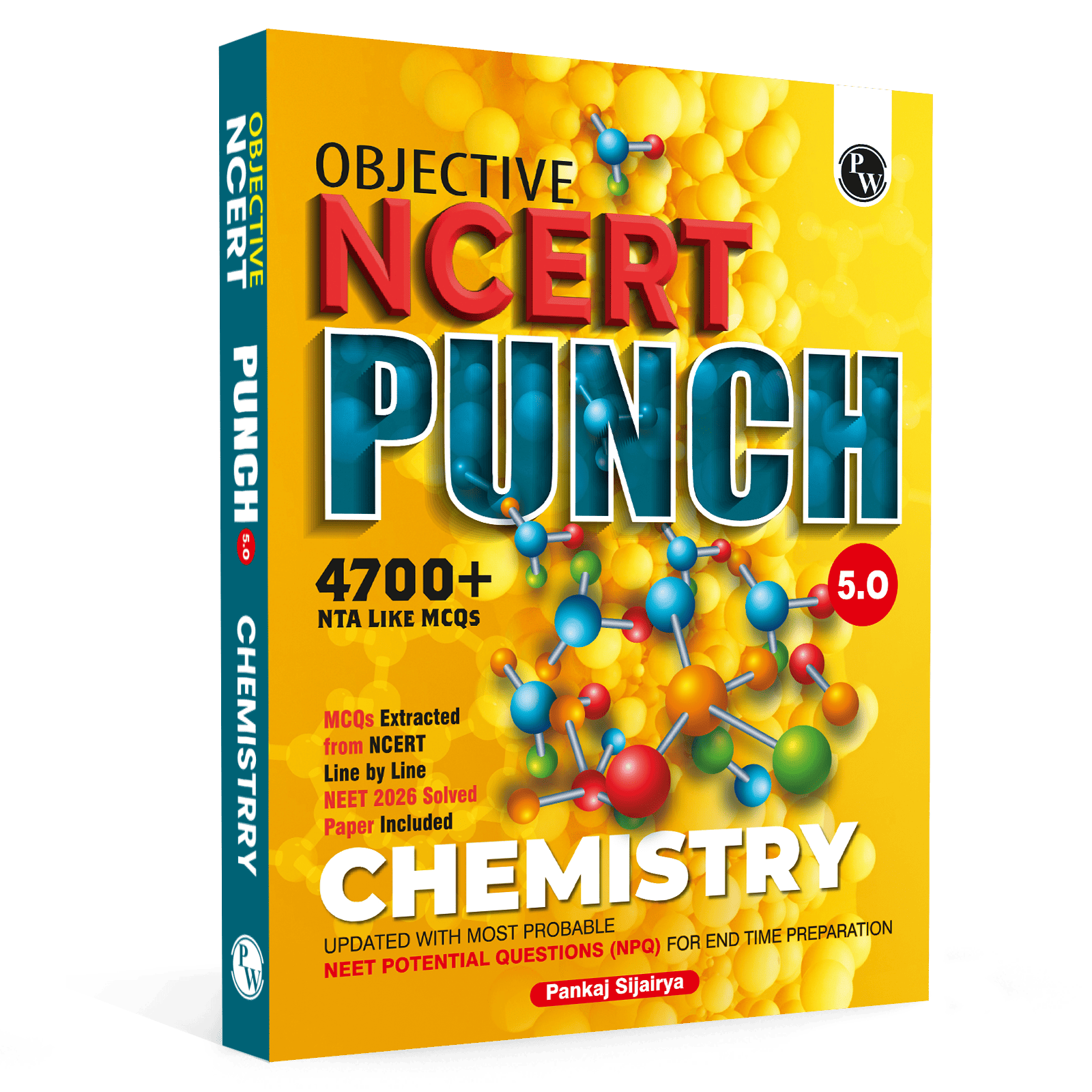
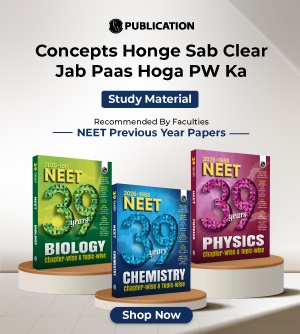
The objective NCERT punch chemistry textbook is a comprehensive resource designed specifically for medical aspirants who need to master the national syllabus line by line. The NEET book acts as an all-in-one preparation guide by breaking down complex theoretical topics into structured, highly targeted multiple-choice questions.
It provides more than 1500 high-yield questions across all major branches of the subject, helping students build a strong foundational understanding while adapting to the latest exam pattern.
This complete guide covers the entire required syllabus, divided into:
-
Physical Chemistry: Focusing on numerical problem-solving, formula applications, and clear theoretical concepts.
-
Organic Chemistry: Covering reaction mechanisms, structural conversions, naming reactions, and functional groups.
-
Inorganic Chemistry: Focusing on periodic properties, chemical bonding, coordination compounds, and block elements.
Features of Objective NCERT Punch Chemistry
The prominent structural features of the objective NCERT punch chemistry book include:
-
NCERT-Picks: Every chapter starts with a dedicated section called NCERT-Picks. This area offers simplified, well-explained concepts using colourful diagrams, flowcharts, and visual learning aids to boost concept retention.
-
Line-by-Line Fill-Ups and True or False: These are practice-based questions designed for deep comprehension, helping students build a solid grip on theoretical statements that frequently appear in exams.
-
1500+ Question Typology: Offers an extensive variety of formats, including Matching Type, Correct & Incorrect statements, Statement-based questions, and Assertion & Reason problems.
-
High-Order Time Intensive MCQs: Advanced-level questions that require deeper analytical thinking and time management, preparing students for the trickiest sections of the paper.
-
NCERT Exemplar MCQs: Includes handpicked problems from the official exemplar book, accompanied by detailed explanations to enhance application skills.
How Objective NCERT Punch Chemistry Covers Topics
NEET Objective NCERT Punch is systematically structured to ensure that no single line of the standard textbook is overlooked. Instead of reading endless blocks of text, students can test their knowledge dynamically.
Every single chapter is split into topic-wise sections, making it easier to track progress and identify weak areas early in your preparation cycle.
The book ensures comprehensive coverage through the following structural divisions:
1. Dedicated Subject Classifications
-
Physical Chemistry Modules: Includes extensive practice for states of matter, thermodynamics, equilibrium, chemical kinetics, and electrochemistry.
-
Inorganic Chemistry Modules: Thorough practice for chemical bonding, p-block, d-block, f-block elements, and coordination chemistry.
-
Organic Chemistry Modules: Detailed question sets on hydrocarbons, haloalkanes, alcohols, aldehydes, ketones, carboxylic acids, and nitrogen compounds.
2. Rationalised Content Integration
-
The book strictly highlights and follows the Rationalised Content (RC) guidelines issued by the council.
-
It filters out deleted topics so that students only spend time studying what is relevant for the upcoming test.
-
All chapters are fully updated to match the current national undergraduate curriculum requirements.
Benefits of Objective NCERT Punch Chemistry
Using a single, well-structured textbook provides multiple advantages over jumping between random online test series. It streamlines your revision process and ensures that you practice exactly the kind of questions that examiners prefer.
Here are the key benefits of incorporating this book into your daily routine:
-
Real-Time Exam Readiness: Practising with a variety of question formats reduces exam anxiety and improves overall speed.
-
Bypasses Information Overload: By focusing strictly on rationalised content, it saves precious time that might otherwise be wasted on outdated syllabus topics.
-
Strong Concept Reinforcement: The step-by-step explanations help clear up common misconceptions in physical calculations and organic mechanisms.
-
Excellent Self-Assessment: The topic-wise segregation allows you to immediately test yourself after finishing a classroom lecture.
To understand the core layout of the question bank, refer to the document snippet shown here:
|
Feature Section |
Primary Purpose |
Question Types Included |
|
NCERT-Picks |
Conceptual clarity and revision |
Flowcharts, diagrams, and simplified notes |
|
Line-by-Line Practice |
Textbook mastery and retention |
Fill-up items, True or False statements |
|
Advanced MCQs |
Problem-solving under time pressure |
High-order thinking items, intensive calculations |
|
Past Papers |
Understanding trends and weightage |
National test questions, archive problems |
Check out: NEET Previous Year Papers
How to Use Objective NCERT Punch Chemistry for Chapter-Wise Preparation?
To gain the maximum advantage from this guide, you should follow a systematic, step-by-step approach for every chapter. Randomly flipping through pages and solving questions without reading the theory will not give you the desired results.
Follow this chapter-wise execution plan:
-
Read the Standard Textbook: Always start by reading the core chapter from your standard board textbook to build baseline knowledge.
-
Review the NCERT-Picks: Open the objective NCERT punch chemistry book and go through the colourful diagrams and flowcharts to quickly revise the main highlights.
-
Solve Line-by-Line Questions: Complete the fill-ups and true/false questions to ensure you haven't skipped any important line or hidden footnote.
-
Attempt Topic-Wise MCQs: Gradually move to the topic-wise multiple-choice questions to build standard speed and accuracy.
-
Tackle Assertion-Reason and Advanced Sections: Finish the chapter by solving the statement-based and high-order intensive problems to solidify your analytical thinking.
When to Start Solving Objective NCERT Punch Chemistry
Timing is highly critical when preparing for competitive medical exams. You should not wait until the final months before the exam to open this book. Because it is structured around chapter-wise learning, the ideal time to start using it is on day one of your preparatory journey.
-
During the Academic Session: Solve the relevant topics in parallel as they are being taught in your regular school or coaching classes.
-
Mid-Term Revision Phases: Use the book during mid-term breaks to quickly re-evaluate chapters you studied a few months prior.
-
During Test Series Preparations: Treat the advanced sections and exemplar problems as mock mini-tests before your major institutional exams.
Study Strategy with Objective NCERT Punch Chemistry
A structured plan ensures consistency and stops you from feeling overwhelmed by the massive syllabus. Combining textbook theory with targeted question solving is the fastest way to increase your accuracy.
-
Analyze Trends Regularly: Start each unit by reviewing the dedicated past paper analysis section to understand chapter weightage and focus areas.
-
Maintain an Error Log: Mark every important NEET chemistry question that you answer incorrectly. Write down the correct formula or reaction mechanism in a separate notebook.
-
Set Strict Timers: When attempting the high-order time-intensive MCQs, set a countdown timer to simulate genuine exam hall pressure.
-
Revise Using Visual Aids: Revisit the colourful flowcharts and diagrams weekly to keep properties and reactions fresh in your mind.
Summary of Chapter Planning
-
Step 1: Theoretical revision using standard notes and NCERT-Picks.
-
Step 2: Foundational validation using line-by-line fill-ups.
-
Step 3: Core practice using topic-wise standard multiple-choice items.
-
Step 4: Advanced polishing with high-order intensive questions and past paper analysis.
Read More: Which Book Should I Refer to For NEET Exams?
Objective NCERT Punch Chemistry FAQs
Does the objective NCERT punch chemistry book include previous year questions?
Yes, the book features a year-wise and topic-wise analysis of past national papers, containing genuine historical questions along with dedicated archive papers for comprehensive revision.
Can I rely on the chemistry NCERT punch book for physical chemistry numericals?
Absolutely. The book contains a massive variety of problem typologies, including matching types and high-order time-intensive questions that cover all essential formulas and numerical calculations.
Is the content in the NCERT punch chemistry book updated according to the latest syllabus?
Yes, it strictly incorporates Rationalised Content (RC), clearly highlighting the topics approved by the official curriculum guidelines while removing deleted sections.