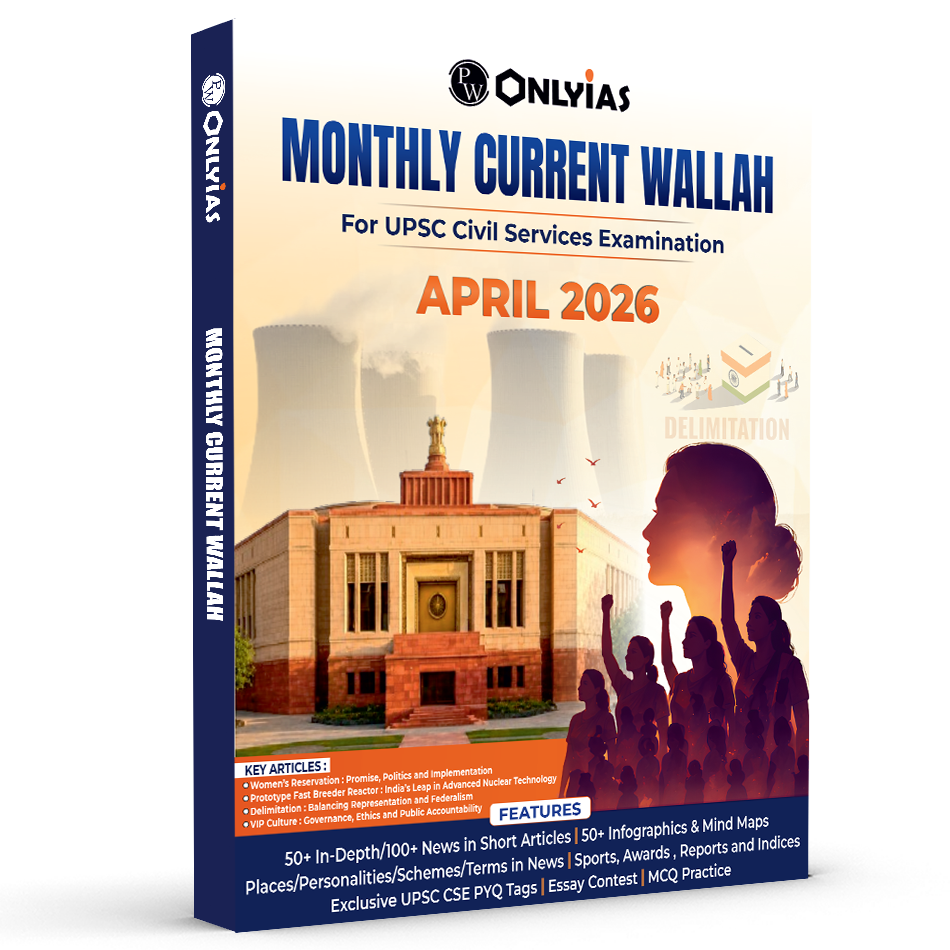
When to Start Collecting UPSC Monthly Current Affairs Issues for Prelims 2026

Preparing for the Civil Services Examination requires a balance between static subjects and daily current affairs. Many students lose marks because they do not organize their notes properly or miss important updates related to government schemes, international events, and economic policies.
Since news changes every day, it can be difficult to follow everything in a structured way. This article explains the best time to start collecting monthly UPSC current affairs issues for Prelims 2026 and how to use them effectively throughout your preparation.
Importance of UPSC Current Affairs
Time management is one of the most important parts of UPSC preparation. The exam checks both your understanding and your knowledge of facts. If you leave an entire year of current affairs for the last few weeks before the exam, it can become stressful and difficult to remember important information.
Studying current affairs month by month helps you build a regular study routine. It also helps you connect current events with subjects like Polity, Economy, Environment, and Geography. When you spread your preparation over many months, you get enough time for revision and practice.
When to Start Collecting Material for UPSC Current Affairs?
UPSC Prelims 2026 is expected to be held on 24 May 2026. To prepare properly, candidates should cover at least 12 to 15 months of current affairs before the exam.
The best time to start collecting monthly issues is March 2025 or April 2025.
What to Study From March 2025 to June 2025
This period should be used to build a strong reading habit. Collect every monthly issue and go through the important topics to understand how policies and national events develop over time.
What to Study From July 2025 to December 2025
This is one of the most important phases of preparation. Many UPSC questions are based on events and developments from these months. Make sure you do not miss any monthly issue during this period.
What to Study From January 2026 to April 2026
Focus on important documents like the Union Budget and Economic Survey. Along with these reports, continue studying your monthly current affairs issues and revise older topics.
How to Use UPSC Current Affairs Book Effectively?
Buying a good UPSC current affairs book is only the first step. You also need to use it in the right way to get the best results.
Match Topics With the UPSC Syllabus
Keep a copy of the UPSC syllabus with you while studying. Focus mainly on topics that are directly connected to the syllabus.
Highlight Important Facts
Mark important definitions, reports, committee names, and data using different colors. This will make revision much easier later.
Solve Questions After Every Section
Practice the MCQs given in the book after finishing each topic. This helps you check your understanding and improve your memory.
Which Subjects Are Important in UPSC Current Affairs?
A good current affairs book for IAS divides news into different subjects. This helps students spend time on the most important areas.
Polity and Governance
Study Supreme Court judgments, constitutional amendments, government bills, and important laws.
Economy
Focus on inflation, banking updates, RBI policies, economic reports, and trade agreements.
Environment and Science
Follow climate conferences, wildlife conservation news, space missions, and scientific developments.
Why Use an UPSC Current Affairs Book 2026?
A dedicated UPSC current affairs book 2026 offers several benefits compared to reading only newspapers.
All Current Affairs in One Place
It combines important news from different sources into a single study resource.
Easy Connection With the Syllabus
Topics are already arranged according to different UPSC subjects, saving time and effort.
Simple Explanation of Difficult Topics
Complex national and international issues are explained in a simple and easy-to-understand format.
How an UPSC Current Affairs PDF Helps in Revision
Many students now prefer digital study materials because they are easy to use and carry.
A UPSC current affairs PDF offers several advantages during revision.
Find Topics Quickly
You can search for any keyword and find related information within seconds.
Make Digital Notes
Important tables and information can be copied into your personal notes for quick revision.
Study Anywhere
Cloud storage allows you to access files from different devices while travelling or during short breaks.
What Is the Weightage of UPSC Current Affairs?
Current affairs carry a significant weightage in the General Studies Paper. Questions are regularly asked about national events, international affairs, the economy, science, the environment, and government schemes.
|
Topic Category |
Example Topics |
Marks in Prelims |
|
National Affairs |
Government schemes, policy updates, and welfare programs |
5–10 Marks |
|
International Affairs |
UN meetings, global agreements, bilateral relations |
3–5 Marks |
|
Economy and Budget |
Economic Survey, GST, RBI policies |
5–10 Marks |
|
Science and Technology |
Space missions, defense technology, and AI developments |
2–5 Marks |
|
Environment and Ecology |
Climate change, wildlife conservation, green energy |
2–5 Marks |
|
Awards and Honours |
National and international awards |
1–3 Marks |
How to Organize Monthly UPSC Current Affairs Issues?
A proper study plan can help you cover every issue without confusion.
-
Collect Every Issue on Time: Buy or download each issue within the first week of its release.
-
Read Once for Understanding: Spend the first few days reading the content without trying to memorize everything.
-
Mark Important Information: During the second reading, underline important facts, constitutional articles, reports, and institutions.
-
Connect Current Affairs With Static Subjects: Link current affairs topics with your standard books to build a stronger understanding.
-
Revise Every Month: Spend the last few days of every month revising the topics you have already marked.
How to Revise Monthly Current Affairs Before Prelims
As the Prelims exam gets closer, your study approach should change from detailed reading to quick revision. This is the time to focus on important facts, reports, schemes, and events that you have already studied during the year. A proper revision plan can help you remember information better and improve your confidence before the exam.
Use Monthly Issues for Basic Understanding
Study monthly issues throughout the year to build a strong foundation. These issues explain important events in detail and help you understand the background of topics. When you study regularly, it becomes easier to connect current affairs with static subjects like Polity, Economy, Environment, and Geography.
Use Yearly Compilations for Quick Revision
Yearly compilations help you revise a large amount of information in a short time. They bring together all major events, government schemes, reports, and international developments in one place. This makes revision faster during the final months before the exam.
Compare Notes With Yearly Compilations
Check your highlighted notes against yearly summaries to cover any missed topics. This method helps you find weak areas and refresh important facts. It also ensures that you do not miss any major event that may be important for the examination.
Check Out: UPSC Previous Year Papers
Mistakes to Avoid in UPSC Current Affairs Preparation
Many students make mistakes that slow down their progress.
-
Collecting Too Many Resources: Reading multiple magazines creates confusion. Stick to one trusted source.
-
Ignoring Static Subjects: Current affairs become difficult if your basics in History, Geography, Economy, and Polity are weak.
-
Not Solving Practice Questions: Reading alone is not enough. Regular MCQ practice is important.
-
Delaying Revision: Without revision, it becomes difficult to remember important facts before the exam.
Tips to Improve UPSC Current Affairs Preparation
A good current affairs strategy can improve both your accuracy and confidence. Following a few simple habits throughout the year can make your preparation more effective.
Use a Study Calendar
Track your monthly goals and make sure you complete them on time. A study calendar helps you stay organized and prevents last-minute pressure. It also allows you to monitor your progress regularly.
Study With a Small Group
Discussing important topics with other students can improve your understanding. Group discussions help you learn different viewpoints and remember information for a longer time. They can also make preparation more engaging and productive.
Follow Official Government Sources
Verify important schemes, reports, and policies through official government websites. This helps you avoid incorrect information and gives you access to accurate facts that are useful for the exam.
Stay Consistent Every Day
Regular study for a few hours daily is much more effective than studying heavily once in a while. Even small daily efforts add up over time and help you complete the syllabus without stress. Consistency is one of the most important factors for success in UPSC preparation.
Read More: Most Important Topics for UPSC Prelims and Mains Exam
UPSC Current Affairs FAQs
Why is current affairs important for UPSC preparation?
A large number of questions in UPSC are linked to recent events, government decisions, policies, and international developments. Strong current affairs preparation can improve your overall score.
When should I start reading current affairs for IAS preparation?
It is best to start reading current affairs for IAS at least 12 to 15 months before the exam. For Prelims 2026, March or April 2025 is a good starting point.
Can I prepare only from a current affairs book for IAS?
A current affairs book for IAS provides organized information in one place. However, reading a newspaper daily can help you understand ongoing events better.
Why should I use the current affairs book 2026?
A current affairs book for 2026 saves time by organizing important news according to the UPSC syllabus. It also includes explanations, facts, and practice questions.
What are the benefits of using a current affairs PDF?
A current affairs PDF allows quick searching, easy note-making, and access across multiple devices, making revision faster and more convenient.