Olympiad Preparation Tips: A Guide for Beginners
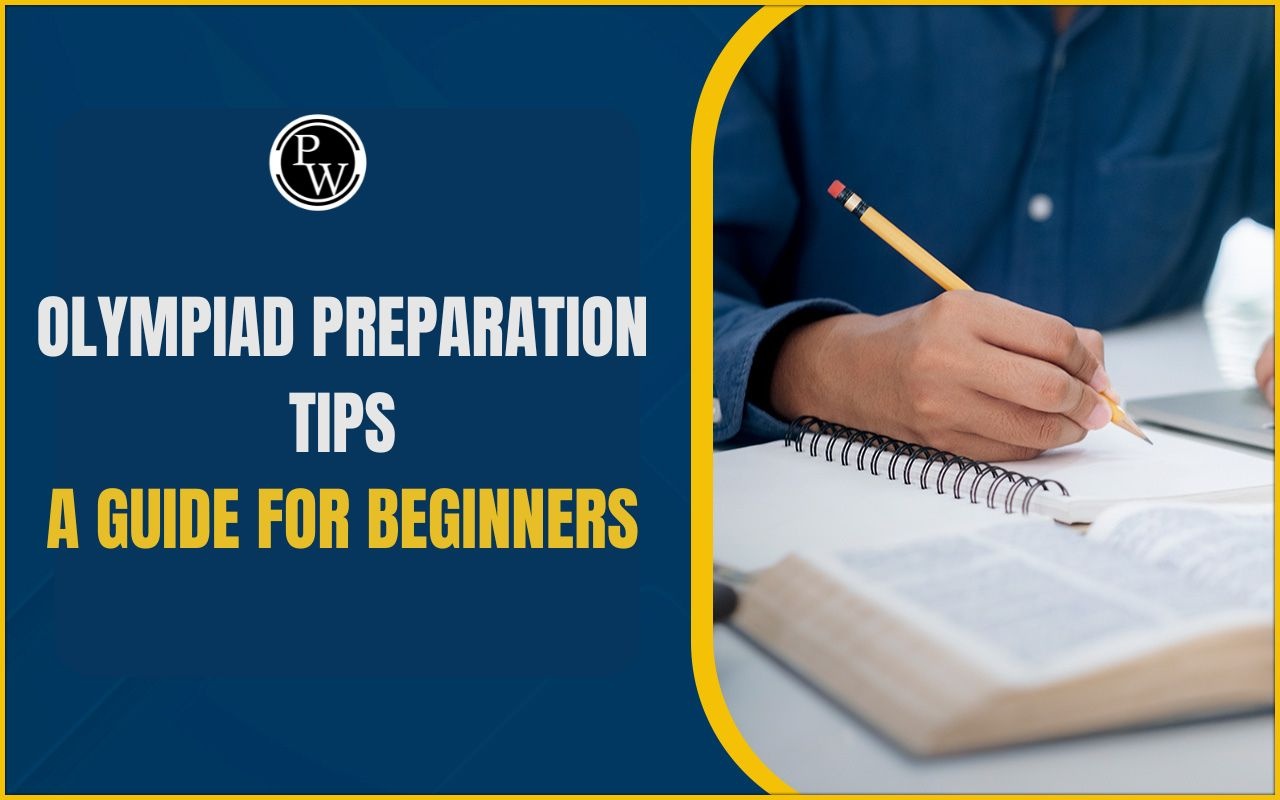
Olympiad Preparation Tips: A Guide for Beginners
Preparing for an Olympiad exam can seem challenging for beginners, but with the right strategies, practice, and resources, students can perform exceptionally well. Whether it is a Math Olympiad, Science Olympiad, or English Olympiad, a structured approach is essential. The key is to build strong fundamentals, practice regularly, and follow Olympiad preparation tips that align with exam patterns and formats. For students aiming to achieve top ranks in International and National Olympiads, using reliable books like PW Olympiad Books and following these proven strategies can make preparation easier and more effective.
This guide provides a detailed roadmap for Olympiad exam preparation, covering everything from exam patterns, topics, answering techniques, and preparation resources to practical tips and FAQs for beginners.
Understanding the Olympiad Exam Pattern
Before starting Olympiad exam preparation, it is crucial to understand the exam pattern. Knowing the pattern helps students manage time efficiently and focus on high-scoring areas. Most Olympiad exams are conducted in a multiple-choice format with sections designed to test concepts, reasoning, and problem-solving skills.
|
Olympiad Type |
Sections Included |
No. of Questions |
Marks per Question |
Total Marks |
|
Math Olympiad |
Section 1: Logical Reasoning Section 2: Mathematics Section 3: Achievers Section |
5 25 5 |
1 1 2 |
40 |
|
Science Olympiad |
Section 1: Logical Reasoning Section 2: Science Concepts Section 3: Achievers Section |
5 25 5 |
1 1 2 |
40 |
|
English Olympiad |
Section 1: Grammar & Vocabulary Section 2: Reading Comprehension Section 3: Achievers Section |
5 25 5 |
1 1 2 |
40 |
Preparing with Olympiad Books
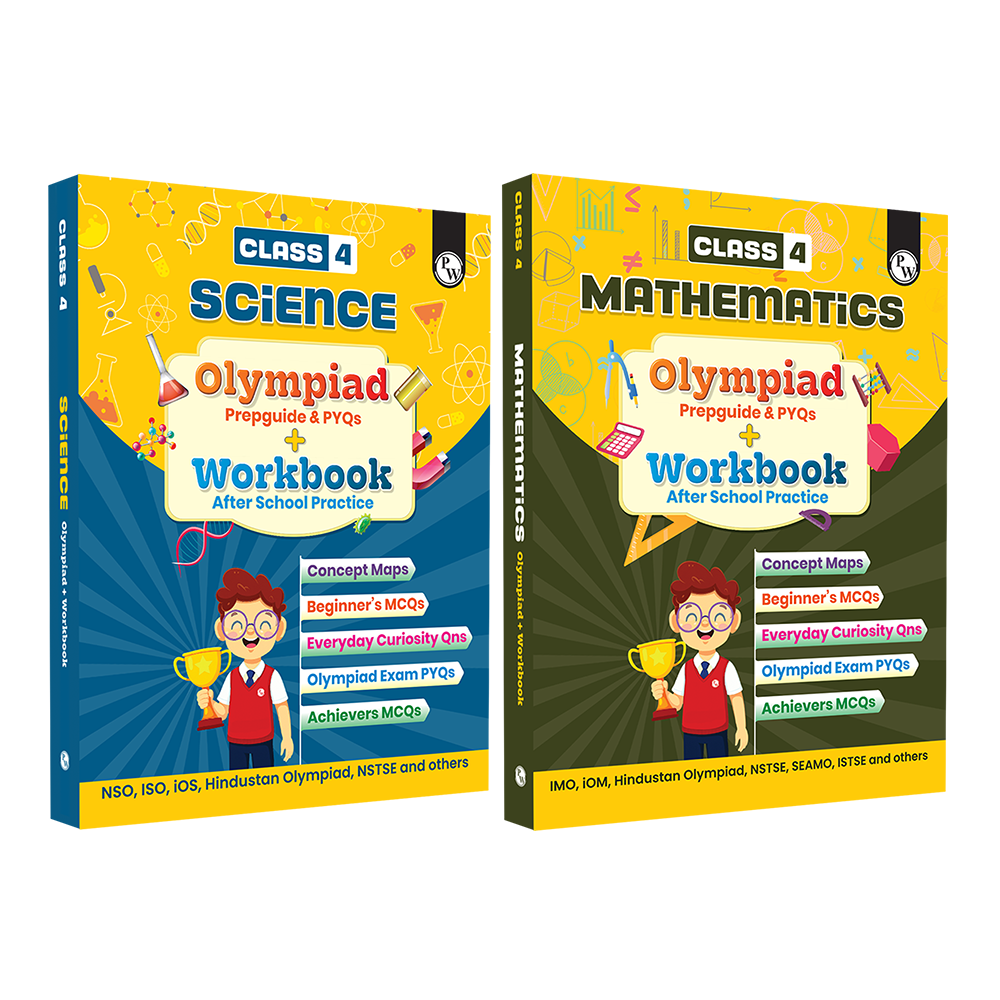
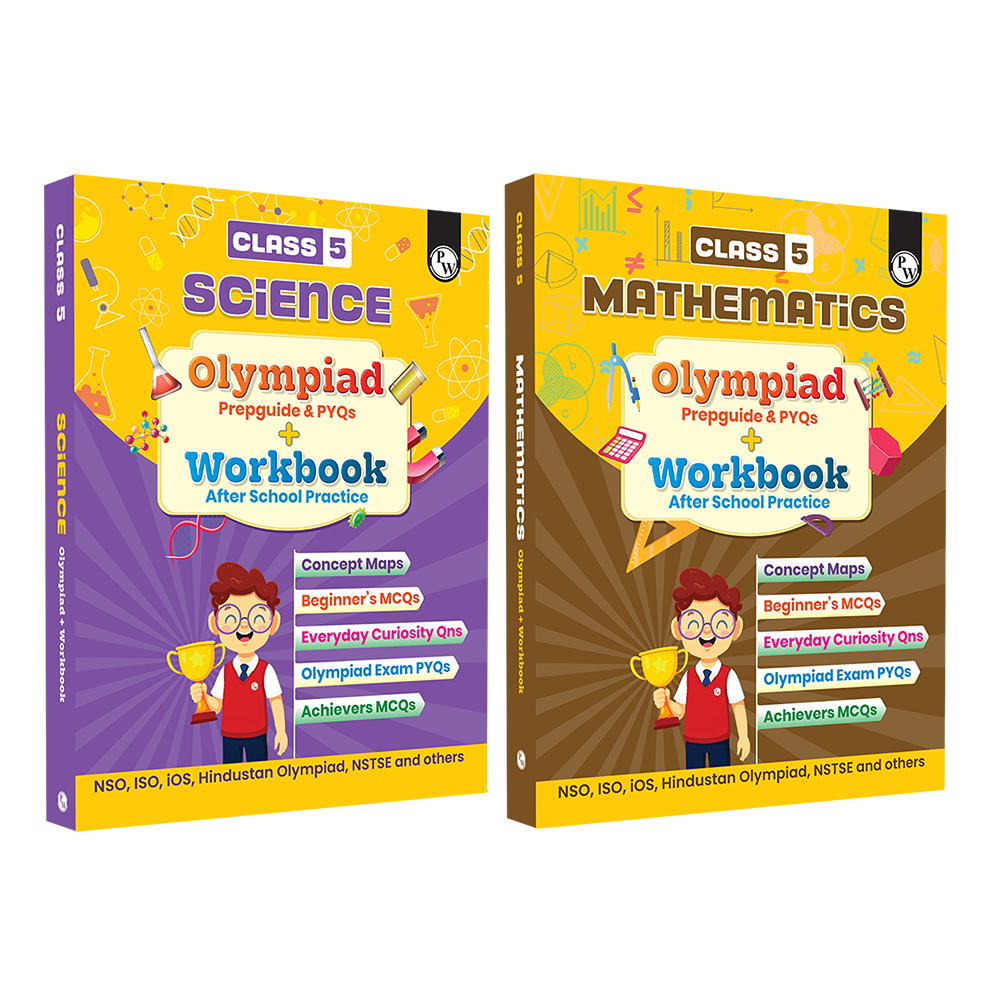
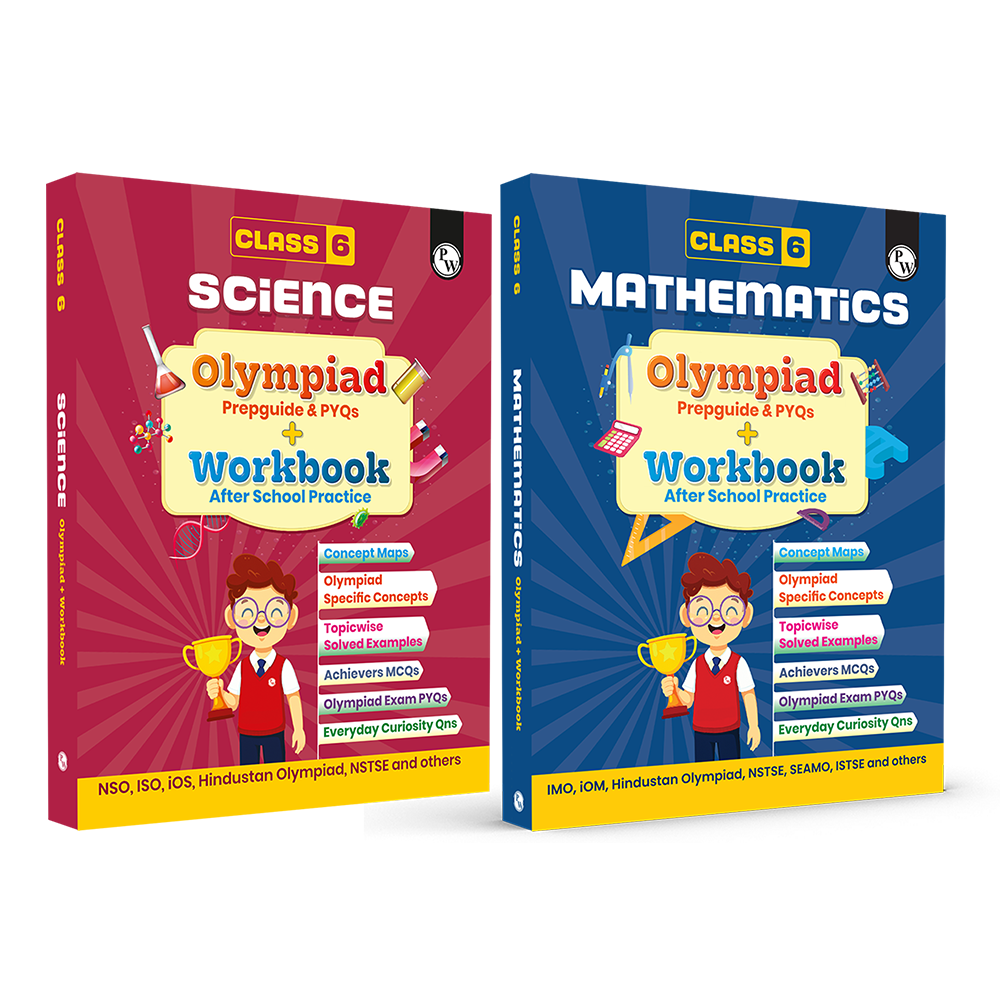
Books are a vital tool for effective Olympiad exam preparation. Beginners should use books that simplify concepts, provide ample practice questions, and follow the Olympiad exam style. PW Olympiad Books are highly recommended for students from Class 3 to 12.
Why Use PW Olympiad Books?
-
Step-by-Step Concept Clarity: Concepts are broken down into easy-to-understand chapters.
-
Practice Questions: MCQs, logical reasoning exercises, and previous year questions are included for practice.
-
Class-Wise Design: Books are available for each class, from beginners in Class 3 to advanced learners in Class 12.
-
Achievers’ Level Exercises: Advanced questions help students aiming for top ranks in international Olympiads.
Check Out: Class 3rd Olympiads & Class 4th Olympiads
Key Olympiad Preparation Tips for Beginners
Following practical Olympiad preparation tips can make a significant difference. Below are detailed strategies:
1. Understand the Syllabus Thoroughly
For Math Olympiad preparation, cover topics like algebra, geometry, numbers, patterns, and problem-solving.
-
For Science and English, review concepts from the school curriculum and additional topics included in Olympiad syllabi.
-
Create a topic checklist and mark areas completed.
2. Practice Previous Year Question Papers
Solve past year papers to understand the question pattern, difficulty level, and important topics.
-
This practice improves speed and confidence.
-
Track performance to identify weak areas.
3. Focus on Logical Reasoning
Logical reasoning is common across all Olympiad exams.
-
Practice puzzles, series, analogies, coding-decoding, and classification questions daily.
Check Out: Class 5th Olympiads & Class 6th Olympiads
4. Learn Exam Answering Techniques
Many Olympiads use OMR sheets.
-
Practice filling answers on OMR sheets to reduce errors during the exam.
-
Use pencil carefully, follow instructions, and manage time effectively.
5. Regular Revision
Short weekly revisions ensure topics are not forgotten.
-
Make quick notes of formulas, definitions, and tricky concepts.
-
Include both practice and conceptual revision.
6. Mock Tests and Time Management
Attempt timed mock tests from PW Olympiad Books.
-
Learn how to allocate time to different sections and question types.
-
Helps in reducing exam anxiety and improving speed.
7. Stay Curious and Explore Concepts
Relate topics to real life. For instance, in Math, observe patterns in daily objects; in Science, explore simple experiments at home.
-
This makes Olympiad exam preparation interesting and effective.
Check Out: Class 7th Olympiads Book
Subject-Wise Olympiad Preparation Tips
Math Olympiad Preparation Tips
-
Practice problem-solving daily.
-
Focus on conceptual understanding, not just formulas.
-
Use math Olympiad preparation books from PW for step-by-step learning.
Science Olympiad Preparation Tips
-
Read each concept carefully from PW Science Olympiad Books.
-
Solve previous year questions to understand application-based problems.
-
Perform small experiments at home to link theory with real-life situations.
English Olympiad Preparation Tips
-
Improve vocabulary, grammar, and comprehension through PW Olympiad Books.
-
Solve sample MCQs and practice reading passages.
-
Focus on higher-order thinking questions in the Achievers Section.
Suggested Study Plan for Beginners
Here is a study plan for beginners:-
|
Day |
Activity |
Duration |
|
1-2 |
Read concepts from PW Olympiad Books |
1-2 hrs |
|
3-4 |
Practice topic-wise questions |
1 hr |
|
5 |
Solve logical reasoning exercises |
45 mins |
|
6 |
Take a mock test |
2 hrs |
|
7 |
Revise weak areas and review concepts |
1 hr |
Benefits of Using PW Olympiad Books
-
Suitable for all classes from 3 to 12.
-
Covers Mathematics, Science, and English Olympiads.
-
Stepwise learning, MCQs, concept maps, previous year questions, and achievers’ level exercises.
-
Ensures structured Olympiad exam preparation for beginners and advanced students alike.
Read More: Benefits of Olympiad Exams to Students
Olympiad Preparation Tips FAQs
Q1. What are the best Olympiad preparation tips for beginners?
Ans. Focus on understanding concepts, practice previous year papers, use PW Olympiad Books, attempt mock tests, and revise weekly.
Q2. Which books are recommended for math Olympiad preparation?
Ans. PW Math Olympiad Books are highly recommended as they include stepwise learning, MCQs, and practice exercises.
Q3. How can beginners improve speed and accuracy in Olympiads?
Ans. Practice regularly, attempt timed mock tests, and learn effective answering techniques for OMR sheets.
Q4. What topics are covered in Math Olympiad exams?
Ans. Topics include algebra, geometry, numbers, patterns, logical reasoning, and problem-solving questions.
Q5. Are logical reasoning questions important?
Ans. Yes, logical reasoning is a major part of most Olympiad exams. Daily practice helps improve accuracy and speed.