7 Common Mistakes to Avoid in CBSE Class 10 Board Exam

7 Common Mistakes to Avoid in CBSE Class 10 Board Exam:- The CBSE Class 10 board exams are not only a crucial step in your academic journey but also play a significant role in shaping your future. The marks you earn in these exams can have a big impact, especially when selecting streams for Class 11 or even for future college admissions. A good performance in the Class 10 exams can open doors to better opportunities and give you an edge when applying for various courses. The exams for 2025 are scheduled to take place from February 15th to March 18th, which gives students plenty of time to prepare.
However, many students make common exam mistakes during their preparation, which can affect their performance. Whether it’s poor time management, not revising enough, or neglecting important topics, these mistakes can lead to unnecessary stress. You may be asking, “Is the CBSE board exam tough?” With the right preparation and focus, it doesn’t have to be. Knowing how to avoid mistakes in the exam preparation can help you stay on track and perform well.
In this guide, we will highlight some of the most common exam mistakes and share simple ways to avoid them. By learning how to prepare effectively and stay organised, you can face the CBSE Class 10 exams with confidence and secure the marks that will benefit you in the long run.
Check out - CBSE Class 10 Books
7 Common Mistakes to Avoid in CBSE Class 10 Board Exam
The CBSE Class 10 board exams are an essential part of a student's academic life. With the right approach, you can perform well and secure excellent results. However, many students make common exam mistakes that can affect their performance. To help you avoid these negligences, we've compiled a list of the 7 common mistakes and how to avoid them. If you're wondering how to avoid mistakes in exams, this guide will help you prepare effectively.
1. Lack of a Study Plan
One of the most frequent mistakes students make is not having a clear study plan. Without a study schedule, it becomes difficult to manage your time efficiently, guiding to rushed preparation and poor exam performance. To avoid this, start by creating a study plan that breaks down the syllabus into smaller portions. Ensure that you allocate enough time for each subject, and make sure to include revision sessions as well. A structured approach can help you avoid feeling overwhelmed and stressed before the exam.If you're uncertain about how to avoid mistakes in exam preparation, this simple step can make all the difference in staying organised and reducing last-minute stress.
2. Procrastination
Procrastination is a major hurdle when preparing for any exam. Many students delay studying until the last moment, leaving them unprepared and stressed. When preparing for the CBSE Class 10 board exam, procrastination can lead to incomplete revision and inadequate understanding of topics.
Start your preparation well in advance and stick to your study plan. Begin reviewing notes and revising difficult concepts early to ensure enough time for each subject. This will also help reduce anxiety when the exam is near. Many students ask themselves, "Is CBSE board exam tough Class 10 2025?" However starting early will make the entire process less problematic and more manageable.
3. Ignoring the Syllabus
One common mistake is not paying enough attention to the CBSE Class 10 syllabus. The CBSE syllabus outlines all the essential topics, and it’s important to focus on these rather than getting sidetracked with unnecessary information.
To prepare effectively, familiarise yourself with the CBSE Class 10 syllabus for each subject. Understand the weightage of various topics and prioritise your study time accordingly. Spending time on the right topics will help you perform better and save time in the long run.
4. Poor Time Management
Effective time management is key to doing well in the CBSE Class 10 board exam. Many students waste time on topics they find easy, leaving complex subjects unstudied. This often leads to incomplete coverage of the syllabus, which could affect your exam performance.
Prioritise topics based on their weightage and difficulty level. Allocate specific time slots to each topic and stick to your study plan. Ensure you balance time for revision as well, as regular review of what you have studied is essential. By managing your time well, you can avoid the pressure of last-minute cramming.
Read More - How Solving CBSE Sample Papers Can Improve Time Management Skills
5. Cramming Too Much Information
Another common mistake students make is cramming large amounts of information just before the exam. This may help in the short term but is unlikely to result in long-term retention. Overloading your brain with information at once can lead to confusion and reduce your ability to recall key details during the exam.
To avoid this, break your study sessions into smaller, manageable chunks. How to write answer sheet in board exam effectively is not just about remembering facts but also understanding concepts and applying them. Consistent revision over a longer period is far more effective than cramming at the last minute.
6. Lacking Revision
Revision is critical for your understanding and ensuring you remember key points during the exam. A lack of revision can lead to forgetfulness and confusion, particularly under exam pressure.
Set aside time each week for revision, and use it to go over previously studied material. Mock tests and previous years' question papers can be helpful to get an idea of the exam pattern and improve your paper presentation in board exams. Revising frequently ensures that the material stays fresh in your mind, helping you to present your answers clearly and accurately on the day of the exam.
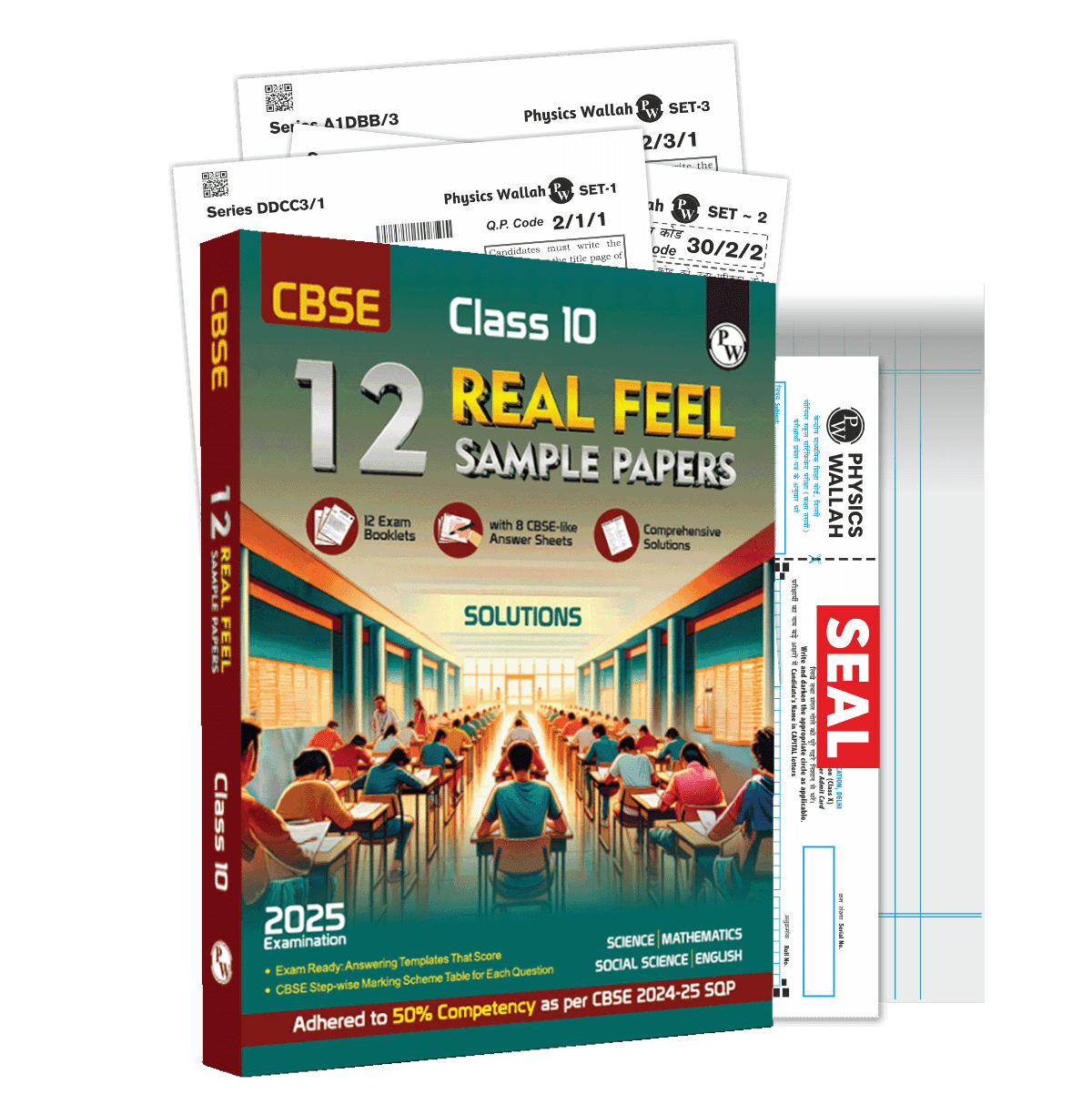
Check out - CBSE Class 10 Real Feel Sample Paper
7. Not Seeking Help
Sometimes, students struggle with particular topics but hesitate to ask for help. This can lead to confusion and a lack of clarity, ultimately hindering their exam performance. Don’t hesitate to ask your teachers or classmates if you don’t understand something.
How to Write Answer Sheet in Board Exam?
The first step in writing your answer sheet is to fill in all the required details correctly. Ensure you write your roll number, paper code, and any other personal details as instructed. Failing to fill in these details properly could lead to your paper being disqualified or misplaced. This is one of the most common exam mistakes that happen. Here are some easy tips on how to write answer sheet in board exam:
1. Read the Question Paper Carefully
Before you start writing, take a few minutes to read through the entire question paper. This will help you understand which questions you can attempt easily and which ones might take more time. This step will also help you avoid any common exam mistakes like answering the wrong question or missing out on important details. Also, remember while starting any question, properly mention the section and the number of questions.
2. Plan Your Time
Time management is crucial. Allocate a specific amount of time for each section based on the marks. Don’t spend too much time on one question, as it could leave you with less time for others.
3. Answer Neatly and Legibly
Your answer sheet should be easy to read. Write in clear, legible handwriting, and avoid writing too fast. A messy answer sheet can confuse the examiner, even if you know the correct answer. Wondering “How to avoid mistakes in exams”? Start by writing clean and clear answers. Also, another trick is to start with those questions first in which you are fully confident about.
4. Start with the Most Important Questions
Begin by answering the questions you know well. This will boost your confidence and ensure you complete the easier questions first. Don’t waste time on questions that you find difficult at the start. This is a smart way to avoid making common exam mistakes under pressure.
Read More - CBSE Class 10 Important Questions 2024-25 for All Subjects
5. Stick to the Point
When answering, be brief and to the point. Avoid writing unnecessary information. Focus on answering exactly what the question asks. Examiners look for direct, clear answers, so being concise helps you stay on track and prevents you from making extra mistakes.
6. Use Proper Formatting
When writing answers, use bullet points, numbered lists, or headings to break down the information. This makes it easier for the examiner to follow your answer and understand your points. Proper formatting helps you present your knowledge better and can improve your chances of scoring well.
7. Leave Space for Corrections
If you realise that you’ve made a mistake, don’t panic. Leave a small space and continue with the next part of your answer. You can always go back and correct it later if you have time. This will prevent you from making big mistakes when you're rushing.
8. Use Diagrams (When Needed)
If the question requires a diagram, make sure it’s clear and accurate. A well-drawn diagram can help explain your answer better and earn you extra marks. Don’t forget to label the diagram correctly.
9. Review Your Answers
If you have time left at the end, review your answer sheet. Look for any mistakes or areas where you can improve your answers. Checking your answers will help you avoid common exam mistakes and ensure you haven’t left anything important out.
10. Follow the Word Limit (If Mentioned)
If the exam paper mentions a word limit for any answer, make sure you stick to it. Writing too much or too little can lead to unnecessary mistakes. Stay within the word limit and focus on writing only what’s required.
FAQs
1. How should I fill out my answer sheet correctly?
Make sure to fill in all the required details like your roll number, paper code, and any other instructions at the top of your answer sheet. Filling out these details correctly is important to avoid unnecessary issues during your exam.
2. How can I manage my time effectively during the exam?
Time management is crucial. Start by reading through the entire question paper and allocate time to each section based on the marks. Stick to the time limits for each question and ensure you leave enough time at the end for revision.
3. How do I avoid mistakes when writing my answers?
Carefully read each question before answering. Focus on answering what is asked and avoid including irrelevant information. A good approach is to underline keywords in the question. After completing your answers, review them to catch any possible mistakes.
4. What should I do if I make a mistake while writing an answer?
If you make a mistake, leave a small space and continue writing. You can come back and correct it if you have time. This will keep your answer sheet neat and ensure you don’t confuse the examiner.
5. Should I attempt all questions in the exam?
While it’s ideal to attempt all questions, it’s better to focus on the questions you’re most confident about first. If time permits, you can attempt the remaining questions.