How CBSE Improvement Exams Help Improve Board Marks
The CBSE improvement exams serve as a strategic "second chance" for students to upgrade their marks in one or more subjects. This facility helps learners meet university cutoffs, rectify errors, and boost their overall percentage without the need to repeat an entire academic year.
The improvement strategy gives you a structured way on how to improve CBSE board marks if you're wondering how to do it. This approach lets students who passed certain tests take them again to do better. The first step to getting back on track with your studies and getting into the college of your choice is to read the CBSE board exam improvement guide and the new guidelines for 2026.
CBSE Improvement Exam Meaning
They are a dedicated facility provided by the Central Board of Secondary Education for students who have already passed their exams but are dissatisfied with their scores. Unlike a compartment exam, which is for those who failed, the improvement exam is entirely optional.
It is meant for students who want to get into competitive fields like engineering, law, or medicine, where certain overall grades are frequently required. Taking these tests gives you a chance to focus on the subjects where you didn't do well and try to get a higher score, which is then reflected in a new statement of marks.
CBSE Improvement Exams for Class 10 Two-Board System
To lessen stress and provide kids a second chance in the same school year, CBSE has started a two-board exam system for CBSE Class 10:
-
The first exam, often known as the main exam, is required and takes place in February or March.
-
Second Exam (Improvement Exam): Optional in May
Students have to take the first exam, but the second one is a chance to do better without having to wait a year.
CBSE Improvement Exams for Class 12 Improvement Option
For CBSE Class 12, CBSE keeps the same system:
-
In February and March, there is only one major board exam.
-
In the July supplementary exam, students can take the test again in one topic to do better.
-
Students must take private exams next year to do better in more disciplines.
This means that Class 12 students can't take the test again in the same school year, but Class 10 students can.
The "Best Score Retained" rule is one of the best things about the new system:
-
CBSE will look at the higher score from both tries.
-
If you do worse on the second attempt, you won't lose any points.
This means that the improvement exam is a safe and smart way to raise your score.
Benefits of CBSE Improvement Exam
Following a schedule of CBSE improvement exam preparation tips will help you in your career in a number of ways:
-
Increase Your Overall Percentage: Getting a little better in one topic can raise your overall percentage and performance. It helps you show that you have a better academic record.
-
Increase Your Chances of Getting Into College: Getting higher grades can help you get into top institutions and tough courses. This directly makes it more likely that you'll get greater chances.
-
Fixing Past Performance: You can do better on your second exam if your first one didn't go as expected. It lets you show what you're really capable of.
-
Strengthen Academic Profile: Better grades make your mark sheet more competitive for jobs and higher education. This can be useful for both Indian and international admissions.
-
Focus on Important Subjects: You can specifically improve subjects that matter for your career path. This ensures better preparation for future academic goals.
Check Out: CBSE Class 10th Previous Year Papers
CBSE Improvement Exams Eligibility Criteria for Class 10 and Class 12
Before you start your application, it's important to know the CBSE improvement exam rules. For 2026, the board has introduced specific distinctions between Class 10 and Class 12.
CBSE Students
Only students who have appeared for the regular board exams and have been declared 'Pass' are eligible. This means you must have cleared all subjects as per the passing criteria to qualify for an improvement attempt.
Failed Theory Exam
If a student has passed the overall year but scored poorly in a theory paper, they can opt for an improvement. However, if a student fails a theory paper (getting an 'RT' or 'Repeat Theory' tag) while passing the practical, they typically fall under the 'Compartment' category rather than improvement.
Failed Practical Exam
One of the strictest exam rules is that students cannot improve their practical marks. The improvement facility applies only to theory papers. If you failed a practical exam, you cannot sit for an improvement; you would instead need to appear for the compartment exam in that subject.
Same Year Students
In a major shift for 2026, Class 10 students can now appear for improvement in up to three subjects within the same academic year through the new "Phase 2" or supplementary window. For Class 12, this is generally limited to one subject in the same year.
How to Apply for the CBSE Improvement Exam?
Depending on your position as a student, the application process is varied.
-
Regular Students: You must apply through your own school. The school officials take care of sending in the List of Candidates (LOC) and paying the board's fee
-
Private Candidates: If you are a private applicant, you need to sign up immediately on the official CBSE website (cbse.gov.in) under the "Private Candidate" portal as soon as the announcement comes out.
-
Documentation: Make sure you have your original roll number, school code, and center code from your main admit card, as these are required for the application.
Check Out: Class 12th Question Banks
CBSE Improvement Exam Dates and Schedule 2026
For 2026, Class 10 follows a two-exam system, while Class 12 follows the traditional supplementary cycle.
|
Event |
Class 10 (Tentative) |
Class 12 (Tentative) |
|
Main Results |
May 2026 |
May 2026 |
|
Application Window |
May - June 2026 |
June 2026 |
|
Improvement Exam Dates |
May 15 – June 1, 2026 |
July 15, 2026 (one subject) or 2027 (more than one subjects) |
|
Result Declaration |
Late June 2026 |
August 2026 |
CBSE Improvement Exam Fees and Payment Methods
The fee structure for the improvement exams is subject-wise:
|
Fee Type |
Amount (in ₹) |
Remarks |
|
Normal Fee (Per Subject) |
₹320 |
For schools in India |
|
Practical Fee (Per Subject) (If applicable) |
₹150 |
If applicable (mostly for private candidates) |
|
Late Fee |
₹2,000 |
In addition to the normal fee |
|
Nepal/Foreign Schools |
₹1100 - ₹2200 |
Per subject based on location |
Payment Methods: All fees must be paid online via Net Banking, Debit/Credit Card, or UPI. CBSE does not accept offline payments like demand drafts or cheques.
Check Out: CBSE Class 10th Question Banks
Difference Between CBSE Improvement Exams and Compartment Exams
Many students confuse these two. Here’s a simple breakdown:
|
Feature |
Improvement Exam |
Compartment Exam |
|
Eligibility |
Passed students |
Failed students |
|
Purpose |
Improve marks |
Pass the subject |
|
Attempt Timing |
Same year / next year |
Same year |
|
Risk |
No risk (best score considered) |
Must pass to qualify |
CBSE Improvement Exams Rules for Class 12 Students
Class 12 students must follow a strict CBSE marks improvement strategy due to the higher stakes of university admissions.
-
Eligibility: You must have 'Passed' the Class 12 boards.
-
Number of Subjects Allowed: In the immediate supplementary exam (July), you can only improve in one subject. To improve in more subjects, you must wait and appear as a private candidate in the main exams the following February.
-
Attempt Limit: You can take the improvement exam only once in the succeeding year.
-
Practical Subjects: Your original practical marks are carried forward. You only sit for the theory paper.
-
Application Process: Done via the school (regular) or CBSE portal (private).
-
Issuing of New Marksheet: CBSE issues a separate marksheet for the improvement attempt.
-
Result Declaration: Results are usually declared by August, allowing students to update their college admission details.
-
No Simultaneous Exams: You cannot appear for an "Additional Subject" exam and an "Improvement" exam in the same session.
Key Highlights of CBSE Improvement Exams
They are a powerful tool for academic recovery. Whether you are a Class 10 student benefiting from the new two-exam policy or a Class 12 student focusing on a single subject, the key is to stay updated on the CBSE improvement exam rules. By following a dedicated marks improvement strategy and focusing on NCERT-based preparation, you can effectively enhance your board results and pave the way for a successful career.
Read More: CBSE Grading System for Class 10 for 2026 Exam
Study Materia CBSE Improvement Exams
| Products | Links | PDFs |
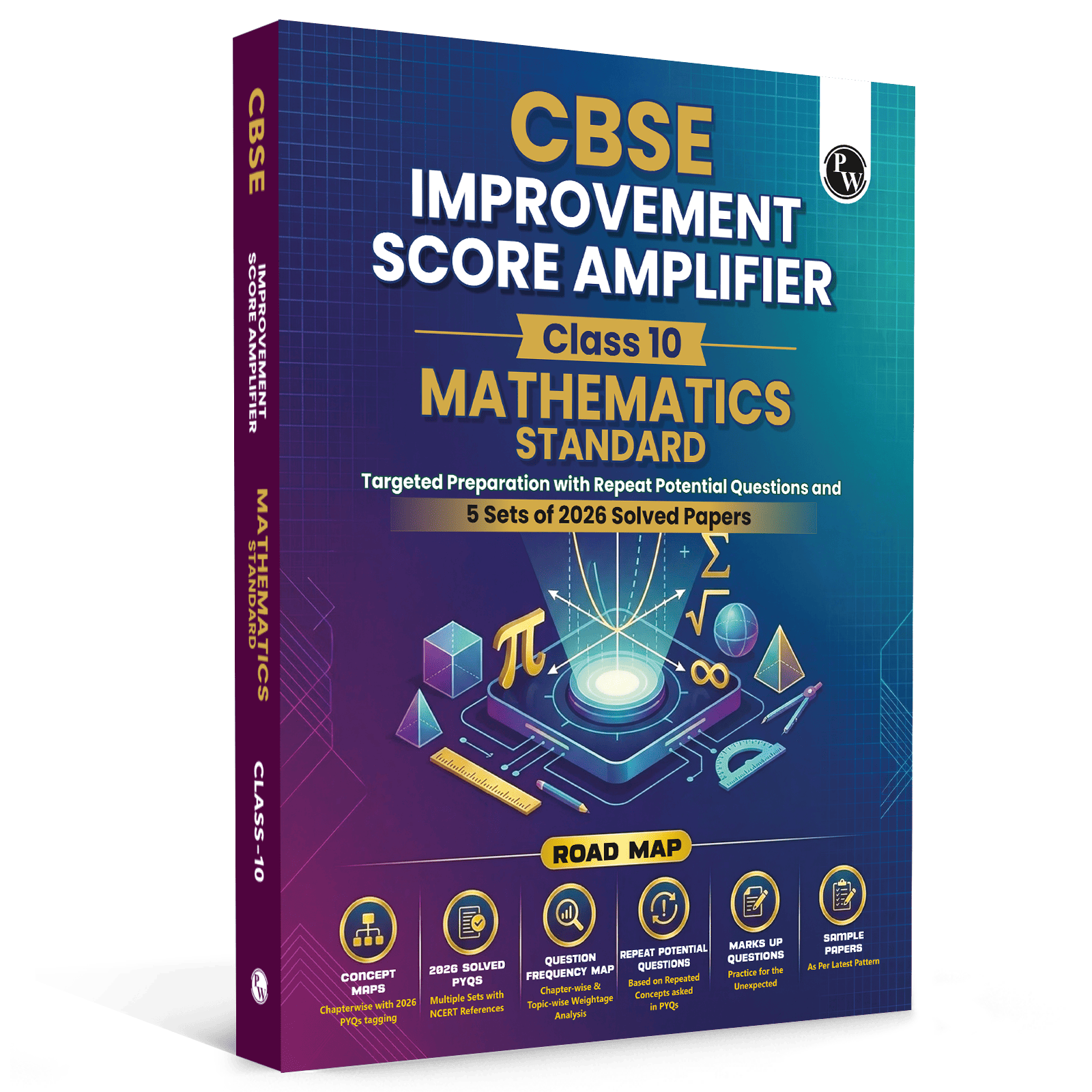
| CBSE Improvement Score Class 10 Maths For 2026 Improvement Board Exams | Link | |
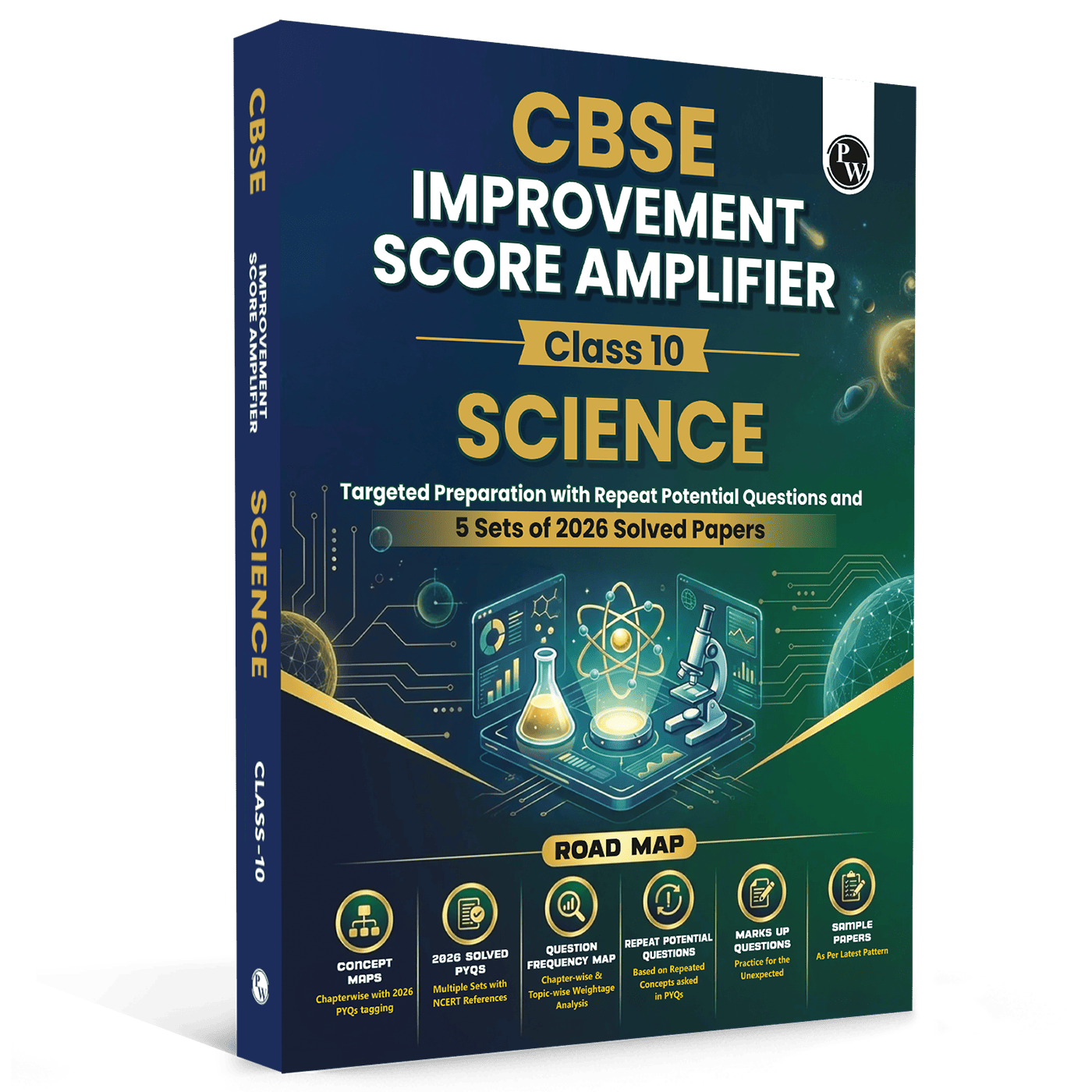
| CBSE Improvement Score Class 10 Science For 2026 Improvement Board Exams | Link | |
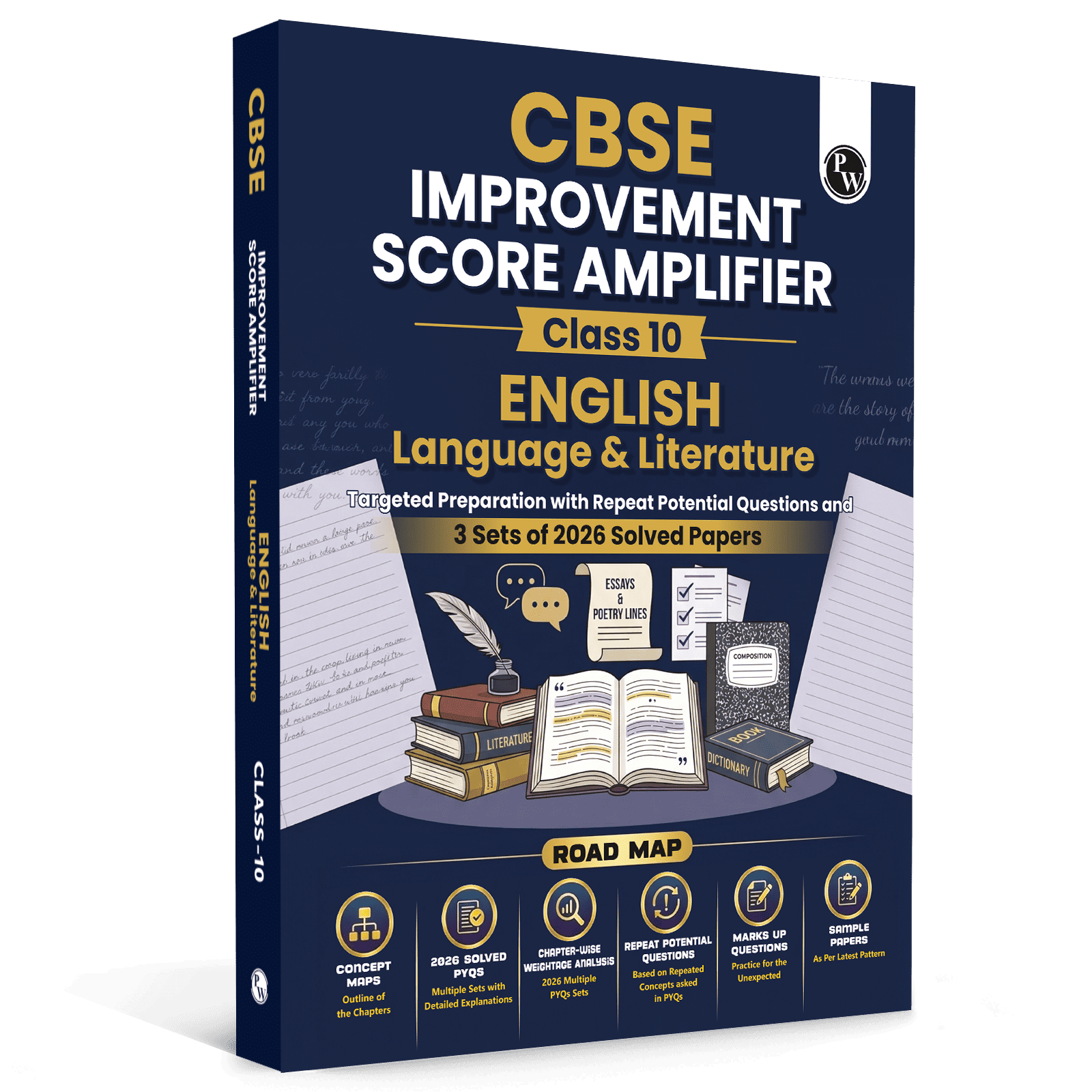
| CBSE Improvement Score Class 10 English For 2026 Improvement Board Exams | Link | |
| CBSE Improvement Score Class 10 Social Science For 2026 Improvement Board Exams | Link |
CBSE Improvement Exams FAQs
How many subjects can I take in the CBSE improvement exams 2026?
For Class 10, you can improve in up to 3 subjects in the same year. For Class 12, you are limited to 1 subject in the immediate July supplementary exam.
What if I score fewer marks in the improvement exam than in the original?
It follows the "Best of Two" rule. The board will consider the higher score between your original exam and the improvement exam for your final result.
Is the syllabus different for the improvement exam?
No, the syllabus and exam pattern remain exactly the same as the main board exams held in February/March of that academic session.
Can I apply for improvement if I have a compartment?
No. Improvement is only for students who have passed. If you failed in one or more subjects, you must first clear them through the compartment exam.
Will I get a combined mark sheet after the improvement exam?
No, CBSE typically issues a separate mark sheet for the improvement exam. You will need to present both the original and the improvement marksheets during your university verification process.