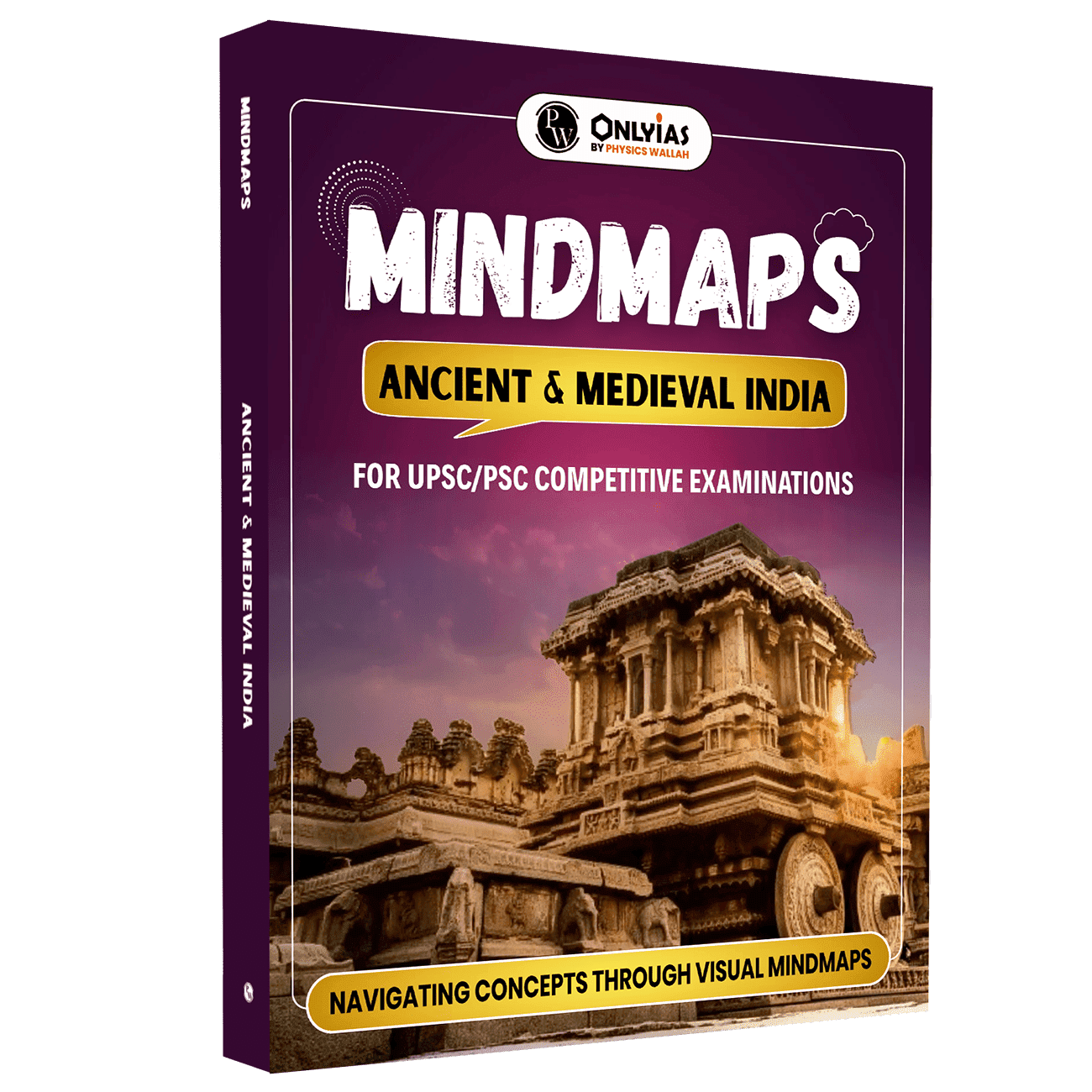
Who Needs a Dedicated UPSC History Mind Maps Book Versus Notes
Many candidates struggle to retain thousands of facts from ancient kingdoms, administrative reforms, and cultural movements. Traditional linear textual summaries often lead to information overload, leaving aspirants confused during exam conditions.
This comparative guide analyses whether a dedicated UPSC history mind maps book or conventional handwritten files best serve your preparation strategy. Knowing the difference between structured diagrams and bulky text helps streamline your studies, ensuring better retention of critical historical events.
Overview of UPSC History Mind Maps
A structural overview helps clarify how visual tools change your approach to historical data. Using a dedicated UPSC history mind maps layout shifts your focus from reading long narratives to identifying interconnected themes.
What Makes Up an Effective Visual Map?
Unlike endless paragraphs, these visual frameworks separate historical timelines into distinct branches. The core elements include:
-
Central Anchor Points: Every chart focuses on a major epoch, dynasty, or administrative framework.
-
Chronological Branches: Sub-topics extend radially to track progression, such as the decline of one empire leading to the rise of another.
-
Data Indicators: Specific symbols highlight architectural features, battle locations, or prominent literary works.
The syllabus is divided systematically to cover different eras efficiently. A high-quality UPSC mind map book splits the content into distinct sections:
-
Ancient India: Tracks development from the Indus Valley Civilisation, through the Vedic era, Mauryan rule, up to the Gupta dynasty.
-
Medieval India: Organises the administrative mechanisms of the Delhi Sultanate, the Mughal Empire, and regional kingdoms.
-
Art and Culture: Links cultural shifts directly to their respective political eras.
Why are UPSC History Mind Maps Different from Traditional Notes?
Conventional note-taking often results in copying text from standard books into notebooks. While this helps during initial reading, it fails to provide a quick overview before the examination. A dedicated visual layout removes extra filler words and presents only the essential keywords needed for active recall.
To make revision more efficient, aspirants can also use UPSC Revision Books, which organize important concepts in a concise and structured format. These resources reduce revision time, improve retention, and help candidates quickly revisit key topics during the final stages of preparation.
|
Feature |
Dedicated Mind Map Book |
Traditional Linear Notes |
|
Data Layout |
Radial and interconnected layouts |
Chronological sentences and long paragraphs |
|
Time Investment |
Ready-made maps save preparation time |
Takes hours to compile and write out |
|
Linkage Potential |
Highly contextual across dynasties |
Keeps political and cultural updates separate |
|
Fact Density |
High density using keywords and symbols |
Diluted by long descriptions |
|
Review Velocity |
Allows a full review within minutes |
Requires reading through multiple pages |
Benefits of UPSC History Mind Maps
Using non-linear study resources offers distinct advantages when trying to memorise historical facts. Visual layouts present complex historical timelines in an easy-to-digest format.
-
Better Visual Recall
The human brain processes visual structures much more quickly than dense text blocks. Using structured diagrams creates a clear mental layout that helps you remember specific details easily under exam pressure.
-
Rapid Revision Cycles
Going through a standard notebook can take hours before the exam. A structured layout condenses major historical eras into concise single-page views. This lets you complete your history revision for UPSC in a fraction of the time usually required.
-
Integrated Learning Approach
History questions often cross paths with art, culture, and economic developments. Visual diagrams naturally link these areas together. For example, a single page can connect the Mauryan administration directly with rock-cut architecture and trade routes, helping you build a comprehensive understanding.
Who Should Use UPSC History Mind Maps?
Not every candidate studies the same way, making it important to identify which category you fall into. Certain preparation styles benefit significantly from using structural books.
Visual Learners
If you remember diagrams, flowcharts, and geographic distributions better than plain text, a visual layout is highly beneficial. It turns abstract historical events into tangible patterns that are easier to recall.
Working Professionals and Time-Constrained Candidates
Aspirants who balance jobs or academic commitments often struggle to find time to make extensive notes. A ready-made UPSC ancient and medieval India diagram booklet provides instant access to structured material without requiring hours of manual synthesis.
Advanced Aspirants Facing Retention Issues
Aspirants who balance jobs or academic commitments often struggle to find time to make extensive notes. A ready-made UPSC ancient and medieval India diagram booklet provides instant access to structured material without requiring hours of manual synthesis. Solving UPSC PYQs alongside these resources allows faster revision and more targeted preparation.
When to Use UPSC History Mind Maps During Preparation?
Timing determines how effective any study tool will be. Using these visual tools at the wrong stage can reduce their overall utility.
1. During Initial Syllabus Completion
Do not replace standard textbooks with visual summaries on day one. Read the reference texts first to understand the context. Once you understand the narrative, look at the corresponding branch diagrams to consolidate the information.
2. Mid-Term Assessment Phase
Use these structural breakdowns when writing practice answers or taking weekly test series. They help you quickly check missing links in your arguments without needing to look through massive textbooks.
3. Pre-Exam Revision Windows
In the final weeks before both Prelims and Mains, you need to review huge amounts of data quickly. This is when visual diagrams become essential, allowing you to review entire centuries of socio-economic changes in a single study session.
Study Plan for Using UPSC History Mind Maps
To get the most out of these visual resources, you need to follow a deliberate, multi-step approach rather than just reading them passively. Combining this method with well-structured UPSC Books can make your preparation more organized and improve long-term retention.
Step 1: Active Scanning
Do not just look at the pages. Trace each connection with your finger or a stylus. Read the central theme first, then follow each sub-branch outward to understand the cause-and-effect relationships of historical events.
Step 2: Incorporating Additional Insights
Every aspirant has unique weak spots. Use sticky notes on your charts to add extra points from your test series. This transforms the pre-printed layout into a highly customized revision tool.
Step 3: Regular Active Recall Sessions
Close the booklet and try to recreate the central branches on a blank sheet from memory. Comparing your sketch to the actual page quickly highlights gaps in your knowledge, ensuring your ancient India mind maps and medieval India mind maps practice remains sharp.
Common Mistakes to Avoid While Using UPSC History Mind Maps
Avoid these common traps to ensure your visual study aids remain effective:
-
Treating Maps as a Primary Source: Skipping fundamental textbooks creates gaps in your understanding. Visual diagrams are meant to compress knowledge, not replace deep analysis.
-
Passive Scrolling and Reading: Looking at a chart like a picture book will not build strong memory connections. You need to engage actively by writing or explaining the points out loud.
-
Overcrowding Blank Spaces: Adding too much text defeats the purpose of a clean visual layout. Keep your annotations short and focused on key facts.
UPSC History Mind Maps FAQs
1. Can I rely only on UPSC history mind maps to clear the exam?
No, these tools are designed for revision and synthesis. You should use them alongside standard textbooks to build a strong conceptual foundation before using the maps for quick review.
2. How do ancient India mind maps assist in solving tricky Prelims questions?
Prelims questions often test chronological order and unique terminology. Visual layouts isolate these specific keywords and dynasties, making it easier to eliminate incorrect options under exam pressure.
3. Do medieval India mind maps cover administrative terms?
Yes, high-quality visual books systematically map out complex administrative, agrarian, and military terms from the Delhi Sultanate and Mughal eras, linking them directly to their respective rulers.
4. Should I buy a UPSC mind map book if I already have handwritten notes?
If your personal notes are bulky or unstructured, a dedicated printed book offers a cleaner, more professional layout that can save you significant time during quick revision cycles.