When February 2026 Monthly Current Affairs should fit into UPSC Revision Schedule
A common issue for candidates is deciding when to incorporate monthly compilations into their study plan without overwhelming their weekly routines. If you ignore these summaries for too long, a backlog builds up right before the exams.
Integrating the UPSC current affairs February resources correctly helps you maintain continuity. This article explains how to build a mid-term revision schedule that incorporates the February events smoothly, ensuring you cover both Prelims data points and Mains analytical perspectives systematically.
What Is UPSC Current Affairs February?
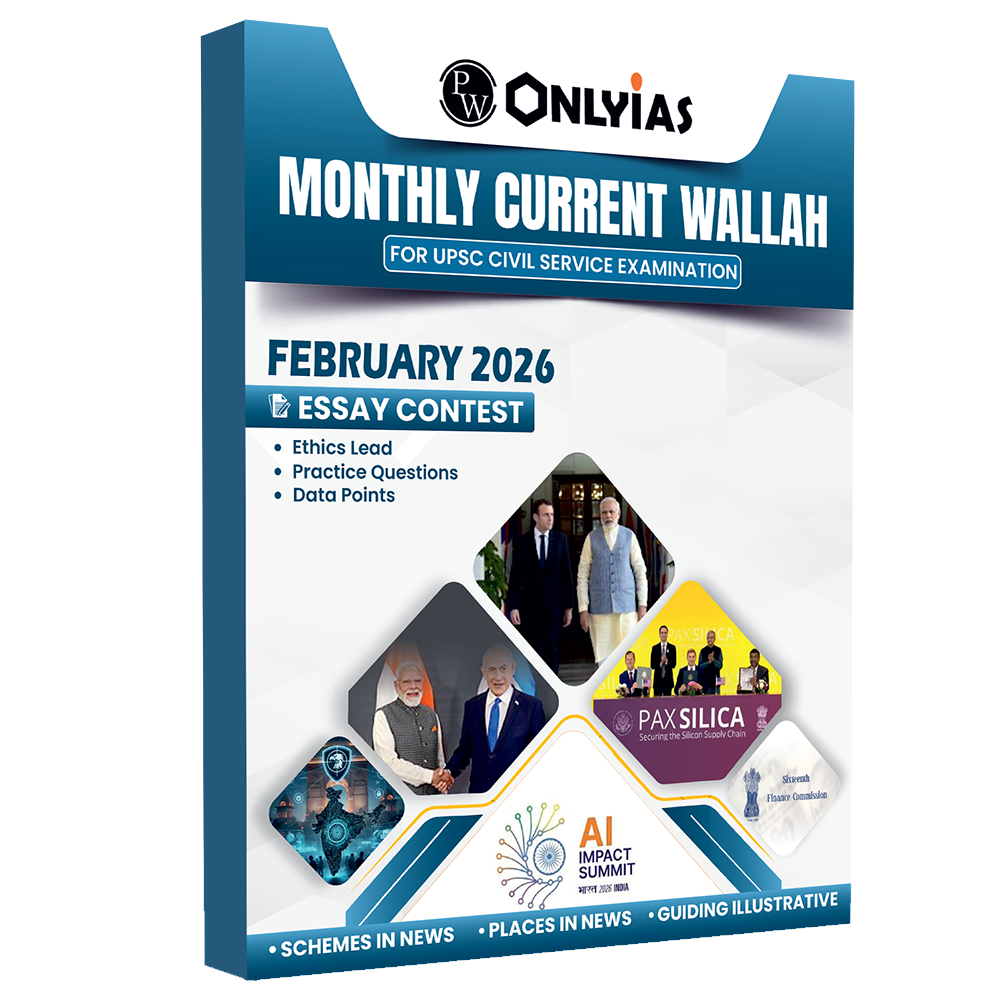
The UPSC current affairs February refers to the comprehensive collection of national and international events, government policies, and socio-economic developments that occurred during the second month of the year. For an aspirant, this involves studying curated modules that align directly with the civil services syllabus.
A dedicated compilation for this month focuses on crucial segments required for the Civil Services Examination. The core areas usually include:
-
Editorial Analysis: Detailed evaluation of editorial topics from leading newspapers to build analytical arguments.
-
Government Schemes: New policies, changes in existing programmes, and budgetary allocations announced during the month.
-
International Relations: Bilateral meetings, global summits, and geopolitical developments affecting regional security.
-
Economy and Environment: Crucial macroeconomic indicators, environmental conservation acts, and climate change summits.
-
Ethics and Essay: Real-life examples, case studies, and structured essay contests designed to enhance writing skills.
Why UPSC Current Affairs February Should Be Added to the Revision Plan?
Failing to include the UPSC current affairs February in a structured timeline will lead to sub-optimal retention. The month of February is structurally important because it usually includes major economic announcements, such as the Union Budget and Economic Survey highlights, which heavily influence the examination questions.
Integrating this dynamic content into your schedule offers distinct advantages:
-
Structured Format: Monthly materials provide a highly structured and exam-oriented layout that simplifies complex national news.
-
Multidimensional Perspectives: Candidates gain research-backed arguments that strengthen answers for the civil service's main examination.
-
Exam-Oriented Tools: Compilations bring together UPSC Previous Year Questions (PYQs), Multiple Choice Questions (MCQs), and probable questions to enhance accuracy under exam conditions.
-
Crisp Summaries: Short revision notes and highlighted sections allow candidates to review crucial facts swiftly.
When to Read UPSC Current Affairs February for the First Time
Timing your first reading ensures you do not forget the details before your mock tests begin. Certain specialized resources are released earlier than standard magazines, giving candidates extra days for strategic preparation.
The ideal windows for reading are:
-
Immediate Phase (Days 1 to 10 of March): Start your first thorough reading as soon as the monthly compilation becomes available. This ensures the newspaper context from February is fresh in your mind.
-
Note-Making Phase (Mid-March): Use this period to extract micro-notes or add pointers directly into your static subject folders.
-
The Mid-Term Consolidation Window: Dedicate the final week of March to revising the facts collected from the current affairs February 2026 compilations to seal structural loopholes.
How to Use UPSC Current Affairs February
To maximize the utility of your UPSC current affairs February documents, you must shift from passive reading to active implementation. Simply highlighting text rarely translates into high scores in the actual exam rooms.
Follow this systematic framework for study:
-
Map with the Syllabus: Check every article against the official civil services prelims and mains syllabus to filter out redundant political news.
-
Leverage Visual Aids: Use infographics, maps, flowcharts, charts, and illustrations found in the text to understand complex geopolitical boundaries or economic cycles.
-
Utilise Diverse Sources: Ensure your study tracks credible sources like the Press Information Bureau (PIB), Yojana, Kurukshetra, and leading national newspapers.
-
Practice Ethics Case Studies: Incorporate the real-life examples from the month to strengthen your answers for General Studies Paper IV.
Benefits of UPSC Current Affairs February
Using a dedicated tracking system for your UPSC current affairs February updates provides multiple structural benefits to your overall rank preparation.
The key benefits include:
-
Time Advantage: Early access to compiled news provides extra time for revision, note-making, and structural answer practice.
-
Analytical Depth: It moves your preparation beyond the news, helping you understand the background, long-term impact, and relevance of events instead of just memorising headlines.
-
Flexible Formats: Modern resources are available in both print and digital formats, allowing you to study anytime and anywhere.
-
Self-Evaluation: Regular exercises and "Test Yourself" modules ensure continuous assessment of your learning curve.
Study Strategy Plan with UPSC Current Affairs February
A structured schedule prevents panic and ensures uniform coverage of the monthly current affairs for UPSC. Use the table below to schedule your weekly hours effectively:
|
Week No. |
Primary Revision Focus |
Learning Aid to Use |
Evaluation Goal |
|
Week 1 |
Economy, Schemes, and Budgetary updates |
Flowcharts and Tables |
Solve 20 Sectional MCQs |
|
Week 2 |
International Relations and Environment |
Maps and Geographic Charts |
Map-based marking exercises |
|
Week 3 |
Polity, Governance, and Social Issues |
Infographics and Crisps Summaries |
Write 2 Mains-style answers |
|
Week 4 |
Ethics Case Studies and Essay Themes |
Real-life examples |
Participate in Essay Contests |
This continuous method guarantees that your current affairs preparation for UPSC stays on track without taking away time from your core static subjects like History or Polity.
Common Mistakes to Avoid While Using UPSC Current Affairs February
When organizing your UPSC current affairs February schedule, avoid these common procedural errors that many candidates make during their mid-term preparation cycle:
-
Delaying the First Read: Postponing the February compilation until the final weeks before the prelims creates an unmanageable backlog.
-
Relying Solely on Rote Memorisation: Memorising headlines without understanding the structural background or long-term socio-economic impact reduces answer quality in the Mains.
-
Neglecting the Practice Questions: Skipping the integrated MCQs and mock tests provided at the end of the chapters limits your analytical accuracy.
-
Ignoring the Static Link: Failing to connect a February environmental treaty or economic policy back to your basic textbook concepts makes the information harder to recall.
-
Using Too Many Sources: Gathering multiple commercial compilations for the same month leads to information overload and leaves less time for writing practice.
By adjusting your calendar to review your UPSC prelims current affairs updates incrementally, you protect your static revision hours while building a strong database of dynamic examples.
Read More: List of Important Days and Dates in 2026
UPSC Current Affairs February FAQs
When should I start revising the UPSC current affairs February compilation?
You should start your first review during the first week of March when the monthly magazine becomes available. Follow this up with a second review in mid-April to ensure long-term retention.
How do visual aids help in remembering the current affairs February 2026 events?
Infographics, maps, flowcharts, and charts break down complex socio-economic datasets and international border conflicts, making them easier to recall during exams.
Can I rely only on monthly current affairs for UPSC to clear the exam?
No, monthly compilations complement your daily newspaper reading. They help streamline your current affairs preparation for UPSC by summarizing key facts and providing mock questions.
How do I use the February ethics case studies in my main exam?
Look for real-life examples and case studies in the UPSC current affairs February materials. Incorporate these directly into your General Studies Paper IV answers to gain a competitive edge.