How to Prepare Economics for UPSC Exam?
How to Prepare Economics for UPSC Exam: The Union Public Service Commission (UPSC) conducts the Civil Services Examination every year to recruit candidates for prestigious posts such as IAS, IPS, IFS, and more. This highly competitive exam is conducted in three stages: Preliminary, Mains, and the Personality Test (Interview). While the Prelims consist of two objective-type papers, the Mains includes nine descriptive papers, covering various of subjects. Among these, Economics plays a crucial role, especially in General Studies Paper III, and is also a popular optional subject due to its relevance in governance, policymaking, and current affairs.
Questions from Economics appear in both static and dynamic formats, and understanding key concepts like inflation, GDP, budgeting, monetary policy, and government schemes is vital for scoring well. With the right preparation strategy, this subject can be both scoring and insightful. If you're wondering how to prepare effectively for this section, check out the detailed guide below to understand the syllabus, key topics, and expert tips on how to prepare Economics for UPSC.\
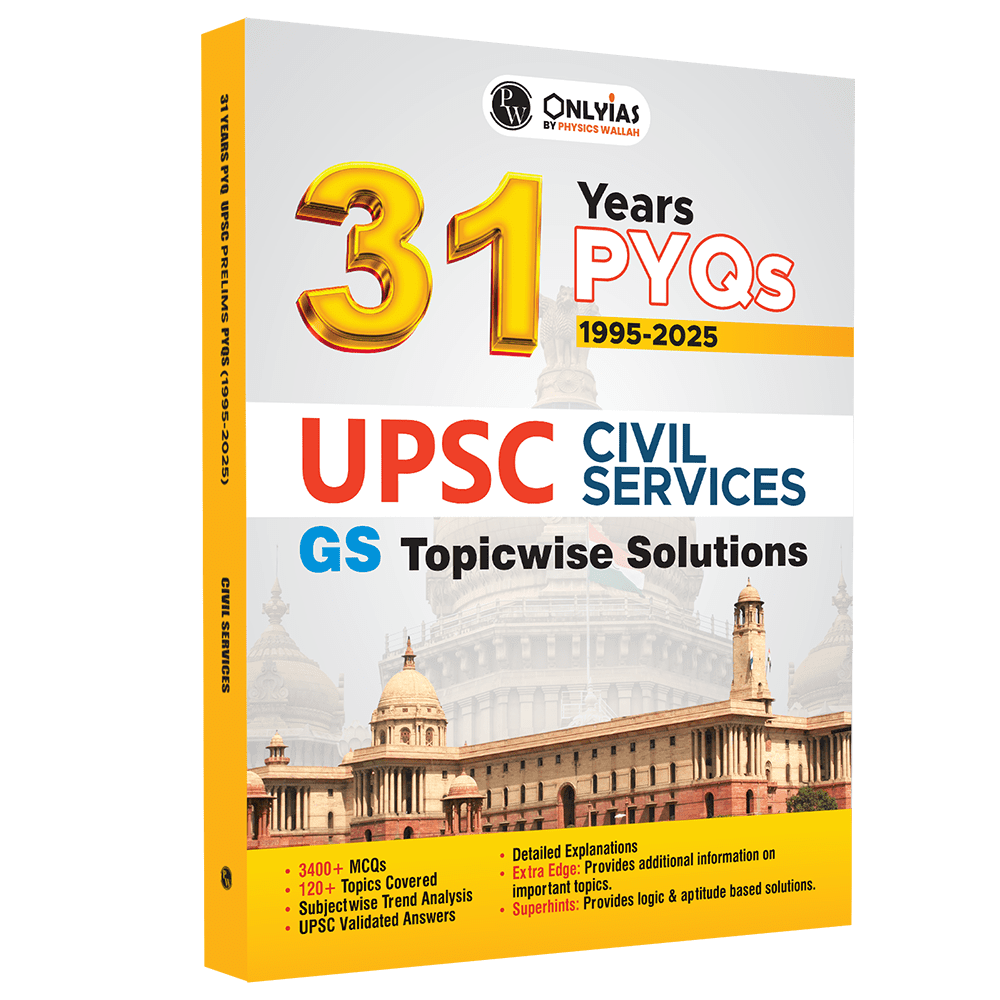
Check Out - UPSC Books
UPSC Exam Pattern
Understanding the detailed UPSC exam pattern is the first step toward effective preparation, as it helps aspirants align their study strategy with the demands of each paper. Check out the UPSC Exam Pattern:-
|
Stage |
Paper |
Type |
Total Marks |
Economics Coverage |
|
Prelims |
General Studies Paper I |
Objective (MCQs) |
200 |
15–20 questions on economy: basic concepts, govt schemes, Budget, Economic Survey |
|
Mains |
GS Paper III |
Descriptive |
250 |
Indian Economy, planning, budgeting, growth, inclusion, agriculture, reforms |
|
Mains |
Economics Optional Paper I |
Descriptive |
250 |
Microeconomics, Macroeconomics, Money & Banking, International Trade |
|
Mains |
Economics Optional Paper II |
Descriptive |
250 |
Indian Economy post-1947, Development Economics, Public Finance, Environmental Econ. |
|
Interview |
Personality Test |
Oral (Discussion) |
275 |
Questions may include opinions on current economic issues, reforms, policy suggestions |
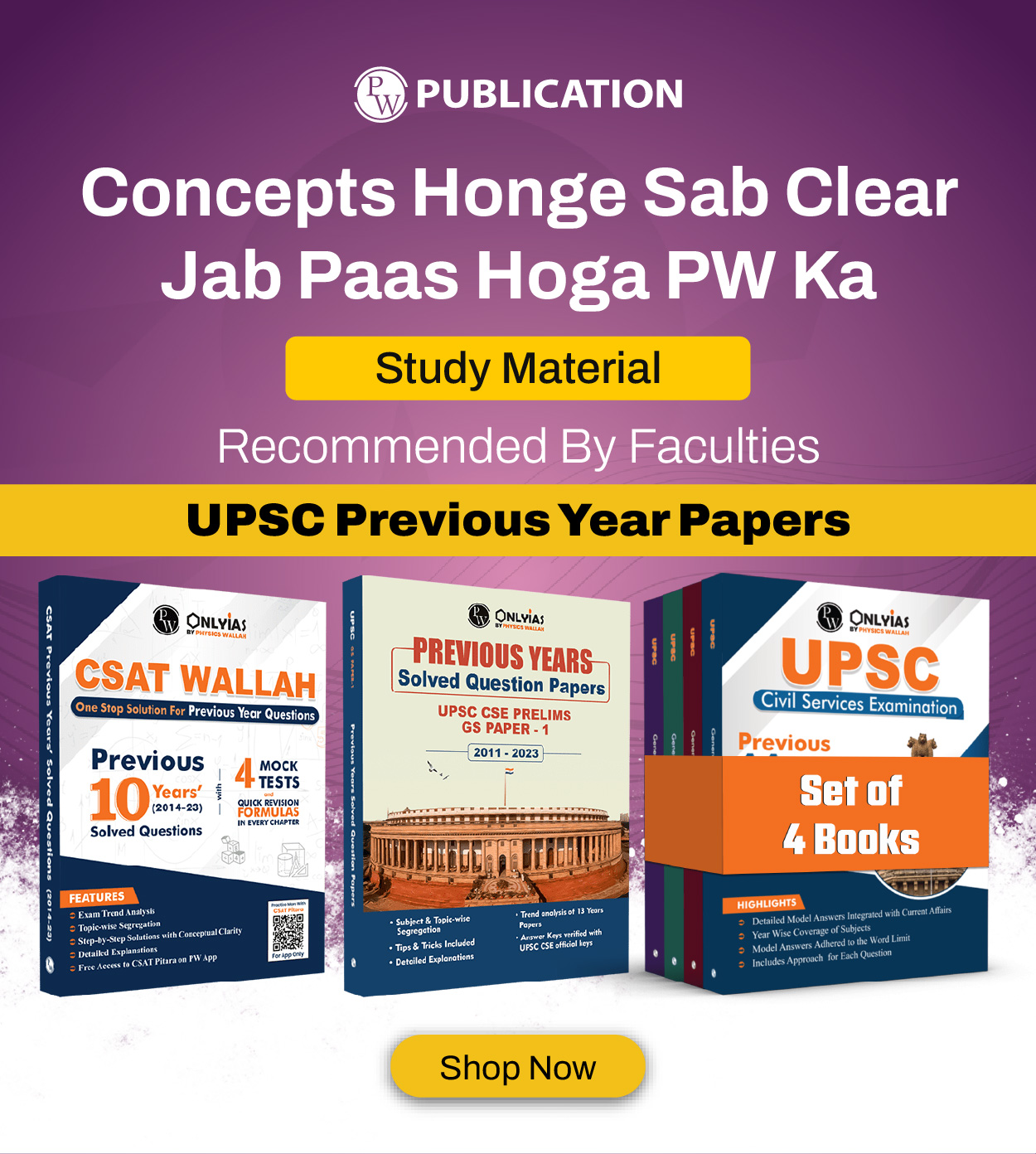
Check Out - UPSC Previous Year Papers
Important Topics for UPSC Economics
When it comes to the Civil Services Examination, Economics is one of the most important subjects that aspirants need to prepare thoroughly. Whether for Prelims or Mains, this subject is known to test not only your theoretical understanding but also your understanding of current economic developments. The economic syllabus for UPSC covers a wide spectrum, from fundamental topics like GDP, inflation, and fiscal policy to complex issues like banking reforms, budgeting, and international trade.
For those wondering how to prepare Economics for UPSC, the key lies in building a strong base with NCERTs and standard reference books, while staying consistently updated through newspapers, the Economic Survey, and government publications. Whether you're preparing for the General Studies papers or have chosen UPSC Economics as an optional subject, it’s essential to follow a well-planned and topic-wise approach. The table below highlights the most important topics you should focus on while preparing for Economics in UPSC.
|
Category |
Topic |
Relevance |
|
Basic Concepts |
GDP, GNP, NNP, Inflation, Deflation, Recession |
Prelims + Mains |
|
Banking |
RBI, Monetary Policy, Repo Rate, CRR, SLR |
Prelims + Mains |
|
Public Finance |
Budget, Fiscal Policy, Deficit types, FRBM Act |
Mains (GS Paper III) |
|
Taxation |
Direct and Indirect Taxes, GST, Tax Reforms |
Prelims + Mains |
|
Economic Planning |
Five-Year Plans, NITI Aayog, Planning Models |
Mains |
|
External Sector |
Balance of Payments, FDI, FII, Exchange Rate, Forex Reserves |
Prelims + Mains |
|
Poverty and Unemployment |
Poverty Line, Types of Unemployment, Schemes |
Mains (GS Paper II & III) |
|
Inclusive Growth |
Financial Inclusion, SHGs, JAM Trinity, Direct Benefit Transfer |
Mains |
|
Infrastructure |
Energy, Transport, Communication, Investment Models |
Mains |
|
Agriculture Economics |
MSP, APMC, Crop Insurance, Farm Bills, Agri Credit |
Prelims + Mains |
|
Industry and Services |
MSMEs, Industrial Policy, Startups, Ease of Doing Business |
Mains |
|
Environment & Economics |
Sustainable Development, Green GDP, Climate Finance |
Mains |
|
Current Affairs |
Economic Survey, Union Budget, Reports by IMF, World Bank, WTO |
Prelims + Mains |
|
Economics Optional (if taken) |
Micro & Macro Economics, International Economics, Indian Economy, Stats |
Optional Paper I & II |
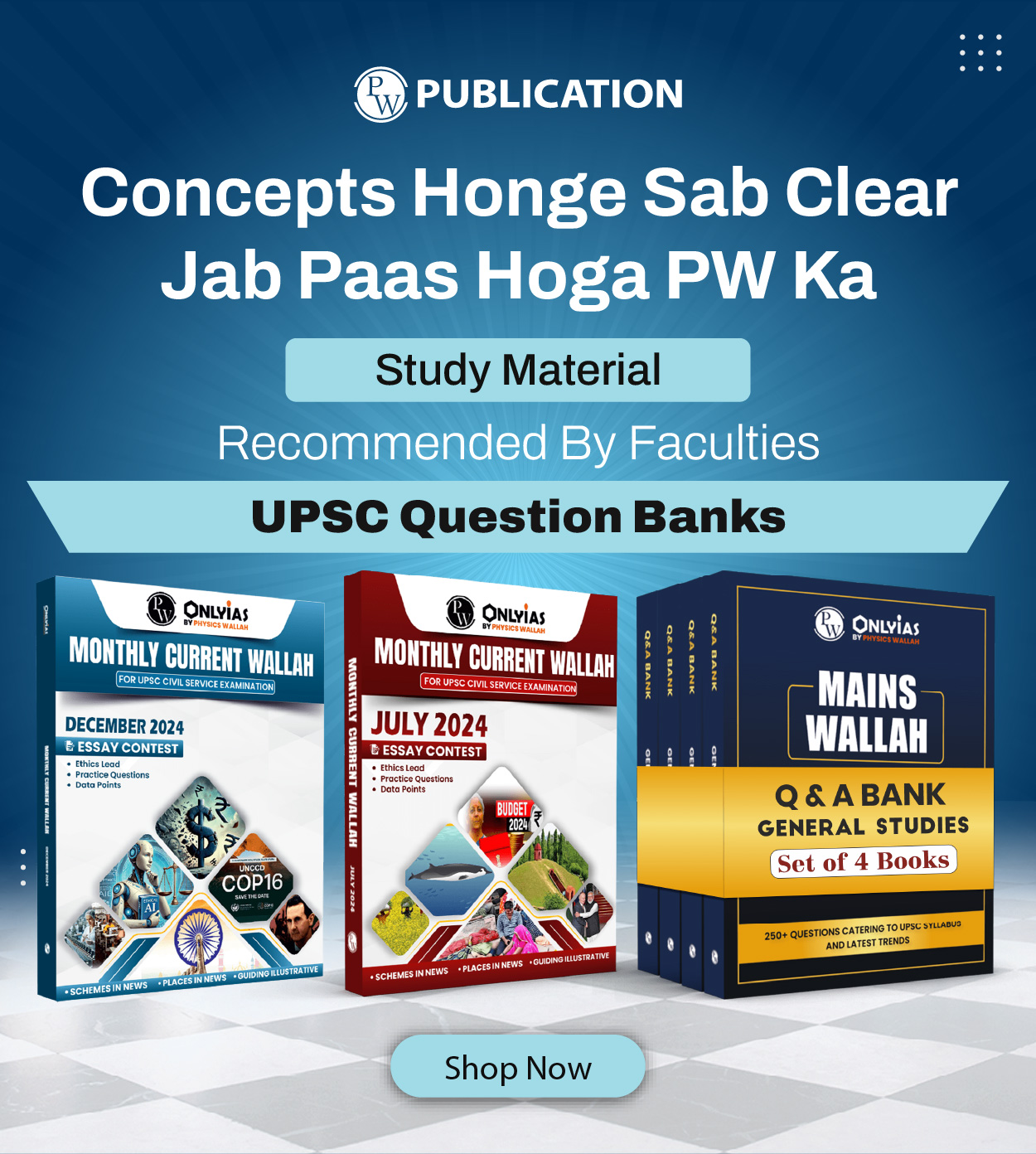
Check Out - UPSC Question Bank
How to Prepare Economics for UPSC Exam?
1. Understand the Economic Syllabus for UPSC
Before jumping into books or resources, you must have a clear understanding of the economy syllabus for UPSC. The syllabus differs slightly across the Prelims, Mains, and Optional papers.
While the Prelims focus more on fundamental concepts and current affairs, the Mains tests your analytical ability and understanding of government policies, budgeting, and economic reforms. Below is a structured table that outlines the economic syllabus for UPSC across various stages of the examination:
|
Stage |
Focus Areas |
|
Prelims (GS I) |
Basic economic concepts (GDP, inflation, fiscal policy), economic development, government schemes, Economic Survey, Budget, current economic events |
|
Mains (GS III) |
Indian Economy, resource mobilisation, planning, growth, inclusive development, budgeting, agricultural and industrial reforms, infrastructure, liberalisation |
|
Optional Paper I |
Microeconomics, Macroeconomics, Banking, International Trade, Public Finance |
|
Optional Paper II |
Indian Economy since Independence, Development Economics, Planning, Globalisation, Environmental Economics |
Check Out - UPSC Current Affairs
2. Start with NCERTs
A good preparation strategy begins with the right study materials. For Economics, the NCERT textbooks are the most recommended starting point. They offer clarity, structure, and accurate foundational knowledge, perfect for beginners and even those with a background in the humanities. If you’re serious about mastering UPSC Economics, begin by covering these NCERTs:
-
Class 9 & 10 – Covers basic economic concepts in simple language (Ideal for absolute beginners)
-
Class 11: Indian Economic Development – Introduces planning, reforms, and key features of India’s economy
-
Class 12: Introductory Macroeconomics – Covers GDP, national income, money and banking
-
Class 12: Introductory Microeconomics – Helps understand demand-supply, pricing, and consumer behaviour
3. Start with Basic Concepts First
Begin your preparation by focusing on fundamental terms, GDP, inflation, demand-supply, fiscal deficit, etc. These are the building blocks of UPSC economics questions. Read NCERTs first and make concise notes on definitions, types, and examples.
Make sure you understand how the Indian economy works, how government earns and spends, how money circulates, how interest rates are fixed, and what inflation means. These basic concepts often appear directly or indirectly in both Prelims and Mains.
4. Make Short Notes for Revision
As you progress, start compiling your notes. Try to categorise your notes under headings like "Banking," "Budgeting," "Inflation," "Schemes," etc. Include definitions, examples, relevant government schemes, and any recent developments from newspapers.
This habit will help you revise faster and recall more. These notes will also become your go-to resource for last-minute revision before exams.
5. Link Static with Current Affairs
A key part of how to study Economics for UPSC is to stay updated with current developments. Economic concepts are often tested through current events. For example, understanding the fiscal deficit will help you analyse the latest Union Budget.
Use newspapers like The Hindu or Indian Express, and refer to PIB or government portals for schemes and policy updates. Try to connect static concepts with real-world events.
6. Practice Mains Answer Writing
For Mains, writing practice is non-negotiable. Economics questions in GS Paper III require a structured answer with an introduction, main body (with subheadings or examples), and a strong conclusion.
Try to include:
-
Recent data (from Budget or Economic Survey)
-
Keywords and terms from the syllabus
-
Real-life examples or government initiatives
-
Short diagrams or flowcharts where applicable
-
Practice writing at least one economics answer every few days, and review it critically or with guidance.
7. Revise Regularly and Attempt Mock Tests
Your preparation isn’t complete without revision. Dedicate one day a week just to revise the topics you've covered. Go back to your NCERT notes, read highlighted parts again, and solve objective-type questions for Prelims.
Take full-length mock tests to simulate exam pressure and build confidence. Review your mistakes and improve your weak areas.
Read More - How Many Attempts for UPSC? Total Attempts for All Category
FAQs
Q1. How to study Economics for UPSC as a beginner?
Ans: Start with NCERTs from Class 9 to 12 to build your foundation. Focus on understanding key terms like GDP, inflation, and fiscal policy.
Q2. What is the economic syllabus for UPSC Prelims and Mains?
Ans: The economic syllabus for UPSC Prelims includes basic concepts, government schemes, Budget, and current economic issues. In Mains (GS Paper III), it includes Indian Economy, growth, planning, budgeting, reforms, and inclusive development.
Q3. Are NCERT books enough for UPSC economics preparation?
Ans: Yes, NCERTs provide a solid base for conceptual clarity, especially for Prelims and GS Mains. They are highly recommended as the first step. For current affairs, use newspapers and the Economic Survey.
Q4. How important is Economics in the UPSC exam?
Ans: Economics is crucial for both Prelims and Mains. Around 15–20 questions in Prelims are from this area. In Mains, GS Paper III covers economic development, budgeting, and reforms.
Q5. How to prepare Economics for UPSC Mains?
Ans: Read NCERTs, keep track of current economic issues, Budget, and Economic Survey. Practice answer writing by analysing recent developments and linking them with static topics.