How to use the 5 Years UPSC EPFO CDS CAPF PYQ for EPFO Assistant Commissioner Exam
Many candidates struggle to understand how questions are structured, since standard civil services mock tests often focus on a completely different testing pattern. To overcome this hurdle, practicing questions from multiple recruitments conducted by the same commission is highly effective.
Utilizing a consolidated repository like the UPSC EPFO CDS CAPF PYQ helps you identify common question styles and deepens your understanding of evolving exam trends.
What is UPSC EPFO CDS CAPF PYQ?
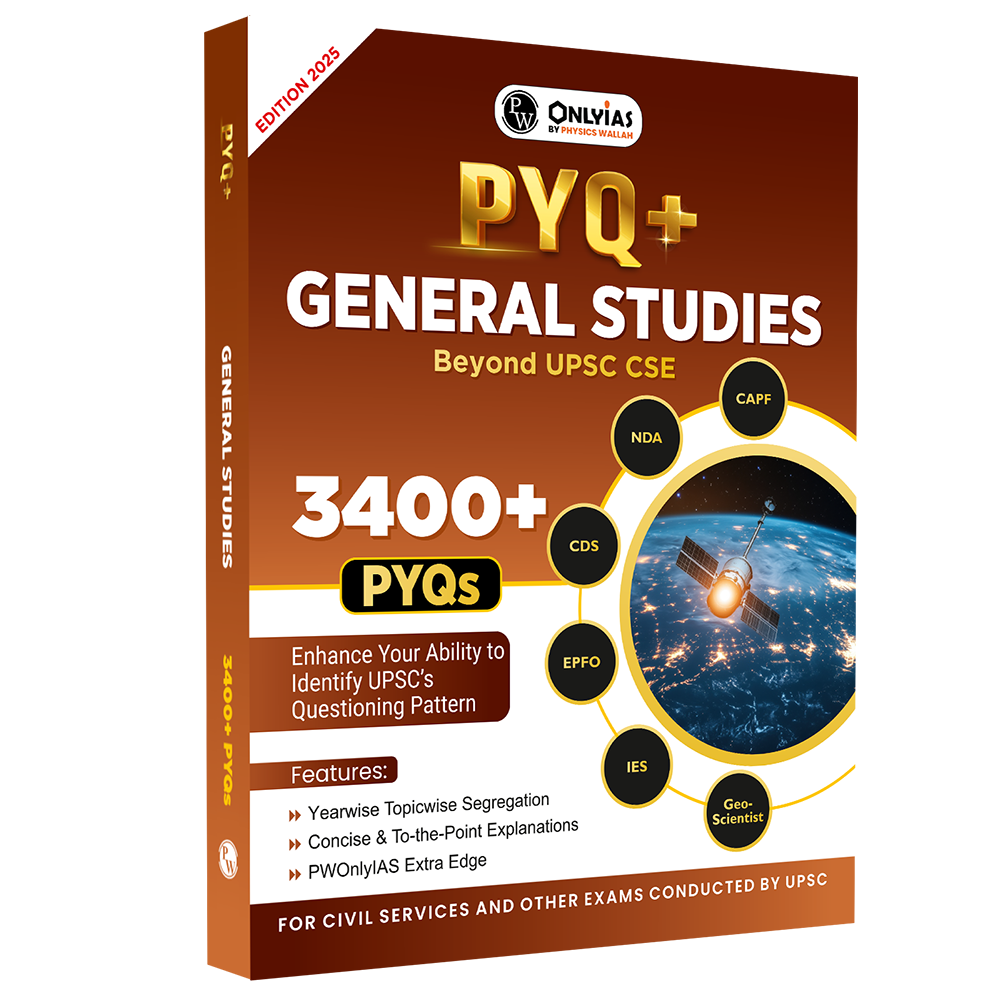
The UPSC EPFO CDS CAPF PYQ represents a curated compilation of authentic previous year questions extracted from prominent examinations managed by the commission. Instead of limiting practice solely to the Civil Services Examination (CSE), this comprehensive resource assembles general studies papers from diverse streams.
It brings together targeted questions from the Central Armed Police Forces (CAPF), Combined Defense Services (CDS), National Defense Academy (NDA), and EPFO itself, alongside specialised papers like the Engineering Services Examination (IES) and Geoscientist tests.
By consolidating more than 3400 previous year questions spanning the years 2020 to 2025, this collection establishes a highly structured and exam-oriented repository. It contains essential questions across core subjects such as History, Polity, Economy, Geography, Environment, and General Science.
Features of the UPSC EPFO CDS CAPF PYQ
A proper evaluation compilation must have structured features that make your self-study routine efficient and straightforward. This specific question pool brings several structural benefits to the table.
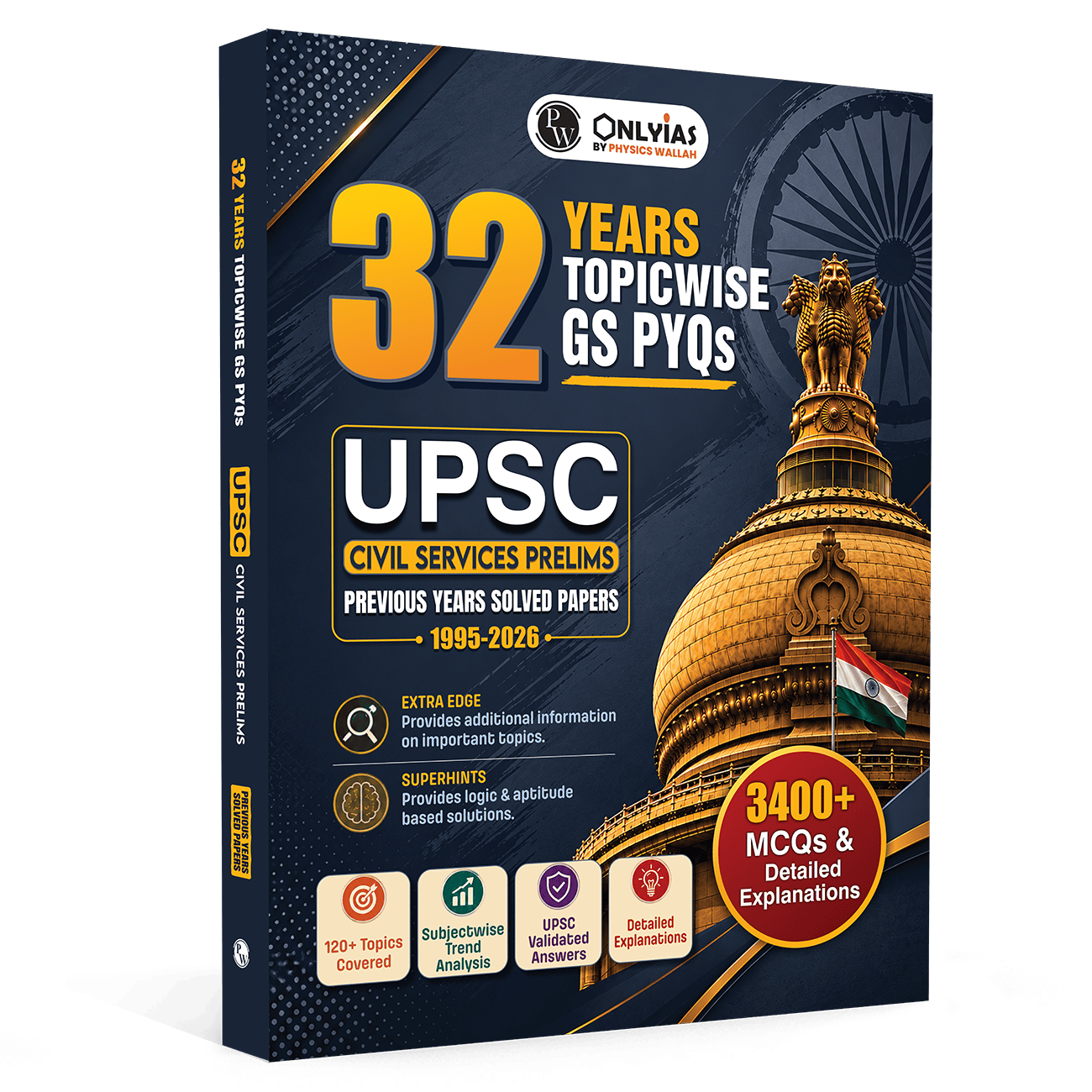
By integrating UPSC Previous Year Papers into your preparation strategy, you can move beyond passive learning and develop a more exam-oriented approach. Previous year papers help aspirants understand question trends, improve topic prioritisation, and build familiarity with the actual exam pattern.
These structured resources also support better revision, strengthen analytical thinking, and make self-evaluation more effective throughout the preparation journey.
-
Topic-Wise and Year-Wise Segregation
Questions are not thrown together randomly. They are arranged systematically by year and segregated topic-wise to allow for focused preparation. If you finish reading a single chapter in Indian Polity, you can immediately open this bank and practice all relevant questions asked in the CAPF or CDS papers from recent years.
-
Option-Wise Detailed Explanations
True mastery requires knowing why an option is right and exactly why the remaining choices are incorrect. Every question comes with a clear option-wise reasoning breakdown. This structural design builds better elimination skills and eliminates any need to check multiple textbooks for cross-verification.
-
Integrated Visual Learning Aids
Complex topics in Geography, Science, and Environment become much easier to remember when paired with visual layouts. The inclusion of maps, flowcharts, historical diagrams, and information tables simplifies technical items, ensuring better long-term retention during stressful exam scenarios.
Why UPSC EPFO CDS CAPF PYQ Is Useful for EPFO Assistant Commissioner Preparation?
Relying exclusively on mainstream civil service guides can leave major gaps when preparing for the Assistant Commissioner role. The exam style for enforcement and administrative positions follows a different distribution of marks and structural formatting.
-
Aligned Question Framing: The commission employs a similar question-drafting team for recruitment tests like CAPF, CDS, and EPFO, making the underlying conceptual logic identical across these papers.
-
Excellent Revision Source: This compilation serves as an optimal UPSC GS PYQ book option because it allows aspirants to check their hold over non-traditional areas like industrial growth, demographic changes, and general mental ability.
-
Option Elimination Practice: Since the commission creates complex options to test analytical skills, working through a mixed repository helps you train your mind to look for subtle hints and factual anomalies.
-
Broadening Subject Scope: Working with this database prevents you from over-studying hyper-detailed, mains-oriented concepts while keeping your focus firmly on objective fact verification.
Benefits of Using UPSC EPFO CDS CAPF PYQ
Using a tailored UPSC PYQ book specifically designed for non-CSE exams provides distinct advantages that traditional prep material lacks.
|
Benefit Category |
Impact on EPFO Preparation |
|
Familiarity with Patterns |
Helps candidates track exactly how the commission alters options and modifies traditional static questions. |
|
Syllabus Mapping |
Enables you to filter high-yield general studies areas without getting lost in vast textbook chapters. |
|
Factual Accuracy |
Develops a strong habit of verifying small historical data points and constitutional sub-clauses. |
|
Optimised Speed |
Simulates exact exam conditions, helping candidates read and solve questions under tight time pressures. |
Investing your energy in a targeted PW UPSC PYQ book option helps you build a solid foundation. It bridges the gap between basic reading and real-time question solving by showcasing the precise depth needed for each general studies module.
How to Use UPSC EPFO CDS CAPF PYQ?
To extract the highest value from your UPSC EPFO CDS CAPF PYQ resource, you must follow a methodical and intentional study plan rather than scanning pages casually.
-
Isolate by Module: Begin your session by picking one specific section, such as Modern Indian History or Economy.
-
Solve Blindly: Attempt a set of 25 to 30 questions from a recent year without looking down at the solutions or analytical hints.
-
Analyse the Incorrect Attempts: Check the option-wise explanations for every wrong answer. Note down whether the error happened due to a conceptual gap, poor question reading, or faulty guessing.
-
Study the Correct Answers Too: Read the explanations for questions you answered correctly. You will often discover a quicker logic or an extra factual point that adds to your notes.
-
Build a Revision Log: Extract the special expert tips and visual details into a dedicated revision notebook for your final week prep.
Using a comprehensive UPSC Prelims PYQ book layout as an active evaluation tool ensures your readiness moves along in parallel with the actual standards of the test.
When to Start Solving UPSC EPFO CDS CAPF PYQ?
Timing your preparation steps dictates how well you internalize complex material. Do not leave the UPSC EPFO CDS CAPF PYQ compilation for the absolute end of your preparation journey.
-
Phase 1 (The Beginning): Before opening any standard textbook, read through the last two years of EPFO and CAPF papers. This step lets you understand the nature of the exam and prevents you from wasting energy on irrelevant details.
-
Phase 2 (The Intermediate Stage): Use the book regularly alongside your daily reading. Treat each topic-wise block as a mini-test to confirm whether your primary study source covers everything adequately.
-
Phase 3 (The Advanced Stage): Around two months before the examination date, use the year-wise layout to solve complete papers under strict time constraints. This develops the mental stamina required on test day.
Check Out: UPSC Revision Books
Study Plan for Using UPSC EPFO CDS CAPF PYQ
Integrating this question bank into your primary routine demands a smart structural balance between reading static data and practicing application skills.
Step 1: Establish the Baseline Knowledge
Read your standard educational text or reference sheets for a targeted segment. For instance, complete the fundamental rights section in polity or national income accounting in economics.
Step 2: Cross-Reference with Diverse Exams
Open the PYQ GS 1 UPSC section within your compilation. Check how questions on fundamental rights were framed in the CDS exam versus how they appeared in the CAPF or EPFO papers. This step trains your mind to look at a single topic from multiple angles.
Step 3: Extract Visual Data
Pay special attention to the maps, diagrams, and summary tables provided in the solutions. These visual learning elements are highly effective for rapid review sessions right before the test date.
Step 4: Track Evolving Weightage
Observe how the mix between basic static facts and dynamic current themes changes from 2020 to 2025. This lets you align your preparation with the newest trends set by the commission.
Common Mistakes to Avoid While Using UPSC EPFO CDS CAPF PYQ
Even with an excellent UPSC GS paper 1 PYQ repository at your disposal, faulty study habits can severely limit your progress.
-
Memorising Answers Directly: The goal is to understand the core concept and option-building logic, not to simply memorize the correct option letter.
-
Skipping the Explanations: Many students check if their answer is correct and skip reading the detailed solution. This habit causes you to miss out on valuable context and extra data points.
-
Isolating EPFO Questions: Avoiding the CDS or CAPF papers simply because of their names is a critical error. The general studies syllabus overlaps significantly, and the commission frequently repurposes question formats across these exams.
-
Ignoring Repeated Misconceptions: Failing to maintain a central record of your recurring errors ensures you will likely make those same slip-ups during the final exam.
Read More: Most Important Topics for UPSC Prelims and Mains Exam
UPSC EPFO CDS CAPF PYQ FAQs
Can solving CAPF and CDS questions help me clear the EPFO Assistant Commissioner exam?
Yes. The commission uses a similar structural approach and difficulty standard for general studies across its recruitment tests, making these questions highly relevant for your preparation.
Why is an option-wise explanation crucial in an UPSC EPFO CDS CAPF PYQ book?
Option-wise breakdowns explain exactly why the other choices are incorrect. This detail helps you learn multiple related facts from a single question and improves your option elimination skills.
How many years of previous papers are included in this compilation?
This specific resource features comprehensive and verified questions spanning a five-year period from 2020 to 2025.
Are the questions in this repository organized by year or by subject?
The book incorporates dual structuring, providing both topic-wise segregation for targeted practice and year-wise arrangements for full exam simulations.
Does this resource cover visual aids for tough topics?
Yes. It features integrated maps, charts, tables, and infographics to simplify complex general studies subjects and boost memory retention.