Must-Have UPSC Current Affairs Books for Last-Minute Prep
Picking the right UPSC current affairs resources can make the difference between passing and having to try again next year. With such a huge syllabus, many students find it hard to separate important news from less relevant updates.
This article lists the key current affairs books and materials that can help you prepare quickly and focus on the most important topics, so you do not feel overwhelmed.
Check Out - UPSC Books
Importance of UPSC Current Affairs
Current affairs will play a big role in all three stages of the UPSC 2026 exam: Prelims, Mains, and the Personality Test. The UPSC now often asks questions about static subjects like Polity, Economy, and Geography based on recent events.
Sticking to one main book helps you stay consistent. For last-minute prep, it is better to move from reading daily news to focused revision. Monthly and quarterly compilations are especially useful for connecting basic ideas with current events.
Recommended UPSC Current Affairs Books
When the exam is over, you do not have time to go through endless news feeds. You need current affairs books that organise news into clear sections like International Relations, Science and Technology, and Environment.
Quarterly and Monthly Compilations
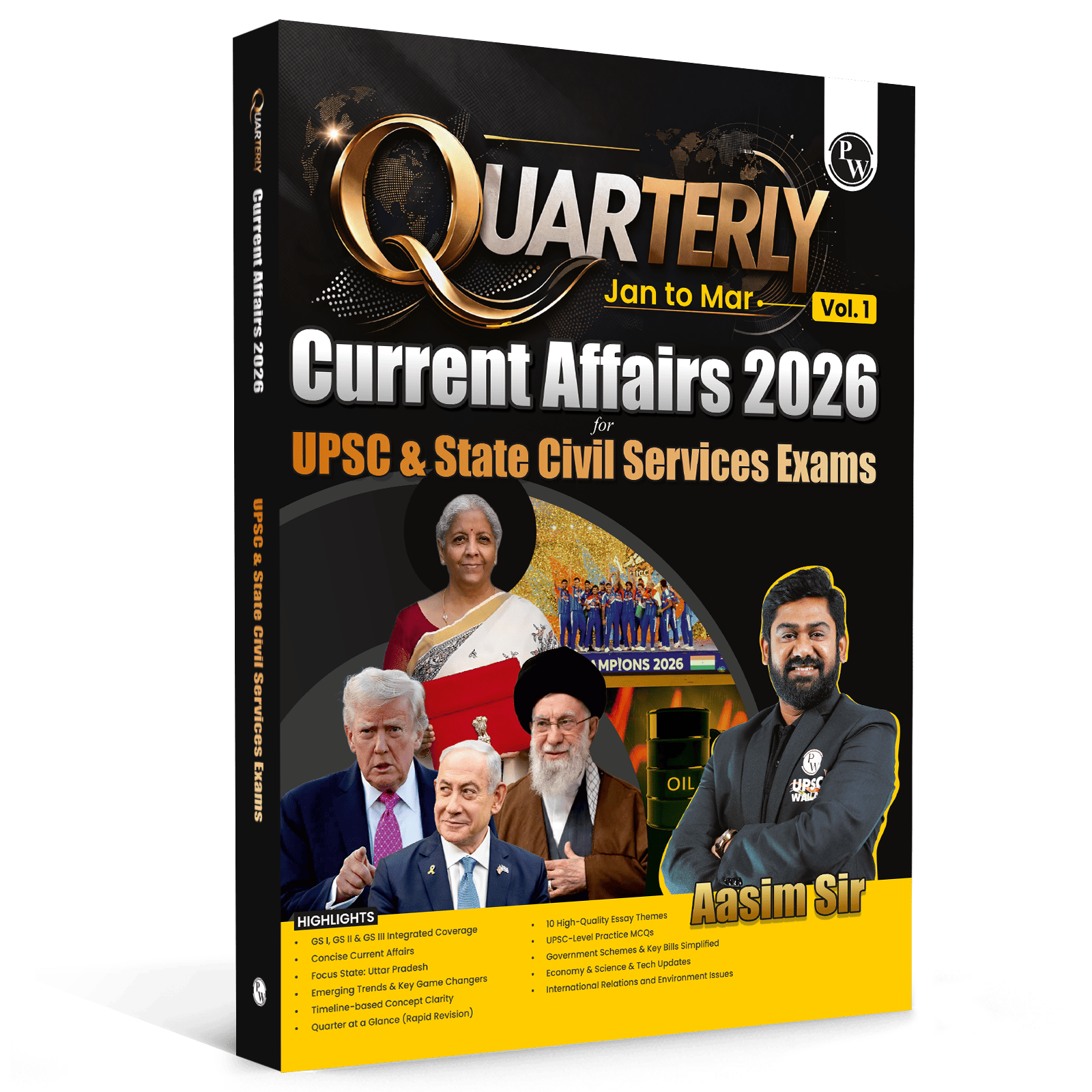
Quarterly magazines are highly effective for quick revision. These books condense three months of news into a single volume, making it easier to spot patterns in government schemes or international summits. A dedicated current affairs book for UPSC will usually provide bulleted summaries of long-form editorials, saving you hours of manual note-making.
Yearly Yearbooks
For those looking for a bird’s-eye view of the entire year’s events, yearbooks are the standard IAS current affairs books. They are particularly useful for the Prelims, where factual accuracy regarding dates, organisations, and summits is tested.
Features of UPSC Current Affairs
Not every book available in the market is suitable for the final weeks before the exam. To make the most of your time, ensure your chosen UPSC current affairs resource includes specific features that aid memory retention.
Subject-Wise Categorisation
The best books do not just list news chronologically. Instead, they divide content into:
-
Polity and Governance: Focus on new bills, Supreme Court judgements, and constitutional amendments.
-
Economy: Key highlights from the Economic Survey, Budget, and RBI notifications.
-
Environment: Updates on COP summits, new national parks, and endangered species lists.
-
Science and Tech: Recent launches by ISRO and NASA, developments in AI, and biotechnology.
Snippet-Based Layouts
During last-minute prep, you need to scan pages quickly. Look for a current affairs book for IAS that uses bold headings, tables for comparisons, and infographics. This visual structure helps in mapping the information in your mind, which is crucial for answering MCQ-based questions in the Prelims.
How to Revise UPSC Current Affairs
Revision is not about reading everything again; it is about reinforcing what you already know and filling critical gaps.
Focused Reading Strategy
Instead of trying to memorise every minor detail, focus on the "Why" and "How" of a news event. For UPSC current affairs 2026, the examiners are likely to ask about the underlying impact of a policy rather than just its launch date. Use your books to understand the context.
Integrating Static with Current
While reading a current affairs book, always keep your static textbooks nearby. If you read about a new Constitutional Bench being formed, quickly check the static portion of the Judiciary in your Polity notes. This dual-layered approach makes your preparation robust.
UPSC Current Affairs Sources for Mains Preparation
While factual books are great for Prelims, the Mains stage requires a deeper analytical perspective.
News Analysis and Editorials
Many successful candidates supplement their UPSC current affairs books with online editorial analyses. These platforms break down complex issues from The Hindu or The Indian Express into pros, cons, and suggestions. This practice is vital for writing balanced answers in the GS papers.
Government Reports and PIB
Official sources like the Press Information Bureau (PIB) provide the most authentic data. Most high-quality UPSC current affairs books already include PIB summaries, but it is always good to cross-verify major data points regarding government spending or social sector schemes.
Study Strategy for UPSC Current Affairs
For the 2026 cycle, aspirants should start looking at trends from mid-2025. The UPSC current affairs 2026 preparation should be divided into phases:
-
Phase 1: Monthly deep dives into news.
-
Phase 2: Quarterly consolidation using specialised IAS current affairs books.
-
Phase 3: Final month revision using "Fast-track" or "PT 365" style modules.
Using a well-structured current affairs book, UPSC ensures that you cover the syllabus systematically, leaving enough time for multiple revisions and mock tests.
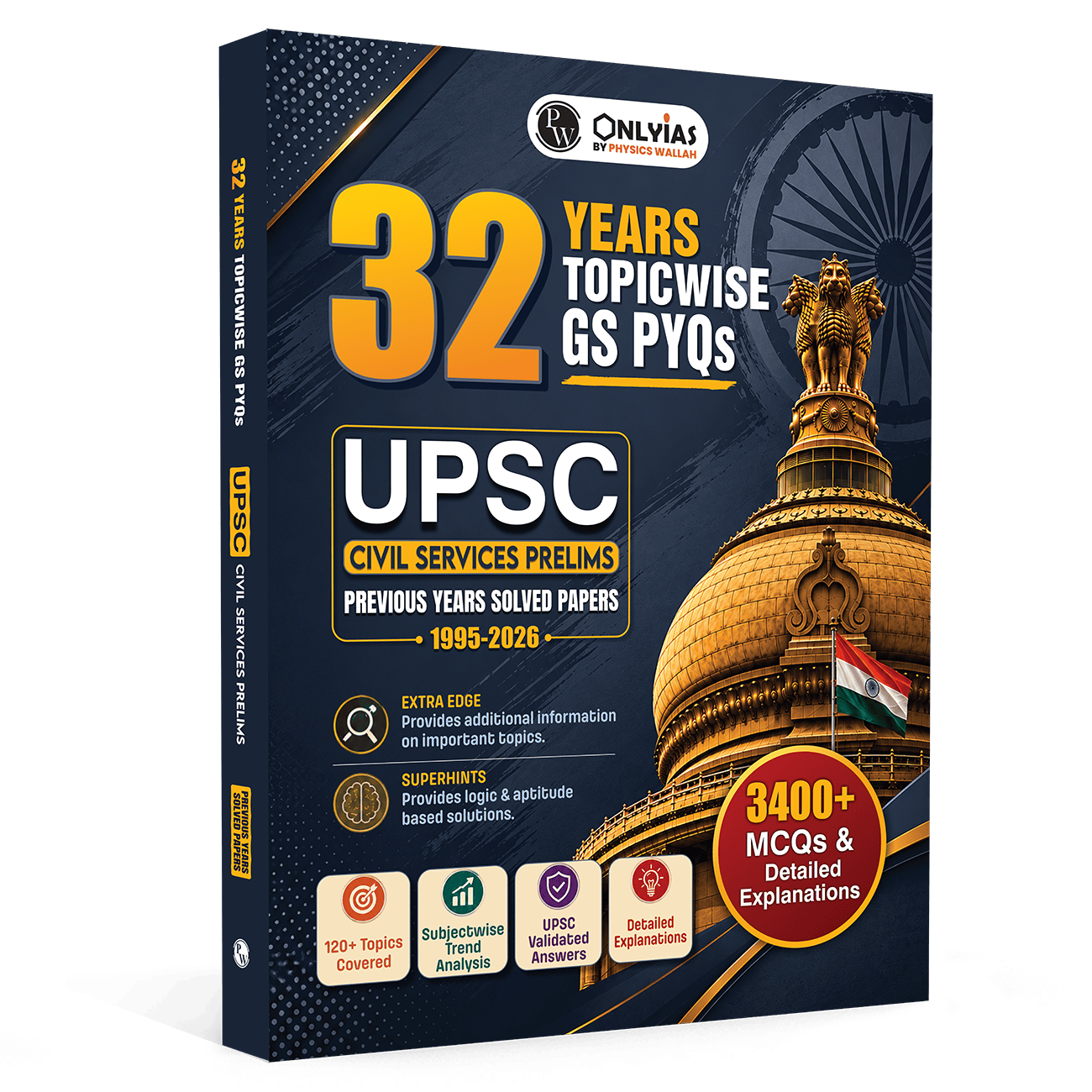
Check Out - UPSC Previous Year Papers
Mistakes to Avoid in UPSC Current Affairs Preparation
Time is your most valuable asset in the final weeks. Avoid these common pitfalls to stay on track:
-
Switching Sources: Stick to one primary book and one supplement. Changing sources at the last minute leads to confusion.
-
Ignoring Static Portions: Current affairs should complement your static knowledge, not replace it.
-
No Practice: Reading is only half the battle. Use the practice questions usually found at the back of books to test your retention.
-
Overloading on Facts: UPSC rarely asks for obscure dates. Focus on the significance of the event instead.
Read More: List of Important Days and Dates in 2026
UPSC Current Affairs Books FAQs
Which is the right current affairs book for last-minute revision for the IAS exam?
Quarterly compilations and yearly yearbooks are generally considered the best for last-minute revision as they provide consolidated information in a snippet-friendly format.
How many months of UPSC current affairs should I cover?
For the UPSC exam, it is highly recommended to cover at least 12 to 15 months of current affairs leading up to the date of the Preliminary examination.
Are UPSC current affairs books enough for the Mains exam?
While books provide the facts, you should also read editorial analyses to develop the critical thinking skills required for the descriptive answers in the Mains stage.
How to remember facts from UPSC current affairs 2026?
Use active recall and spaced repetition. Regularly taking quizzes based on your current affairs book, UPSC will help move information from short-term to long-term memory.
Can I rely solely on monthly magazines for IAS current affairs books?
Yes, monthly magazines are quite comprehensive. However, for last-minute prep, a quarterly or half-yearly summary can help you revise the same content much faster.