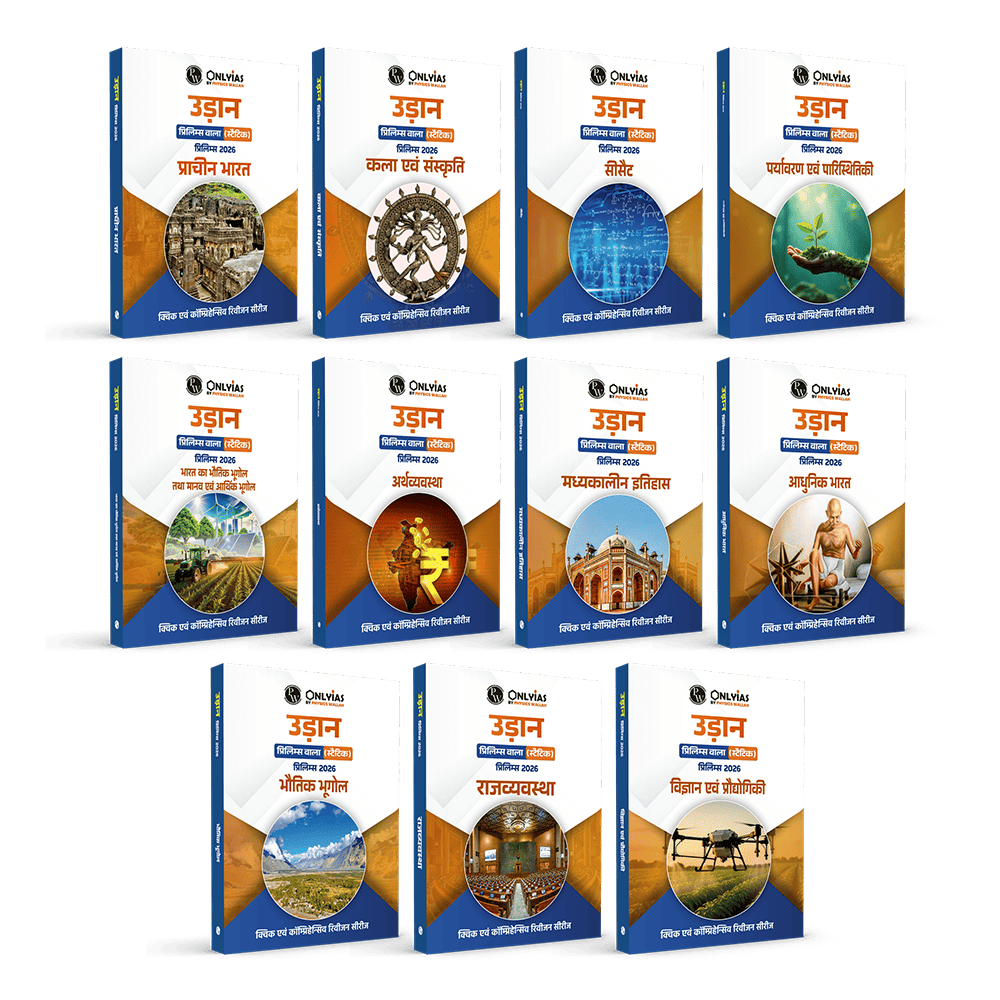
When to Start UPSC Textbooks in a Prelims Preparation Timeline

Many civil services aspirants struggle to structure their study schedules effectively. A common dilemma is knowing exactly when to transition from basic learning to advanced study materials. Starting your foundational reading at the wrong time can easily derail your momentum, leading to incomplete revisions before the crucial exam day arrives.
This comprehensive article outlines a clear timeline for integrating UPSC textbooks into your strategy, ensuring comprehensive coverage and timely practice.
What are UPSC Textbooks?
Before diving into a preparation timeline, it is essential to understand what UPSC textbooks actually entail. These are not general reading books; rather, they are specialized study material that covers the entire syllabus of the Civil Services Examination.
These books are divided into foundational books, such as NCERTs, and standard reference volumes that provide deep analytical insights into core subjects.
Using the right reference books for UPSC ensures that you cover high-yield topics systematically. These preparation resources act as the backbone of your strategy, providing the necessary factual data and conceptual clarity required to clear both the Prelims and Mains stages.
When to Use UPSC Textbooks
Timing your preparation ensures you do not feel overwhelmed by vast study materials later. Beginners often make the mistake of jumping directly into complex reference materials without setting a firm foundation.
Your timeline should follow a multi-stage approach where books are introduced systematically.
The Initial Phase (Months 1 to 4)
-
Build Your Foundation: Start your journey by reading basic NCERT summaries from classes 6 to 12. These texts simplify tricky concepts in history, polity, geography, and economy.
-
Integrate Core Volumes: Once a subject's basic concepts are clear, immediately introduce specialized UPSC textbooks. For example, follow up basic geography readings with comprehensive physical geography volumes.
-
Establish Regular Routine: Dedicate three to four hours daily during this phase to read core reference books for UPSC. Focus on understanding the conceptual framework of each topic rather than rote memorisation.
The Revision Phase (Months 5 to 6)
-
Consolidate with Modules: At this stage, switch from heavy reference items to targeted UPSC preparation resources. Use structured compilation modules to revise static subjects quickly.
-
Shift Focus Entirely: Condense thousands of textbook pages into concise summaries, charts, and maps to decrease your cognitive load. Stop reading new long-form books as the examination approach nears.
How to Use UPSC Textbooks and Quick Revision Materials?
Managing your library requires a balance between exhaustive reading and rapid summaries. Relying solely on large reference books for UPSC right until the exam date can leave little room for testing. Conversely, using revision tools without reading core texts leads to weak conceptual clarity.
A structured comparison helps clarify how to distribute your study hours between these UPSC preparation resources:
|
Feature |
Foundational UPSC Textbooks |
Quick Revision Materials (e.g., UDAAN) |
|
Primary Purpose |
Conceptual clarity and building deep subject frameworks. |
High-yield revision, memorising facts, and quick mapping. |
|
Best Time to Use |
Months 1 to 4 of your preparation timeline. |
Last 2 to 3 months before the Prelims exam. |
|
Format Style |
Long paragraphs, detailed analysis, and background notes. |
Snippet-friendly pointers, thematic maps, and comparison tables. |
|
Time Investment |
High; requires focused daily study slots. |
Low; designed for rapid multiple rounds of revision. |
How to Choose the Right UPSC Textbooks for Each Subject?
Every General Studies paper demands a unique academic approach. You cannot study a factual subject like ancient history with the same strategy used for dynamic economics.
Choosing specific UPSC GS books ensures you match the correct resource to the actual trends of the exam.
History and Art & Culture
-
Chronological Focus: Use UPSC textbooks that arrange historic periods into logical timelines. Visual aids like maps help track ancient empires, while comparison tables distinguish architectural styles like Nagara and Dravida.
-
Handwritten Insights: High-quality handwritten notes strip away the fluff. They provide bulleted points on edicts, administrative reforms, and cultural developments.
Indian Polity and Governance
-
Constitutional Clarity: Your UPSC study material must cover the framework of the Indian Constitution deeply. Focus intensely on high-weightage chapters like Fundamental Rights, Parliament, the Judiciary, and Directive Principles.
-
Comparative Studies: Utilize books that feature structured data tables to easily differentiate between complex constitutional provisions.
Geography and Environment
-
Visual Representation: Geography requires exhaustive thematic mapping. Select UPSC books that integrate physical features, climatic patterns, and ecosystems into clear visual diagrams.
-
Tabular Data: For environmental studies, choose tools that compile national parks, wildlife sanctuaries, and international climate conventions into simple tabular forms for effortless memorisation.
Tips for Using UPSC Textbooks
Completing your UPSC study material requires a discipline-driven approach. Drowning in too many resources is a common pitfall that ruins execution. Limiting your reading list and practicing active recall helps keep your plan realistic. Along with this, the Quarterly Current Affair UPSC Jan 2026 can help aspirants stay updated with important events and strengthen current affairs preparation.
-
Limit Your Sources: Keep your primary reading list restricted. It is far better to read the same standard text five times than to skim five different titles once.
-
Annotate Your Margins: As you read through your UPSC textbooks, scribble keywords, definitions, and brief current affairs updates directly into the margins. This turns your standard book into an ultimate revision tool.
-
Solve Topic-Wise Questions: Never read in a vacuum. After finishing a chapter from your books for UPSC, immediately solve 20 to 30 relevant multiple-choice questions to test your retention.
-
Incorporate Previous Year Papers: Dedicate time to track question trends using specialized previous year question compilations.
-
Set Strict Deadlines: Plan your daily schedule to wrap up all bulky textbooks at least two to three months before the actual Prelims screening test.
UPSC Textbooks FAQs
When is the ideal time to start reading core UPSC textbooks?
You should introduce standard core volumes during the first four months of your preparation timeline. Ensure you have completed a preliminary reading of basic NCERT summaries first to establish a clear conceptual foundation.
Can I clear the Prelims exam by relying only on quick revision modules?
No, quick revision modules are designed to condense information for rapid rounds of revision. You must read foundational UPSC textbooks first to gain the deep conceptual application needed to tackle tricky analytical questions.
How do I integrate previous year questions with my UPSC study material?
After completing a specific topic from your core reference books for UPSC, open a topic-wise previous year question booklet. Solve the past questions to understand the exact pattern and level of depth required for that theme.
How many times should I revise standard UPSC GS books before the exam day?
You should aim to revise your primary study notes and condensed modules multiple times before the exam. Utilizing snippet-friendly books and annotated margins helps speed up these repetitive revision cycles significantly.