What is the UPSC Mains Question Bank and How does it Help with GS Answer Writing

Many aspirants struggle to translate vast theoretical concepts into structured, high-scoring answers under strict time constraints. Facing the daunting task of processing extensive syllabus topics often leaves candidates overwhelmed without a clear practical application strategy.
This specialized 4-book collection provides a structured solution to this specific problem by turning extensive preparation material into quality, exam-oriented content. It serves as a comprehensive resource to streamline your practice of UPSC mains questions bank, equipping you with the framework needed to satisfy examiners and secure a top rank.
Overview of the UPSC Mains Questions
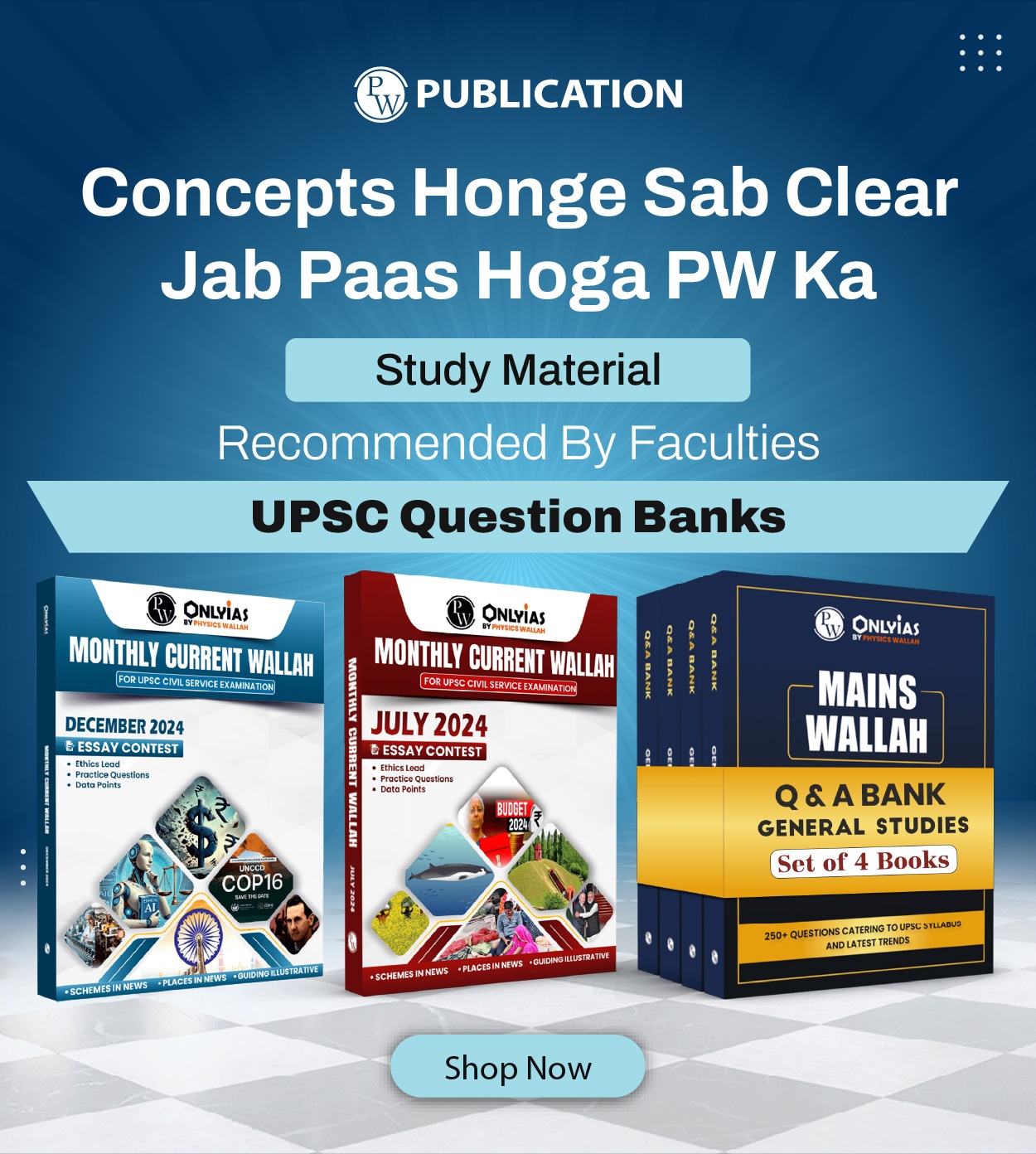
The resource functions as an extensive, meticulously curated collection tailored explicitly for the General Studies papers. It presents an extensive set of four volumes that match the structured layout of the Civil Services Main examination. The question bank UPSC mains provides thorough coverage by separating topics into easily navigable segments.
The publication includes over 1000 carefully framed questions designed according to evolving trends and current evaluation patterns. Covering General Studies Paper I, Paper II, Paper III, and Paper IV, each book operates as a standalone guide for focused subject review.
The collection converts standard syllabus topics into specific problem-solving exercises. Rather than presenting abstract notes, the material addresses direct exam demands by providing clear, well-structured solutions. This setup assists candidates in transitioning from passive reading to active, structured answer formulation.
Features of the UPSC Mains Questions
A closer examination of this question bank of UPSC highlights several designed functionalities aimed at maximizing retention and formatting precision. The primary features include:
-
Extensive Content Coverage: Contains more than 1000 dynamic, syllabus-aligned questions that cover the entire General Studies framework.
-
Structured Content Layout: Features comprehensive subject-wise and topic-wise segregation, allowing students to focus on specific weak areas systematically.
-
Dual Solution Approach: Offers balanced preparation by providing detailed step-by-step explanations alongside quick shortcut methods for multi-dimensional conceptual understanding.
-
Exam-Focused Standardization: Answers are crafted precisely to match the expectations, structural requirements, and linguistic tone required by official civil services examiners.
-
Trend-Driven Development: Includes unique probable questions derived from an in-depth analysis of evolving question styles and past testing patterns.
Why Are UPSC Mains Questions Important for GS Answer Writing?
Succeeding in the written civil services test depends heavily on regular interaction with authentic civil services question sets. Mere memorization of facts fails to generate the balanced perspective required for an administrative presentation.
Working through targeted UPSC mains questions helps students understand critical conceptual linkages, allowing them to connect static historical or political data with current socio-economic developments.
This practice forces you to respect strict word counts, preventing the inclusion of irrelevant information. Examiners look for clarity, logical flow, and precise arguments rather than lengthy paragraphs. Regular practice with a dedicated question bank UPSC mains builds the critical thinking skills needed to analyze complex current affairs issues from multiple perspectives.
It also teaches you to structure your views into clear introductions, multi-dimensional body arguments, and balanced, forward-looking conclusions.
How to Use UPSC Mains Questions?
Using UPSC Mains Questions strategically helps aspirants understand the demand of the exam, improve answer-writing skills, and develop better content organization. Regular practice with previous questions enables students to identify important themes, structure responses, and align their preparation with the UPSC Mains pattern.
Along with answer-writing practice, solving UPSC Previous Year Papers provides deeper insight into recurring themes, question framing, and the level of analytical thinking expected in the examination. Previous year papers also help aspirants refine presentation style, strengthen content prioritization, and develop a more exam-oriented preparation strategy for the Mains stage.
|
Step |
Action Item |
Strategic Objective |
|
1 |
Syllabus Alignment |
Match your daily study topic directly with the corresponding section in the book. |
|
2 |
Independent Attempt |
Spend 7 to 10 minutes drafting an individual answer outline without referring to solutions. |
|
3 |
Comparative Analysis |
Evaluate your draft against the provided model answers to identify missing keywords and arguments. |
|
4 |
Integration of Formats |
Incorporate the structural layouts, relevant data points, and committee reports from the model text. |
|
5 |
Timed Re-drafting |
Rewrite the same response under strict time limits after a few days to improve writing speed. |
Benefits of UPSC Mains Questions
Using a dedicated UPSC CSE mains question bank during daily revision provides several distinct preparation advantages:
-
Enhanced Spatial Presentation: Learn to use structural headings, neat bullet points, and analytical flowcharts to make your answers clear and scannable.
-
Advanced Analytical Practice: Gain access to realistic, trend-based scenarios that simulate actual examination pressures and problem-solving conditions.
-
Syllabus Simplification: Complex policy frameworks, constitutional articles, and economic metrics are broken down into accessible, highly reproducible arguments.
-
Elimination of Writing Mental Blocks: Regular contact with pre-structured questions removes the hesitation often associated with starting blank-page answer writing.
When to Use UPSC Mains Questions During Preparation?
Timing your preparation phases correctly determines how much value you extract from UPSC study material. The most effective approach involves integrating the resource across different stages of your preparation journey:
1. During the Foundation Stage
Begin utilizing the text immediately after finishing a baseline reading of standard NCERTs and fundamental reference material. Do not wait to complete the entire syllabus before starting answer practice. Use the topic-wise division to practice individual questions as soon as you finish a specific subject chapter.
2. During the Dedicated Revision Phase
In the months leading up to the examination, use the collection as a primary tool for active recall. Instead of repeatedly skimming passive notes, review entire topics by answering specific questions. This method helps keep your attention sharp and uncovers any gaps in your understanding.
Study Plan for Solving UPSC Mains Questions
To maximize your results from an UPSC mains question bank book, follow a balanced weekly preparation schedule. Allocate two days specifically for General Studies Paper I and Paper II topics, and dedicate the next two days to Paper III and Paper IV issues. Focus heavily on General Studies Paper IV case studies, as they carry significant weight and require unique analytical frameworks.
Spend your weekends reviewing the answers you drafted during the week. Analyze the model answers to learn how to integrate relevant committees, constitutional amendments, and recent judicial judgments seamlessly into your text.
Keep a separate notebook to collect high-performing introduction structures, useful statistics, and adaptable diagrams discovered during your practice sessions. This customized reference tool will prove invaluable for quick revision during the high-pressure days between the Prelims and Mains exams.
Common Mistakes to Avoid While Practicing UPSC Mains Questions
Practicing UPSC Mains Questions requires more than just writing answers. Many aspirants make mistakes like ignoring the question demand, lacking proper structure, or focusing only on content without improving presentation. Avoiding these errors helps develop better answer-writing skills and improves Mains preparation.
-
Reading Solutions Passively: Treating the book like a standard textbook by simply reading the answers without writing drafts first significantly limits your skill development.
-
Ignoring the Prescribed Word Limits: Writing excessively long descriptions results in poor time management during the actual examination.
-
Failing to Track Structural Flaws: Skipping the crucial self-evaluation step means you continue repeating the same logical errors across multiple answers.
-
Neglecting the Specific Directives: Failing to adjust your answer strategy based on directive terms like 'Critically Analyze', 'Evaluate', or 'Discuss' leads to lower marks.
Read More: UPSC Prelims and Mains Exam Preparation with Previous Year Question Paper
UPSC Mains Questions Bank FAQs
Q1: How does the dual-solution approach help when practicing UPSC Mains questions?
The dual solution approach provides complete step-by-step explanations alongside time-saving shortcut strategies. This helps aspirants build deep conceptual understanding while learning how to structure concise, high-impact responses quickly under tight exam constraints.
Q2: Can beginners start using the mains question bank UPSC immediately?
Yes. Because the material features clear topic-wise segregation, beginners can easily use it alongside their foundational reading. It serves as an excellent guide to understanding how theoretical concepts translate directly into formal exam answers.
Q3: How does this UPSC Mains question bank ensure content accuracy?
The solutions are crafted by domain experts to match official evaluation standards. Every answer is structured around relevant data points, administrative terms, and appropriate frameworks that align with current civil services examination trends.
Q4: Does the UPSC Mains question bank cover current affairs topics?
The entire collection is built around recent testing developments and evolving trends. It integrates dynamic contemporary issues with static syllabus topics, ensuring candidates learn how to handle multi-dimensional questions effectively.