UPSC Mains Study Plan Using 31 Years Previous Year Papers

Excelling at the UPSC Mains requires more than just reading textbooks; it demands a deep understanding of how questions are framed. Many aspirants feel overwhelmed by the vast syllabus, but using a structured study plan centred around the UPSC PYQ can simplify the process. By analysing 31 years of papers, you can identify recurring themes, understand the examiner's mindset, and learn how to structure your answers for maximum marks.
Check Out: UPSC CSE Books
How to Plan Mains Preparation with UPSC PYQ
The UPSC Mains is a test of your analytical ability and expression. Without a plan, you might spend too much time on topics that carry little weight. A well-designed schedule helps you allocate time effectively between static subjects and current affairs. Integrating the PYQ into your daily routine ensures that your preparation remains relevant to the actual demands of the civil services examination.
A common mistake is treating the Prelims and Mains as separate entities. In reality, the foundation for Mains is built during Prelims preparation. However, the depth required for Mains is much higher. Using a 31-year compilation of previous papers allows you to see the evolution of questions over three decades, giving you a competitive edge in predicting future trends.
Phase 1: Analyze UPSC Syllabus with PYQ
Before picking up a pen, you must know what the examiners expect. The first week of your study plan should be dedicated to mapping the official syllabus with the PYQ. This exercise helps you see which parts of the syllabus are frequently tested and which ones are rarely touched upon.
-
Step 1: Download the official UPSC Mains syllabus for all GS papers.
-
Step 2: Categorise questions from the last 31 years into specific syllabus sub-headings.
-
Step 3: Note the keyword patterns such as "Critically Analyse," "Discuss," and "Examine."
-
Step 4: Identify the weightage of different sections like Ethics, Internal Security, and Governance.
By doing this, you create a priority list. For instance, if you notice that "Land Reforms" in GS Paper 3 is asked almost every alternate year, it becomes a high-priority topic for your notes.
Phase 2: Subject-wise UPSC Mains Preparation Strategy
Once you have a map of the syllabus, start your subject-wise preparation. For every subject you finish, solve the relevant UPSC PYQ from the past three decades. This reinforces your learning and helps you understand the application of theoretical concepts.
General Studies Paper 1: History and Geography
GS Paper 1 covers Art and Culture, Modern History, World History, and Geography. The questions here often repeat themes related to the freedom struggle or geographical phenomena like cyclones and earthquakes.
General Studies Paper 2: Polity and International Relations
This paper is highly dynamic but rooted in constitutional basics. Looking at the UPSC previous year question trends, you will find that questions on the Basic Structure Doctrine, Federalism, and the role of the Governor are perennial favourites.
General Studies Paper 3: Economy and Environment
Focus on Agriculture, Science and Technology, and Disaster Management. UPSC PYQ reveals that the examiner often links static concepts with recent government schemes or environmental crises.
Phase 3: Answer Writing Practice with PYQs
Writing a 250-word answer that is coherent and concise is a skill. The right way to practise is to use actual questions from the PYQs. Start by writing one answer a day and gradually increase it to a full-length mock test.
-
Introduction: Define the core concept or provide relevant data.
-
Body: Use bullet points for readability and include diagrams where possible.
-
Way Forward: Always end with a positive, constructive suggestion or a futuristic outlook.
-
Consistency: Use the UPSC PYQ book to track your progress and ensure you cover all topics.
Reviewing your answers against topper’s copies or model answers can help you refine your style. Pay attention to how they incorporate keywords from the question into their headings.
Right Resources for UPSC PYQ Preparation
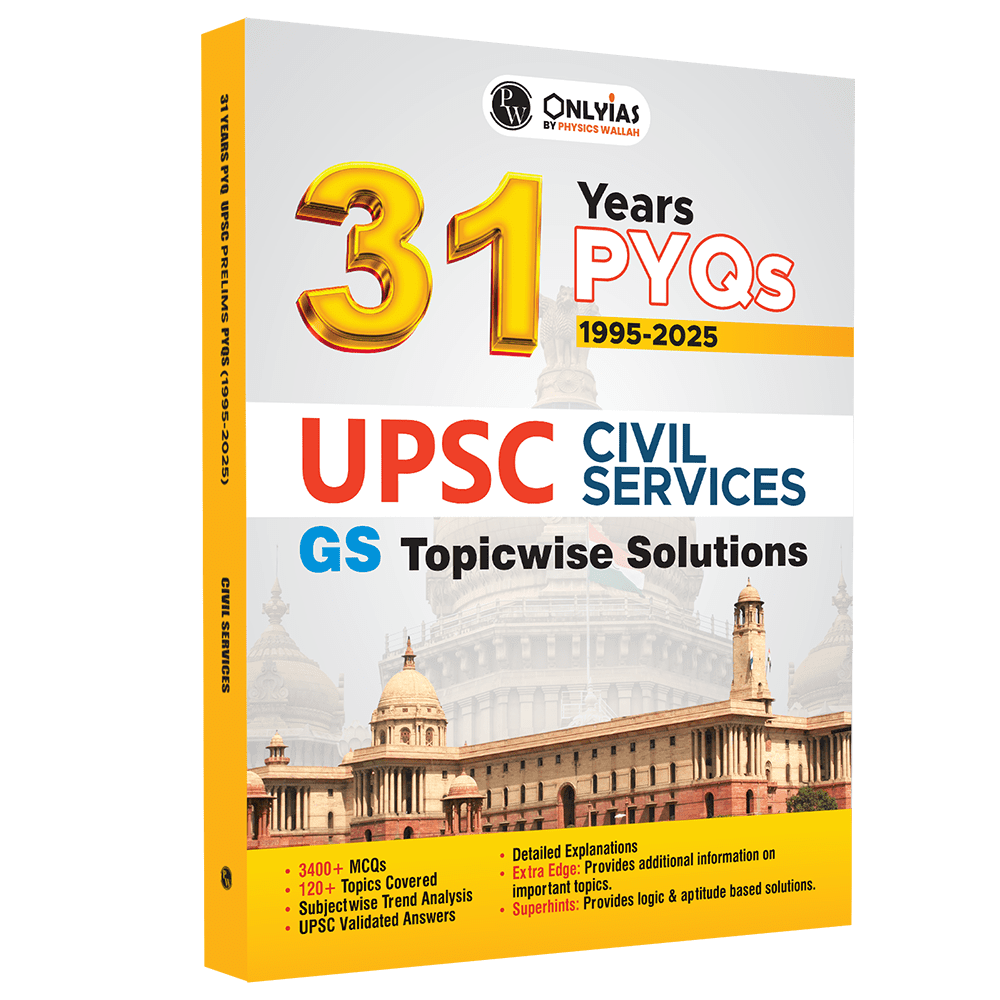
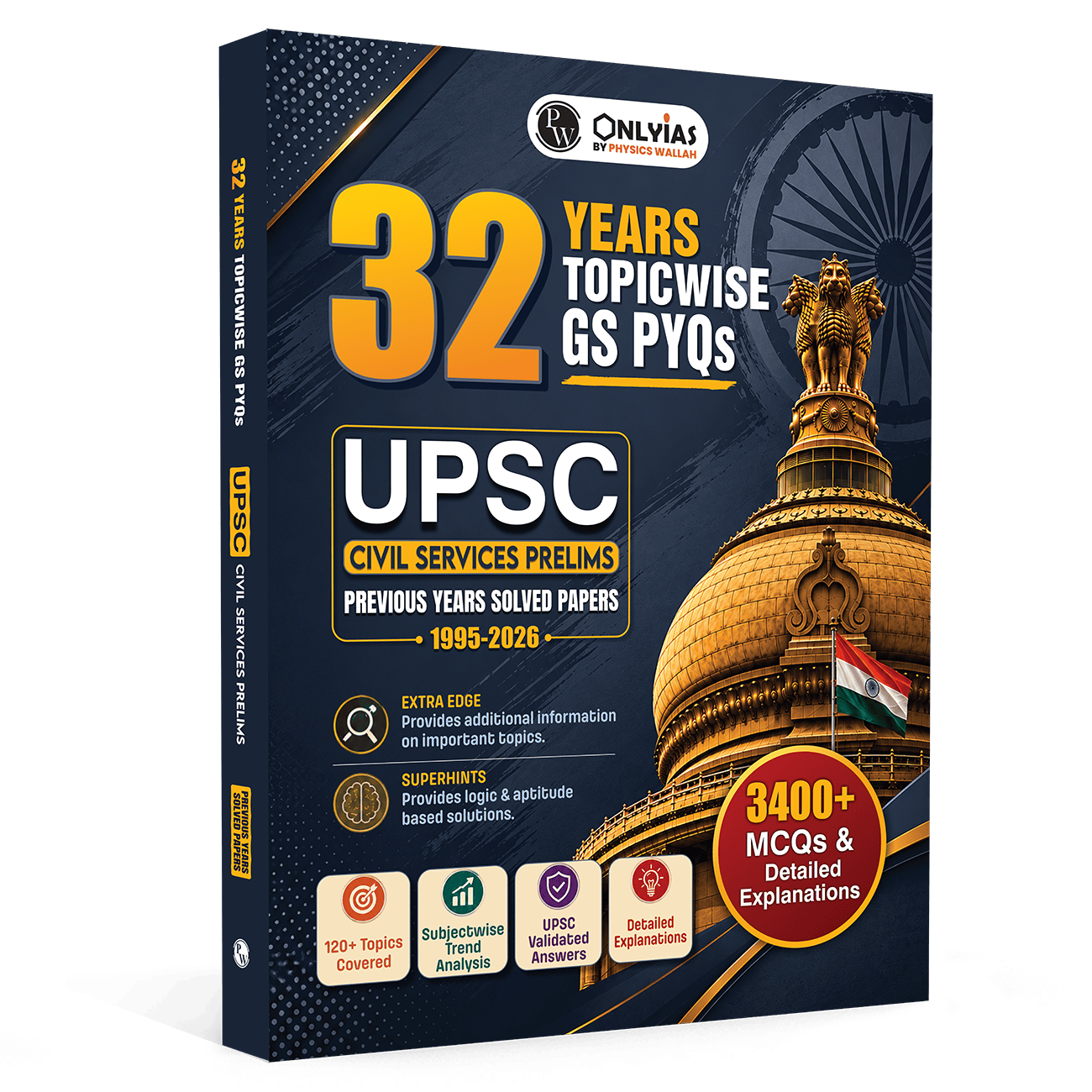
To execute this plan effectively, you need reliable resources that compile years of data in an organised manner. A comprehensive UPSC PYQ book is indispensable as it saves time spent on searching for questions online. Having these questions sorted topic-wise allows for a more streamlined revision process.
|
Resource Type |
Purpose in Study Plan |
|
PYQ Book |
Topic-wise sorted questions for focused practice. |
|
Standard Textbooks |
Building the core conceptual foundation. |
|
Monthly Magazines |
Updating static topics with current developments. |
|
UPSC Prelims Previous Year Paper |
Useful for reinforcing facts that can be used as data in Mains. |
Time Management Strategy for UPSC Mains
A 31-year previous paper study plan is intensive. Divide your day into three sessions:
-
Morning Session: Deep study of a core GS subject (3–4 hours).
-
Afternoon Session: Answer writing practice using a PYQ of UPSC prelims or mains questions (2 hours).
-
Evening Session: Current affairs and newspaper reading (2 hours).
Consistency is more important than the number of hours. Even if you can only manage five hours a day, ensure those hours are focused on high-yield topics identified through your analysis of PYQs.
Check out: UPSC Previous Year Papers
Mock Tests Using UPSC PYQs
In the final three months before the exam, shift your focus to full-length tests. While mock tests from coaching institutes are helpful, they can sometimes be tougher or more obscure than the actual exam. To stay grounded, always refer back to the PYQs. These questions set the standard for the level of difficulty and the type of language used.
-
Simulate exam conditions by sitting for three hours.
-
Use original UPSC-style answer sheets.
-
Focus on completing the paper on time, as many students struggle with speed.
-
Use the PYQ to identify areas where your conceptual clarity is still lacking.
Common Mistakes to Avoid While Using UPSC PYQs
Many students collect too many books and fail to revise. Another common error is neglecting the "Easy" questions from previous years, thinking they won't be repeated. However, the themes are almost always the same; only the context changes.
-
Ignoring the Essay Paper: Practice writing essays based on philosophical and social themes found in previous papers.
-
Focusing only on Current Affairs: Static portions carry significant weight; do not ignore them.
-
Lack of Revision: Aim to revise your notes at least three times before the final exam.
-
Poor Handwriting: Ensure your writing is legible so the examiner can read your well-crafted points.
Check Out: UPSC Revision Books
How to Use Topic-wise UPSC PYQ Books
Using a dedicated book for PYQs that is organised by topic is a game-changer. For example, when you finish the "President" chapter in Polity, you should immediately look at all the questions asked on that topic over the last 31 years. This helps you understand how the same topic can be approached from different angles—sometimes focusing on powers, other times on the election process or constitutional position.
UPSC PYQ Key Takeaways
In the last few weeks, do not start any new topics. Focus entirely on your short notes and UPSC PYQ. Review the diagrams, maps, and data points you have prepared. Seeing the same themes repeated in the previous papers will boost your confidence and reduce exam-day anxiety.
Read More: Which NCERT Books are Required for UPSC Exam Preparation?
UPSC PYQ Books FAQs
How many years of UPSC PYQs should I solve for Mains?
While the last 10 years are most relevant for current trends, studying the last 31 years helps you understand the broader evolution of the syllabus and identify "evergreen" topics that the commission frequently revisits.
Is solving the PYQ of UPSC prelims helpful for the Mains exam?
Yes, solving PYQs for the UPSC prelims helps you master factual data, timelines, and specific details that you can use as evidence or examples in your GS Mains answers, making them more authoritative.
Where can I find a reliable UPSC PYQ?
You can find comprehensive collections, which offers topic-wise sorted questions from the last 31 years to help you streamline your preparation effectively.
How do I start using PYQs if I am a beginner?
Beginners should first read a chapter from a standard textbook and then look at the corresponding UPSC previous year question to understand what kind of information they need to retain from their reading.
Can I clear the UPSC Mains just by studying PYQs?
While the PYQ of the UPSC is a vital tool for direction and practice, it must be supplemented with standard textbooks and current affairs to ensure you have the depth of knowledge required for the diverse range of questions asked.