How the UPSC Prelims Question Bank is Organised for Topic-by-Topic Mastery
Preparing for the Civil Services Examination requires a structured plan that balances reading with consistent practice. Many aspirants struggle to find a reliable question bank for UPSC that offers both relevant questions and clear analysis.
Without a proper system, tracking your progress across different subjects becomes incredibly difficult. UPSC Prelims Questions solves that exact problem by providing a well-ordered question bank for UPSC Prelims. It splits major subjects into precise chapters so you can test your knowledge directly after studying a topic.
This approach helps you fix preparation gaps early and improves your final test scores.
What Are UPSC Prelims Questions?
The first stage of the Civil Services Examination features the Preliminary test, which consists of two objective papers. The UPSC Prelims Questions are multiple-choice questions designed to test an aspirant's analytical abilities, conceptual understanding, and factual memory. These questions cover two main papers: General Studies (GS) and the Civil Services Aptitude Test (CSAT).
Unlike standard university exams, these items use tricky statement combinations and elimination patterns. Solving a high-quality UPSC IAS Prelims question bank teaches you how to identify trap answers and manage your time well under strict pressure.
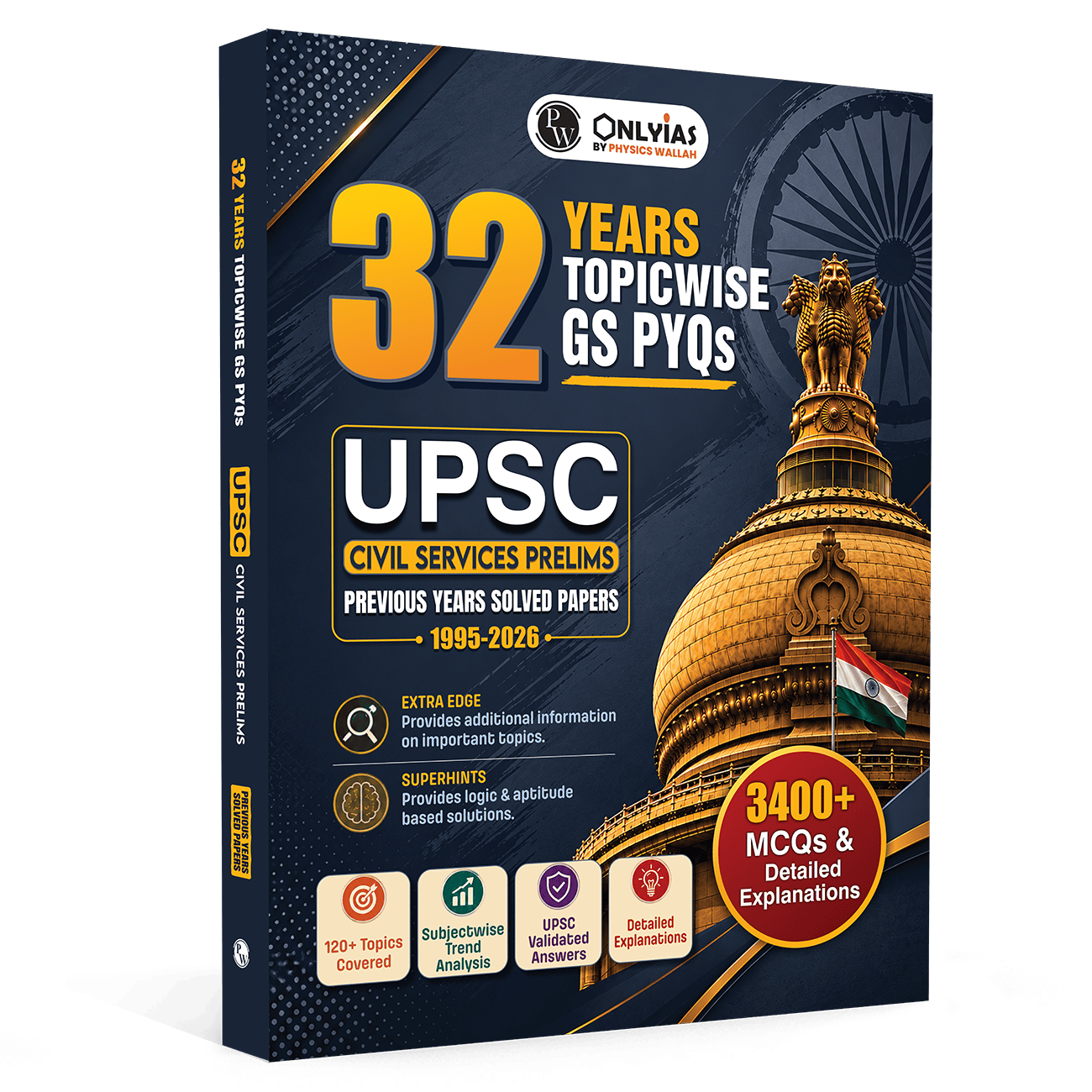
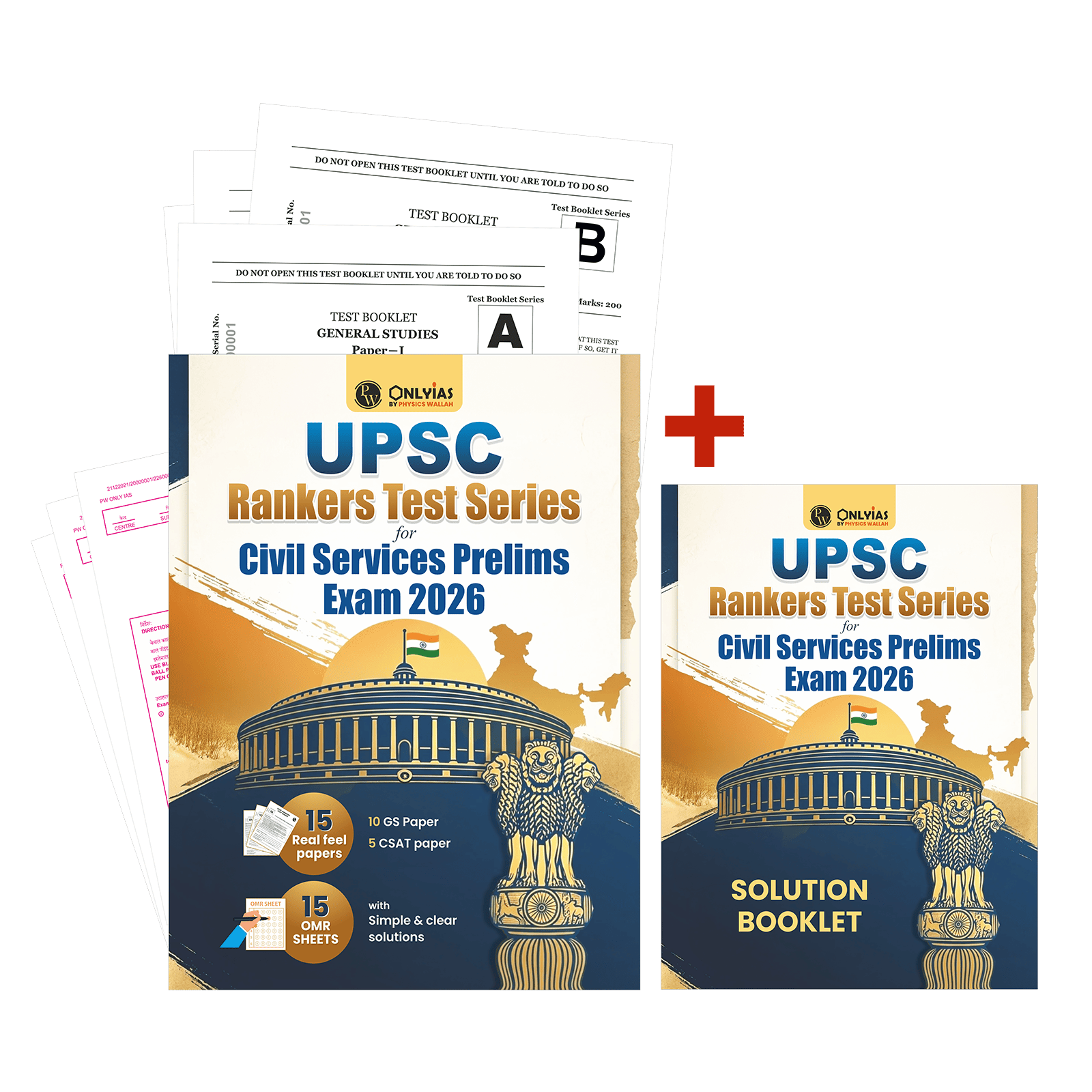
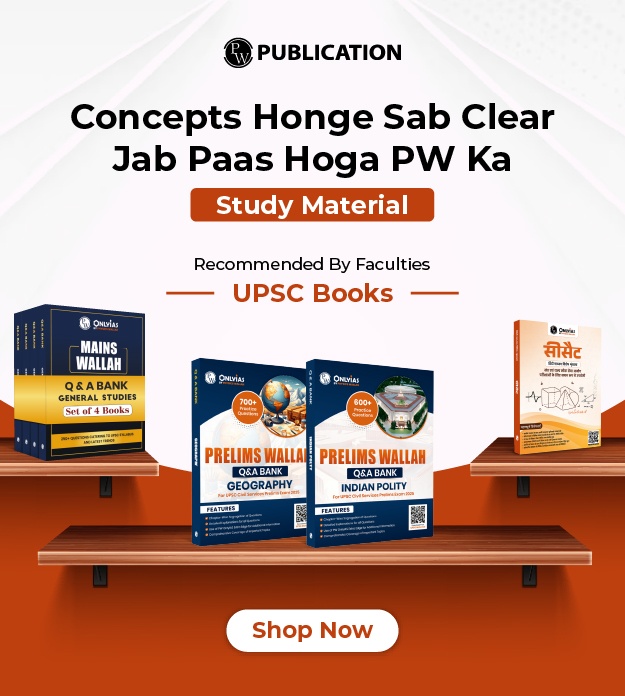
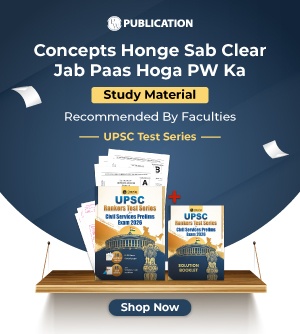
The complete combo pack includes 9 specialized books that offer an exhaustive resource for the Civil Services Examination. This UPSC Prelims study material provides over 4000 practice questions designed to align with changing exam trends.
The set distributes questions logically across all key subjects to ensure complete syllabus coverage.
|
Book Title |
Main Subject Focus |
|
Ancient & Medieval India |
Early historical eras, dynasties, and administrative structures |
|
Modern India |
Freedom struggle movements, British policies, and key personalities |
|
Art & Culture |
Architecture, classical dances, music, literature, and regional festivals |
|
Indian Polity |
Constitutional provisions, governance, judiciary, and local bodies |
|
Geography |
Physical, human, and economic geography of India and the world |
|
Environment & Ecology |
Biodiversity, climate change, international treaties, and environmental laws |
|
Indian Economy |
Macroeconomics, banking, fiscal policy, schemes, and budget concepts |
|
Science & Technology |
Current technological developments, space, defence, and basic sciences |
|
CSAT |
Quantitative aptitude, logical reasoning, and reading comprehension |
Features of the UPSC Prelims Questions
UPSC Prelims Questions Bank are designed to test conceptual understanding, analytical ability, and awareness of important topics rather than simple memorization. Understanding their key features helps aspirants prepare strategically, improve question-solving skills, and develop better exam-taking approaches.
-
Extensive Question Volume: Contains over 4000 quality multiple-choice questions to ensure complete coverage of the Civil Services syllabus.
-
Detailed Answer Explanations: Every question comes with a well-researched, exam-oriented explanation that explains why the correct option is right and why the other choices are incorrect.
-
Extra Edge Information: Includes value-added insights, exam-focused notes, and extra facts to enhance your general knowledge and information retention.
-
Current Affairs Alignment: Integrates static syllabus topics with recent current affairs themes to reflect the modern testing style of the actual exam.
-
Dual Paper Practice: Covers both the General Studies subjects and the CSAT paper to provide a complete preparation tool.
How are UPSC Prelims Questions Organized by Topic?
The primary advantage of this combo pack is its systematic arrangement. Instead of mixing all subjects together, it functions as a dedicated UPSC Prelims topic wise question bank.
1. Chapter-Wise Segregation
Every book divides the massive Civil Services syllabus into smaller, manageable chapters. For example, the Indian Polity book does not combine all governance questions. Instead, it features separate sections for the Preamble, Fundamental Rights, Directive Principles, and the Parliament.
This clear layout lets you test yourself on specific sections without getting overwhelmed by the entire syllabus at once.
2. Topic-Wise Categorisation
Within every single chapter, the UPSC Prelims Questions are further broken down by topic. If you are reviewing the Indian Economy chapter on banking, you will find distinct question blocks focusing on monetary policy instruments, non-performing assets, and digital banking innovations.
This fine level of detail makes it simple to pinpoint exactly which micro-topics need more revision.
Benefits of UPSC Prelims Questions
Using a dedicated resources pack offers several distinct advantages for aspirants aiming to clear the initial stage of the Civil Services Examination:
-
Builds Conceptual Clarity: Solving structured questions helps you confirm whether you truly understand a concept or if you just memorized it.
-
Improves Answer Accuracy: Regular practice teaches you how to spot tricky language, eliminate wrong choices carefully, and reduce silly mistakes.
-
Highlights Knowledge Gaps: The topic-by-topic layout shows you exactly which chapters or subjects require extra study time.
-
Boosts Exam Confidence: Answering questions that match official exam trends takes away the fear of the actual exam day.
How to Use UPSC Prelims Questions?
To get the best results from your practice books, follow a structured process rather than picking questions at random. Start by thoroughly reading a specific topic from your foundational textbooks. Once you finish studying that chapter, open the corresponding section in your workbook.
Answer the UPSC Prelims Questions without looking at the solutions first. Treat this practice like a mini-test to check your natural recall. After completing the section, grade your answers and read the provided explanations for both your correct and incorrect responses. This habit ensures you learn the hidden concepts behind every single mistake.
When to Practice UPSC Prelims Questions During Preparation?
A common mistake is waiting until the final months before the exam to start practicing multiple-choice questions. You should integrate practice into your daily schedule from the very start of your preparation journey.
Using this resource serves as an ongoing tool for your revision. Practicing right after your daily study sessions locks the information into your long-term memory. It is also an excellent tool for quick weekly reviews, allowing you to test old chapters before moving on to entirely new subjects.
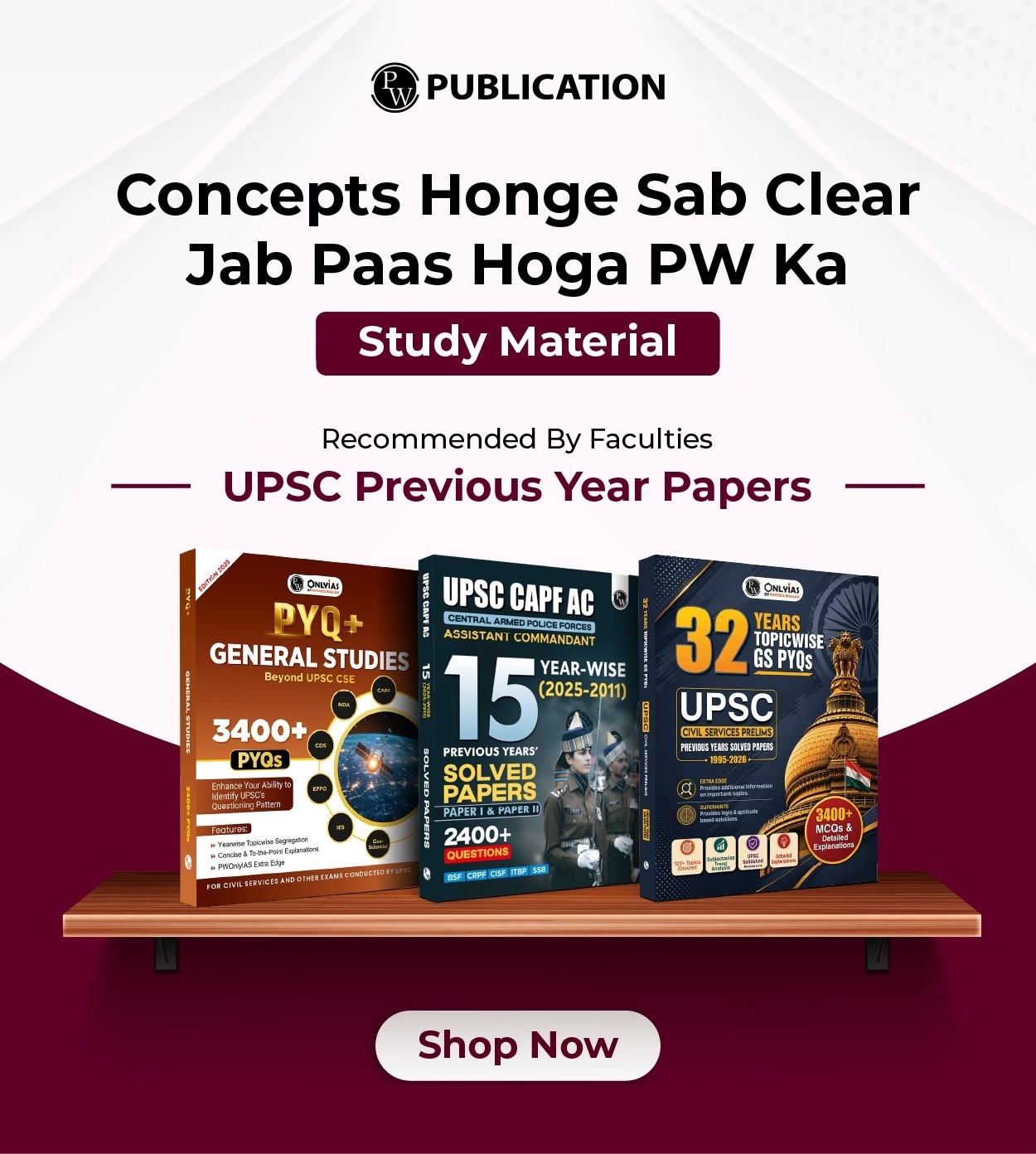
Along with regular question practice, solving UPSC Previous Year Papers helps aspirants understand question patterns, identify recurring themes, and improve elimination techniques. Previous year papers also make revision more effective by showing how concepts are tested in the actual examination and helping candidates track their preparation progress over time.
Study for Using UPSC Prelims Questions
Using UPSC Prelims Questions with a planned approach helps aspirants understand question patterns, strengthen concepts, and improve accuracy. A proper strategy allows students to combine revision, practice, and analysis to perform better in the Prelims examination.
-
Sync with Your Timetable: Align your daily question practice with your main study schedule. If your goal is to finish Modern India in two weeks, solve the matching history questions every evening.
-
Analyze the Solutions: Spend ample time reading the detailed answer keys. The value-added insights often contain extra facts that could appear in future exams.
-
Mark Challenging Questions: Circle or highlight difficult questions that you answered incorrectly. This creates a personalized list of tough topics for your final revision weeks.
-
Track Your Accuracy: Maintain a simple logbook of your scores across different topics. A lower score in a particular area, like Environment or Economy, tells you to pause and re-read those base notes.
Common Mistakes to Avoid While Solving UPSC Prelims Questions
While solving UPSC Prelims Questions, many aspirants make mistakes that affect their preparation, such as focusing only on answers instead of concepts or avoiding regular analysis. Identifying these errors helps improve problem-solving skills and exam readiness.
-
Rushing the Explanations: Many students check if their answer is correct and skip the text solution. This misses out on vital contextual data and extra edge facts.
-
Over-reliance on Digital Formats: Relying entirely on a question bank for UPSC Prelims pdf can cause eye strain and deprives you of the tactile experience of marking a physical book.
-
Practicing Without Time Limits: Solving questions too slowly can create a false sense of security. Try to maintain a steady pace to mimic real exam conditions.
-
Ignoring the CSAT Paper: Focusing solely on General Studies while neglecting CSAT is a risky strategy. Give equal attention to the aptitude sections to secure your qualifying marks.
Read More: UPSC Exam Preparation with Question Bank
UPSC Prelims Questions FAQs
How does a topic wise question bank improve revision?
A UPSC Prelims topic wise question bank helps you focus your attention on specific parts of the syllabus. Instead of wasting time on areas you already know well, you can target and fix your weakest subjects directly.
Are the explanations detailed enough for self-study?
Yes, every single question in this question bank for IAS includes a thorough explanation. These answers break down the core concepts and provide extra background details, making it easy to study on your own without external help.
Does this book cover the CSAT paper?
Yes, the combo includes a dedicated volume for CSAT. This ensures you can practice quantitative aptitude, logical reasoning, and reading comprehension questions alongside your general studies preparation.
Can beginners use this question bank for UPSC Prelims?
Absolutely. Because the UPSC IAS Prelims question bank is divided chapter by chapter, beginners can use it seamlessly. You can easily solve relevant questions immediately after finishing your very first textbook chapters.