How to Use NCERT Summary Books for UPSC Prelims
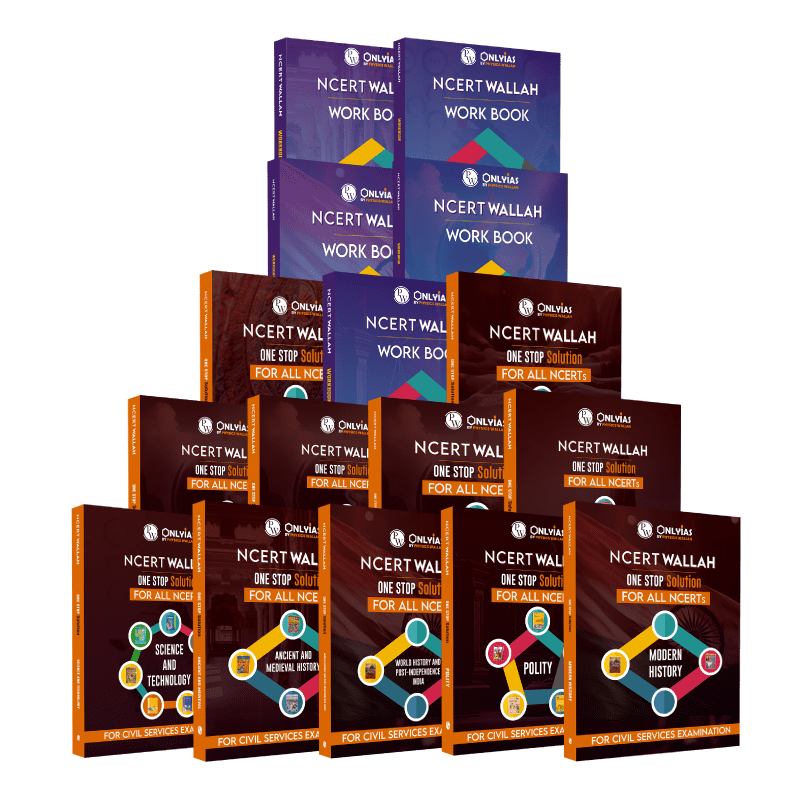
The UPSC Civil Services Examination is a big test for people who want to work for the government. Before reading very hard books, you need a strong base. NCERT summary books for UPSC prelims act as a bridge, and when used alongside UPSC NCERT books, they help aspirants understand concepts in a structured and exam-oriented way.They take the big lessons from Class 6 to Class 12 and make them short and easy. These books help you learn the main ideas and save you a lot of time by showing only what is important for the first part of the test (Prelims). For the 2025-26 cycle, using these summaries is the fastest way to cover the core topics while leaving time for current affairs.
Check Out: UPSC CSE Books
Why Use NCERT Summary Books for UPSC?
The UPSC Prelims test often has questions that come from the basic ideas in school books. NCERT books for UPSC preparation are very helpful because they give simple and true facts. A single summary book can replace nearly 40 bulky textbooks, making your bag lighter and your study more focused.
-
Easy Ideas: Hard topics like how money works (Economics) or Science are explained in very easy words.
-
Important Questions: Many test questions about Indian art or the earth are taken straight from these school books.
-
Saving Time: Instead of reading over 40 big school books, a summary book puts all the important parts from 6th to 12th for UPSC into a few small books.
-
Learning with Pictures: Good summary books have maps, tables, and charts. These visual aids help you remember 50% more than just reading plain text.
Plan to Study NCERT Summary Books
To get the best out of your NCERT books for UPSC prelims, you should follow a simple plan. Do not just read them once; try to use them with your daily study. Toppers suggest using the "Active Recall" method, where you close the book after each chapter and try to write down five main points.
-
Read by Subject: Instead of reading all Class 6 books, then all Class 7, try reading one subject at a time. For example, finish all Geography from Class 6 to Class 12.
-
First Read (The Big Story): Read just to understand the main points and new words.
-
Second Read (Small Facts): Look at the parts that are highlighted. Pay close attention to the small "Fact Boxes" because many questions come from them.
-
Third Read (Revision): Use the summary to quickly remember the facts before you take a practice test. Always compare the static facts with the latest data from the Economic Survey.
Check Out: UPSC Previous Year Papers
NCERT Lessons of Different Subjects for UPSC
|
Subject |
What to Learn |
Which Classes |
|
History |
Kings, dates, and old art |
6th to 12th |
|
Geography |
Maps, rivers, and weather |
6th to 12th |
|
Polity |
Rules of the country |
9th to 12th |
|
Economy |
Money and banks |
9th to 12th |
|
Science |
Plants, body, and daily science |
6th to 10th |
Tips for Success with NCERT Summaries
To do well in your exams, you should focus on the main ideas from your summary books. Try to link what you read in NCERT books for UPSC with the news you see on TV or in papers. For example, if you hear about a volcano, look at your Geography summary to see how they work. Write down the meaning of hard words in your own easy words. Try to answer the questions at the end of each lesson. It is good to take one practice test based on school books every week to see what you have learned. Using a practice book can help you learn how to write better answers too. Stay calm and remember that these books are your foundation.
To get even better marks, look at the maps and tables twice a week. UPSC often picks "Fact Boxes" and "Do You Know?" sections to create tricky Prelims questions. Geography questions are often about where places are and which countries are next to each other.
When you finish a lesson, try to tell the story to a friend. If you can explain it in easy words, it means you know it well. Check the old test papers to see which chapters are asked the most. For example, Ancient History weightage has increased, so the Class 11 'Themes in Indian History' summary is a must-read.
Check Out: UPSC Revision Books
Tricks for Success with NCERT Books
To win at the UPSC test, you must focus on the "Magic Boxes" found in your school books. These small boxes often have the most important facts that the test makers love. Always draw your own small maps for Geography. Even a simple drawing of India’s rivers helps your brain remember their paths forever. Do not try to learn everything in one day. It is better to read for two hours every day than to study for ten hours once a week. Use the "Index Trick" where you look at the table of contents and try to remember one fact about each title. If you can do this, you are ready for the test!
Read More: Most Important Topics for UPSC Prelims and Mains Exam
FAQs on NCERT Summary Books
-
Are NCERT summary books enough for the big test?
They are great for a start, but you will also need bigger books for more details later. -
Should I read old or new school books?
For History, old books are often better. For Geography and Polity, new books are better. -
How many times should I read NCERT books for UPSC?
Try to read them 3 or 4 times so you remember the facts. -
Can I skip the small classes like 6th or 7th?
If you already know the basics, you can, but they are very helpful for Science and History.