When to use the UPSC Prelims Question Bank in Relation to PYQs and Test Series

Getting through the Civil Services Examination requires a balance of knowledge and timely practice. Many aspirants struggle to find the right balance between reading reference books, analysing previous papers, and taking simulated tests.
Practising UPSC Prelims Questions at the wrong stage can lead to confusion or false confidence. Using a structured question bank for UPSC prelims bridges the gap between learning theory and taking full-length mock exams.
This guide outlines how to strategically integrate high-quality practice material into your study routine to boost your exam readiness.
What Are UPSC Prelims Questions?
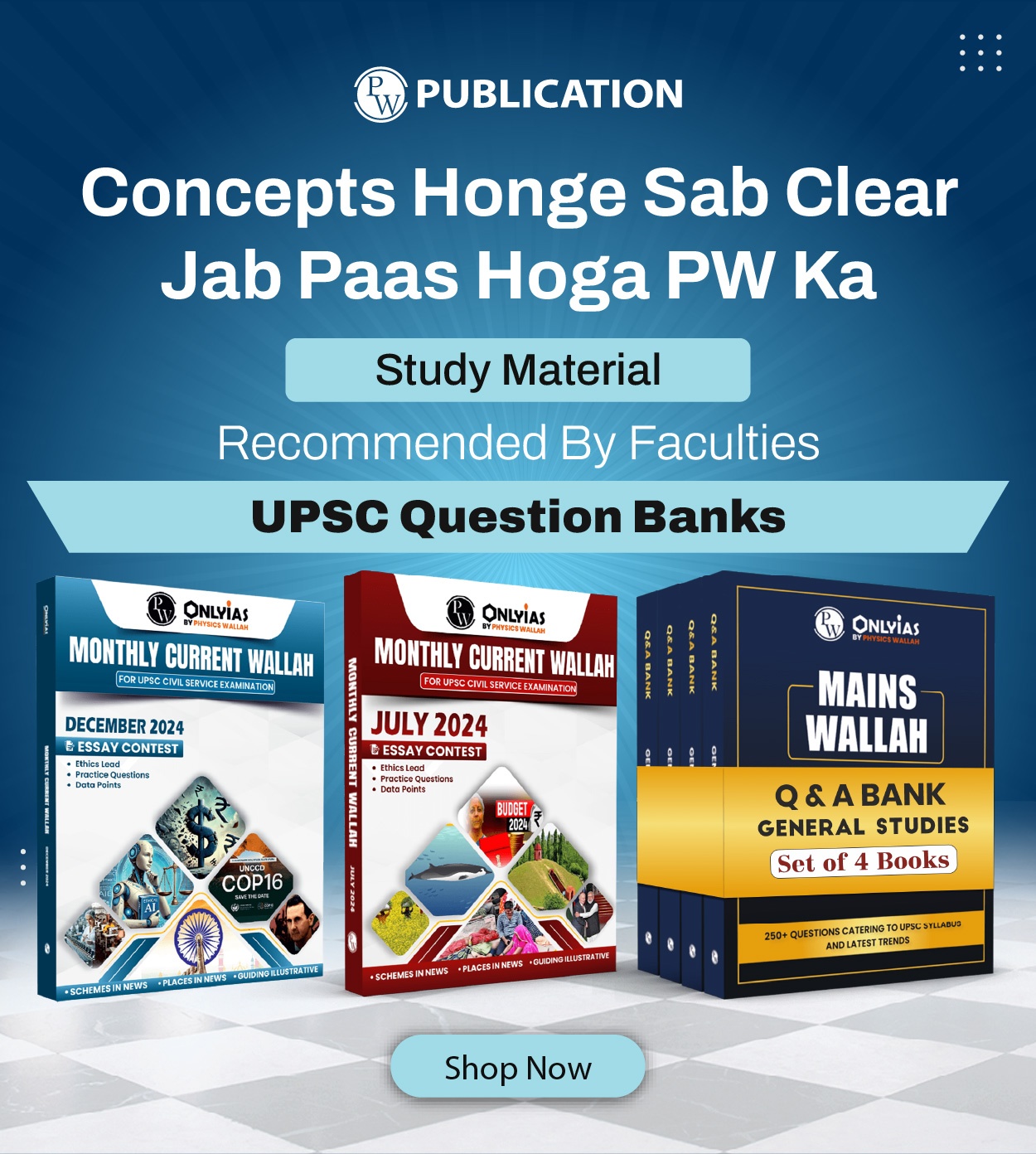
The UPSC Prelims Questions featured in a comprehensive Q&A bank are curated practice items designed to mirror the actual exam pattern. Unlike random practice sets, a structured UPSC IAS prelims question bank organises content systematically.
It provides conceptual variety, testing both factual recall and analytical reasoning across core subjects like Polity, Economy, History, and Geography.
A high-quality UPSC prelims topic wise question bank serves several purposes:
-
It breaks down the vast syllabus into manageable sub-topics.
-
It includes a dual-solution approach with detailed step-by-step explanations alongside quick mental shortcuts.
-
It covers application-based scenarios that align with modern civil services trends.
-
It provides dedicated practice for reading comprehension, logical reasoning, and quantitative aptitude.
Where UPSC Prelims Questions Fit in the Preparation?
Understanding when to attempt UPSC Prelims Questions keeps you from wasting valuable study resources. Beginners often make the mistake of jumping directly into full-length UPSC test series or final previous years' papers without checking their topic-specific understanding.
The ideal progression begins with foundational reading using NCERTs or standard reference textbooks. Once you finish a topic, you immediately transition to a quality question bank for IAS to reinforce facts before they slip from your memory.
This acts as an essential intermediate testing phase. Only after clearing this topic-wise hurdle should you advance to official previous years' questions and full-length simulated mock test series.
Benefits of UPSC Prelims Questions
Timing your practice perfectly brings major advantages to your daily study routine. Working through UPSC Prelims Questions when your theoretical concepts are fresh yields several benefits:
-
Immediate Feedback: You instantly find out if you actually understood the chapter you just read or if you missed core details.
-
Better Retention: Active recall through question-solving forms stronger mental connections than passive re-reading.
-
Time Management: Practising short, topic-specific sets helps build your speed and accuracy early in the preparation cycle.
-
Elimination Skills: You learn how to spot traps, qualifiers, and extreme statements in a low-stakes environment.
Using these resources correctly saves months of unstructured study and prevents common exam-day surprises.
When to Use UPSC Prelims Questions?
To get the most out of your study sessions, you need to know exactly when to open your practice UPSC books. The right times to solve UPSC Prelims Questions include:
1. Immediately After Completing a Chapter
Do not wait to finish the entire polity or economy syllabus before testing yourself. As soon as you finish a specific chapter, such as Fundamental Rights or National Income, solve the relevant section in your UPSC prelims study material.
2. During Weekly Revision Cycles
Dedicate your weekends to active revision. Instead of just flipping through your handwritten notes, solve 30 to 50 targeted items to test your memory retention from the past week.
3. Before Starting Previous Years' Papers
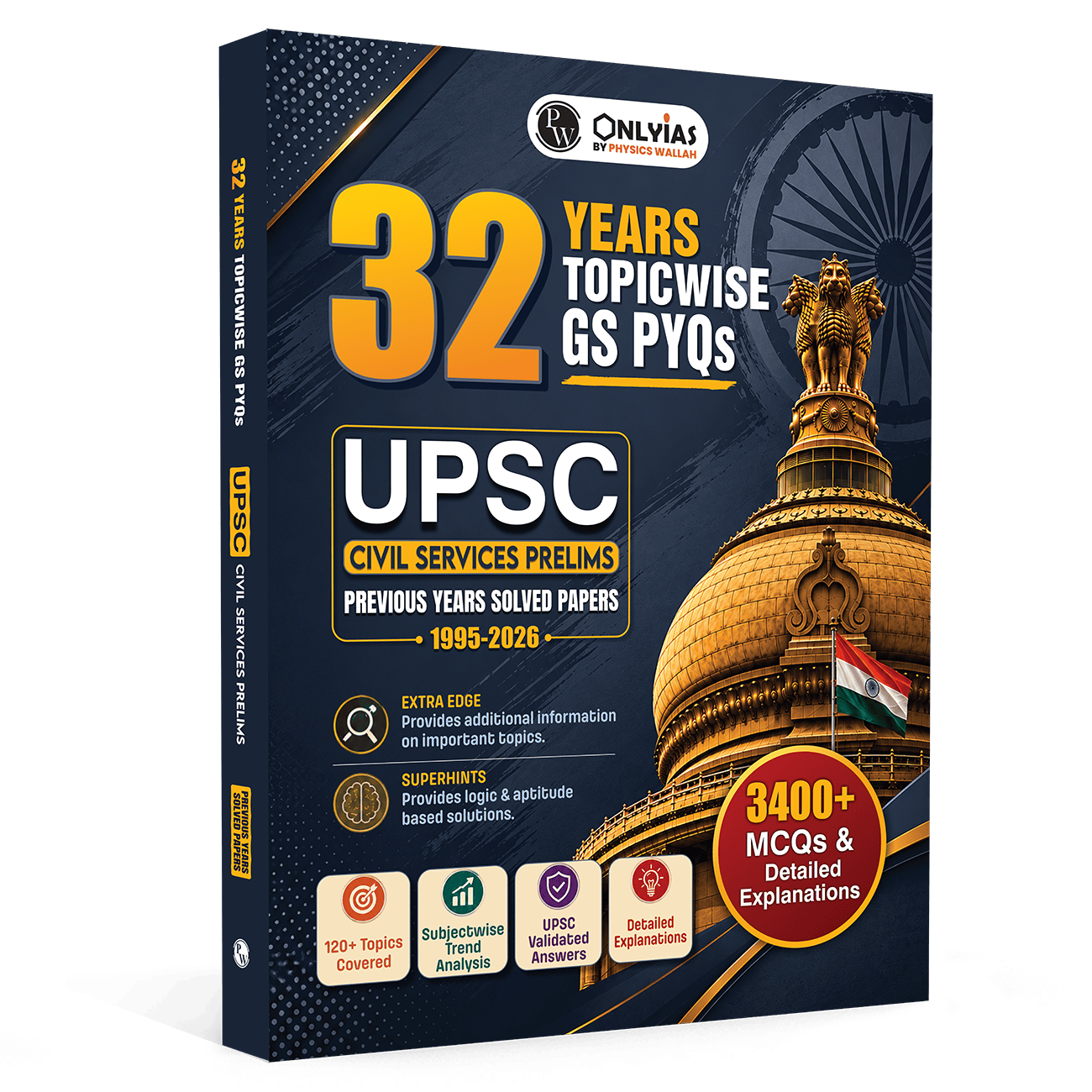
Use a topic-wise UPSC Previous Years Papers as a warm-up exercise. Solving curated practice items prepares your brain for the language, phrasing, and structural complexity of real historical papers.
How to Balance UPSC Prelims Questions, PYQs, and Test Series
Balancing different types of study resources can be tricky. A common error is treating a topic-wise bank, historical papers, and test series as identical tools, when they actually serve different purposes.
|
Resource Type |
Primary Purpose |
Ideal Frequency |
|
Topic-Wise Q&A Bank |
Concept reinforcement and targeted factual tracking |
Daily, right after reading standard chapters |
|
Previous Years' Questions (PYQs) |
Understanding exam trends, language, and core themes |
Bi-weekly or after finishing an entire subject |
|
Full-Length Test Series |
Building exam-day stamina, time management, and handling pressure |
Weekly or bi-weekly during the final 3–4 months |
By allocating specific roles to each resource, you prevent burnout and ensure steady academic progress.
Study Plan for Solving UPSC Prelims Questions
Integrating structured practice into your daily schedule requires a clear, repeatable system. Here is a practical workflow to combine your reading with targeted problem-solving:
Step 1: The Study PhaseSpend 2–3 hours reading a specific topic from standard textbooks or foundational notes. Highlight core concepts, timelines, and legal clauses.
Step 2: The Targeted Practice Phase
Open your UPSC Prelims Questions bank and select the exact topic you just studied. Attempt 20–30 questions without looking at the answer keys.
Step 3: The Review Phase
Check your answers and read the explanations thoroughly. Pay close attention to the questions you got wrong or guessed correctly by accident. Update your primary notes with any new facts or shortcuts you find.
Step 4: The Digital Archive Phase
Keep a digital folder or notebook to store your question bank for UPSC prelims pdf files and bookmarked items for quick reviews during the final weeks before the exam.
Common Mistakes to Avoid While Using UPSC Prelims Questions
Even with the right resources, incorrect study habits can stall your progress. Avoid these common pitfalls when practicing your question sets:
-
Memorising the Answers: Focus on understanding the underlying concept and the logic behind the solution, rather than just memorising the answer options.
-
Neglecting the Explanations: The true value of a practice book lies in its answer key. Skipping the detailed breakdowns means you miss out on learning alternative problem-solving shortcuts.
-
Tracking Scores Instead of Concepts: Do not worry too much about low scores during the early stages. Use early mistakes as diagnostic tools to uncover gaps in your knowledge.
-
Irregular Practice: Solving 100 questions in a single day once a month is far less effective than solving 15–20 questions consistently every single day.
Read More: UPSC Exam Preparation with Question Bank
UPSC Prelims Questions Bank FAQs
When should I start solving topic-wise UPSC Prelims Questions?
You should begin solving topic-wise items immediately after completing your first reading of a specific chapter. This helps lock in the information and highlights any gaps in your understanding right away.
Can a question bank for IAS replace standard textbooks?
No, a practice bank is designed to supplement your standard textbooks, not replace them. Use your primary books to build a strong theoretical foundation, and use the question bank to test and refine that knowledge.
How do I use a question bank for UPSC prelims alongside previous years papers?
Use the topic-wise practice bank first to build your confidence and check your basic facts. Once you are consistently scoring well there, move on to historical exam papers to familiarise yourself with the official exam trends.
Where can I find a reliable UPSC IAS prelims question bank that includes CSAT?
Reliable options are available through structured civil services preparation books that offer a dual-solution approach. These books provide both detailed conceptual steps and quick analytical shortcuts for general studies and aptitude papers.
Should I make separate notes from a UPSC prelims topic wise question bank?
You do not need to write out every explanation. Simply add new facts, unique shortcuts, or common traps you uncovered during practice directly into the margins of your existing primary study notes.