When to use UPSC Ancient and Medieval History Mind Maps in your Prelims Revision
A vast syllabus and massive factual overload often overwhelm civil services aspirants preparing for the Preliminary exam. History requires remembering countless dynasties, intricate administrative terms, and cultural developments.
Traditional textbooks make quick revision difficult as the exam approaches. This is where UPSC ancient and medieval history mind maps become essential tools, transforming lengthy textual information into clear, structured, and visual frameworks for faster memory retention.
What Are UPSC Ancient and Medieval History Mind Maps?
An ancient and medieval history mind map simplifies complex historical data into single-page visual diagrams. Instead of reading through hundreds of pages of text, these maps connect central themes to smaller sub-topics using flowcharts, timelines, and clear branches.
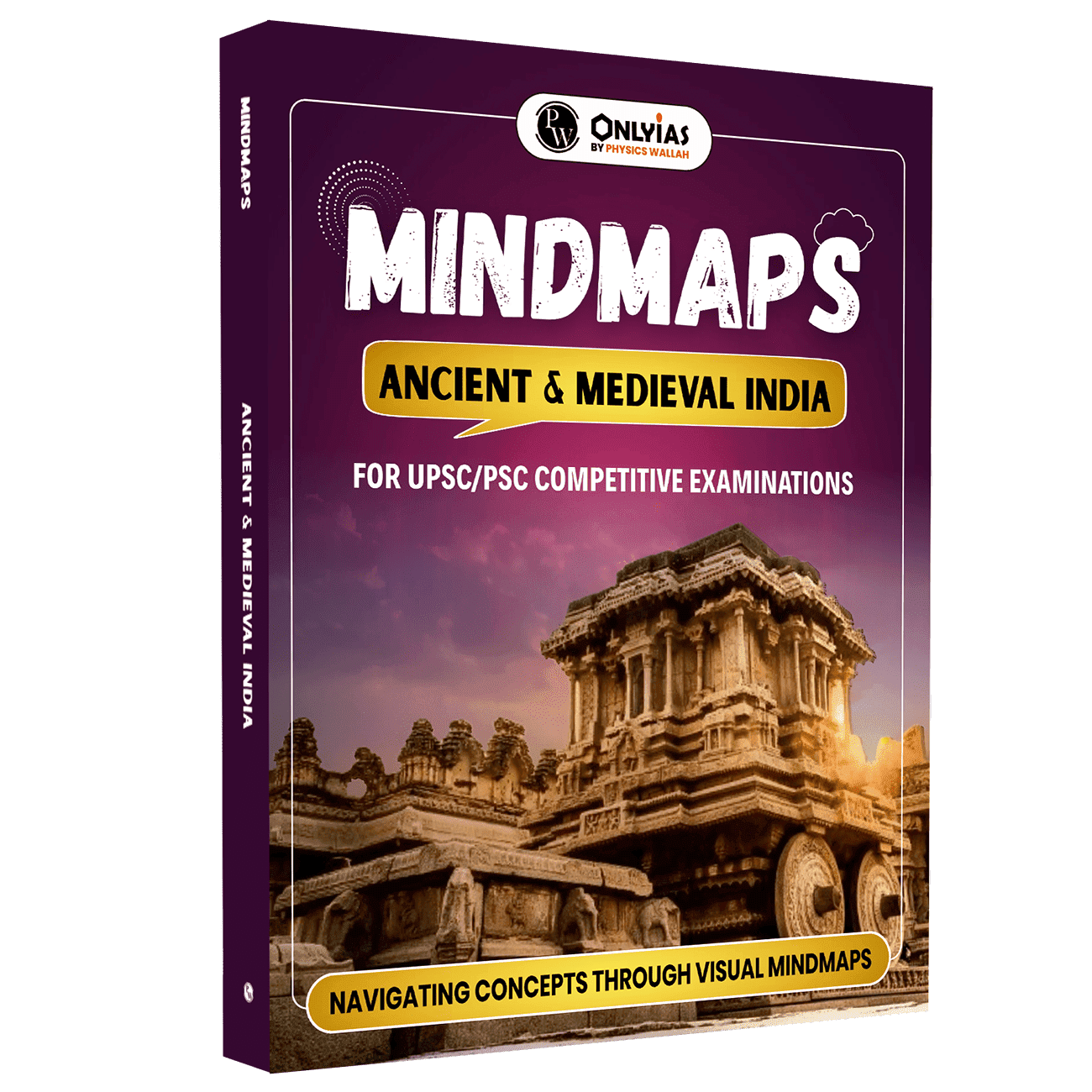
A standard UPSC mind map book contains structured outlines of major historical periods. For UPSC ancient and medieval India, these visual layouts capture the essence of political structures, socio-economic changes, religious movements, and art forms.
They act as ready-to-use summaries that help aspirants avoid making their own notes from scratch, saving significant time during intense preparation phases.
Why Are UPSC Ancient and Medieval History Mind Maps Important?
The Preliminary exam tests conceptual clarity alongside a heavy amount of factual knowledge. Direct questions regarding ancient administrative terminology, specific terms for land revenue, and medieval trade routes appear regularly. Remembering these details requires continuous repetition.
Using UPSC ancient and medieval history mind maps helps you process this large amount of data efficiently. They break down long paragraphs into short, crisp points. This structure allows the brain to map associations between different historical periods, making it easier to eliminate incorrect options in multiple-choice questions.
To make revision more effective, aspirants can also combine this approach with UPSC Revision Books, which present important topics in a concise and organized format. Together, visual mapping and structured revision resources can improve retention, reduce revision time, and strengthen recall during the final stages of preparation.
When Should You Start Using UPSC Ancient and Medieval History Mind Maps?
Timing your study resources is vital for effective preparation. You should start using these mind maps once you finish your basic textbook readings. Introducing them too early can lead to a lack of conceptual depth, while introducing them too late might cause panic.
-
During the Dedicated Revision Phase: The ideal time to introduce UPSC ancient and medieval history mind maps is roughly three to four months before the Prelims exam.
-
Immediately After Completing a Chapter: Use ancient india mind maps right after reading chapters on the Indus Valley Civilisation or the Mauryan Empire to lock in the information.
-
During Weekly Mock Test Analysis: Review relevant sections of your mind maps whenever you get a history question wrong in a mock test.
-
In the Final Week Before Prelims: Use these visual guides as your primary tool for lightning-fast revisions when you cannot afford to flip through heavy books.
Benefits of UPSC Ancient and Medieval History Mind Maps
Using visual aids brings multiple advantages to your routine, especially for memory-heavy subjects like history.
-
Simplified Visuals for Complex Concepts: Complex administrative setups, such as the Delhi Sultanate's central ministries or Chola local governance, become easy to grasp through flowcharts.
-
Holistic Subject Coverage: A comprehensive map ensures you do not miss out on smaller themes like Bhakti saints, temple architecture styles, or foreign travellers.
-
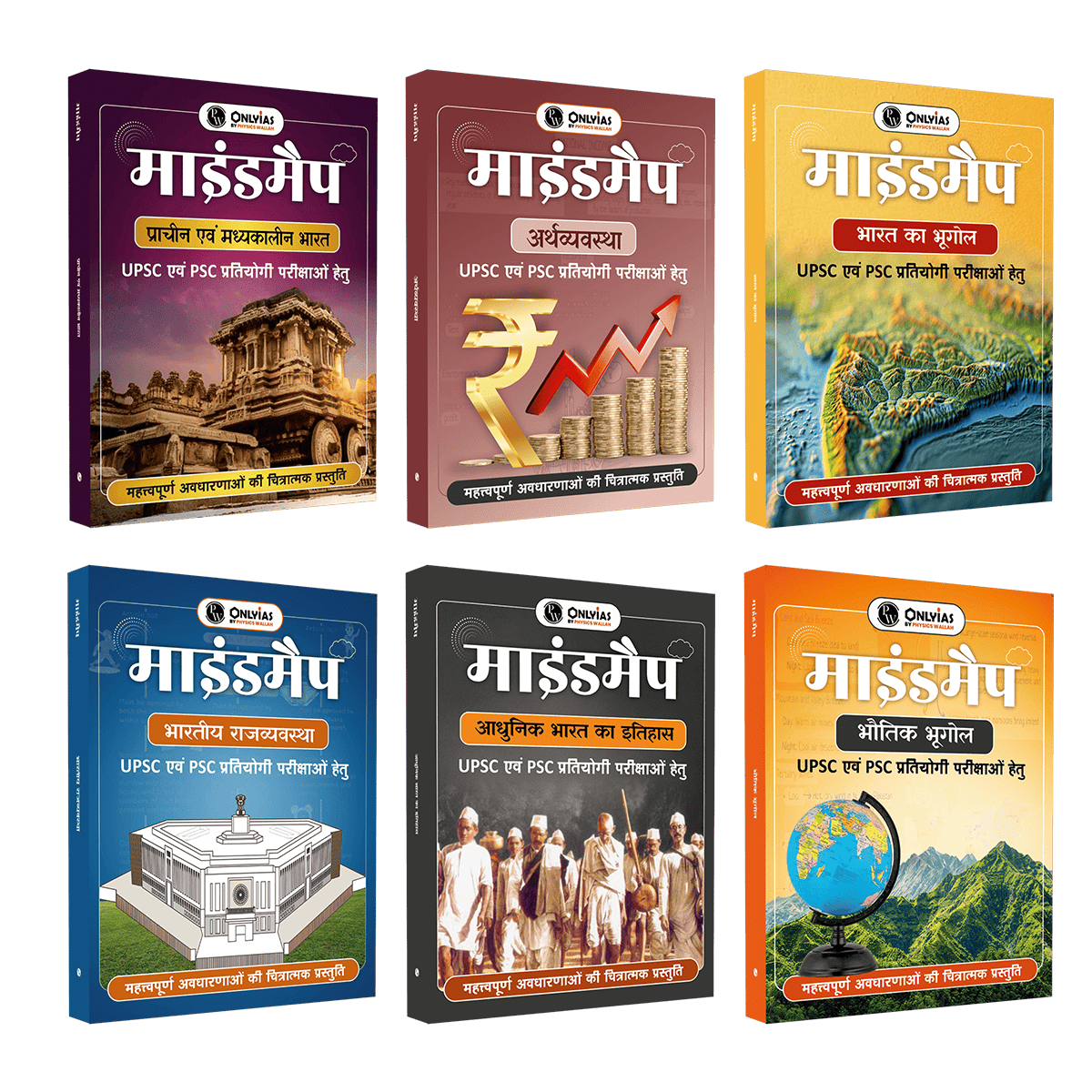
Quick Revision for Faster Retention: You can review an entire century of history in just ten minutes, which keeps the facts fresh in your mind. Resources such as the UPSC Mindmap Combo Set 6 can support rapid revision by presenting information in a compact and visually structured format.
-
Enhanced Memory Recall: Visual elements create strong mental triggers, making factual retrieval much easier in the high-pressure environment of the examination hall.
-
Exam-Oriented Approach: These tools focus strictly on trends and topics that are highly relevant to the civil services syllabus, cutting out unnecessary academic fluff.
How to Use UPSC Ancient and Medieval History Mind Maps?
Simply looking at a visual chart is not enough to score well. You need an active approach to get the most out of your UPSC history mind maps.
First, keep your standard reference textbook open alongside your mind map. Read a specific section, then look at the chart to see how the information is structured. This helps you understand the hierarchy of facts. Next, practice active recall by covering parts of the map and trying to remember the connected branches from memory.
You can also add your own short sticky notes directly onto the charts when you discover new trivia from mock tests.
|
Historical Period |
Key Focus Areas for Mind Mapping |
|
Ancient India |
Indus Valley sites, Vedic rituals, Buddhism & Jainism tenets, Mauryan administration, and Gupta art. |
|
Medieval India |
Tripartite struggle, Delhi Sultanate reforms, Mughal architecture, Vijayanagara Empire culture, and Maratha administration. |
Study Plan for Using UPSC Ancient and Medieval History Mind Maps
Integrating visual tools into your broader history revision for UPSC requires a step-by-step strategy.
Begin your revision session by spending fifteen minutes reviewing medieval India mind maps from the previous day's topics. This builds continuity. When studying new topics, use the mind map as an anchor to understand how different eras connect—for instance, how land revenue systems evolved from the Mauryas down to the Mughals.
Combine your map reading with solving UPSC PYQs to make your preparation more exam-oriented. Previous year questions help you identify recurring themes and understand how historical concepts are tested in the actual examination. If a question appears about a specific term used in the Gupta administration, find that exact branch on your mind map and connect it with similar questions from earlier years. This practice strengthens contextual learning, improves retention, and ensures you know how to apply visual knowledge effectively during the exam.
Common Mistakes to Avoid While Using UPSC Ancient and Medieval History Mind Maps
A common error is treating a mind map book as a complete replacement for standard textbooks. Mind maps are designed to assist revision, not to introduce concepts for the very first time. Skipping your foundational reading will leave gaps in your understanding of historical contexts.
Another mistake is passive reading. Simply staring at a diagram without trying to recall the underlying details will not help with long-term memory. Avoid collecting too many different sets of mind maps from various sources, as this creates visual confusion. Stick to one reliable, comprehensive resource and revise it multiple times to build strong visual memory.
Read More: History Books for UPSC IAS Exam
UPSC Ancient and Medieval History Mind Maps FAQs
Q1: Can I rely entirely on UPSC ancient and medieval history mind maps to clear the history section?
A1: No, mind maps are revision aids designed to help retain facts and structures. You must first read standard reference textbooks to build a strong foundational understanding of historical concepts.
Q2: When is the best time to start using ancient India mind maps during preparation?
A2: The best time is during your dedicated revision phase, ideally three to four months before the Prelims exam, after you have finished reading your main textbooks at least once.
Q3: How do medieval India mind maps help with chronological questions?
A3: These mind maps arrange historical events, dynasties, and battles in sequential flowcharts, making it much easier to memorize timelines and accurately answer chronology-based questions.