Which Months of Current Affairs Are Most Important for UPSC Prelims

Navigating the vast ocean of daily news stands as the biggest hurdle for Civil Services Examination aspirants. Preparing for UPSC current affairs causes massive anxiety because students struggle to separate high-yield topics from daily media noise.
Knowing exactly which months demand maximum focus helps you distribute your limited study hours efficiently. This detailed article highlights the high-priority monthly timelines, syllabus weightage, and execution strategies needed to clear the cutoff.
Importance of UPSC Current Affairs
Current affairs are one of the most important parts of UPSC preparation because they influence both the Prelims and Mains examinations. A large number of questions are directly or indirectly linked to recent national and international developments, government schemes, economic policies, environmental issues, and scientific advancements.
Strong current affairs preparation helps aspirants connect static subjects such as Polity, History, Geography, and Economy with real-world events, making concepts easier to understand and apply. It also improves answer-writing quality in Mains by providing relevant examples, data, and case studies.
Consistent coverage of current affairs enables candidates to stay updated with important developments, strengthen analytical thinking, and improve their overall performance in the UPSC examination.
What are the Important Months for UPSC Current Affairs?
The Civil Services Examination timeline demands a structured preparation window. For the Prelims exam scheduled for May 24, 2026, your primary preparation core spans 12 to 15 months, covering events from March 2025 up to April 2026. However, the distribution of questions across these months is never uniform.
A close look at past trends shows that the months can be divided into three distinct priority zones. Managing your time according to these zones ensures you do not waste weeks on low-yield data.
Highly Critical Months
The months between October and April, right before the Prelims exam, are the most critical. Around 60% to 70% of all current-affairs-based questions come from this seven-month window. Major policy initiatives, international treaties, national welfare programs, and economic indices are usually finalized or reviewed during this winter-to-spring period.
Moderate to High Importance
The months from June to September of the previous year form your core foundation. This phase involves major legislative bills during the Monsoon Session of Parliament, environmental issues connected to the monsoon patterns, and global summits. Missing these months leaves dangerous gaps in your conceptual foundation.
Baseline Importance
The months of March, April, and May of the previous year serve as your baseline buffer zone. Questions from this period focus strictly on massive, long-term institutional shifts, major judicial verdicts, or deep science developments that stay relevant for more than a year.
Priority Topics in UPSC Current Affairs
Different parts of the syllabus respond differently to daily developments. The General Studies Paper 1 filters static subjects through the lens of recent national and global events. A clear syllabus table helps you track exactly where these questions hit and how much weight they carry.
|
Topic Category |
Example Topics |
Marks / Weightage |
|
Economy & Budget |
Economic survey, budget highlights, banking reforms, GST updates |
5–10 marks in Prelims |
|
National Affairs |
Welfare initiatives, welfare policies, central schemes, policy updates |
5–10 marks in Prelims |
|
Environment & Ecology |
Climate change, wildlife sanctuaries, national parks, green policies |
2–5 marks in Prelims |
|
International Affairs |
UN events, global summits, bilateral treaties, geopolitical shifts |
3–5 marks in Prelims |
|
Science & Technology |
Space missions, defense systems, new technologies, AI updates |
2–5 marks in Prelims |
|
Awards & Recognitions |
National and international awards, major recognitions, and Nobel prizes |
1–3 marks in Prelims |
Economy and Budget Developments
The Union Budget and the Economic Survey come out in late January or February. This makes the late-winter monthly updates indispensable. Questions from this section often merge static banking and fiscal concepts with dynamic policy changes, directly affecting your final Prelims score.
Environment and International Relations
Environmental updates remain dynamic throughout the year. Important global summits like the UN Framework Convention on Climate Change (UNFCCC) Conference of the Parties (COP) usually happen between November and December. Similarly, bilateral visits and geopolitical changes peak during the latter half of the year, making those monthly roundups vital for international relations.
How to Select the Right UPSC Current Affairs Book?
Trying to compile daily developments from multiple news websites consumes too much time. Using a dedicated UPSC current affairs book simplifies your workspace and keeps your focus on processing information rather than gathering it.
-
Everything in One Place: You do not need to read multiple newspapers or chaotic web sources, which saves your daily study time.
-
Easy to Understand: Complex macro-economic changes or legal frameworks are explained in simple language, which helps beginners build clear concepts.
-
Useful for Dual Stages: For Prelims, it helps you remember important facts, schemes, and reports. For Mains, it helps you understand core issues and write balanced answers.
-
Practice Questions Included: High-quality monthly resources provide practice questions and MCQs to help you check your retention and boost exam confidence.
-
Quick Revision Made Easy: Short notes, pointers, and visual tables allow you to run multiple revision cycles before the exam day arrives.
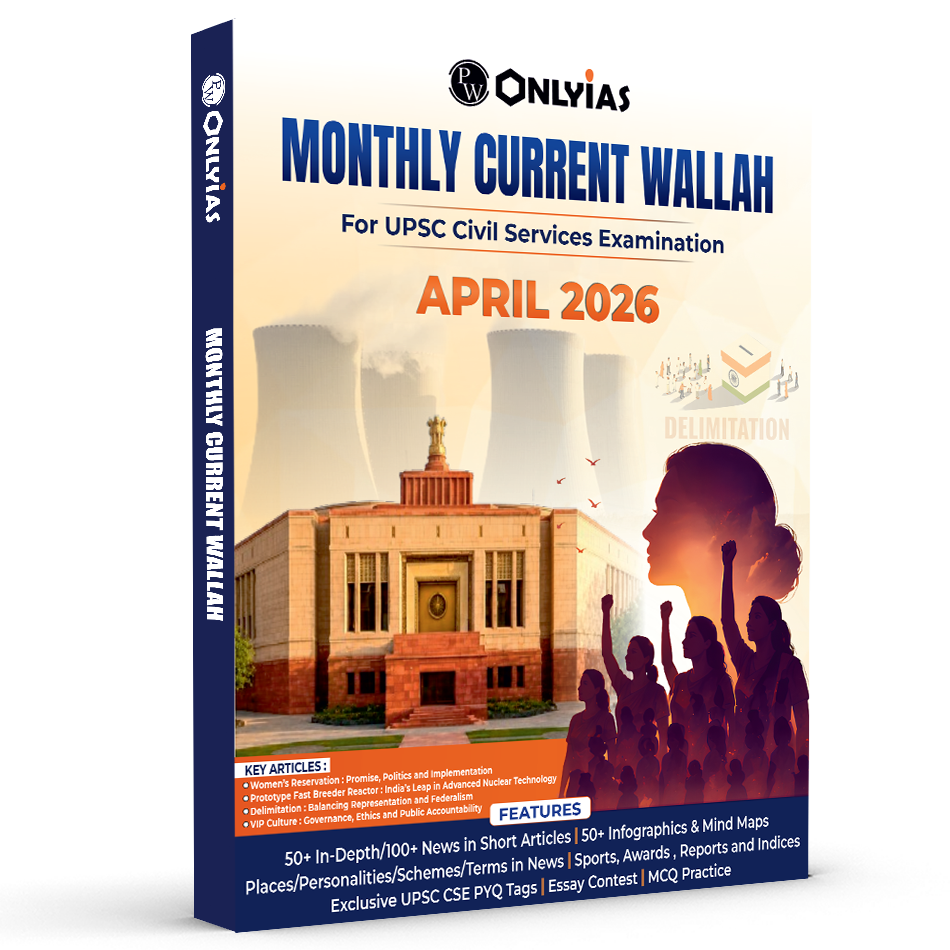
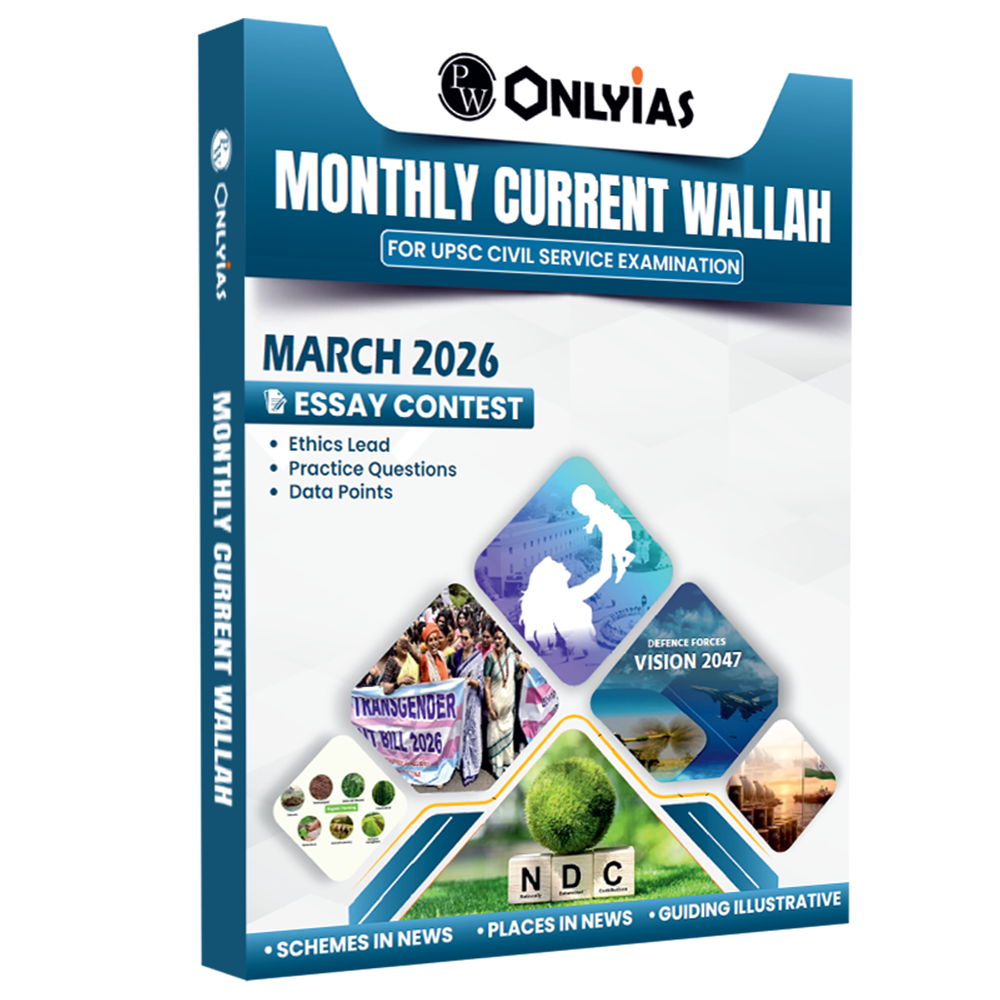
A professional monthly magazine, streamlines your preparation by compiling national security, science developments, and legislative data into accessible, exam-ready chapters.
Study Strategy for Studying UPSC Current Affairs
Covering more than a year of news requires an organized, system-driven workflow. Without a clear process, you risk reading the same month repeatedly while running out of time for critical static subjects like History or Polity.
Step 1: Establish Your Daily Reading Baseline
Spend no more than 45 to 60 minutes each morning scanning a standard national newspaper. Do not try to memorize minor names, dates, or tiny statistics during this phase. Focus entirely on understanding the core issue and identifying why a topic matters to the national interest.
Step 2: Integrate Curated Monthly Magazines
At the end of every month, replace your loose daily notes with a comprehensive current affairs for IAS monthly guide. Use this guide to fill visual gaps, check data lists, and align daily events with specific sections of the General Studies syllabus.
Step 3: Run the High-Priority Six-Month Revision
As the exam approaches, pick up your targeted UPSC current affairs book 2026 resources covering the high-priority window of October to April. Read through these core modules at least three times, focusing heavily on central government schemes, international map locations, and economic terms.
Step 4: Solve Monthly Practice MCQs
Never enter the exam hall without practicing application-based questions. Solve a dedicated current affairs PDF question bank or online quiz at regular intervals. This training helps you spot trap options and teaches you how to eliminate incorrect statements under time pressure.
Check out: UPSC Previous Year Papers
Revision Tips for UPSC Current Affairs PDF
Digital updates and downloadable summary notes are excellent tools for fast-paced revision.
-
Filter by Theme: Group your digital notes into specific folders like Economy, Science and Tech, or Environment, instead of tracking them purely by month.
-
Highlight Keyword Connections: Mark the intersections where static constitutional articles connect directly with recent judicial updates or bills.
-
Review on the Go: Use short summary documents on your tablet or phone to turn empty travel hours into productive revision sessions.
Focusing your energy on the peak winter and spring months, practicing regular mock tests, and using well-structured resource materials will turn this massive syllabus into a manageable, high-scoring asset.
UPSC Current Affairs FAQs
Q1. For how many months should I prepare current affairs before the Prelims exam?
A1. An aspirant should ideally prepare current affairs for 12 to 15 months before the exam date. For instance, if the Prelims exam takes place in May 2026, you must comprehensively cover events from March 2025 up to April 2026 to stay safe across all subjects.
Q2. Which specific months carry the highest weightage for the current affairs for IAS preparation?
A2. The seven months from October to April, right before the test, carry the highest weightage for current affairs for IAS. This peak phase covers major policy announcements, international summits, national budget changes, and the economic survey.
Q3. Is reading a monthly current affairs book better than relying on daily newspaper notes?
A3. A monthly current affairs book is highly efficient because it gathers scattered daily news, removes fluff, and arranges events logically by syllabus topic. This prevents duplication of effort and saves you hours of manual formatting every single day.
Q4. Can I rely solely on a current affairs PDF for my final revision phase?
A4. A targeted current affairs PDF or crisp monthly summary is an excellent asset for your final revision rounds. It allows you to quickly scan core statistics, scheme names, and global map locations without flipping through thousands of loose daily pages.
Q5. What are the high-priority topics to track in a current affairs book 2026 edition?
A5. A reliable current affairs book 2026 edition must be used to master the Union Budget highlights, the latest Economic Survey data, central welfare initiatives, space exploration programs, and international environmental treaties signed during the winter season.