Who Benefits Most from 32 Years of UPSC GS PYQ — Beginners or Advanced Aspirants
Navigating the vast ocean of the Civil Services Examination requires a reliable compass. For many, that compass is the UPSC GS PYQ collection. Aspirants often debate whether deep historical data helps newcomers establish a foundation or assists veterans in fine-tuning their strategy.
Analyzing past trends from 1995 to 2025 provides distinct advantages to both groups. Understanding how to apply these previous questions determines your preparation speed and depth. This article clarifies which category of learners gains the ultimate edge from studying three decades of examination data.
What Is UPSC GS PYQ?
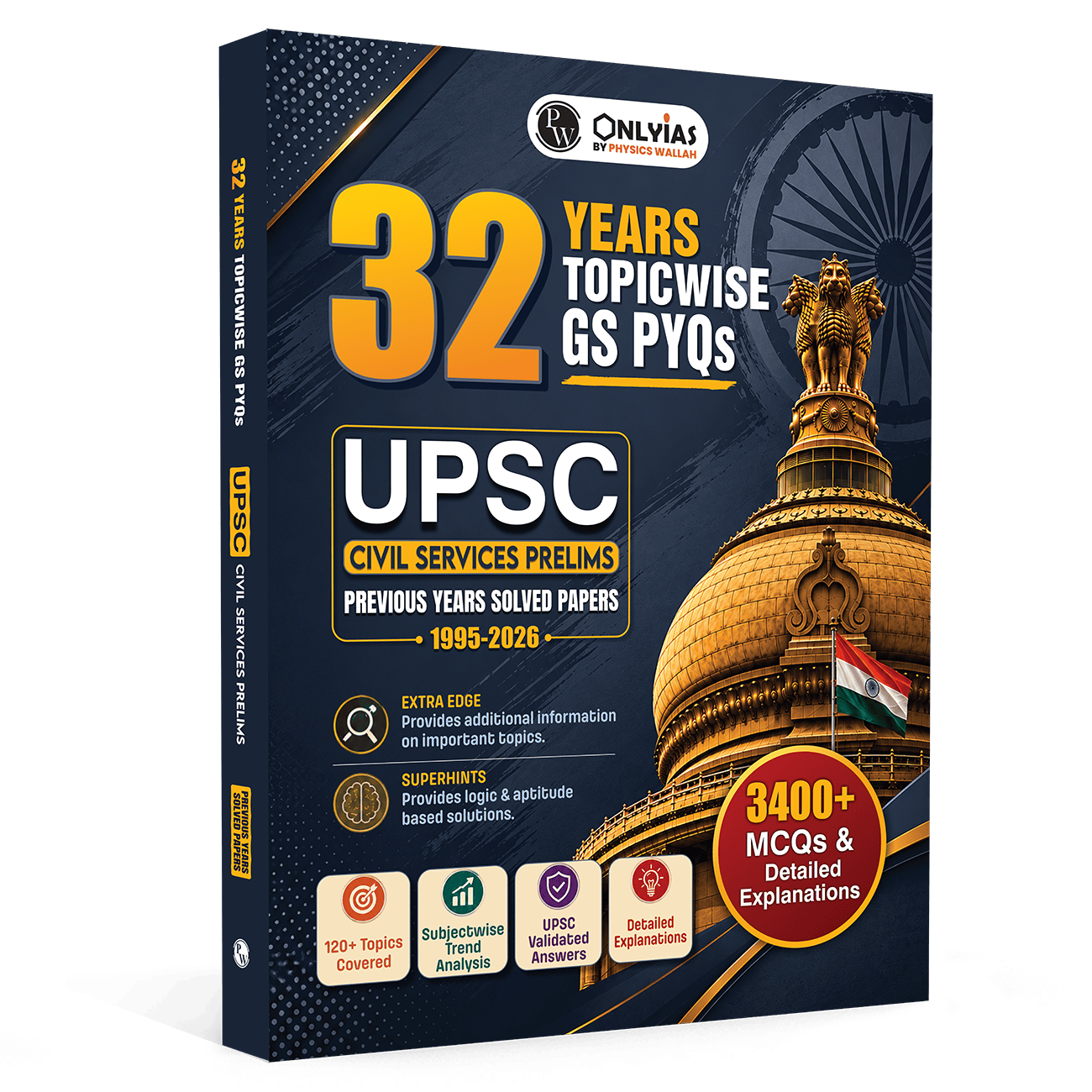
The UPSC GS PYQ refers to the compiled General Studies Previous Year Questions from the Preliminary examination. This compilation organizes official questions across 32 years, specifically covering the timeframe from 1995 to 2025. It moves beyond random question banks by gathering authentic, verified question sets that test specific static and dynamic themes.
A standard UPSC GS paper 1 PYQ repository covers over 3,400 high-quality multiple-choice questions (MCQs). These papers are systematically divided into over 120 distinct topics, creating a neat structure for study. The subject areas tracking this historical timeline include:
-
Polity & Governance: Constitutional articles, parliament operations, and local governance.
-
History & Culture: Ancient, medieval, modern Indian history, and the national movement.
-
Geography: Indian and world physical geography, resource distribution, and maps.
-
Economy: Banking, inflation, national income, and international trade.
-
Environment & Ecology: Biodiversity, climate change, national parks, and international protocols.
-
General Science: Basic sciences and ongoing technological developments.
-
Aptitude Areas: Analytical reasoning, quantitative aptitude, and mental ability segments are relevant to historical screening.
Why Does UPSC GS PYQ Matter for Every Aspirant?
Using a comprehensive UPSC prelims PYQ book is essential because the civil services exam is known for unexpected changes in question patterns. While the syllabus remains constant, the style of testing evolves.
Reviewing 32 years of question papers uncovers the fundamental DNA of the exam.
The commission frequently revisits older concepts. A theme touched upon lightly in 1998 or 2004 can appear as a detailed multi-statement question in recent cycles. Tracking these patterns prevents candidates from getting lost in endless study materials.
It separates high-yield focus areas from low-yield topics. This systematic collection offers an official blueprint, helping candidates see exactly where textbook concepts turn into challenging test questions.
How Can Beginners Use UPSC GS PYQs?
For a beginner, a comprehensive UPSC GS PYQ book serves as an instructional guide before they dive deeply into standard textbooks. It removes guesswork and helps build a focused approach right from the start.
1. Understanding the Language of the Exam
Beginners often struggle with how questions are worded. Statements use specific qualifiers like "only", "all", or "strictly" to test an aspirant's confidence. Reading historical papers helps newcomers get used to this phrasing, reducing anxiety and preventing them from misinterpreting simple prompts during practice.
2. Defining Study Boundaries
The civil services syllabus is famously broad, leading many beginners to spend too much time on irrelevant details. Cross-referencing standard books with historical questions reveals the exact depth required.
For instance, reading textbook chapters on the "Preamble" alonGSide matching questions helps a beginner focus on how philosophical ideas like justice and liberty are actually tested.
How Should Advanced Aspirants Use UPSC GS PYQ?
Advanced candidates who have completed their basic syllabus use the UPSC PYQ book differently. For them, it is a tool for diagnostic evaluation, reverse engineering, and improving accuracy.
1. Mastering the Art of Elimination
When candidates face difficult 50-50 options, success depends on logical guessing and elimination strategies. By examining 32 years of questions, advanced students can spot recurring logical traps, subtle flaws in distractor options, and common patterns in incorrect statements.
2. Reverse-Engineering Key Themes
Veterans do not just look at the correct answers; they analyze the wrong options too. An incorrect option used as filler in a 2017 paper could easily become the main subject of a future question. This technique allows advanced students to anticipate trends and build a solid knowledge base that protects them against surprise changes in the exam pattern.
3. Tracking Thematic Evolution
Advanced students track how specific themes grow over time. They look at how a basic factual query from the late 1990s turns into a complex, multi-layered question today. This helps them study static themes with a modern, dynamic perspective.
Who Gets the Most Value from UPSC GS PYQ?
Both groups gain clear advantages from historical papers, but they find value in different ways based on their preparation stage. Along with analysing previous papers, using well-structured UPSC Books helps aspirants build conceptual clarity, strengthen subject coverage, and create a more balanced preparation strategy according to their individual needs.
|
Feature / Benefit |
Beginners |
Advanced Aspirants |
|
Primary Objective |
Syllabus decoding & boundary setting |
Refining elimination skills & filling knowledge gaps |
|
Methodology |
Forward integration (Syllabus to Book) |
Reverse engineering (Option analysis to Research) |
|
Time Investment |
Slow, conceptual mapping by topic |
Fast-paced thematic revision & trend tracking |
|
Key Advantage |
Prevents resource overload early on |
Boosts accuracy in close, multi-statement questions |
When to Start Using UPSC GS PYQ?
Timing your entry into past papers determines how useful they will be. The ideal schedule depends on your current preparation level:
-
Phase 1 (The Absolute Start): Look through a PYQ GS 1 UPSC reference index on day one. Before reading any heavy textbook, read the topic headinGS of past questions to see what matters.
-
Phase 2 (During First Read): Use past papers along with your daily reading. When you finish a section like Fundamental Rights, open your topic-wise question bank immediately to check your understanding.
-
Phase 3 (During Revision Cycles): Switch to timed, year-wise solving during the final months before the preliminary exam. This develops mental stamina and teaches you to handle sudden shifts between different subjects.
Study Plan for Using UPSC GS PYQ
To get the most out of your 32-year question bank, use a structured step-by-step strategy instead of random practice sessions.
Step 1: Categorize and Group Your Practice
Avoid jumping randomly across different years. Work through a topic-wise layout that matches your daily study schedule. Group your practice by subject areas like history, geography, or economics to build consistent conceptual clarity.
Step 2: Use the Three-Bucket Error Analysis
When you mark an answer incorrectly, assign it to one of three specific error buckets to track your performance:
-
Lack of Content: You had no prior knowledge of the topic.
-
Conceptual Confusion: You knew the topic but got confused between the final choices.
-
Silly Mistake: You misread key words or filled out the answer sheet incorrectly.
Step 3: Implement Visual Mapping
Incorporate maps, flowcharts, and diagrams into your review sessions. Link geographical features, national parks, and historical sites from past papers directly to physical maps to improve your visual memory and retention.
To strengthen this process further, resources like the Quarterly Current Affair UPSC Jan 2026 can help connect current events with static subjects, making revision more integrated and improving answer application during preparation.
Common Mistakes to Avoid While Using UPSC GS PYQ
Many candidates fail to make the most of past papers because they fall into common practice traps.
-
Memorizing Answers Instead of Concepts: Memorizing the correct option does not help. Focus on understanding the underlying concept, because the exam changes the presentation even when reusing themes.
-
Ignoring Wrong Options: Treating incorrect choices as useless text is a missed opportunity. Research all four options in a question, as they often hint at future exam topics.
-
Relying Only on Recent Papers: Looking just at the last five years leaves you exposed. The exam often brings back older testing styles from the early 2000s, making a long-term review much safer.
Read More: Are Last Years PYQs Enough for UPSC 2026 Preparation?
UPSC GS PYQ FAQs
Can I clear the exam by only practicing the UPSC GS PYQ?
No, past papers are meant to guide and complement your study, not replace standard textbooks. They show you trends and help test your knowledge, but you still need to build your core concepts from standard educational resources.
How does a topic-wise breakdown help beginners over year-wise papers?
A topic-wise setup lets beginners check their understanding of a specific subject immediately after reading it. Year-wise papers require completing the entire syllabus first, which can overwhelm newcomers early on.
What should I do when current affairs questions from 2002 appear?
Do not try to memorize outdated current events. Instead, look at how those questions were constructed to see what kinds of institutional roles, international treaties, or sports events attract attention.