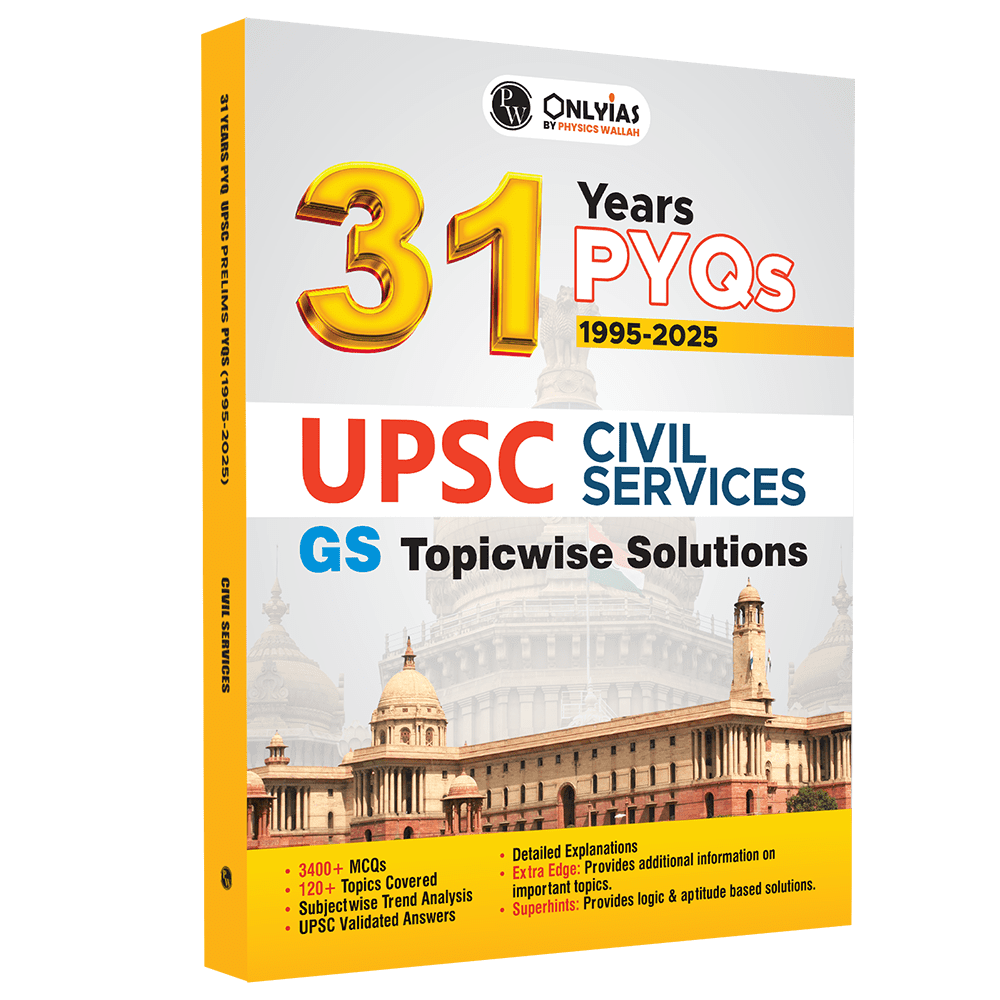
Why Solving 31 Years of UPSC GS PYQs is the Most Efficient Prelims Strategy

Many students spend months reading books, making notes, and studying current affairs, but still struggle to score well in the Prelims exam. This often happens because they focus only on learning information and do not spend enough time understanding how UPSC asks questions.
One of the smartest ways to improve preparation is by solving UPSC PYQ regularly. Previous year questions help students understand the exam pattern, important topics, and question styles used by UPSC over the years. By studying 31 years of General Studies questions, aspirants can learn what the UPSC expects and prepare more effectively.
Importance of UPSC PYQ
A PYQ is much more than a collection of old exam questions. It is a useful tool that helps students understand the thinking process of UPSC exam setters.
When students analyze questions from different years, they begin to notice common themes, repeated concepts, and important topics that appear regularly. This helps them focus on high-priority areas instead of trying to study everything equally.
Some important reasons why solving previous year questions is useful include:
-
Understanding the UPSC exam pattern
-
Learning the difficulty level of questions
-
Identifying frequently asked topics
-
Improving analytical thinking
-
Developing elimination techniques
-
Building exam confidence
Regular practice with previous year questions helps students prepare in a more practical and exam-focused manner.
Features of UPSC PYQ
A well-organized UPSC PYQ Book offers several features that support effective preparation. These features help students understand the exam pattern, improve their concepts, and build confidence through regular practice with actual UPSC questions.
Coverage of Multiple Years
Students can study questions from more than three decades of UPSC examinations. This helps them understand both old and modern question patterns. By analyzing questions from different years, aspirants can identify recurring themes and notice how the focus of the examination has changed over time. This broad exposure strengthens overall preparation.
Topic-Wise Question Distribution
Questions are divided into subjects and topics, making it easier to focus on specific areas of the syllabus. Students can practice questions related to one chapter immediately after completing it. This targeted approach improves understanding and helps connect theory with actual exam questions more effectively.
Detailed Solutions
Step-by-step explanations help students understand concepts instead of simply memorizing answers. Detailed solutions explain the logic behind every option and clarify why a particular answer is correct. This approach improves conceptual clarity and helps students avoid similar mistakes in future questions.
Exam Trend Analysis
Previous year questions reveal how UPSC has changed its focus across subjects over time. Students can identify important topics that appear repeatedly and understand which areas deserve extra attention. This makes preparation more focused and helps avoid spending too much time on low-priority topics.
Subject-Wise Learning
Students can practice questions from Polity, History, Geography, Economy, Environment, Science, and Current Affairs separately. This subject-wise structure helps build confidence in individual areas before moving to full-length practice papers. It also makes revision easier during the later stages of preparation.
Revision Support
Solving past papers serves as a powerful revision method because it combines concept review with practical application. Instead of only reading notes repeatedly, students actively test their knowledge through questions. This improves memory retention and helps identify weak areas that need further revision.
How to Prepare with UPSC PYQ?
Students can get maximum benefits from UPSC books by following a structured preparation strategy. Simply solving questions is not enough. The real benefit comes from understanding concepts, analyzing mistakes, and learning how UPSC frames questions.
Complete Basic Study First
Finish the basic theory from standard books before starting intensive previous year question practice. A strong understanding of concepts makes it easier to solve questions correctly and learn from them. Without basic knowledge, students may struggle to understand the logic behind the answers.
Solve Topic-Wise Questions
After completing a chapter, solve all related questions from previous years. This helps strengthen understanding and shows how UPSC asks questions from that topic. It also helps students identify the most important concepts and areas that require additional revision.
Analyze Every Question
Do not focus only on the correct answer. Study why other options are incorrect as well. Many UPSC questions are designed to test analytical thinking, so understanding the reasoning behind every option is extremely important. This habit improves elimination skills and overall accuracy.
Learn Question Patterns
Pay attention to common keywords, statement-based questions, and elimination opportunities. Over time, students begin to recognize patterns in the way UPSC frames questions. Understanding these patterns helps improve confidence and allows aspirants to solve difficult questions more effectively.
Make Notes
Write down important concepts and recurring topics that appear frequently in previous year questions. These notes become a valuable revision resource before the exam. Maintaining a separate notebook for important observations also helps students track commonly asked themes and focus their final revision more efficiently.
Study Plan for UPSC PYQ
A simple study plan can help students use UPSC previous year paper resources more effectively.
Phase 1: Topic-Wise Practice
Start by solving questions chapter by chapter.
During this phase:
-
Focus on understanding concepts
-
Learn question patterns
-
Improve subject knowledge
-
Build confidence
Phase 2: Subject-Wise Practice
Once topic-wise practice is complete:
-
Solve full subject sections
-
Improve speed
-
Identify weak areas
-
Revise important concepts
Phase 3: Year-Wise Practice
Move to complete papers from individual years.
During this stage:
-
Attempt papers under time limits
-
Build exam stamina
-
Improve decision-making
-
Practice answer selection
Phase 4: Final Revision
Before the exam:
-
Revise mistakes
-
Review important topics
-
Solve difficult questions again
-
Focus on frequently asked themes
This gradual approach helps students learn concepts and improve exam performance at the same time.
Check Out: PW UPSC Informative Atlas Book
Benefits of UPSC PYQ
Using PYQ regularly offers many benefits for UPSC aspirants throughout their preparation journey.
Better Understanding of Exam Pattern
Students become familiar with the way UPSC frames questions. This helps reduce surprises on exam day, improves question interpretation, and builds confidence while attempting difficult questions.
Identifies Important Topics
Previous year questions reveal topics that appear repeatedly in the examination. Students can focus more on these high-priority areas during revision and overall preparation.
Improves Elimination Skills
Many UPSC questions can be solved through logical elimination techniques. Regular practice helps students identify incorrect options quickly, think logically, and make better decisions.
Saves Study Time
Instead of reading every possible source available, students can focus on areas that have historically carried importance in the examination and improve study efficiency.
Improves Accuracy
Repeated practice with actual UPSC questions helps students avoid common mistakes, strengthen concepts, and improve answer accuracy over time.
Builds Exam Confidence
As students solve more previous year papers regularly, they become more comfortable with the exam format and develop confidence in their preparation level.
Tips for Using UPSC PYQ
Students can improve their performance by following these simple tips while solving UPSC previous year question paper sets during preparation.
Solve Questions After Every Chapter
Do not wait until the syllabus is complete. Practice relevant questions immediately after finishing a topic to strengthen understanding and retention.
Focus on Concepts
Try to understand why an answer is correct instead of simply memorizing facts. Strong concepts help in solving unfamiliar questions as well.
Study Wrong Options
Many future UPSC questions are connected to concepts found in incorrect options from previous papers. Reviewing them carefully can improve overall understanding.
Practice Under Time Limits
Set a timer while solving papers to improve speed, decision-making, and exam readiness before the actual test.
Maintain an Error Notebook
Write down mistakes and revise them regularly. This helps prevent repeating the same errors and improves long-term learning.
Stay Consistent
Solve previous year questions regularly throughout your preparation instead of using them only during the final revision phase or the last few months.
Mistakes to Avoid with UPSC PYQ
Many students make common mistakes while using UPSC previous year question paper PDF resources. Avoiding these mistakes can improve preparation quality and exam performance.
Memorizing Answers
Simply remembering answers does not help because UPSC rarely repeats questions in the same format or wording.
Ignoring Explanations
Students should always study detailed solutions to understand the concept, logic, and reasoning behind every question.
Solving Without Analysis
Attempting questions without reviewing mistakes reduces the learning value of previous year papers and limits improvement.
Skipping Difficult Questions
Challenging questions often provide the biggest learning opportunities and should not be ignored during preparation.
Not Practicing Under Exam Conditions
Students should regularly attempt full papers within the official time limit to improve speed, focus, and confidence.
Depending Only on PYQs
Previous year questions are important, but they should be combined with standard books, revision, and current affairs preparation for balanced learning.
Read More: List of Important Articles in Indian Constitution
UPSC PYQs FAQs
Why is solving UPSC PYQs important for Prelims preparation?
It helps students understand the exam pattern, important topics, and question styles used by UPSC over the years.
How many years of UPSC previous year papers should I solve?
Solving at least 10 to 15 years of papers is useful, but practising 31 years of questions provides a deeper understanding of trends and recurring topics.
Can I clear UPSC by only studying UPSC previous year question paper sets?
No. Previous year questions should be used along with standard textbooks, current affairs, and revision materials.
Where can I find a UPSC previous year question paper PDF?
Students can access previous year papers through trusted educational platforms, coaching institutes, and official UPSC resources.
How should beginners use a UPSC previous year question?
Beginners should solve questions after completing each topic so they can understand how UPSC asks questions from that subject.
Why should I practice an IAS previous year question paper regularly?
Regular practice improves accuracy, strengthens concepts, develops elimination skills, and builds confidence for the prelims examination.