Job Security and Salary: Government Bank vs Private Bank

When choosing a career in the banking sector, many aspirants face a common question:
Is it better to work in a government bank or a private bank?
Both options offer good career opportunities, but they differ greatly in terms of job security, salary structure, work pressure, growth, and work-life balance. Understanding these differences helps you make an informed career decision.
This article compares government banks and private banks mainly on job security and salary, along with other important factors.
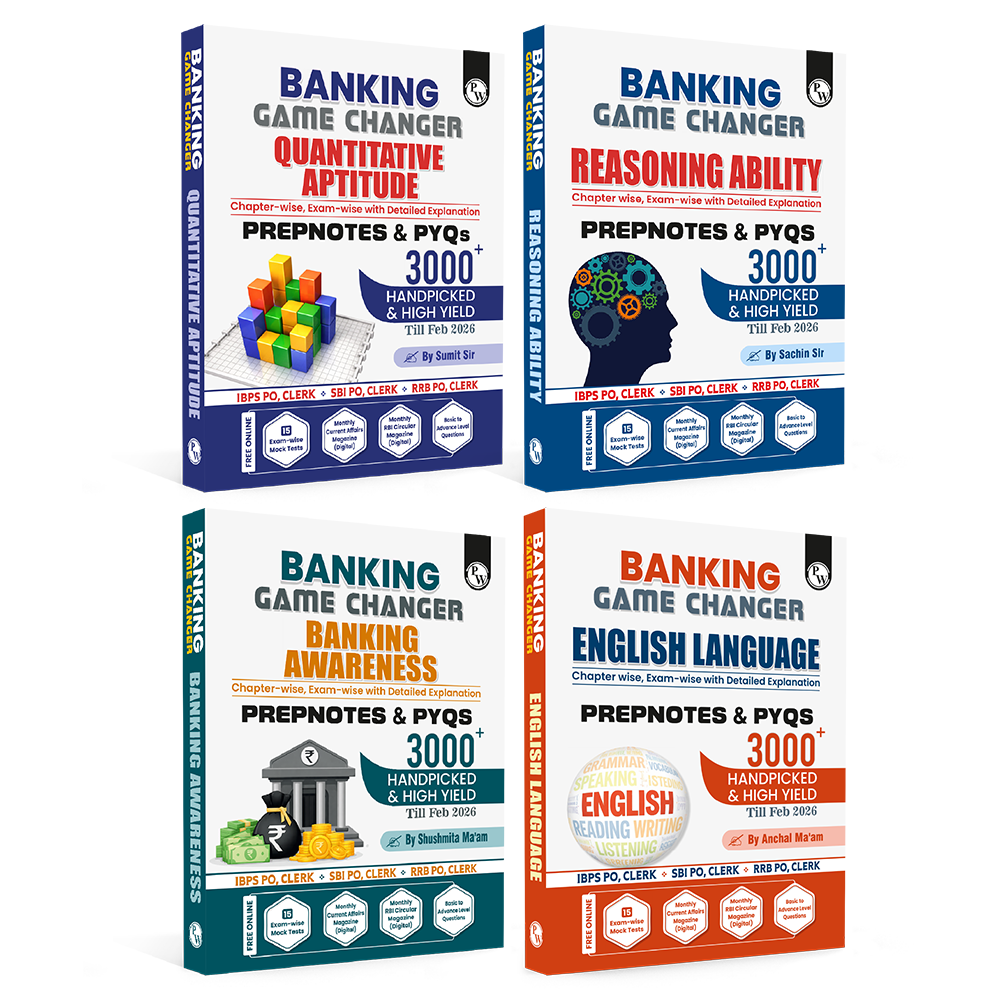
Check Out: PW Banking Books
Job Security: Government Bank vs Private Bank
Government Banks
Job security is the biggest advantage of government banks.
-
Employees are protected by government rules and service regulations
-
Termination is extremely rare unless there is serious misconduct
-
Economic slowdown or poor bank performance usually does not affect jobs
-
Transfers may happen, but job loss is very unlikely
For candidates looking for long-term stability, government banks are considered safer.
Private Banks
Job security in private banks is comparatively lower.
-
Performance-based evaluation is strict
-
Targets must be met regularly
-
Job loss or role change is possible if performance is consistently poor
-
Economic conditions and internal policies can affect employment
Private banks focus more on results and profitability, which increases uncertainty.
Verdict:
Government banks clearly offer better job security than private banks.
Salary Structure: Government Bank vs Private Bank
Government Bank Salary
Government bank salaries are decided by banking wage settlements.
Example: SBI PO / IBPS PO (Approximate)
-
Starting basic pay: ₹41,960
-
Gross monthly salary: ₹65,000 – ₹75,000 (including allowances)
-
Annual package: ₹7–8 lakh
Additional benefits:
-
Dearness Allowance (DA)
-
House Rent Allowance (HRA)
-
Medical benefits
-
Pension and gratuity
-
Leave Travel Concession (LTC)
Salary growth is slow but stable, with regular increments.
Private Bank Salary
Private banks usually offer higher starting salaries, especially for sales or managerial roles.
Example: Private Bank PO / Relationship Manager
-
Monthly salary: ₹40,000 – ₹70,000
-
Annual package: ₹6–10 lakh (varies widely)
Additional benefits may include:
-
Performance-based bonuses
-
Incentives
-
Health insurance
However:
-
Salary hikes depend on performance
-
Incentives are not guaranteed
-
Work pressure is higher
Check Out: Govt Entrance Exams Books
Salary Growth Comparison - Government Bank vs Private Bank
Government Banks
-
Fixed promotion timelines
-
Salary increases with experience and promotions
-
No sudden salary jumps
-
Long-term financial security is strong
Private Banks
-
Faster salary growth for high performers
-
Promotions can be quicker
-
Income may fluctuate due to incentives
-
Risk of stagnation if performance drops
Work-Life Balance - Government Bank vs Private Bank
Government Banks
-
Moderate work pressure
-
Fixed working hours in most branches
-
Fewer sales targets (except some roles)
-
Better work-life balance
Private Banks
-
High pressure to meet targets
-
Longer working hours
-
Frequent calls and follow-ups
-
Work-life balance can be challenging
Read More: How to Prepare for Banking Exams While Studying or Working
Career Growth Opportunities- Government Bank vs Private Bank
Government Banks
-
Promotions through internal exams and experience
-
Growth is slower but structured
-
Leadership roles take time
Private Banks
-
Faster promotions for performers
-
Opportunities to switch roles and departments
-
Growth depends heavily on results
Who Should Choose Government Banks?
Government banks are suitable if you:
-
Want strong job security
-
Prefer stable income
-
Value work-life balance
-
Plan a long-term career
-
Are comfortable with transfers
Who Should Choose Private Banks?
Private banks are suitable if you:
-
Are target-driven and competitive
-
Want faster salary growth
-
Can handle work pressure
-
Are comfortable with performance-based evaluation
-
Want quick promotions
PW Banking Exams Study Material
|
Book Name |
Products Link |
|
KYC Quantitative Aptitude, Reasoning Ability and English Language Combo Set of 3 Books |
|
|
22 SBI Clerk Prelims & Mains Previous Year Solved Papers (Till April 2025) with 5 Online Mock Tests For 2025-26 Exam |
|
|
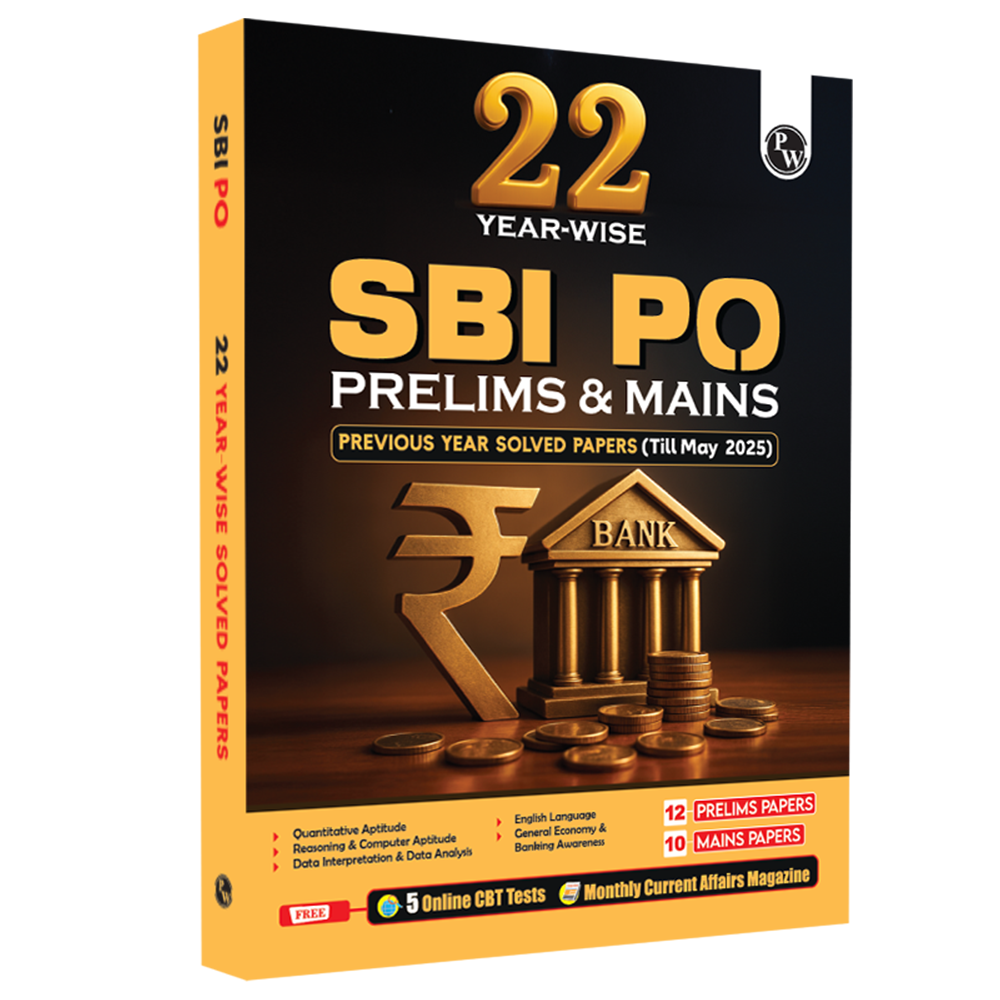
22 SBI PO Prelims & Mains Previous Year Solved Papers |
|
|
IBPS PO 25 Year-wise Prelims & Mains Previous Year Solved Papers |
|
|
IBPS Clerk 25 Year-wise Prelims & Mains Previous Year Solved Papers |
|
|
All in One IBPS RRB Clerk Prelims & Mains Exams Previous Year Paper |
|
|
20 Yearwise IBPS RRB PO & Clerk Prelims & Mains Previous Years’ Solved Papers |
Job Security and Salary- Government Bank vs Private Bank FAQs
Is salary higher in private banks than government banks?
Private banks may offer higher starting salaries, but government banks provide better long-term financial benefits.
Is job security guaranteed in government banks?
While no job is 100% guaranteed, government banks offer very high job security compared to private banks.
Do government bank employees get pension?
Yes, government bank employees are eligible for pension and post-retirement benefits.
Is work pressure less in government banks?
Generally yes. Government banks usually have lower sales pressure than private banks.
Which is better for freshers?
Government banks are better for freshers seeking stability, while private banks suit those looking for faster growth and challenges.