How to Include PYQs in Your Daily JEE Advanced Preparation?

JEE Advanced Previous Year Questions (PYQs) are one of the most effective resources for understanding how concepts are tested in the examination. However, solving them only after completing the entire syllabus limits their effectiveness. Including PYQs in your daily preparation helps you revise concepts, improve application skills, identify weak areas, and understand the exam pattern simultaneously.
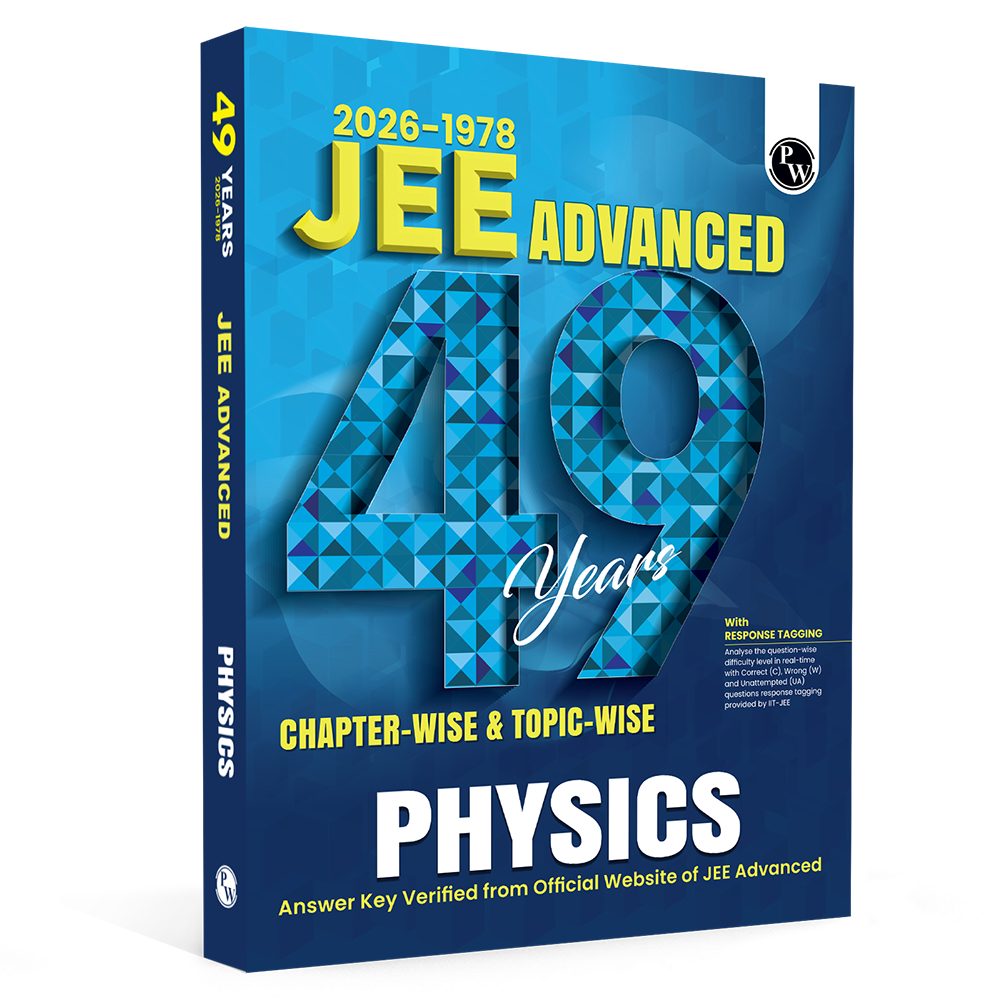
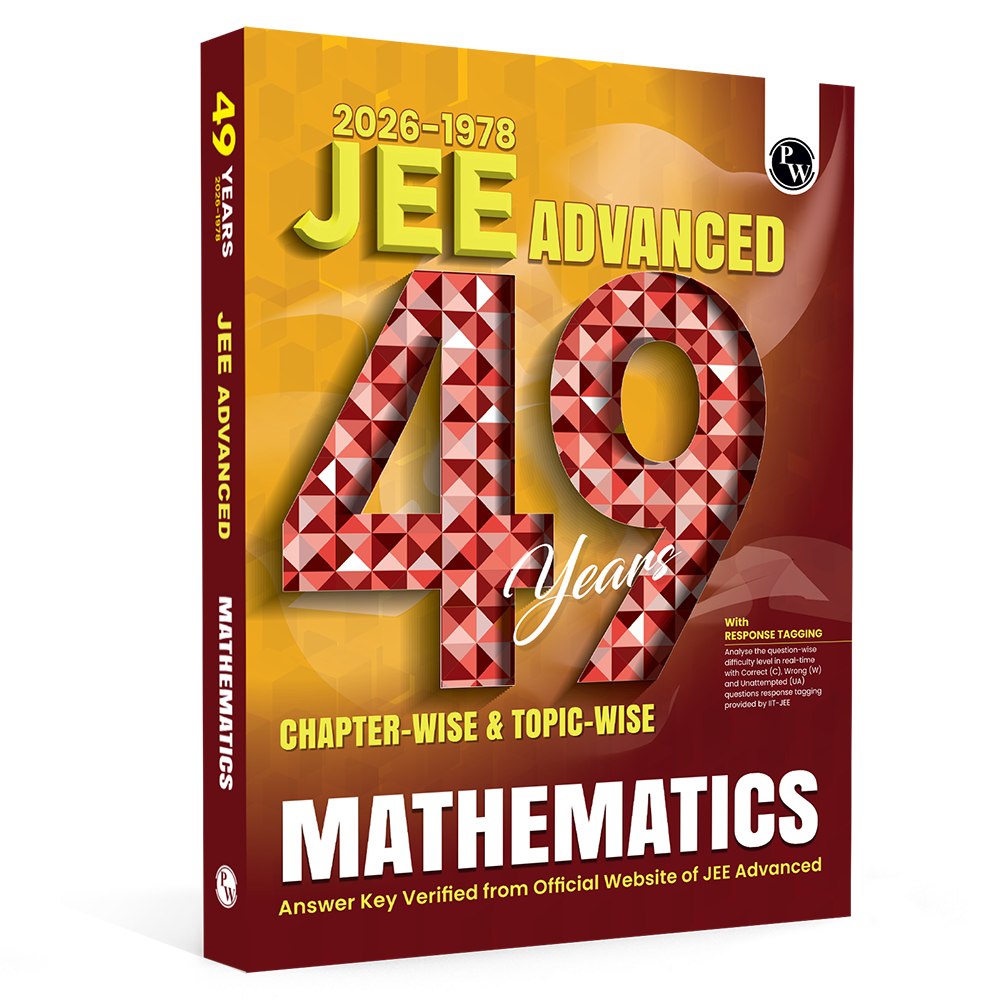
The PW 49 Years JEE Advanced PYQ Combo provides chapter-wise and topic-wise solved questions from 1978 to 2026. It also includes detailed solutions, recent-paper analysis, performance insights, and trend-based learning support. Using such an organised resource can help you understand question patterns and gradually improve your problem-solving accuracy.
Why Should You Solve JEE Advanced PYQs Daily?
JEE Advanced questions often require you to connect multiple concepts and apply them in unfamiliar situations. Daily PYQ practice helps you move beyond passive reading and test whether you can use what you have studied.
Regular practice can help you:
-
Strengthen important concepts
-
Understand the JEE Advanced question pattern
-
Improve problem-solving speed
-
Identify weak areas
-
Develop question-selection skills
-
Reduce calculation and interpretation errors
-
Build confidence before the examination
These JEE Adavnced Books cover authentic previous-year questions across Physics, Chemistry, and Mathematics, making it useful for regular subject-wise practice.
Combine Theory With Chapter-Wise PYQs
Do not study an entire subject first and postpone PYQs. After completing a chapter or major concept, solve related questions on the same day.
You can follow this sequence:
-
Study the concept and important formulas.
-
Review solved examples from your notes.
-
Attempt basic and moderate-level questions.
-
Solve five to ten JEE Advanced PYQs.
-
Review the solutions and revise your mistakes.
The chapter-wise and topic-wise arrangement of the PW PYQ Combo makes this process easier. You can select one chapter, revise its concepts, and then practise all relevant PYQs without searching through different papers.
This method also prevents important chapters from being left unpractised.
Check Out - JEE Previous Year Papers
Set a Realistic Daily PYQ Target
Your target should depend on your preparation stage and the difficulty of the questions. Do not focus only on completing a large number of questions.
A practical daily target may be:
-
Initial stage: Five to eight PYQs per subject
-
Syllabus-building stage: Eight to twelve PYQs per subject
-
Revision stage: Mixed chapter-wise sets
-
Final stage: Subject-wise or full-paper practice
You can reserve 60 to 90 minutes each day for PYQs. The PW 49 Years JEE Advanced PYQ Combo can support this routine by giving you organised questions from 1978 to 2026 instead of making you collect papers from multiple sources.
Check Out - JEE Handwritten Notes
How the PW 49 Years JEE Advanced PYQ Combo Helps in Daily Preparation
The PW 49 Years JEE Advanced PYQ Combo supports structured preparation by providing chapter-wise and topic-wise solved questions from 1978 to 2026. You can use it to practise questions immediately after completing a topic, compare your approach with detailed step-by-step solutions, and identify mistakes more effectively.
It also includes:
-
Solutions aligned with official answer keys
-
Analysis of recent JEE Advanced papers
-
Performance insights from previous papers
-
Trend-based identification of important concepts
-
Chapter-wise revision and self-assessment support
-
PYQs across Physics, Chemistry, and Mathematics
These features can help you organise daily practice, track weak areas, understand changing question trends, and improve your problem-solving accuracy.
Read More - High Score in JEE with the Books Recommended by IIT Toppers
Include PYQs in Weekly Revision
At the end of every week, reattempt questions that you previously answered incorrectly or left unattempted.
Your weekly revision should include:
-
Reattempting marked PYQs
-
Revising concepts connected to repeated errors
-
Solving mixed-chapter question sets
-
Reviewing formula sheets
-
Comparing present and previous accuracy
-
Revisiting difficult solutions
Because the PW 49 Years JEE Advanced PYQ Combo is arranged chapter-wise and topic-wise, you can quickly return to weak chapters during revision and self-assessment.
Including PYQs in your daily JEE Advanced preparation helps you connect theory with practical application. Study a topic, solve relevant questions, compare your method with detailed solutions, record mistakes, and revisit difficult problems during revision.
Consistent PYQ practice, combined with concept revision, mock tests, and mistake analysis, helps build the accuracy and confidence required for JEE Advanced. Resources such as the PW 49 Years JEE Advanced PYQ Combo can further simplify chapter-wise practice and systematic revision.
How to Include PYQs in Daily JEE Advanced Preparation FAQs
1. How many JEE Advanced PYQs should you solve daily?
Start with 5–8 PYQs per subject each day and gradually increase the number as your preparation progresses.
2. Should you solve PYQs chapter-wise or as full papers?
Start with chapter-wise and topic-wise PYQs while learning the syllabus. After completing most chapters, move to mixed question sets, subject-wise tests, and full previous-year papers under timed conditions.
3. How can the PW 49 Years JEE Advanced PYQ Combo support preparation?
The PW 49 Years JEE Advanced PYQ Combo includes chapter-wise and topic-wise solved questions from 1978 to 2026, detailed solutions, recent-paper analysis, performance insights, and trend-based learning support.
4. Is solving JEE Advanced PYQs enough for preparation?
No. PYQs should be combined with theory, concept revision, formula practice, mock tests, and mistake analysis. They help you understand the exam pattern and improve application skills, but strong fundamentals remain essential.
5. Should I solve JEE Advanced PYQs after every chapter?
Yes. Solving chapter-wise PYQs immediately after completing a chapter helps reinforce concepts and improves long-term retention.