JEE Main Paper 1 and Paper 2: Key Differences for 2026 Exams
The JEE Main paper 1 and paper 2 are really important for students who want to get into the engineering and architecture schools in India. Paper 1 is for students who want to do B.E. And B.Tech. On the other hand Paper 2 is split into 2A and 2B for students who want to do B.Arch and B.Planning. This way the JEE Main paper 1 and paper 2 make sure that students are good at the creative skills that are necessary for these fields. The JEE Main paper 1 and paper 2 are like the doors to these great schools.
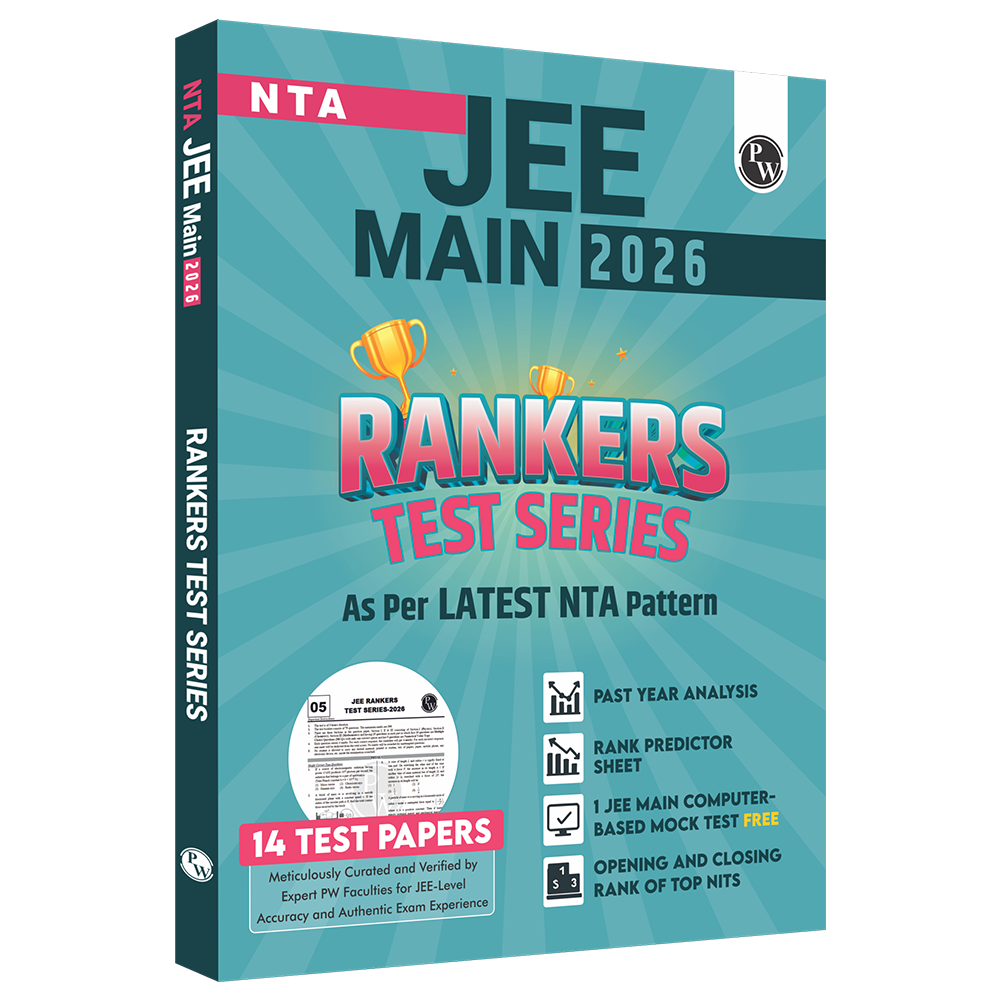
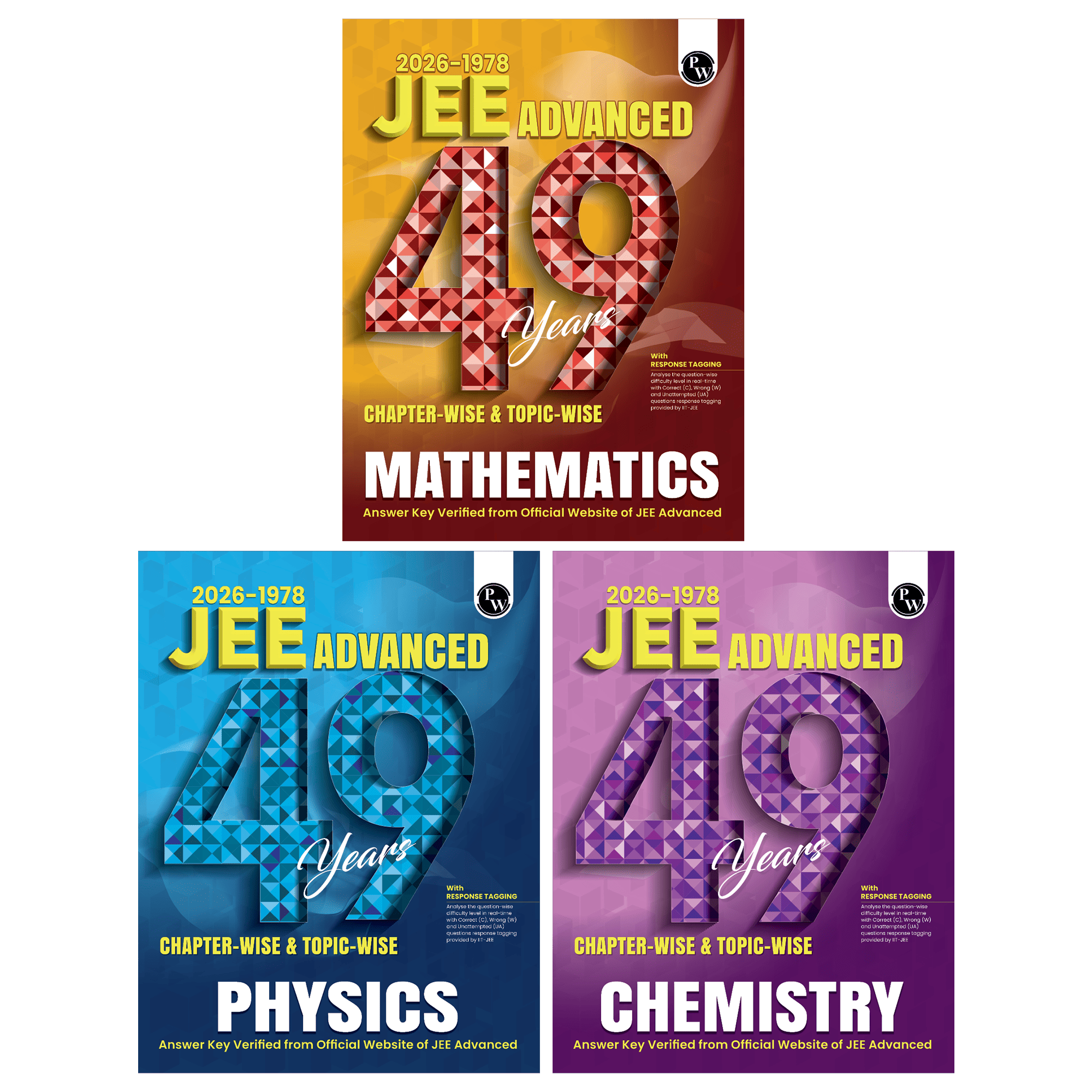
PW IIT JEE Books — study with structured content designed to build strong fundamentals, improve problem-solving ability, and support complete exam preparation. With concept-focused explanations and extensive practice, PW IIT JEE Books help students prepare confidently for JEE Main and JEE Advanced.
What is Paper 1 and Paper 2 in JEE Main? Understanding the Basics
Paper 1: This is the normal test for getting into Bachelor of Engineering (B.E.) and Bachelor of Technology (B.Tech) programs. It is required for students who want to get into NITs, IIITs, and other Centrally Funded Technical Institutes (CFTIs).
Paper 2: This is the specialist path for planning and architecture. There are two parts to it: Paper 2A (B.Arch) and Paper 2B (B.Planning). Students can choose to take one or both tests, depending on how interested they are in building design or urban planning.
Many people are confused about the difference between jee mains session 1 and 2. These sessions are about when the tests are given (typically in January and April), which gives students two chances to do better. But Paper 1 and Paper 2 are about the test's content and purpose, no matter which session you take.
JEE Main Exam Pattern 2026: Paper 1 vs. Paper 2
When you look at the jee main exam pattern for 2026, you can see that each papers have their own structures. The National Testing Agency (NTA) uses a certain framework to measure how well candidates can think critically and creatively.
The format for JEE Main Paper 1 (B.E./B.Tech)
The pattern for jee main paper 1 is quite intellectual and just covers basic science topics.
-
Subjects: Physics, Chemistry, and Math are the subjects.
-
The test is completely computer-based (CBT).
-
There are both Multiple Choice Questions (MCQs) and Numerical Value Questions. In the number portion, candidates usually have to answer 5 out of 10 questions.
-
Marking Scheme: Usually, +4 for a right answer and -1 for a wrong answer.
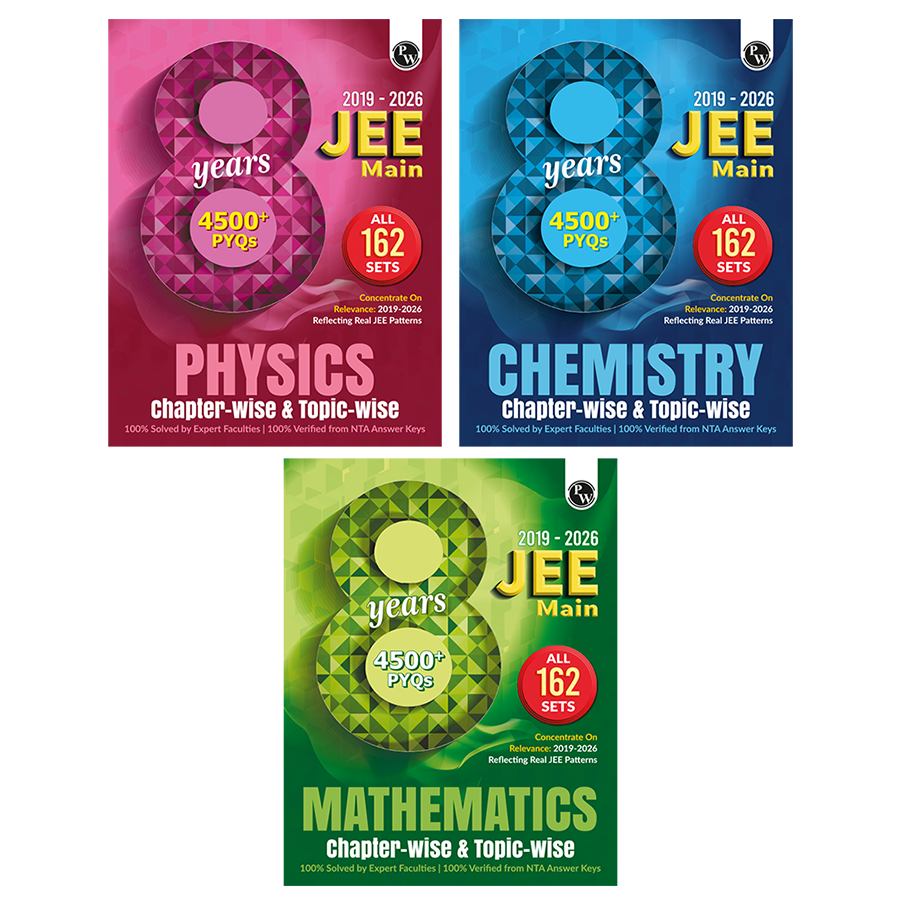
Practise actual exam questions to understand recurring concepts, improve question-solving techniques, and become familiar with the JEE pattern. Regular JEE Previous Year Questions book practice helps boost accuracy, strengthen concepts, and improve overall exam performance.
Pattern for JEE Main Paper 2 (B.Arch and B.Planning)
The pattern for Paper 2 changes from science to design and logic.
-
Paper 2A (B.Arch): has a drawing test that is done offline on a drawing sheet, as well as a math test (CBT) and an aptitude test (CBT).
-
Paper 2B (B.Planning): Has math (CBT), an aptitude test (CBT), and planning-based objective questions (CBT).
The main distinction is that Paper 1 measures how well you can answer hard scientific problems, whereas Paper 2 tests how well you can see things, how well you can think about space, and how sensitive you are to beauty.
Key Differences in Preparation and Attempting Strategy
Understanding the differences between the two papers is crucial for resource allocation during your 2026 preparation.
|
Feature |
Paper 1 (B.E./B.Tech) |
Paper 2 (B.Arch/B.Plan) |
|
Primary Goal |
Engineering Admissions |
Architecture & Planning Admissions |
|
Subjects |
Physics, Chemistry, Maths |
Maths, Aptitude, Drawing/Planning |
|
Total Marks |
300 Marks |
400 Marks |
|
Exam Mode |
Online (CBT) |
Hybrid (CBT + Pen & Paper for B.Arch) |
|
Skills Tested |
Analytical & Problem Solving |
Creative, Spatial & Logical |
Recommended Resources for JEE Main 2026
You need the right study resources to understand the exam pattern and clear the cutoff effectively. Whether you are preparing for the numerical sections in Paper 1 or strengthening problem-solving skills for advanced-level questions, structured practice remains essential.
The PW Store offers a wide range of preparation resources designed for students targeting the 2026 examinations. These books are aligned with recent NTA trends and include chapter-wise weightage, previous year questions, concept-focused explanations, and exam-style practice.
Look through the collection and choose books based on your preparation stage:
- Arjuna For JEE Main & Advanced Class 11 Books — designed to build strong fundamentals and structured learning from the beginning of JEE preparation.
- Lakshya For JEE Main & Advanced Class 12 Books — focused on advanced concept application, revision, and board + JEE preparation together.
- Prayas For JEE Main & Advanced Droppers Books — created for repeat aspirants looking for focused revision, intensive practice, and score improvement.
These IIT JEE Books support better concept clarity, stronger question-solving ability, and more effective preparation for both JEE Main and JEE Advanced.
FAQs: JEE Main Paper 1 and Paper 2
Q1: Is it possible to take both Paper 1 and Paper 2 in the same session?
Ans.Yes, individuals can apply for and take both Paper 1 (B.E./B.Tech) and Paper 2 (B.Arch/B.Planning) if they match the requirements. Usually, there are different fees for each paper.
Q2: Is the Mathematics syllabus the same for both Paper 1 and Paper 2?
Ans.The general themes are the same, however Paper 1 Mathematics is more about engineering applications, whereas Paper 2 Mathematics is more about basic ideas. But studying from regular IIT JEE books is usually enough for the math part of both examinations.
Q 3: How many points do Paper 1 and Paper 2 add up to?
Ans. Most of the time, Paper 1 is worth 300 points. Paper 2 (including 2A and 2B) usually has a total of 400 points.
Q4: What paper do you need to get into NITs?
Ans.You need to pass Paper 1 to get into B.Tech/B.E. programs at NITs. You need to pass Paper 2A or 2B to get into an NIT for a B.Arch or B.Planning program.
Q5: How can PW Store books help me get ready for 2026?
Ans. Experts have chosen the books at the PW Store to fit the changing pattern of the jee main test 2026. They give you short explanations of the theory, a lot of different practice problems, and quick ways to do things that are important for keeping track of time throughout the test.