How to Use Chapterwise Weightage Analysis in JEE Main Ranker Test Series

Many students preparing for JEE Main find it hard to decide which chapters need more attention. Some spend too much time on chapters that carry fewer marks and ignore important topics that appear often in the exam. This can affect their scores and make it difficult to improve their rank.
A good JEE Main test series helps students understand their strengths and weak areas. It also gives them a real exam-like experience. This helps them use their study time wisely and improve their overall performance.
Overview of JEE Main Test Series
A test series is not only useful for checking your preparation level. It also helps you understand which chapters are more important in the exam. Chapterwise weightage analysis shows how often different topics appear in previous JEE Main papers. This information helps students focus on chapters that can bring more marks in the exam.
The chapters are usually divided into three groups:
High-Weightage Chapters
These chapters regularly appear in the exam and often contain multiple questions. Students should spend more time mastering these topics.
Medium-Weightage Chapters
These chapters are also important and appear frequently, but they usually carry fewer marks than high-weightage chapters.
Low-Weightage Chapters
These chapters generally have only one question or may appear in alternate years. They should not be ignored, but they should not take up most of your study time.
Using this method helps students avoid spending weeks on low-scoring topics while missing important chapters that can improve their score. Along with chapter prioritization, using a JEE Test Series helps students validate their preparation strategy, understand which topics actually influence scores, and improve exam performance through regular practice and analysis.
Features of JEE Main Test Series
A good test series comes with many useful tools that help students prepare better for the exam. These features help improve accuracy, speed, and confidence before JEE Main.
Past Year Analysis
Past year analysis helps students understand exam trends and identify the most important topics that appear frequently in JEE Main.
Rank Predictor Sheet
The rank predictor sheet helps students estimate their expected rank based on their test scores. It also helps them set realistic score targets.
1 JEE Main Computer-Based Mock Test
A computer-based JEE mock test gives students a real exam-like experience and helps them become familiar with the online test format.
Opening and Closing Rank of Top NITs
Students can check the opening and closing ranks of top NITs to understand admission trends and plan their target colleges.
Variety of Questions
The test series includes different types of questions with easy, moderate, and difficult levels to improve problem-solving skills.
Quality Questions
Students get concept-based questions designed to strengthen their understanding and prepare them for challenging exam questions.
10 Full Syllabus and 4 Part Syllabus Tests
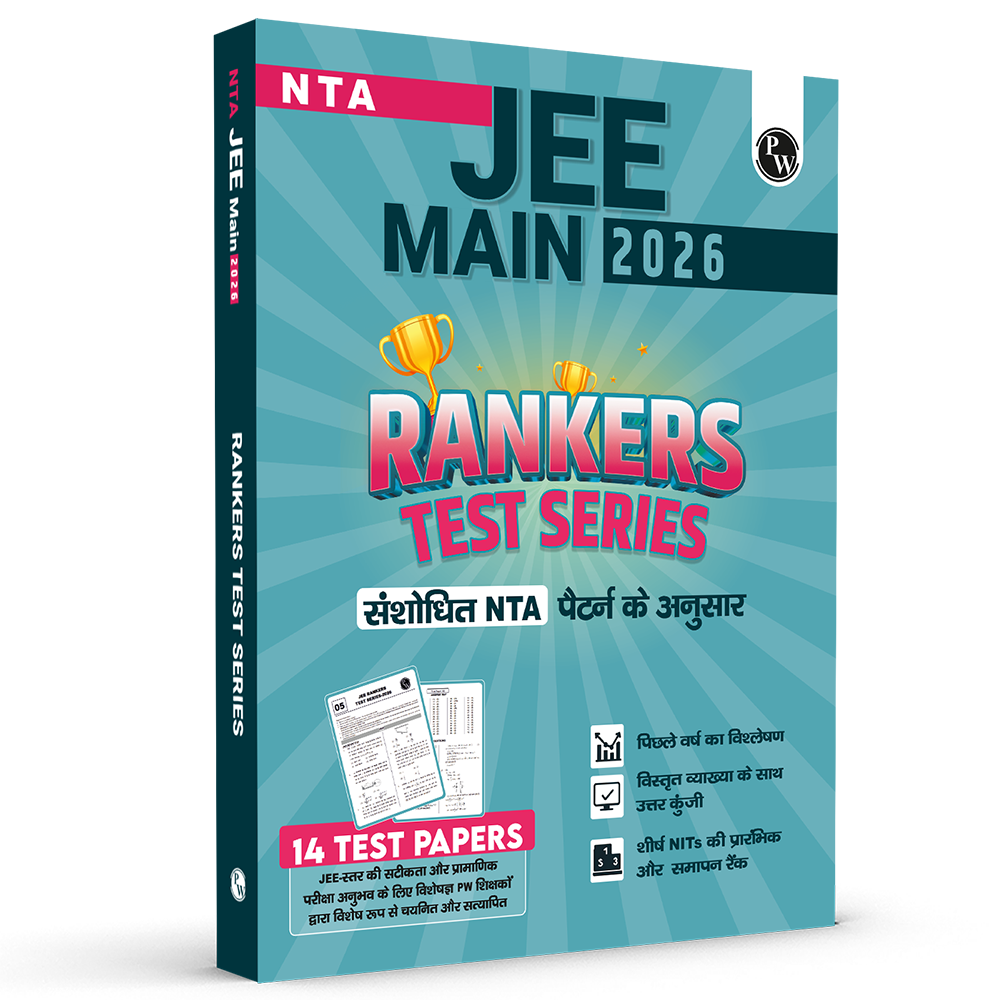
The JEE Main rankers test series includes 10 full syllabus tests and 4 part syllabus tests based on the latest JEE Main exam pattern.
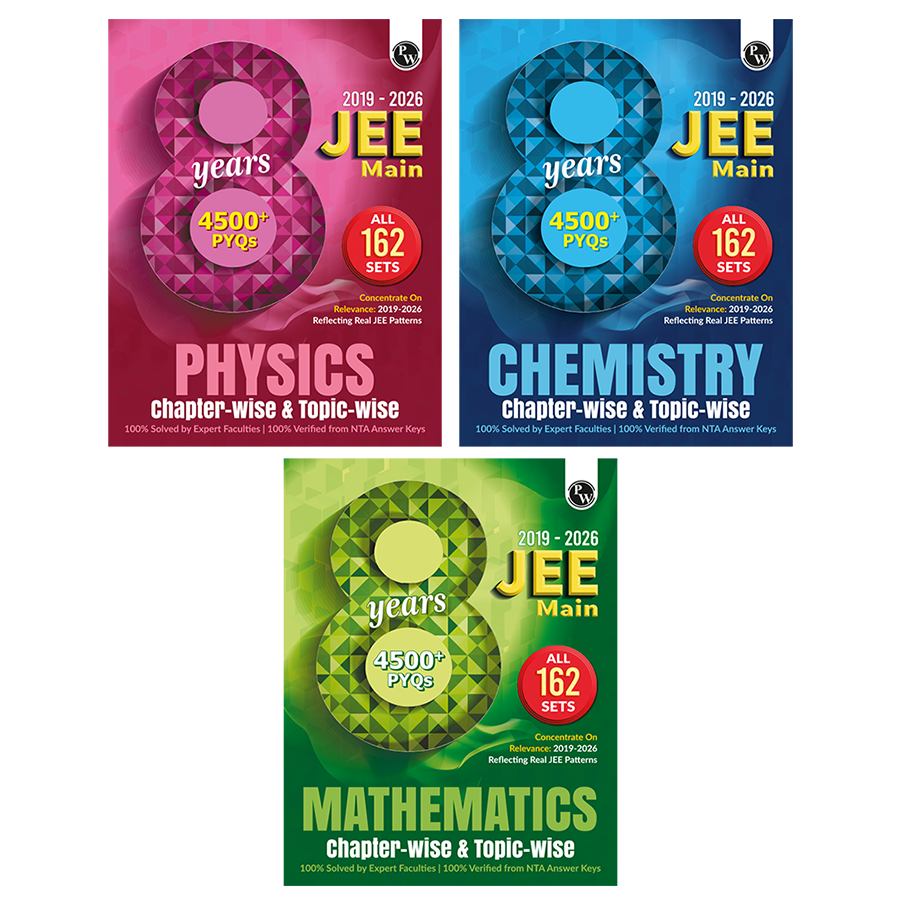
Coverage of the Last 10 Years Papers
The test series covers important questions and concepts from the last 10 years of JEE Main papers for better preparation.
Elaborated Solutions
Detailed step-by-step solutions help students understand the correct method and learn from their mistakes.
New Questions by Expert Team
Experienced subject experts create new questions that closely match the difficulty level and pattern of the actual JEE Main exam.
How to Prepare for JEE Main Test Series?
Students can get the right results from a test series by following a proper preparation strategy.
Check Your Current Level
Start by taking a test to understand your current performance. This will help you identify chapters where you are making the most mistakes.
Study Weightage Data
Look at the chapterwise weightage provided in the test series. Find out which chapters carry more marks and make them a priority.
Focus on Weak Areas
Spend more time on important chapters where your performance is weak. Try to understand concepts clearly before moving to advanced questions.
Revise Regularly
Regular revision helps improve memory and accuracy. Keep revisiting important formulas, concepts, and question types.
Practice Previous Mistakes
Go through your old errors and solve those questions again. This helps prevent repeating the same mistakes in future tests. Along with reviewing your error log, practicing JEE Main Previous Year Papers helps students revisit real exam-level questions, strengthen weak concepts, and improve accuracy through repeated exposure to actual exam patterns.
Study Plan for JEE Main Test Series
A proper study plan helps students use chapterwise weightage analysis effectively while preparing for the JEE test series.
Week 1-2: Identify Weak Chapters
-
Take diagnostic tests
-
Check chapterwise scores
-
Make a list of weak topics
-
Focus on high-weightage chapters first
Week 3-4: Improve Important Topics
-
Study concepts in weak chapters
-
Solve practice questions
-
Review detailed solutions
-
Track improvement regularly
Week 5-6: Increase Mock Test Practice
-
Attempt full-length tests
-
Improve speed and accuracy
-
Work on time management
-
Analyze every test carefully
Final Weeks Before Exam
-
Take regular full syllabus tests
-
Revise important formulas
-
Focus on high-scoring topics
-
Avoid learning completely new concepts
Following a structured plan can help students steadily improve their scores.
Benefits of JEE Main Test Series
Using a test series with chapterwise weightage analysis offers several advantages.
Better Time Management
Students learn where to spend more study time and where less effort is needed.
Improved Scores
Focusing on high-weightage chapters increases the chances of scoring more marks.
Stronger Concept Understanding
Regular testing helps students find and fix concept-related mistakes.
Real Exam Experience
A JEE mock test creates an exam-like environment that prepares students for the actual test day.
Reduced Exam Stress
Students become familiar with the exam pattern and gain confidence through regular practice.
Better Revision Planning
Weightage analysis helps students create a smarter revision schedule based on exam importance.
Tips for JEE Main Test Series
Students can improve their performance in a JEE test series by following some simple tips. Along with regular mock practice, using the right JEE Books helps students strengthen concepts, revise efficiently, and improve problem-solving consistency.
Focus on High-Weightage Chapters
Give extra attention to chapters that regularly appear in the exam.
Review Every Test
Do not only check your score. Analyze every mistake and understand why it happened.
Practice Under Exam Conditions
Take every JEE mock test in a quiet environment with proper timing.
Improve Accuracy
Avoid rushing through questions. Accuracy is just as important as speed.
Keep a Mistake Notebook
Write down common errors and revise them regularly.
Follow a Fixed Schedule
Study consistently and avoid skipping planned revision sessions.
Mistakes to Avoid with JEE Main Test Series
Many students make common mistakes while using a test series for JEE Mains. Avoiding these mistakes can improve results.
-
Ignoring Weightage Analysis: Some students continue studying every chapter equally. This may not be the best use of time.
-
Focusing Only on Scores: A score is important, but learning from mistakes is even more valuable.
-
Skipping Test Reviews: Many students complete a JEE Mains mock test but do not analyze it afterward. This limits improvement.
-
Neglecting Weak Topics: Avoiding difficult chapters only makes them harder later.
-
Taking Too Few Mock Tests: Regular practice is necessary for building confidence and improving speed.
-
Not Practicing Time Management: Poor time planning can lead to unanswered questions during the actual exam.
Read More: JEE Mains Important Questions with Answers
JEE Main Rankers Test Series FAQs
How does chapterwise weightage analysis improve scores in a test series?
It helps students identify high-weightage chapters and focus their study time on topics that can bring more marks in the exam.
What is included in the JEE Main rankers test series?
The package includes 10 full syllabus tests, 4 part syllabus tests, previous year paper coverage, detailed solutions, and a rank predictor tool.
How often should a student take a JEE test series mock exam?
Students can take one test every two weeks during the early stages of preparation. Closer to the exam, they should take one or two full-length tests every week.
Can a JEE Mains mock test help reduce exam anxiety?
Yes. Regular practice under exam-like conditions helps students become comfortable with the exam format and reduces stress.
Why are detailed solutions important in a test series for JEE Mains?
Detailed solutions help students understand the correct method, identify mistakes, and improve their problem-solving skills for future exams.