Why 14 Full JEE Main Tests is the Optimal Volume for Exam Readiness

Many students preparing for JEE Main often wonder how many mock tests they should take before the exam. Some students take very few tests and miss important practice opportunities.
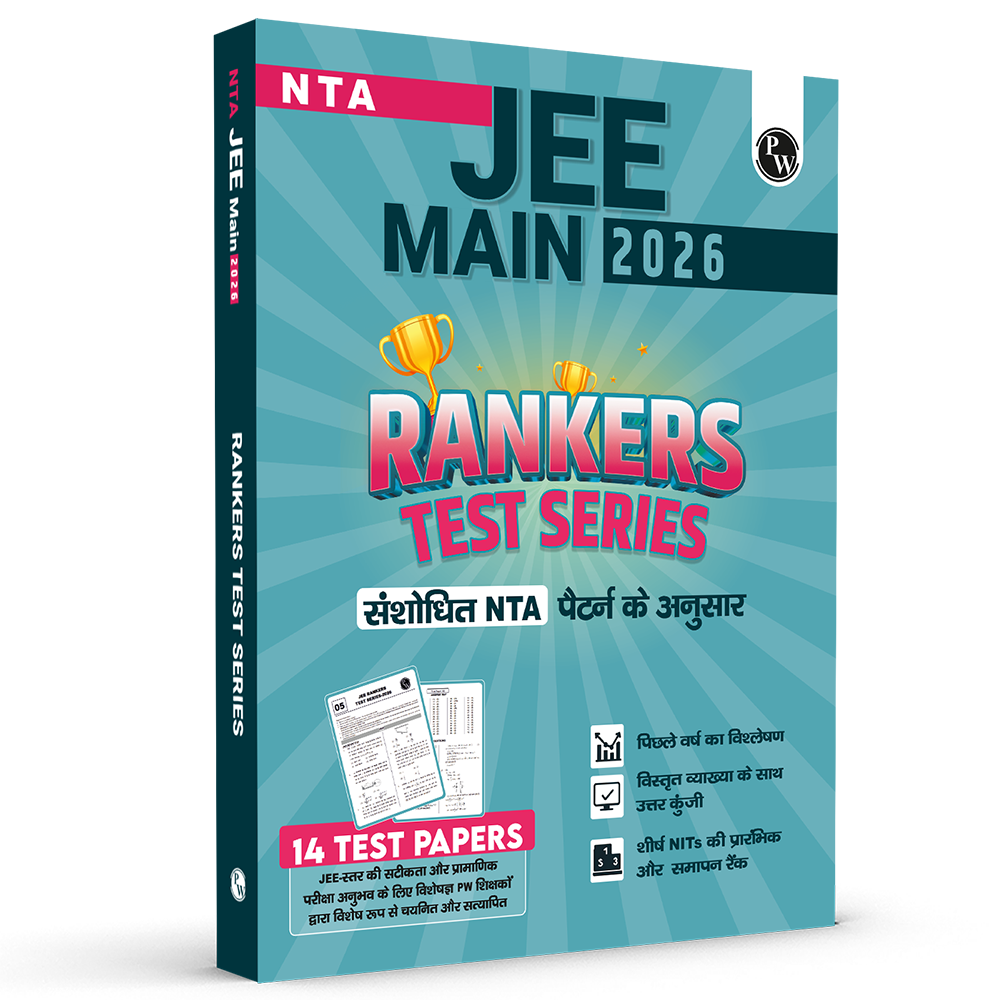
A well-planned JEE Main test series helps students find the right balance. A set of 14 mock papers, including 4 part-syllabus tests and 10 full-syllabus tests, provides enough practice without causing burnout. This approach helps students improve speed, accuracy, time management, and confidence while preparing for the real exam.
Overview of JEE Main Test Series
A good test series is more than just a collection of practice papers. It helps students revise the syllabus, identify weak areas, and build exam confidence.
The structure of 14 mock papers is designed to help students prepare in a step-by-step manner. Instead of rushing through dozens of tests, students get enough time to learn from their mistakes and improve their performance.
The 14-paper structure includes:
-
4 Part Syllabus Tests
-
10 Full Syllabus Tests
This combination allows students to focus on individual topics first and then move on to complete exam simulations.
By following this method, students can improve their preparation without feeling overwhelmed.
Features of JEE Main Test Series
A quality JEE Main rankers test series includes several features that support complete exam preparation.
4 Part Syllabus Tests
These tests help students focus on selected chapters and identify weak topics early in their preparation.
10 Full Syllabus Tests
Full syllabus tests help students experience the pressure and difficulty level of the actual JEE Main exam.
Coverage of Last 10 Years Papers
Students can practice important concepts and question patterns from previous JEE Main exams.
Rank Predictor Sheet
The rank predictor helps students estimate their expected rank and set realistic score goals.
Detailed Solutions
Step-by-step solutions make it easier to understand mistakes and learn the correct approach.
New Questions by Experts
Fresh questions created by experienced teachers help students prepare for different types of problems.
Real Exam Experience
A computer-based JEE test series helps students become comfortable with the online exam format.
Opening and Closing Ranks of Top NITs
Students can understand admission trends and set clear college targets.
How to Prepare for JEE Main Test Series?
Students can get better results from a test series by following a proper strategy.
Start with Part Syllabus Tests
Begin with the first four tests and focus on individual chapters and subjects. This helps identify weak concepts before attempting full exams.
Analyze Every Test
Do not move to the next test immediately. Spend time reviewing mistakes and understanding the correct solutions.
Focus on Weak Areas
If you repeatedly make mistakes in a chapter, spend extra time revising it before the next test.
Practice in Exam Conditions
Take every test in a quiet room and follow the actual exam timing.
Track Progress
Maintain a record of scores, accuracy, and time taken to measure improvement.
Study Plan for JEE Main Test Series
Following a proper study plan can help students make the most of all 14 papers.
Phase 1: Part Syllabus Tests
Use the first four tests to strengthen your foundation.
During this phase:
-
Identify weak chapters
-
Improve basic concepts
-
Focus on accuracy
-
Review every mistake carefully
Phase 2: Full Syllabus Tests
Use the next ten tests to build exam readiness.
During this phase:
-
Improve speed
-
Practice time management
-
Learn question selection strategies
-
Build exam stamina
Final Revision Phase
After completing all tests:
-
Revise formulas and notes
-
Review error notebooks
-
Focus on important chapters
-
Practice difficult questions again
This step-by-step approach helps students prepare effectively without feeling overloaded.
Check Out: JEE Previous Year Papers
Benefits of JEE Main Test Series
Using a test series with 14 papers offers many benefits for students preparing for JEE Main. It helps improve preparation in a structured way and allows students to identify their strengths and weaknesses before the actual exam.
Complete Syllabus Coverage
Students can revise all important topics through a balanced mix of part syllabus and full syllabus tests. This approach ensures that no major chapter is left untouched during preparation. Regular testing also helps students revisit important concepts multiple times before the exam.
Better Time Management
Regular practice helps students learn how to divide time between Physics, Chemistry, and Mathematics. Over time, they understand which sections require more attention and which can be completed quickly. This skill becomes very useful during the actual exam when every minute matters.
Improved Accuracy
Students learn to avoid careless mistakes through continuous practice and review. By analyzing wrong answers after each test, they can identify common errors and work on them. This gradually improves accuracy and helps increase overall scores.
Stronger Exam Stamina
Taking multiple full-length tests prepares students for the three-hour exam experience. Sitting for long periods and maintaining focus becomes easier with regular practice. This helps students stay mentally active throughout the entire exam without losing concentration.
Better Score Improvement
Tracking mistakes and reviewing solutions helps students improve their scores steadily. They can clearly see which areas need more work and create a focused study plan. Small improvements in every test often lead to significant score growth over time.
Reduced Exam Fear
Regular exposure to exam-like conditions helps students feel more comfortable and confident. As they become familiar with the exam format and question patterns, nervousness starts to decrease. This allows them to perform more calmly and effectively on exam day.
Tips for JEE Main Test Series
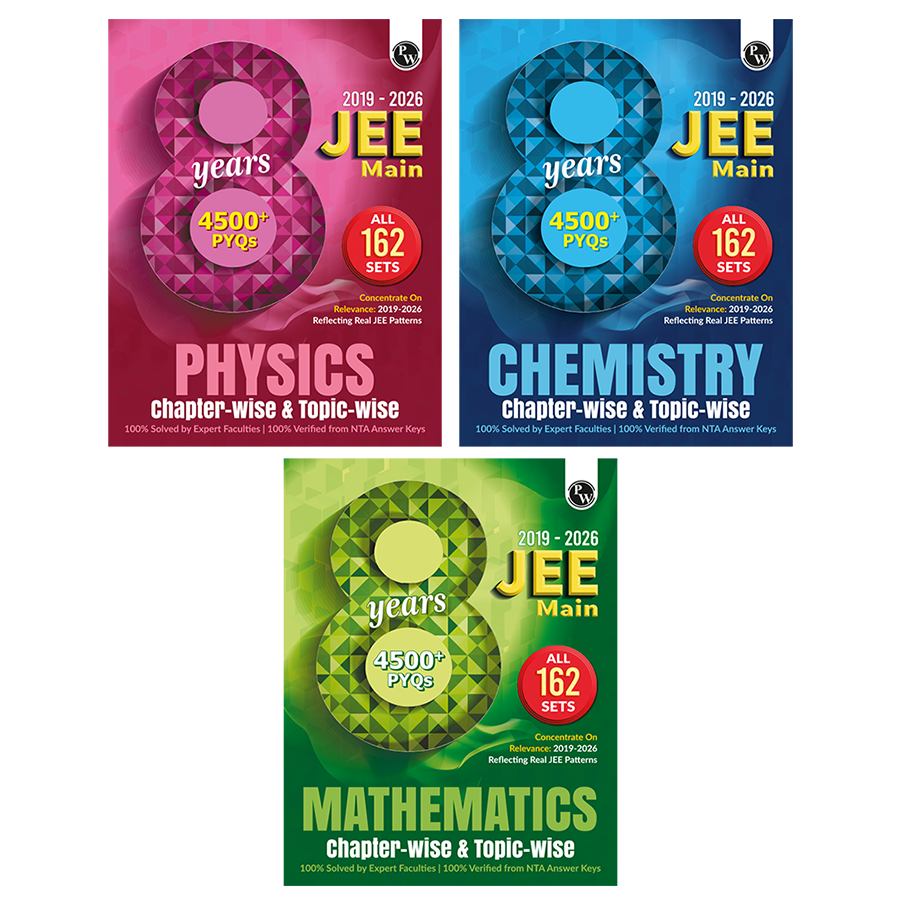
Students can maximize their performance in a JEE test series by following these simple tips. These habits can help improve both accuracy and confidence throughout the preparation journey. Along with regular mock tests, practicing JEE Main PYQs helps students understand actual exam patterns, improve question selection skills, and strengthen concept application.
Create a Distraction-Free Environment
Take tests in a quiet place without mobile phones, books, or other distractions. This helps create an environment similar to the actual exam hall. Practicing in such conditions improves focus and concentration during important tests.
Follow Actual Exam Timings
Attempt tests during the same time slot as the real exam whenever possible. This helps your mind and body get used to performing during those hours. It also improves energy management and concentration during the actual exam.
Maintain an Error Notebook
Write down mistakes and review them before every new test. Keeping a record of errors helps you understand recurring problems and avoid repeating them. Over time, this notebook becomes a valuable revision tool.
Spend More Time on Analysis
A three-hour test should be followed by several hours of review and correction. Understanding why a mistake happened is often more important than simply checking the score. Careful analysis helps improve future performance and strengthens concepts.
Avoid Guesswork
Attempt only those questions where you can apply concepts confidently and eliminate mistakes. Random guessing can lead to unnecessary negative marking. A smart approach often produces better results than attempting every question.
Stay Consistent
Take tests regularly and avoid long gaps between practice sessions. Consistent practice helps maintain momentum and keeps important concepts fresh in your mind. Even small daily efforts can lead to noticeable improvements over time.
Mistakes to Avoid with JEE Main Test Series
Many students make mistakes while using a test series for JEE Mains. Avoiding these mistakes can improve your final performance.
Taking Too Many Mock Tests
Attempting too many tests can lead to mental fatigue and reduced focus.
Ignoring Test Analysis
Students often focus only on scores and forget to learn from their mistakes.
Not Reviewing Solutions
Skipping detailed solutions means missing valuable learning opportunities.
Poor Time Management
Spending too much time on difficult questions can affect the entire paper.
Blind Guessing
Random guessing can increase negative marking and reduce overall scores.
Ignoring Weak Chapters
Avoiding difficult topics may create bigger problems closer to the exam.
Read More: JEE Main Chapter Wise PYQ
JEE Main Test Series FAQs
Why are 14 papers enough in a JEE Main test series?
A set of 14 papers provides a balanced mix of revision, practice, and exam simulation. It allows students to improve without becoming mentally exhausted.
What is included in a JEE Main rankers test series?
The package includes 4-part syllabus tests, 10 full syllabus tests, previous year paper coverage, detailed solutions, rank prediction tools, and exam-style practice questions.
How does a JEE test series improve time management?
Regular practice helps students learn how much time to spend on each subject and how to complete the paper within the exam duration.
Can a JEE Mains mock test reduce exam anxiety?
Yes. Practicing in a real exam-like environment helps students become familiar with the online format and reduces nervousness on exam day.
Why is analysis important after a JEE mock test?
Test analysis helps students identify mistakes, improve weak areas, and avoid repeating the same errors in future exams.
How does a test series for JEE Mains help improve scores?
It provides regular practice, detailed feedback, and performance tracking, helping students improve accuracy, speed, and overall exam performance.