Factors That Affect Growth and Development in Kids
Factors That Affect Growth and Development in Kids: Every child grows in a different way. Some grow taller faster, while others take more time. Growth and development in childhood mean both physical and mental changes that happen as a child grows older. It includes how they walk, talk, think, eat, and even how they express their feelings. There are many factors that affect growth and development in kids, such as food, exercise, sleep, love, and care.
A child’s body and mind need the right support to grow properly. If children eat healthy food, sleep well, play regularly, and get enough care from parents, they stay healthy and happy. On the other hand, poor eating habits, lack of activity, or stress can slow their growth. Parents should focus on giving a safe, caring, and active environment to help children grow well. Healthy growth during childhood builds a strong base for their future. Check the factors that affect growth and development kids from the article here.
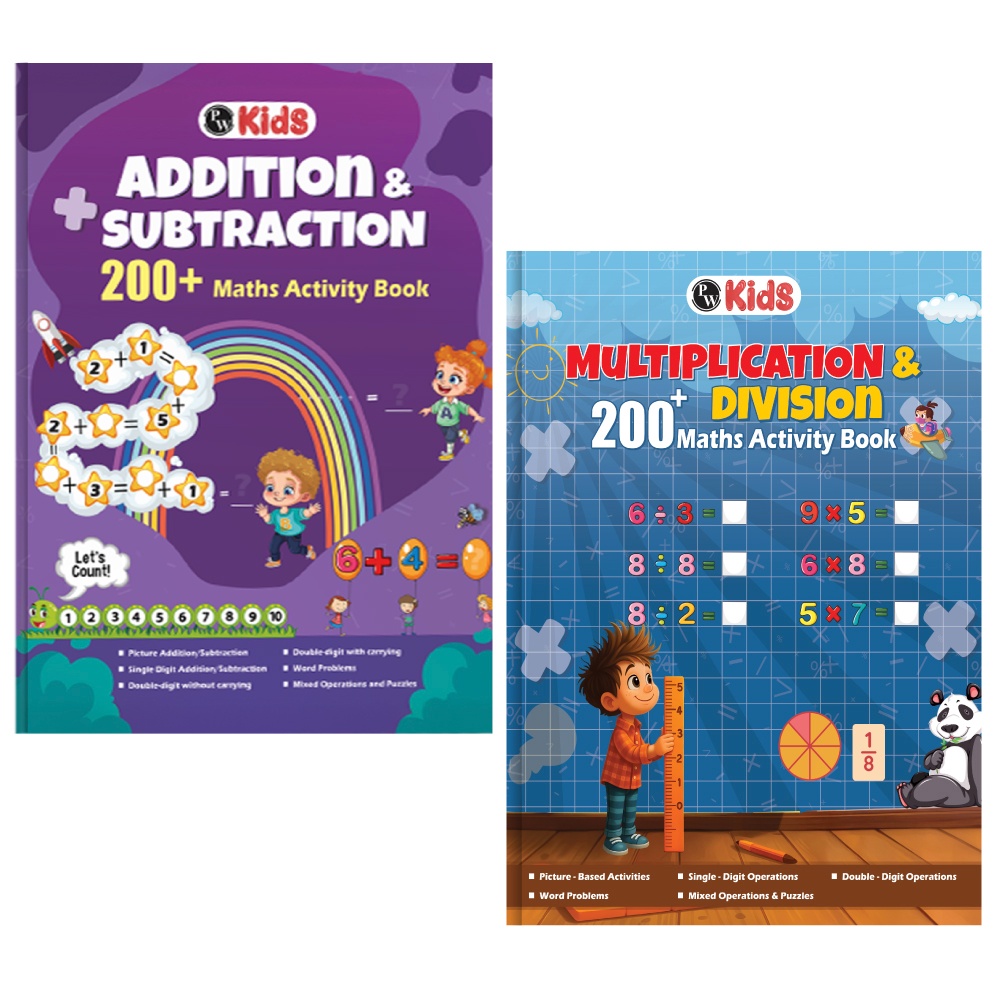
Check Out: PW Kids' Books
Nutrition and Balanced Diet for Healthy Growth
A balanced diet gives children the nutrients they need to grow strong, healthy, and active. Proper nutrition is one of the key factors of development, especially during the early years when the body and brain are growing rapidly.
Children require a good mix of carbohydrates, proteins, fats, vitamins, and minerals in their meals. Parents should make sure that kids eat a variety of foods instead of relying on just one type.
-
Food and Nutrition: Children need proper food with all nutrients to grow strong and healthy. A poor diet can make them weak and tired.
-
Sleep: Good sleep helps the body rest and grow. Children should get at least 8 to 10 hours of sleep daily.
-
Exercise and Play: Regular play keeps their body active and helps them learn teamwork and confidence.
-
Love and Care: Kids grow better when they feel loved and safe at home. Kind words and family time matter a lot.
-
Clean Environment: A clean home and school keep children safe from diseases.
|
Food Group |
Examples |
|
Carbohydrates |
Rice, Chapati, Oats, Whole Grains |
|
Proteins |
Eggs, Fish, Lentils, Chicken, Beans |
|
Fats (Healthy) |
Ghee, Nuts, Seeds, Olive Oil |
|
Vitamins |
Fruits, Leafy Greens, Milk, Carrots |
|
Minerals |
Bananas, Spinach, Milk, Nuts |
|
Fibre |
Vegetables, Fruits, Whole Grains |
|
Water |
Clean Drinking Water |
Check Out: Kids Activity Books
Importance of Physical Activity and Exercise
Physical activity is just as important as nutrition for a child’s growth. Regular movement helps in the development of muscles, bones, and even the brain. Children who stay active are generally happier, sleep better, and have stronger immunity:-
|
Type of Activity |
Examples |
|
Outdoor Play |
Running, Skipping, Climbing, Football |
|
Sports |
Cricket, Badminton, Basketball |
|
Yoga and Stretching |
Simple Asanas, Breathing Exercises |
|
Dance and Aerobics |
Free Dance, Zumba |
|
Cycling and Skating |
Morning or Evening Rides |
|
Household Help |
Helping parents clean or garden |
Books That Help Kids Learn and Grow
Apart from exercise and good food, learning is also very important for a child’s growth and development. Children can learn not only from school but also from reading and trying new things. PW has many reading books, fun experiment kits, and other tools that help young learners explore and enjoy learning.
Books help children understand the world around them. They improve thinking, imagination, and knowledge. Reading also helps with speaking and understanding words better. Parents can give children storybooks, picture books, and simple educational books that are right for their age.
|
Books for Kids |
| PW Activities Book For Kids |
| Riddles Book For Kids |
| Shlokas & Mantra Board Book for Kids |
| Activity Book Set on Moral Stories |
| Nursery Rhymes Board Book For Kids |
Factors That Affect Growth and Development in Kids
A child’s growth and development in childhood depend on many things. These include what they eat, how active they are, the care they get from parents, and the environment around them. Understanding the factors that affect growth and development helps parents and caregivers guide children in the right way. Each factor plays an important role in physical, mental, and emotional growth:-
1. Nutrition and Healthy Food
Good nutrition is one of the most important factors of development. Healthy food provides the energy and nutrients children need to grow strong and stay active. Without proper nutrition, children may feel tired, grow slowly, and face health problems.
-
Include a variety of fruits, vegetables, grains, proteins, and dairy in daily meals.
-
Avoid giving too many sugary or processed foods that do not support growth and development.
2. Physical Activity and Exercise
Daily movement is a key factor in growth and development in childhood. Exercise strengthens muscles and bones and helps children stay active and alert. It also helps in learning coordination and building confidence.
-
Encourage outdoor play like running, cycling, or climbing.
-
Include fun activities like dancing or yoga to keep children engaged.
3. Sleep and Rest
Proper sleep is a natural factor of growth. During rest, the body releases hormones that help build bones and tissues. Children who do not get enough sleep may feel weak, cranky, and unable to focus.
-
Children aged 5 to 12 need around 9 to 11 hours of sleep every night.
-
Keep a regular bedtime routine to support healthy development.
4. Emotional Care and Love
The emotional environment at home or school is another factor that affects development. Children who feel loved and supported grow with confidence and learn social and emotional skills faster.
-
Spend time talking and playing with your child every day.
-
Praise their efforts and achievements to encourage positive growth.
5. Learning and Education
Education and learning activities are important factors that affect growth and development. Reading, exploring, and problem-solving help children grow mentally and socially.
-
Provide books and educational games suitable for the child’s age.
-
Encourage curiosity by answering questions and explaining new ideas.
Also Check, Kids Reading Books
6. Health and Hygiene
Good health care and hygiene support proper growth. Regular medical check-ups and vaccinations prevent illnesses that can slow down growth and development in childhood.
-
Teach children to wash hands, brush teeth, and maintain cleanliness.
-
Take children for regular health check-ups to track growth and catch problems early.
7. Environment and Surroundings
The place where a child grows up also affects development. A safe and clean home, school, and playground support healthy growth, while unsafe or stressful environments can slow it down.
-
Ensure the child has a safe area to play and study.
-
Minimise exposure to pollutants, loud noises, or harmful substances.
8. Social Interaction
Friends, family, and teachers play a role in a child’s social development. Children learn sharing, cooperation, and communication through social interaction.
-
Encourage children to play and interact with peers.
-
Teach them simple social skills like saying thank you, taking turns, and helping others.
9. Genetics and Inherited Traits
Some aspects of growth are controlled by genes. Height, body structure, and certain abilities come from parents. While genetics cannot be changed, good nutrition and healthy habits can help children reach their potential.
-
Understand that every child grows at their own pace.
-
Support children with healthy routines regardless of genetic differences.
Read More: How Brain Games Help Kids Learn Faster?
Growth and Development in Childhood FAQs
1. What is meant by growth and development in childhood?
Growth refers to physical changes like height and weight, while development includes mental, emotional, and social progress. .
2. What are the main factors that affect growth and development?
Nutrition, exercise, sleep, emotional care, education, health, and environment are key factors that affect development in children.
3. How does nutrition impact a child’s growth?
Healthy food provides energy and nutrients for building muscles, bones, and the brain. Poor nutrition can slow growth and weaken immunity.
4. Why is exercise important for children?
Physical activity strengthens muscles, improves coordination, and supports mental development.
5. How much sleep do children need for proper growth?
Children aged 5–12 need about 9–11 hours of sleep each night.