Fun Maths Puzzle for Kids
Maths doesn’t have to be boring. In fact, it can be a lot of fun especially when turned into a puzzle. Math puzzles for kids are a great way to keep young minds active and engaged while building important skills like logic, problem-solving, and arithmetic. Whether it's solving a riddle or arranging numbers in a grid, puzzles in maths can turn learning into a joyful activity. Here we will explore some simple math puzzles, how they help children learn, and give you examples you can try at home. Every puzzle shared here is designed to be fun, easy to understand, and perfect for kids aged 5 to 12.
Math Puzzles Matter for Young Minds
Children learn fast when they're having fun. When a child solves a puzzle, their brain lights up with joy. This happy feeling helps them remember what they learned. Math puzzles work because they trick kids into practicing without knowing it.
Think like would your child rather do 20 addition problems on paper, or solve a mystery using numbers? Most kids pick the mystery every time. That's the magic of puzzles in maths.
Research shows that children who play with number puzzles develop stronger thinking skills. They learn to look at problems from different angles. They become better at finding solutions when things get tough. These skills help them not just in math class, but in life.
Different Types of Puzzles in Maths
Let’s take a closer look at the different kinds of maths puzzles children can enjoy:
1. Math Riddles and Brain Teasers
These are short questions with clever answers. They make kids think in unusual ways.
Example:
-
"A farmer had 15 sheep. All but 9 ran away. How many are left?"
Answer: 9. (Because all but 9 ran away.)
These riddles make children read carefully and think logically.
2. Picture and Logic Puzzles
These are visual puzzles where kids might look at patterns, match shapes, or use clues to find an answer.
Example:
-
“There are three buckets. One holds 10 liters, one holds 7 liters, and one is empty. How can you get exactly 5 liters?”
This type of challenge makes them use logic and planning skills
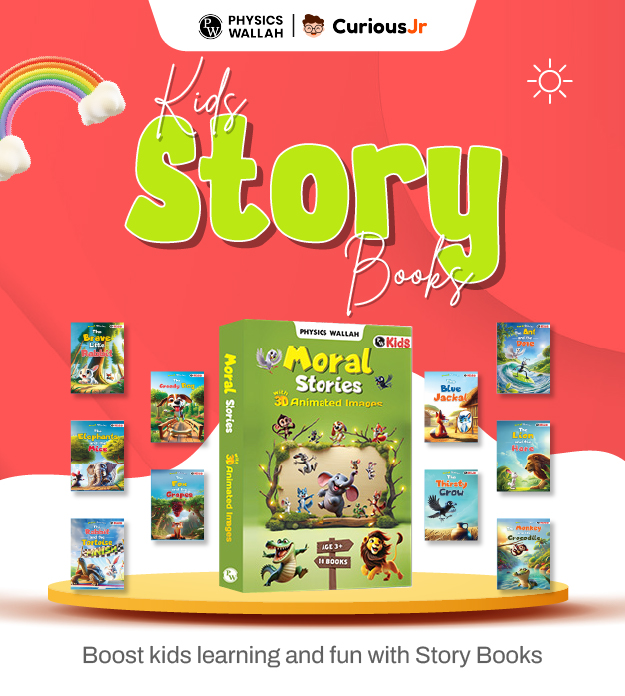
Check Out: Kids' Books
3. Number Puzzles for Kids
Number puzzles are perfect for building arithmetic skills and pattern recognition.
-
Example: Magic Square Arrange the numbers 1 to 9 in a 3x3 grid so that every row, column, and diagonal adds up to 15.
2 7 6
9 5 1
4 3 8
This number puzzle for kids helps improve addition and planning.
4. Magic Triangles and Shapes
These puzzles mix shapes with numbers. They are excellent for teaching geometry in a playful way.
-
Example: Put numbers 1 to 6 into the corners of a triangle so each side adds up to 9.
It’s fun, and it teaches kids how numbers relate to each other.
5. Math Games That Involve Puzzles
Games like 2048 are digital number puzzles for kids. Players slide tiles with numbers on them to combine and reach the number 2048. While they play, kids learn about doubling and planning moves ahead.
Offline games like Sudoku or Kakuro are also great choices. These are more advanced but still simple enough for kids aged 10 and above with some guidance.
6. Math Crossword Puzzles
These look like word crosswords, but instead of words, they use numbers and math clues.
-
For example, “Across: 2 + 3” would go in the crossword as “5”. These puzzles build both math and reading comprehension.
7. Number Patterns
Kids can spot patterns and fill in the blanks.
-
Example: 2, 4, 6, __, 10
Answer: 8
These simple math puzzles are great for younger children starting with counting and number recognition.
Easy Puzzles to Start With
We learn about types of math puzzles but you should know where to start.
The Missing Number Mystery
Start with simple patterns. Write: 2, 4, 6, 8, __, 12. Ask your child what number belongs in the blank. This teaches counting by twos while feeling like a detective game.
Make it harder gradually: 1, 4, 7, 10, __, 16. Now they're counting by threes.Pattern recognition helps with algebra concepts later.
Age Puzzles That Surprise
Here's a puzzle that makes kids think: "When my dad was 31, I was 8. Now he is twice my age. How old am I now?"
Let kids work through this step by step. Dad was 23 years older when I was 8. He's still 23 years older now. If he's twice my age, then my age plus 23 equals twice my age. That means 23 equals my age. So I'm 23 years old now.
Simple Magic Triangles
Draw a triangle with six circles - three on each side, with one circle at each corner shared by two sides. Challenge kids to put the numbers 1, 2, 3, 4, 5, and 6 in the circles so each side of the triangle adds up to 9.
This puzzle teaches addition, planning, and patience. When kids finally solve it, they feel incredibly proud.
Check Out: Activity Books for Kids
Building Skills Through Math Puzzle
This puzzle game not only teaches math but also builds your child skills that help the grow better.
Problem-Solving Gets Stronger
Every time a child works on puzzles in maths, they practice breaking big problems into smaller pieces. They learn to try different approaches when the first one doesn't work. These skills transfer to every subject in school.
Mental Math Improves Naturally
Regular puzzle practice makes mental arithmetic faster and easier. Kids start doing simple calculations in their heads without even thinking about it. This confidence boost helps them tackle harder math concepts later.
Logic and Reasoning Develop
Math puzzles teach kids to think step by step. They learn to make connections between different pieces of information. They start noticing patterns everywhere, not just in numbers.
Choosing the Right Puzzle
Not every puzzle fits every child. Here’s how to choose:
-
Age Appropriate: Younger kids need very simple maths puzzles, while older kids can handle logic and number puzzles.
-
Short and Fun: Keep puzzles short so kids stay interested.
-
Mix It Up: Change puzzle types to keep things exciting.
-
Use What They Know: Base puzzles on maths concepts they already understand to build confidence.
Read More: Importance of Maths Games for Kids
Kids Maths Puzzles FAQs
1. How do puzzles in maths help children learn?
Puzzles build thinking, reasoning, and problem-solving skills. They also improve memory, focus, and confidence with numbers.
2. Are number puzzles for kids better than worksheets?
Number puzzles make learning fun and interactive. Unlike worksheets, puzzles feel like a game and encourage children to think deeper.
3. Are these puzzles suitable for school classrooms?
Absolutely. Teachers can use puzzles in warm-ups, brain breaks, or math centers to make lessons more engaging.
4. How often should children do maths puzzles?
A few times a week is great. Even 10–15 minutes per session can show real improvement in math understanding.