Defence Exams After Graduation: Options & Preparation

Aspiring officers can join the Indian Armed Forces through defence exams after graduation, like CDS, AFCAT, and CAPF. Many youngsters think that the only way to join the military is through the NDA soon after school. But many high-level defence tests give you a second chance to take the lead.
The Indian Armed Forces provide several different ways to join based on your individual skills and experience. This guide looks at the many choices available and explains who can take these tests and how to get ready for them.
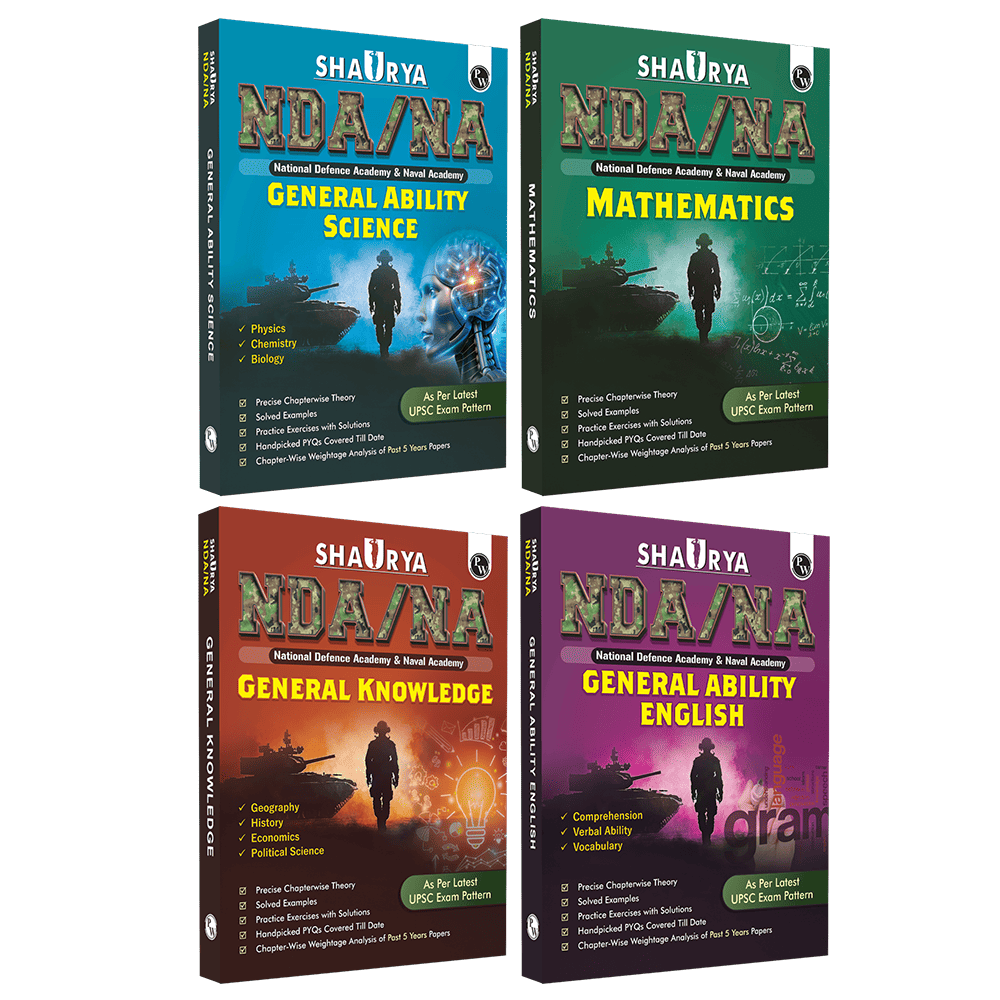
Check Out: NDA/Defence Books
Top Career Pathways: Defence Exams After Graduation
A lot of people choose to join the military after graduation. These tests let you join the service at an older age with a specialised degree, unlike the 10+2 entry. All defence exams focus on leadership potential, technical knowledge, and mental agility.
Combined Defence Services (CDS) Exam
The CDS exam is conducted by the UPSC twice a year. It is perhaps the most well-known of all defence exams after graduation for male and female aspirants.
-
Indian Military Academy (IMA): For male graduates seeking a Permanent Commission.
-
Officers Training Academy (OTA): For both male and female graduates seeking a Short Service Commission.
-
Air Force Academy (AFA): Requires a degree in engineering or a degree with physics and maths at the 10+2 level.
-
Indian Naval Academy (INA): Specifically for those with a B.E. or B.Tech degree.
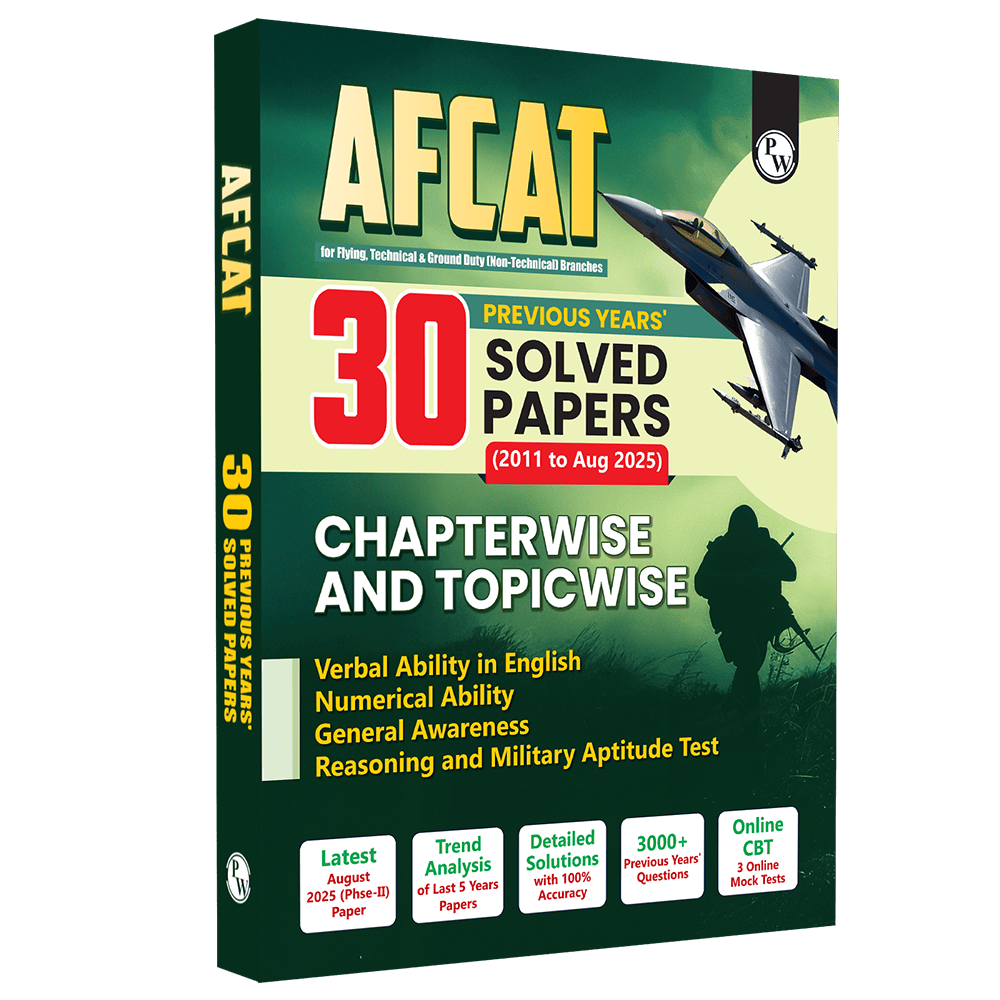
Air Force Common Admission Test (AFCAT)
If you dream of flying or working with advanced aviation technology, AFCAT is the primary gateway. This is one of the most sought-after defence exams after graduation for female candidates looking to join the Flying or Ground Duty branches.
-
Flying Branch: Requires a minimum of 60% in graduation and 10+2.
-
Technical Branch: Requires an engineering degree in relevant streams.
-
Non-Technical Branch: Open to graduates in various streams, like commerce or humanities.
Central Armed Police Forces (CAPF) - Assistant Commandant
While often grouped with civil services, the CAPF (AC) exam is a stellar choice for those wanting to serve in paramilitary forces like the BSF, CRPF, and CISF. It involves a written test followed by physical and medical standards tests.
Check Out: NDA Books
Eligibility Matrix for All Defence Exams After Graduation
To qualify for these prestigious roles, candidates must meet specific age and educational requirements. The following table summarises the criteria for the most popular Indian defence exams:
|
Exam / Entry |
Academy |
Age Limit |
Educational Qualification |
Gender Eligibility |
|
CDS |
IMA |
19–24 Years |
Any Graduation Degree |
Male Only |
|
CDS |
INA |
19–24 Years |
B.E. / B.Tech |
Male Only |
|
CDS |
AFA |
19–24 Years |
B.E. or B.Sc. (Maths/Physics) |
Male Only |
|
CDS |
OTA |
19–25 Years |
Any Graduation Degree |
Male & Female |
|
AFCAT |
Flying |
20–24 Years |
60% in Graduation + PCM |
Male & Female |
|
AFCAT |
Ground Duty |
20–26 Years |
Graduate / B.E. / B.Tech |
Male & Female |
|
CAPF (AC) |
Paramilitary |
20–25 Years |
Any Graduation Degree |
Male & Female |
|
TGC / SSC Tech |
Army/Navy |
Up to 27 Years |
Engineering Degree |
Male & Female |
Defence Exams After Graduation for Female Candidates
The opportunities for women have expanded significantly in recent years. Female aspirants can now apply for defence exams through several specialised and general pathways, including:
-
Short Service Commission (SSC) via CDS: Women can join the Officers Training Academy (OTA) Chennai, leading to roles in the Army.
-
AFCAT: Women are eligible for all branches, including Flying, Technical, and Ground Duty (Non-Technical) roles.
-
Judge Advocate General (JAG) Entry: A direct entry for law graduates (LLB) with at least 55% marks.
-
Technical Entry: Women with engineering degrees can apply for SSC-Tech entry, which often bypasses a written exam in favour of direct SSB shortlisting based on degree marks.
Check Out: AFCAT Books
How to Prepare for Defence Exams After Graduation?
Clearing these exams requires a blend of academic excellence and physical fitness. Here is a simplified breakdown of how to approach your preparation:
Master the Written Syllabus
Most defence exams follow a similar pattern:
-
General Knowledge: Focus on Current Affairs, Indian History, Geography, and General Science.
-
English: Work on grammar, vocabulary, and comprehension, as this is a high-scoring section.
-
Mathematics: Brush up on Class 10 and 12 level arithmetic, algebra, and geometry (required for IMA, AFA, and INET).
Focus on Personality (SSB Interview)
The written exam is only the first hurdle. The Services Selection Board (SSB) interview is a 5-day process testing your personality and "Officer Like Qualities" (OLQs).
-
Practice public speaking and group discussions.
-
Stay updated with national and international news.
-
Develop a hobby that shows leadership or teamwork.
Maintain Physical Standards
Every recruitment process includes a rigorous medical and physical test. Start a routine of running, push-ups, and basic strength training.
-
Height: Minimum 157.5 cm for males and 152 cm for females.
-
Vision: Corrected vision is allowed, but standards vary (e.g., the Flying Branch is stricter).
Check Out: CDS Books
Acing Your Defence Exams After Graduation
After college, it can be hard to figure out how to get through the Indian Defence tests, but they are a clear way to get a high-status job. If you have a general degree, CDS (OTA) and AFCAT (Non-Tech) are your best bets. If you have a technical degree, look into technical entries and INET. The path is challenging, but the reward is a life of discipline and honour that few other professions can offer.
Read more: Defence Exams After 12th
Defence Exams After Graduation FAQs
Which is the best defence exam for females after graduation?
It is highly advised that you take the AFCAT and the CDS (OTA) tests. Women can become commissioned officers in different parts of the Air Force and Army by taking these tests.
Can I join the Indian Army after graduation without a written exam?
Yes, people with certain degrees, such as an engineering degree (TGC/SSC-Tech), a legal degree (JAG entrance), or an NCC "C" certificate, can commonly apply for direct SSB interviews.
What is the age limit for defence exams for male candidates?
The age limit generally ranges from 19 to 25 years. For IMA, the limit is 24, while for OTA and CAPF, it extends up to 25 years.
Do you need to get at least a certain percentage on the CDS exam?
The CDS exam (UPSC) merely requires you to have passed your graduation degree, but the AFCAT exam normally needs you to get at least 60% of the marks.
Can I apply for defence exams while I'm in my final year of graduation?
Yes, final-year students are eligible to apply for defence exams if they can prove they passed by the time the course begins at the academy.