Easiest vs Toughest Topics for NEET Exam Preparation 2026

NEET Exam Preparation
NEET exam is one of the biggest medical entrance tests in India. Every year, lakhs of students apply for this exam to secure admission in top medical colleges. The NEET 2026 exam is scheduled to be held on 3rd May 2026, and the application process will start around January or February 2026. As the exam is scheduled in May, candidates should start their NEET exam preparation as early as possible to cover the complete syllabus in time.
The NEET syllabus is vast as it includes Physics, Chemistry, and Biology from both NCERT Class 11 and NCERT Class 12. Due to this, it often becomes difficult for candidates to complete every single topic with equal focus. To make this preparation easier, PW has brought the list of the toughest chapters in NEET, the easiest chapter in NEET, and other important NEET topics. Some of the toughest topics include Organic Chemistry, Thermodynamics, Human Physiology, and Genetics, while easier topics include Biomolecules, Environmental Chemistry, and Plant Physiology. With this list, students can plan their schedule as per their convenience, focus more on high-weightage topics, and prepare for NEET 2026 in a smarter way.
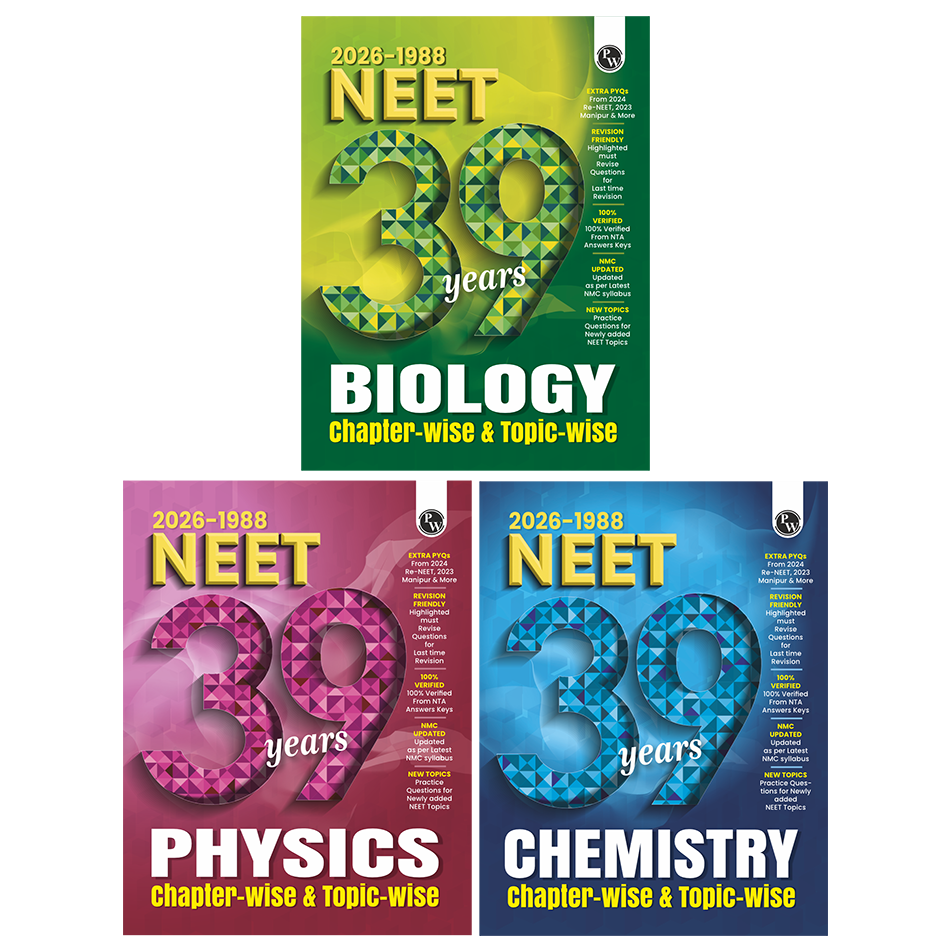
Check Out: PW NEET Books
NEET Exam 2026
Go through the NEET 2026 exam overview here:-
|
NEET 2026 Overview |
|
|
Particulars |
Details |
|
Exam Name |
National Eligibility cum Entrance Test (NEET-UG) |
|
Conducting Body |
National Testing Agency (NTA) |
|
Exam Level |
National Level |
|
Exam Date |
3rd May 2026 |
|
Application Start Date |
January/February 2026 (Expected) |
|
Mode of Exam |
Offline (Pen and Paper Based) |
|
Duration |
3 Hours 20 Minutes (200 Minutes) |
|
Subjects |
Physics, Chemistry, Biology (Botany & Zoology) |
|
Number of Questions |
200 (Candidates need to attempt 180) |
|
Marking Scheme |
+4 for correct answer, -1 for incorrect answer |
|
Official Website |
https://nta.ac.in |
Toughest Chapter in NEET
The NEET 2025 exam was held on 4th May 2025, with more than 22.7 lakh students appearing. Students said the paper was medium to difficult, but the Physics section stood out as the toughest. Chemistry was tricky and time-consuming, with many concept-based and statement or match-type questions.
Biology was more predictable but still included many conceptual, analytical, and NCERT-based questions. Because of these, many students felt that some chapters in Physics and Chemistry required more effort than in earlier years. Candidates are advised to go through these chapters and complete these topics with extra attention:-
|
Subject |
Toughest Topics for NEET |
|
Physics |
Mechanics (Laws of Motion, Work-Energy-Power), Current Electricity & Magnetism, Thermodynamics, Ray Optics & Optical Instruments. |
|
Chemistry |
Physical Chemistry (Thermodynamics, Chemical Kinetics), Organic Chemistry (Basic Principles, Hydrocarbons, Aldehydes/Ketones), Coordination Compounds. |
|
Biology |
Genetics and Molecular Basis of Inheritance, Human Physiology, Biotechnology and its Applications. |
Check Out: NEET Previous Year Papers
Easy Chapter in NEET
The NEET 2025 exam showed that apart from the difficult areas, there were several easy chapter in NEET that helped students attempt questions with more confidence. Many of these questions, especially in Biology, were directly from NCERT, making them scoring and less time-consuming.
Physics and Chemistry also had some portions that were formula-based and straightforward. These important chapters for NEET are not only simple but also carry good weightage, which means candidates can secure marks quickly. Knowing such NEET important topics helps in balancing preparation between the difficult and easier parts of the syllabus.
|
Subject |
Easy Chapter in NEET |
|
Physics |
Units and Measurements, Gravitation, Oscillations & Waves, Semiconductor Electronics. |
|
Chemistry |
Environmental Chemistry, Some Basic Concepts of Chemistry, Classification of Elements & Periodicity, Biomolecules. |
|
Biology |
Morphology of Flowering Plants, Human Reproduction, Biomolecules, Ecology & Environment. |
Check Out: NEET Question Banks
NEET Books for 2026 Exam Preparation
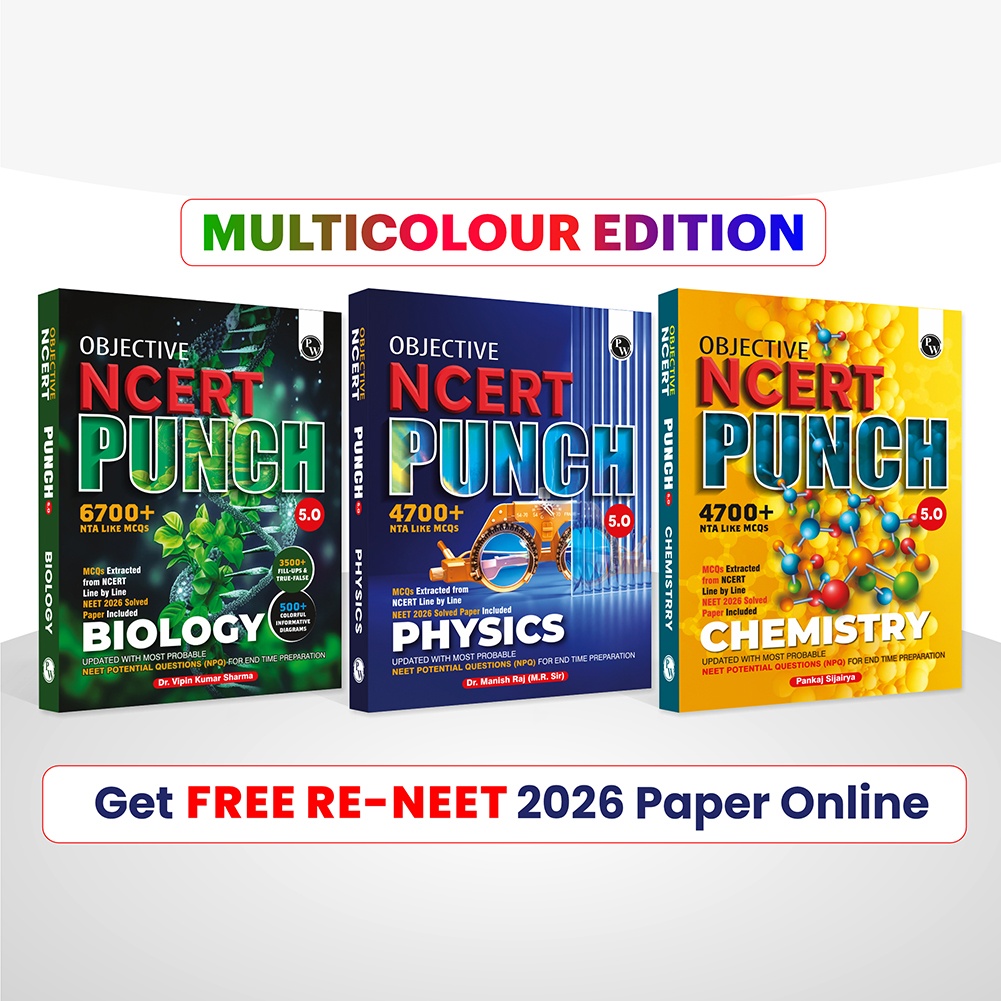
Whether it is an easy chapter in NEET or the toughest chapter in NEET, having proper study materials is important for every candidate. The syllabus is vast and includes Physics, Chemistry, and Biology, so students will need the right resources to prepare each subject in a clear and structured way. Whether you are searching for NEET PYQs or NEET sample papers, you can click the link and get them easily.
NEET Exam Preparation Tips
The syllabus is vast, covering NCERT Class 11 and NCERT Class 12 topics from Physics, Chemistry, and Biology. While some topics are easier, others are more challenging, so candidates must balance both the easy chapters in NEET and the toughest chapters in NEET during preparation. Here are some of the important NEET Exam Preparation Tips:-
1. Understand the Exam Pattern and Structure
Before starting preparation, students should first understand how the exam is structured. NEET 2026 will have 200 questions, out of which candidates will need to attempt 180. The subjects will include Physics, Chemistry, and Biology from both NCERT Class 11 and NCERT Class 12.
-
The exam will follow a fixed marking scheme where 4 marks will be given for every correct answer and 1 mark will be deducted for every wrong answer.
-
Studying the exam structure helps candidates plan time allocation among the three subjects and balance between lengthy questions and short factual ones.
-
When students know the nature of the exam, they can practice NEET PYQs and NEET sample papers in a way that mirrors the real exam experience.
2. Analyse NEET Previous Year Papers
One of the effective ways to prepare for NEET is by carefully analysing past papers. These show the question trend and help students identify the NEET important topics.
-
Solving the NEET previous year question paper chapter wise helps in tracking which chapters are consistently repeated, which makes it easier to focus on important chapters for NEET.
-
Students will notice that while some areas are formula-based, others need strong conceptual clarity, especially in Physics and Chemistry.
-
Practising PYQs improves time management as students become familiar with question length and the level of difficulty.
3. NEET Exam Preparation for Physics
Physics is often considered one of the toughest subjects in NEET. Many students struggle here because of lengthy calculations and numerical concepts.
-
Focus on important chapters for NEET Physics, such as Mechanics, Current Electricity, Thermodynamics, and Ray Optics, which carry high weightage.
-
While preparing, use the NCERT Class 11 and NCERT Class 12 books as the base and then practice from additional NEET books or PW NEET modules.
-
Make short notes of important formulas, derivations, and laws, and revise them regularly so they remain fresh before the exam.
4. NEET Exam Preparation for Chemistry
Chemistry is a subject where both memory-based learning and conceptual understanding are required. Students should balance Physical, Organic, and Inorganic Chemistry.
-
For Physical Chemistry, concentrate on important chapters for NEET such as Thermodynamics, Chemical Kinetics, and Equilibrium, as these are often tricky.
-
In Organic Chemistry, go through the NCERT thoroughly and revise reactions, mechanisms, and named reactions. These are regularly included in the NEET previous year question paper chapter wise.
-
In Inorganic Chemistry, focus on the NCERT tables and properties. Direct questions are often asked in NCERT Class 11 and NCERT Class 12.
-
Practising question banks, NEET PYQs, and sample tests helps in strengthening conceptual clarity and identifying the easy chapters in NEET Chemistry for quicker scoring.
5. Biology NEET Exam Preparation
Biology carries the maximum weightage in NEET, making it the most important subject. More than half of the exam comes from this section.
-
Focus on NEET important topics such as Human Physiology, Genetics, Ecology, Plant Physiology, and Biotechnology, which are scoring as well as conceptual.
-
Always prepare diagrams from NCERT Class 11 and NCERT Class 12, as questions are often asked directly from these figures.
-
Divide time wisely between the easy chapter in NEET Biology, like Morphology and the toughest chapter in NEET Biology, like Molecular Basis of Inheritance.
-
Revise the NCERT line by line because even small statements are directly picked up in the exam.
6. Balance Between Easy and Tough Chapters
Since the NEET syllabus is vast, students should not spend too much time only on difficult areas. It is important to balance both.
-
Give priority to important chapters for NEET that carry more marks, such as Human Physiology in Biology, Mechanics in Physics, and Thermodynamics in Chemistry.
-
Cover the easy chapter in NEET first, as these help in securing marks quickly and boost confidence.
-
Do not skip the toughest chapter in NEET completely, but prepare at least the frequently asked concepts from these areas.
-
Plan your study schedule so that each subject is given time every day, balancing tough and easy topics.
7. Use of Study Material and Notes
Choosing the right study material plays a key role in preparation. Along with NCERT, students can use reliable sources like PW NEET modules.
-
Begin with the NCERT Class 11 and NCERT Class 12 books, as most NEET questions are directly based on the NCERT content.
-
Use PW study material for NEET, which provides structured modules for practice and revision.
-
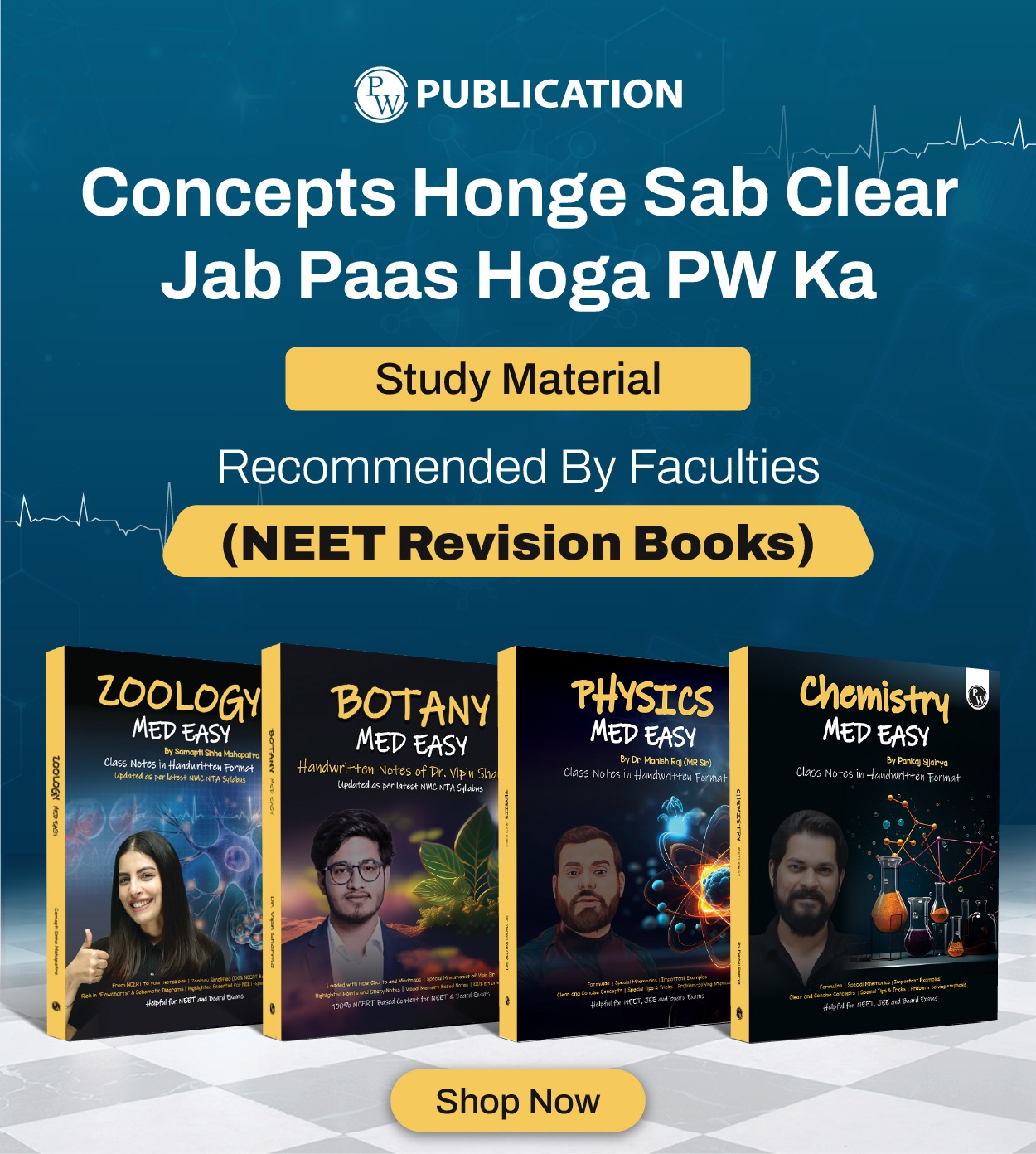
Keep making notes while studying. Write down formulas, reactions, diagrams, and definitions so they can be revised quickly before exams. For faster revision, students can also use the NEET PCB Med Easy Handwritten Notes books, which offers concise and well-organized notes for all three subjects.
-
Highlight the NEET important topics in your notes so that during revision, you can focus on high-weightage chapters.
Read More: NEET Deleted Syllabus 2025
NEET Exam Preparation 2026 FAQs
Q1. How should I start my NEET exam preparation 2026?
Start with the NCERT Class 11 and NCERT Class 12 books and then move towards solving the NEET previous year question paper chapter-wise.
Q2. Which is the toughest chapter in NEET?
Some of the toughest chapters in NEET include topics like Thermodynamics and Rotational Motion in Physics, Organic Chemistry reaction mechanisms, and Human Physiology in Biology.
Q3. Which is the easiest chapter in NEET?
The easy chapter in NEET may vary for each student, but chapters like Strategies for Enhancement in Food Production, Morphology of Flowering Plants, and Environmental Chemistry are considered more straightforward and scoreable.
Q4. How important are NCERT books for NEET exam preparation?
NCERT Class 11 and NCERT Class 12 books are the backbone of NEET exam preparation.
Q5. Should I solve NEET PYQs and NEET Sample Papers?
Yes, solving NEET PYQs and NEET Sample Papers is very important. They help you understand the NEET important topics, the type of questions asked, and also improve time management before the actual exam.