How Chapterwise NEET Biology PYQs Book Help You Identify Weak Topics Faster

Many students spend hours re-reading familiar chapters while completely ignoring the underlying gaps that actually cost them marks on exam day. True progress happens when you stop guessing and start measuring exactly where your understanding falls short.
By shifting your focus from passive reading to active, targeted problem-solving, you can expose those hidden problem areas before the exam clock starts ticking. A structured NEET PYQ Biology provides the precise diagnostic data you need to fix errors rapidly and build genuine exam confidence.
Overview of NEET PYQ Biology
Succeeding in medical entrance tests requires a complete understanding of how theoretical concepts translate into actual exam questions. A dedicated NEET question bank organizes decades of past papers by topic, offering a direct window into official testing patterns.
Instead of dealing with a chaotic mix of random questions, this structured approach allows you to evaluate your knowledge of one specific topic at a time. It serves as a continuous diagnostic tool that shows you exactly how concepts are tested.
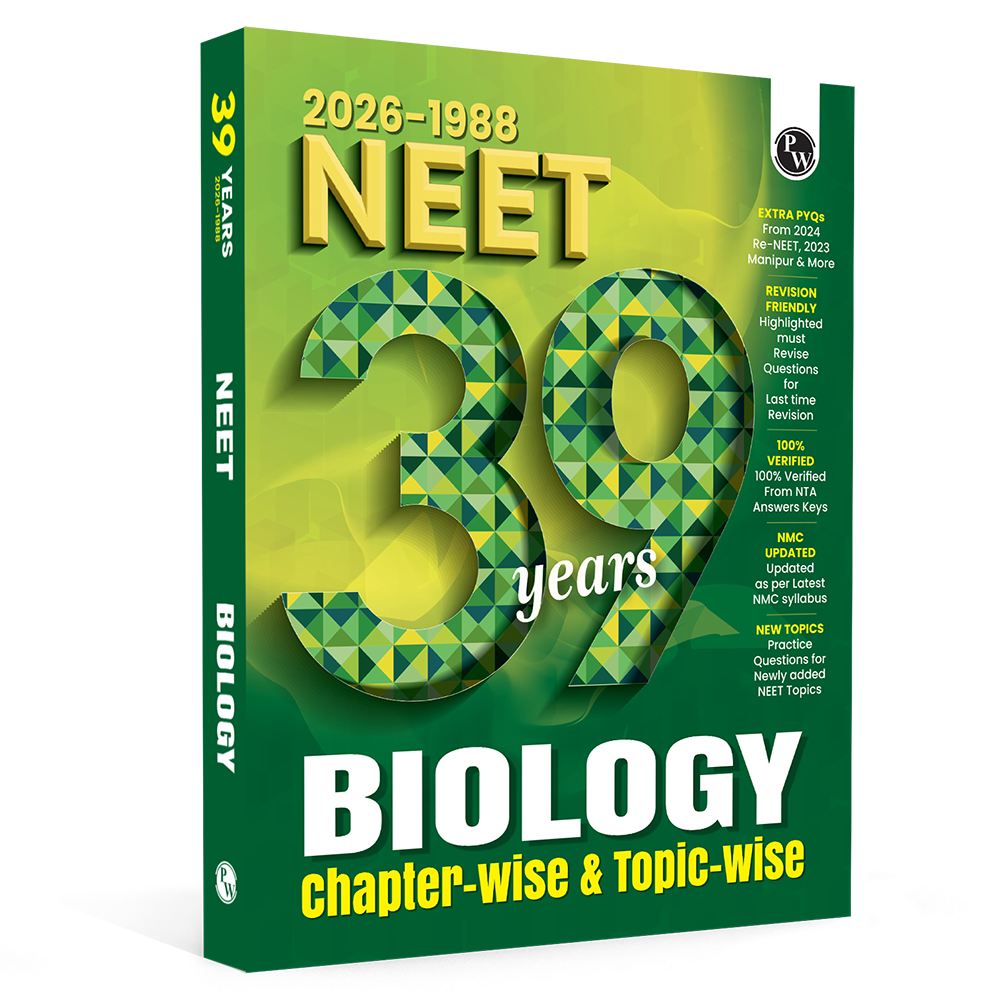
A comprehensive resource features a chapter-wise and topic-wise arrangement for easy learning. This systematic layout ensures you can easily match your daily study schedule with past paper analysis. Rather than waiting for full-length mock tests to uncover your blind spots, you can evaluate your progress at the end of every study session. This structured clarity turns a vast syllabus into a series of achievable milestones.
How NEET PYQ Biology Helps Prioritise High-Weightage Chapters
Not all chapters in the medical syllabus carry equal weight, and treating them as identical is a common strategy mistake. A chapter-wise breakdown clearly shows which chapters appear most frequently, helping you allocate your valuable study time where it matters most. By analysing these historical patterns, you can easily separate high-yield areas from topics that only yield a few marks.
This targeted method keeps your schedule efficient and well-organised. For instance, discovering that a specific unit consistently generates multiple complex questions allows you to give it the attention it deserves. It also stops you from spending weeks on low-weightage topics simply because you find them comfortable or easy to read.
This inclusion ensures you can easily track recent shifts in examiner focus and weightage. Seeing how newer topics are integrated alongside historic trends helps you adapt your preparation to match contemporary testing standards.
Benefits of Using the NEET PYQ Biology
Using NEET PYQ divided by chapter provides several structural advantages that simple textbooks cannot match. The main benefit is the immediate feedback loop it creates during your practice sessions.
When you solve questions grouped by topic, repetitive errors quickly reveal themselves, showing you exactly where your conceptual foundations are weak.
-
Helps you understand real exam patterns and trends to align your daily practice with actual testing standards.
-
Boosts accuracy with fully solved, reliable answers that clarify complex problem-solving steps.
-
Saves time with structured and focused preparation by eliminating random searching across multiple papers.
-
Improves revision efficiency with highlighted questions that pinpoint high-yield concepts.
-
Covers both the old and the latest syllabus changes so your knowledge remains accurate and relevant.
-
Strengthens concept clarity through repeated PYQ practice, which fixes your understanding of core topics.
Beyond organizing your daily study routine, a high-quality past paper collection also functions as an excellent revision resource during the final months of preparation.
Boost your NEET preparation with well-structured NEET books that strengthen core concepts, provide ample practice, support effective revision, enhance accuracy, and help you approach the medical entrance exam with confidence.
Study Plan with NEET PYQ Biology
To make the most of your chapter-wise question bank, you need a clear, actionable study plan that moves beyond passive reading. Instead of simply answering questions from start to finish, integrate your question practice directly into your broader learning schedule to achieve the best results.
Step 1: Baseline Evaluation
Begin your study cycle by reading a chapter thoroughly in your primary textbook, focusing heavily on core definitions and mechanisms. Once finished, open your question bank to that specific section and solve the first twenty questions without checking the hints. Mark every question where you hesitated or made an error, as this builds an immediate list of topics that need a quick review.
Step 2: Error Classification
Do not just note your final score; look closely at why you missed specific marks. Divide your errors into two distinct categories: simple careless reading errors or deeper conceptual gaps where the question felt entirely unfamiliar. Write these diagnostic findings directly into a dedicated revision notebook to keep your focus sharp during future study sessions.
Step 3: Targeted Remediation
Spend the next two days reviewing the specific subtopics where you struggled, using your notes to fill those exact knowledge gaps. Once you feel more confident, return to the question bank to solve the remaining questions in that chapter. This structured method ensures you systematically eliminate weak spots before moving on to new material.
Revision Tips with for Using PYQ Biology
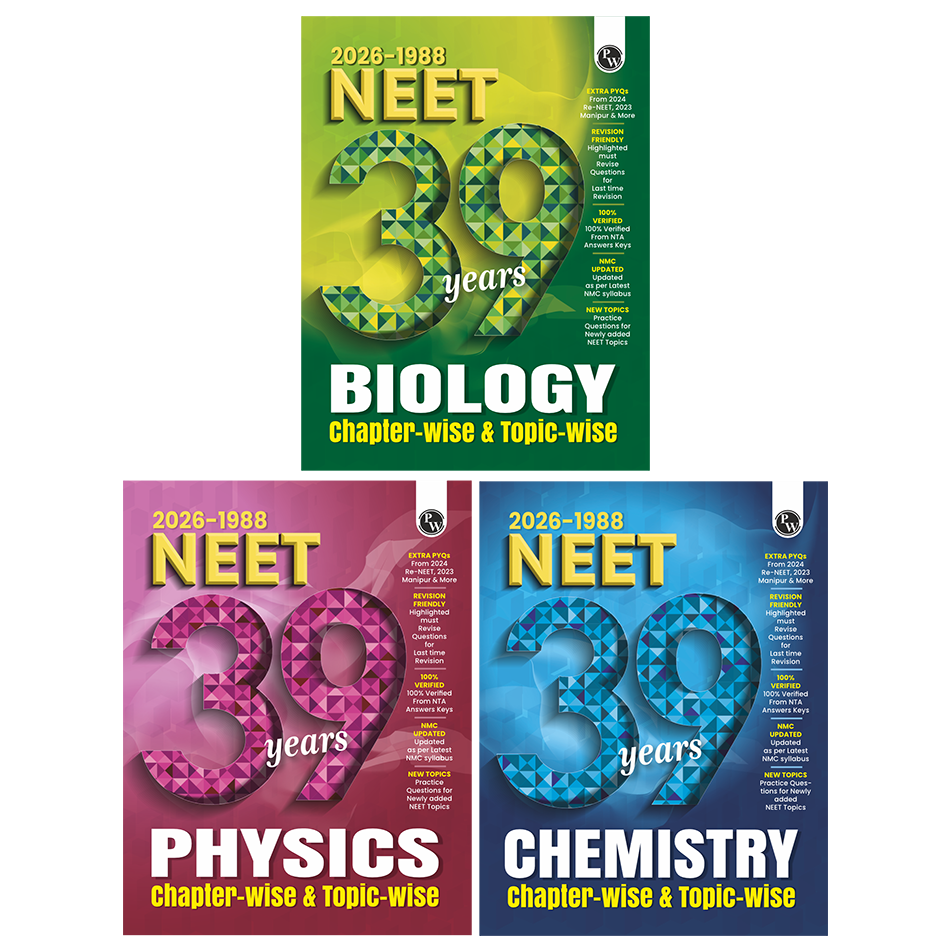
An efficient revision plan focuses entirely on active recall rather than re-reading highlighted book chapters repeatedly. Re-solving selected previous year questions forces your brain to retrieve information under pressure, creating stronger memory pathways and improving actual exam performance. Along with a structured revision strategy, the 39 Years NEET PYQ Combo provides extensive previous year questions that help students identify recurring concepts, strengthen weak areas, and become familiar with the latest NEET question trends.
- Target marked items first: Focus your weekly reviews on questions you answered incorrectly during your first attempt to ensure those conceptual gaps are closed.
- Use highlighted questions: Track your progress using the highlighted "must revise" questions for your final rounds of revision.
- Practice under time constraints: Use a stopwatch while solving previous year papers to build the speed and composure needed for the actual exam.
- Cross-reference answer keys: Always verify your reasoning with detailed solutions to identify and correct logical mistakes early, ensuring continuous improvement.
Common Mistakes to Avoid While Solving NEET PYQ Biology
Many students reduce the value of excellent past paper resources by treating them as simple reading books. Reading through questions and flipping directly to the back for answers creates a false sense of security without building actual problem-solving skills. You must struggle with a problem on your own before looking at the solution to build real confidence.
Another common mistake is ignoring the underlying explanations for questions you answered correctly by pure guesswork. A lucky guess during practice can easily become a lost mark during the real exam if the question is slightly rephrased.
Taking a moment to read the verified answer explanations ensures your logic is sound, even when your final answer happens to be correct.
Read More: NEET Sample Papers PDFs with Solutions
NEET PYQ Biology FAQs
How does a chapter-wise book help identify weak topics in NEET faster than full mock tests?
A chapter-wise layout provides immediate feedback on specific topics right after studying them, allowing you to isolate and fix conceptual gaps immediately. Full mock tests mix all topics together, making it much harder to pinpoint whether a mistake was caused by a specific chapter weakness or general exam fatigue.
Can I rely on biology chapter-wise PYQs to cover recent changes in the exam syllabus?
Yes, a high-quality question bank tracks syllabus updates over time. It covers both the old and the latest syllabus changes, ensuring your practice remains fully aligned with current guidelines.
Why is focused NEET biology practice better than reading textbook chapters repeatedly?
Active problem-solving forces your brain to retrieve information and apply concepts to unfamiliar scenarios, which uncovers actual knowledge gaps. Repeated reading often creates a false sense of familiarity, where you recognize the text but cannot answer an analytical question on it under pressure.