How to Make Notes from PW NEET Modules
PW modules are comprehensive, subject-oriented study sets designed by Physics Wallah for competitive exam preparation. These resources break down vast syllabi into structured, manageable units, combining NCERT-focused theory with multilevel practice exercises. They serve as a primary tool for students to build conceptual clarity and develop the problem-solving speed necessary for high-stakes entrance exams.
Check out: NEET Modules
Mastering Your Strategy: Using PW Modules for NEET and JEE 2026
To secure a top rank, simply reading a textbook isn't enough; you need a strategy to distill massive amounts of information into actionable insights. Using pw modules effectively means learning how to extract the "meat" of a chapter. Whether you are using pw modules for neet or PW modules for JEE, the goal of note-making is to create a condensed version of the theory that you can review in minutes rather than hours.
For students in the pw modules for neet 2026 cycle, the emphasis is often on biology and chemistry facts rooted in NCERT. Meanwhile, those using the modules for engineering prep focus on extracting the logic-based shortcuts found in the physics and math sections. While many students utilize a pw modules pdf for quick reference during online classes, the physical books allow for a more tactile note-making experience, such as highlighting the "Knowledge Hub" tips or adding annotations directly in the margins.
Successful aspirants treat the pw modules as a dynamic resource. By integrating the chapter-wise weightage analysis into your notes, you can ensure that your revision is always focused on high-priority topics. This organized approach helps in reducing exam-day anxiety, as your notes become a familiar, evidence-based roadmap to success.
Step-by-Step Guide to Effective Note-Making from PW Material
The internal architecture of the modules is designed to facilitate a "Staircase Pedagogy." Here is how you can leverage the specific features of the modules to build superior notes.
1. Extracting from the Knowledge Hub
Every chapter in the pw modules includes a "Knowledge Hub." This is a goldmine for note-makers. It contains:
-
High-priority points: These should be the first items in your notebook.
-
Important formulas: Copy these into a separate "Formula Bank" section of your notes.
-
Knowledge Hub Tips: These are "pro-tips" for quick solving that you won't find in standard textbooks.
2. Synthesizing NCERT-Focused Theory
The theory in the modules is already streamlined to align with NCERT. When making notes, don't rewrite the module. Instead, use the NCERT-focused fill-ins as a template. If a module highlights a specific reaction or biological process as "frequently asked," mark it with a star in your notebook. This is especially vital for pw modules for neet, where theoretical nuances are the difference between a good score and a great one.
3. Incorporating Multilevel Exercise Insights
Your notes shouldn't just be theoretical; they should be practical. As you work through the multilevel exercises (Levels 1, 2, and 3):
-
Level 1 Errors: Note down any basic concepts you missed.
-
Level 2 & 3 Logic: For multi-concept questions, write down the "bridge" logic used to connect two different topics (e.g., how Mechanics connects to Electromagnetism).
-
PYQ Trends: Use the integrated NEET Previous Year Questions to note the specific "language" the examiner uses for certain topics.
Personalizing Your Prep: Advanced Note-Making Strategies
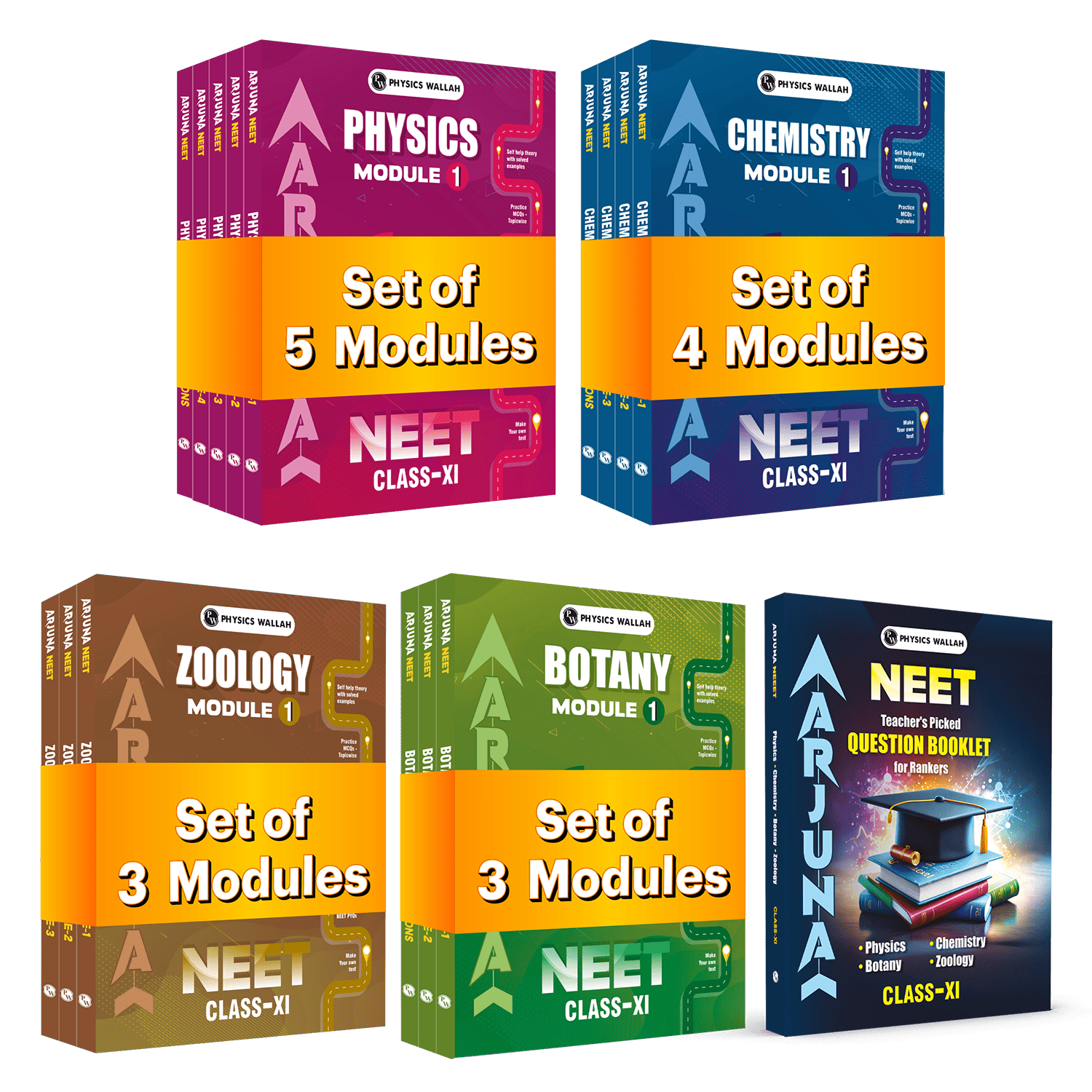
To truly excel in your competitive journey, your notes must be more than a transcription; they should be a strategic asset. While studying from resources like the Arjuna NEET Class 11 PCM 2026, focus on active learning rather than simply copying information. Use techniques such as SQ3R (Survey, Question, Read, Recite, Review) to improve understanding and retention. This approach helps you convert complex concepts into easy-to-recall revision notes.
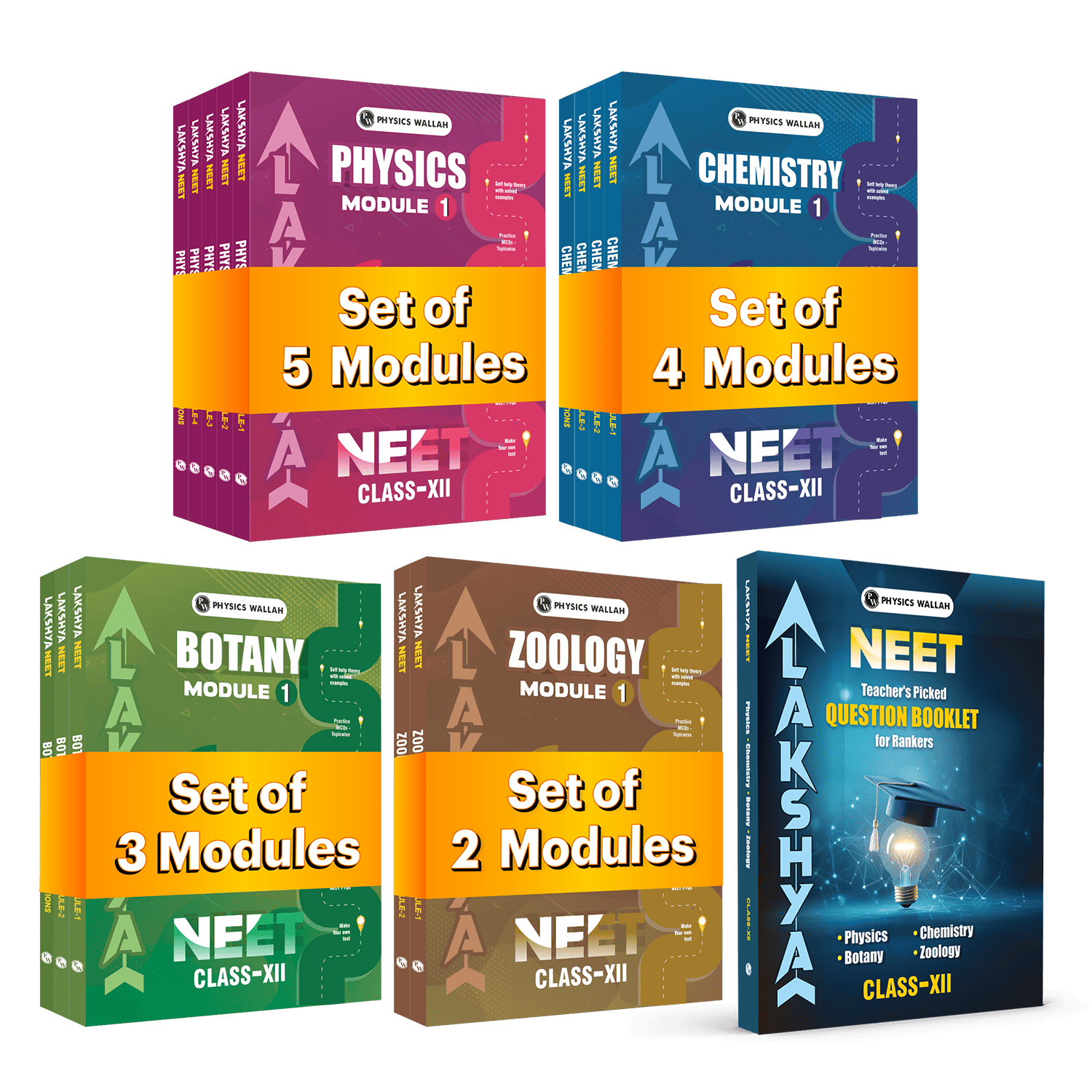
When you recite and review, summarize concepts in your own words instead of using textbook language. If you are preparing from the Lakshya NEET Class 12 Modules Combo 2026, try creating "Problem-Solution" notes for difficult derivations, reactions, and concepts. Writing the logic behind each answer improves analytical thinking and long-term memory.
The Dual-Note System: Long Story vs. Pocket Notes
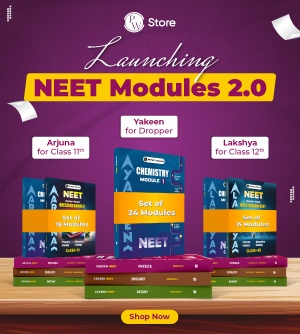
A common habit among toppers is maintaining two types of notes. First, create detailed "Long Story Notes" while studying from comprehensive resources such as the Yakeen NEET Droppers Modules Combo 2026. Leave extra space to add shortcuts, mistakes, and new learnings from practice questions.
Later, condense these into "Pocket Notes" containing formulas, mind maps, flowcharts, and high-yield facts. These compact notes are extremely useful for quick revision before tests and help you revise entire chapters in a short time.
Read More: How to Master Mechanics with the PW Physics Module
FAQs: Study Strategy with PW Modules
1. Should I make notes from the pw modules or the NCERT?
The pw modules are NCERT-centric already but offer better exam-specific organization. It is most helpful to leverage your module as your foundation and include any NCERT extra points right into your module notes to keep it in one spot.
2. How do I use the pw modules pdf for note-making?
If you are using a pw modules pdf, you can take screenshots of complex diagrams or "Knowledge Hub" tables and paste them into digital note-taking apps. However, for active recall, writing out formulas by hand is often more effective.
3. What are the best pw modules for neet 2026?
"The specific modules for 2026 (such as Yakeen or Arjuna packs) are perfect as they contain the latest resolved papers for both 2024 and 2025 and are also aligned to accommodate the new patterns by NTA."
4. How many books are included in the pw modules for jee?
The typical JEE combo pack usually has 15 to 18 volumes. Along with the individual volumes forPhysics, Chemistry, andMathematics, the pack encapsulates all Class 11 and Class 12 concepts in each subject.
5. What is the benefit of the 'Knowledge Hub' in my notes?
The Knowledge Hub is where shortcuts and high priority points are located. Adding these to your notes will make sure that you have a “quick-review” copy to enable you to solve examination questions quickly during the actual examination.