Human Health and Disease NEET Questions with Solutions
Human health and disease neet questions are simple biology problems that teach you how our body fights germs and stays strong. These questions help you understand different types of sickness like malaria, cancer, and AIDS, and how our body acts as a shield to keep us safe. In the exam, solving human health and disease neet questions is a great way to score because they are mostly about learning clear facts from your NCERT book. When you study this chapter, you are not just preparing for a test; you are learning the secrets of how the human body survives in a world full of tiny invisible monsters.
Check Out: PW NEET Books
Human Health and Disease NEET Questions with Solutions
Q 1. Malignant tertiary malaria is caused by Plasmodium:
- Vivax
- ovale
- malariae
- falciparum
Answer- d, Falciparum
Explanation: Malignant tertian malaria, also known as severe or complicated malaria, is primarily caused by the Plasmodium falciparum parasite. Plasmodium falciparum is the most dangerous and responsible for the majority of severe malaria cases in humans, even though all four Plasmodium species can cause malaria in humans.
Q 2. The pathogens responsible for causing elephantiasis are transmitted to a healthy person through
- Droplet
- Female mosquito vector
- Contaminated food and water
- Sexual contact
Answer- b, Female mosquito vector
Explanation: An infected female mosquito bite transmits elephantiasis, which is caused by a parasitic worm called Wuchereria bancrofti.It mainly affects the lymphatic system and can cause serious swelling in the arms, legs, and genitals if left untreated.
Q 3. Interferons are secreted by:
- Liver
- Spleen
- Virus-infected cells
- Lymphocytes
Answer- c, Virus-infected cells
Explanation: Interferons are proteins that are primarily secreted by virus-infected cells in response to viral infection. A virus-infected cell releases interferons to signal neighboring cells and the immune system that the virus is present. Interferons play a crucial role in coordinating the body's immune response to combat viral infections.
While interferons are mainly produced by virus-infected cells, they can also be produced by other cell types, such as lymphocytes, including natural killer (NK) cells, B cells, and T cells, in response to viral infection or immune stimulation. Nevertheless, interferons are not secreted by all cells in the body. The liver and spleen, as organs, do not produce interferons themselves, but their antiviral effects may affect them.
Q 4. A recipient's body rejects grafts due to the following type of immunity:
- Innate immunity
- Humoral immunity
- Cell-mediated immunity
- Either b or c
Answer- c, cell-mediated immunity
Explanation: The type of immunity responsible for graft rejection by a recipient body is primarily cell-mediated immunity. The immune system of a recipient recognizes transplanted cells as foreign and initiates an immune response to eliminate them. This immune response involves the activation of T cells, specifically cytotoxic T lymphocytes (CTLs), which directly attack and destroy the transplanted cells.
Cell-mediated immunity, which is a component of adaptive immunity, plays a significant role in graft rejection. CTLs recognize and target the foreign antigens present in the transplanted cells, leading to their destruction. This process involves the activation of T cells, antigen presentation by major histocompatibility complex (MHC) molecules and the release of cytotoxic molecules by the activated T cells.
Q 5. Which blood cells reproduce HIV and produce progeny viruses?
- Eosinophils
- THcells
- B-lymphocytes
- Basophils
Answer- b, THcells
Explanation: HIV replicates and produces progeny viruses in CD4+ T Cells, also known as T- helper cells. These cells play a crucial role in the body's immune system and are essential for fighting off infections. Without them, the body’s immune system would become weakened and unable to fight off infections.
Q 6. Which of the following is used in the production of the recombinant Hepatitis B vaccine?
- Yeast
- Microsporum
- Ecoli
- Streptococcus
Answer- a, Yeast
Explanation: The production of the recombinant Hepatitis B vaccine involves the use of yeast. Specifically, the yeast species Saccharomyces cerevisiae is commonly used as a host organism for the production of recombinant Hepatitis B surface antigen (HBsAg), which is a key component of the Hepatitis B vaccine.
Q 7. Select the incorrect statement regarding acquired immunity.
- Acquired immunity is a nonspecific type of defense present at birth.
- A primary response occurs when our body first encounters a pathogen.
- Subsequent encounters with the same pathogen provoke anamnestic reactions.
- Anamnestic reactions are based on memories of the first encounter.
Answer- a, Acquired immunity is a nonspecific type of defense present at birth.
Explanation: The incorrect statement is that acquired immunity is a non-specific type of defense present at the time of birth. Acquired immunity is not present at birth, rather it is developed over time as the body's immune system encounters pathogens and creates memory cells that can recognize them on subsequent encounters.
Q 8. What are the protein coat and genetic material present in HIV?
- ss RNA
- ds RNA
- ss DNA
- ds DNA
Answer- a, ss RNA
Explanation: The protein coat and genetic material present in HIV is ssRNA.RNA, or single-stranded RNA, is one of the components that make up HIV, which is a retrovirus, meaning its genetic material consists of ribonucleic acid (RNA) rather than deoxyribonucleic acid (DNA).
Q 9. Why is Cyclosporine used?
- For allergy
- As immunosuppressant
- Prophylactic for virus
- None of the above
Answer- b, Immunosuppressant
Explanation: Cyclosporine is used as an immunosuppressant to help reduce the body's rejection of transplanted organs and tissues. Rheumatoid arthritis, Crohn's disease, and lupus can also be treated with it.
Q 10. Foreign cells are lysed by?
- IgM
- IgA
- IgE
- IgM & IgG
Answer- d, IgM and IgG
Explanation: IgM and IgG will lyse foreign cells. IgM is the first type of immunoglobulin antibody produced in response to an antigen, while IgG is the more functional and long-lived antibody, which helps provide lasting immunity against pathogens. IgA and IgE are not capable of lysing foreign cells.
Q 11. Colostrum secreted from the mammary gland contains which type of antibodies?
- lgMm
- IgD
- IgE
- IgA
Answer- d, IgA
Explanation: Colostrum secreted from the mammary gland contains IgA antibodies. IgA is the most abundant antibody type in the body, and it helps protect the body against infections and disease. Colostrum is essential for newborns as it provides them with antibodies to help protect their bodies from illnesses.
Q 12. What is the function of antigen?
- lowers body temperature
- kills harmful bacteria
- triggers the immune system
- As an antidote to poison, it is used
Answer- c, triggers the immune system
Explanation: The function of antigen is to trigger the immune system. Antigens are molecules that can be recognized by the immune system and cause an immune response, which can be either an antibody-mediated response or a cell-mediated response.
Q 13. In a primary immune response to an antigen, which of the following is a pentameric immunoglobulin?
- IgG
- IgM
- IgA
- Ige
Answer- b, IgM
Explanation: IgM is the pentameric immunoglobulin in a primary immune response to an antigen. It is made up of five identical monomeric units, and its primary function is to bind antigens and activate the complement system, which is important in the initiation of the primary immune response.
Q 14. If you suspect a major deficiency of antibodies in a person, to which of the following would you look for confirmatory evidence?
- Serum globulins
- Fibrinogen in plasma
- Serum albumin
- Haemocytes
Answer- a, Serum globulins
Explanation: Hemocytes are not associated with the diagnosis of antibody deficiency. If you suspect a person has a major deficiency of antibodies, check their serum globulins, fibrinogen levels, and serum albumin levels.
Q 15. What is the largest percentage of immunoglobulins in human milk?
- IgM
- IgA
- Igd
- IgE
Answer- a, IgM
Explanation: IgA constitutes the largest percentage in human milk. IgA is an antibody found in secretions such as saliva, tears, and breast milk. It helps protect the body against infection and diseases.
Check Out: NEET Previous Year Papers
Why Study Health and Disease?
This chapter is one of the most fun parts of your study because it is about you and your own body! When you look at human health and disease neet questions, you are learning how shots (vaccines) work and why we fall sick after eating dirty food. These questions check if you know about the tiny "soldiers" in your blood that fight off tiny monsters called germs. It is like a real-life action movie happening inside your veins every single day.
Many students look for a human health and disease neet questions pdf so they can practice these topics on a phone or a piece of paper. Since this is a very important chapter that carries many marks, looking at human health and disease neet questions pyq (old test questions) is very helpful. If you can answer questions about how a mosquito bite causes a high fever, or how your body remembers a germ it fought last year, you are doing a great job. Using a human health and disease neet questions pdf allows you to study even when you don't have an internet connection, making it easier to stay on track.
-
Natural Shield (Innate): The protection you have from the day you are born. It includes your skin and stomach acid.
-
Learned Shield (Acquired): The way your body learns to fight a specific germ after meeting it once. It uses memory to stay ready.
-
Health Rooms (Lymphoid Organs): Parts of your body like the "Spleen" and Bone Marrow where your soldier cells grow and train.
-
Germs (Pathogens): The bad guys like bacteria, viruses, and fungi that try to make you ill.
Tips For Success In Exams
To score high marks, you should focus on the diagrams in your NCERT book, especially the antibody structure and the life cycle of Plasmodium. When solving human health and disease neet questions, always remember that typhoid is identified by the Widal test and pneumonia affects the lung sacs. A great tip is to make a table of diseases and their "vectors" or carriers to avoid confusion during the exam. Use human health and disease neet questions pyq to practice the names of drugs and their plant sources. Following a daily human health and disease neet questions mock test will improve your speed and accuracy.
Another secret to doing well is explaining life cycles to a friend. If you can explain how the malaria germ moves from the mosquito's spit to the human liver, you will never forget it. Solving human health and disease neet questions with answers helps you see the logic behind the choice. If you get a question wrong in your human health and disease neet questions mock test, don't be sad. Just look at the solution and try again. This is how the best students get ready for the big day.
Check Out: NEET Question Banks
Common Sickness and How They Spread
To solve human health and disease neet questions, you must know which germ causes which trouble. For example, a bacteria called Salmonella causes Typhoid, and doctors use a "Widal test" to find it in the blood. Pneumonia is a different sickness that makes it hard to breathe because it fills the lung sacs with fluid. It is like a matching game where you connect the germ name to the sickness name. If you can master this matching game, you will find many human health and disease neet questions with answers very easy to pick.
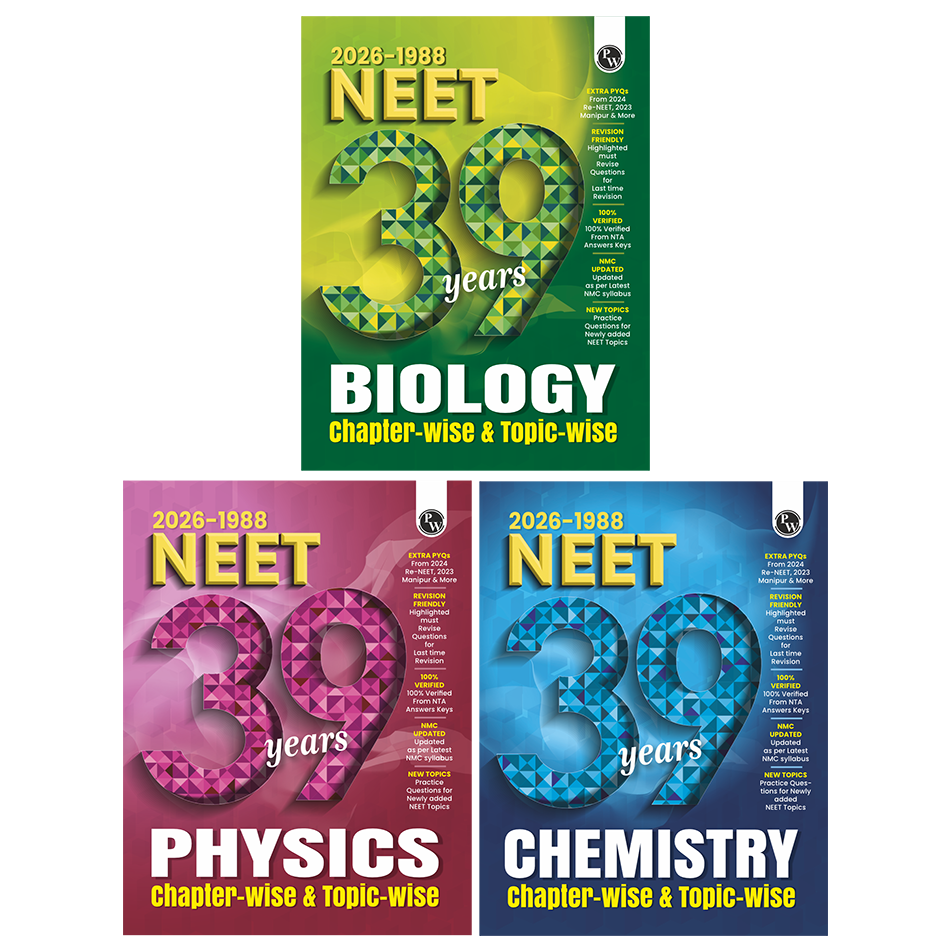
You can take a human health and disease neet questions mock test to see how well you remember these names under pressure. Many human health and disease neet questions with answers will ask you about the "carrier" or the insect that moves the germ. Remember, a certain female mosquito carries Malaria, but a different one carries the germ that makes legs swell up like an elephant's. Knowing these tiny details helps you solve the human health and disease neet questions pyq very fast! It is all about paying attention to the small things. To practice more such questions, students can use the 39 Years NEET PYQ Combo Book, which contains extensive previous year NEET questions for effective revision and exam preparation.
Final Review and Practice tips
As you get closer to your exam, the right thing you can do is keep a human health and disease neet questions pdf on your desk. Look at it for 10 minutes every day. This chapter is very "memory-based," so the more you see the words, the better you will remember them. Don't try to learn everything in one day. Instead, take a human health and disease neet questions mock test every weekend.
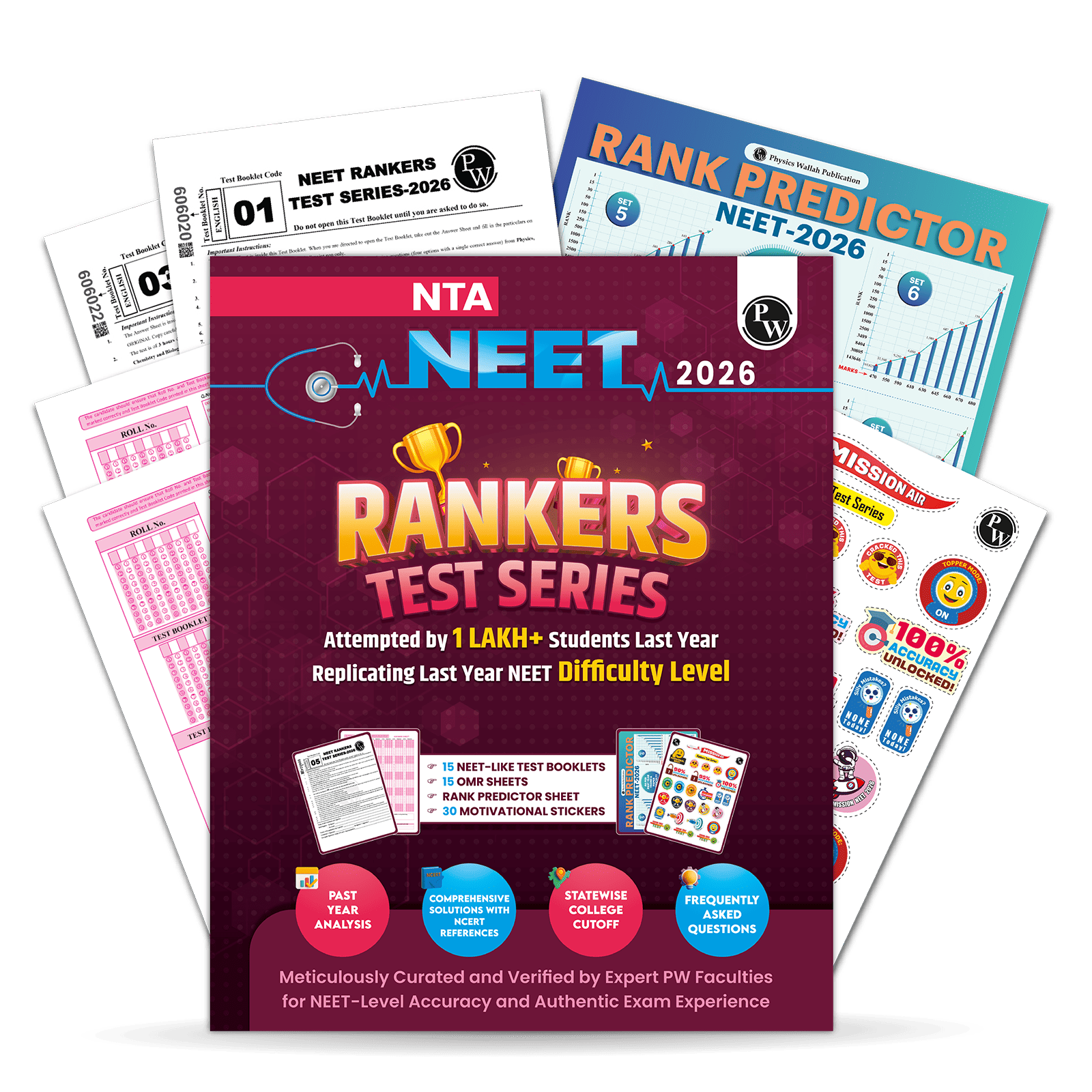
Remember that human health and disease neet questions pyq are like a cheat sheet. They tell you exactly what the examiners think is interesting. Whether it is the life cycle of the mosquito or the structure of the antibody, these topics come back again and again. Use human health and disease neet questions with answers to build a story in your head. Once the story is clear, the questions become easy. Good luck with your study, and remember that a healthy body and a happy mind are your right resources for the NEET exam! For realistic exam practice, students can also use the NEET Dream 720 Mock Test 2026, which helps improve accuracy, confidence, and time management before the actual NEET exam.
Read More: NEET 2025 Toughest Chapters in Physics, Biology and Chemistry
Human Health and Disease NEET Questions FAQs
1. Where can I find a human health and disease neet questions pdf?
You can find a human health and disease neet questions pdf on many websites that have old science tests and study notes.
2. What is the best way to learn the Malaria story?
The best way is to draw the mosquito and the human blood cells on a big piece of paper. This helps you answer human health and disease neet questions with answers easily.
3. Why should I take a human health and disease neet questions mock test?
A human health and disease neet questions mock test helps you practice answering fast so you don't run out of time during the real exam. It builds your "exam muscle."
4. Are old questions helpful for the test?
Yes, human health and disease neet questions are very helpful because they show you what the teachers think is most important.
5. What is the most common question in this chapter?
Questions about the "Y-shaped" antibodies, the Widal test for Typhoid, and how vaccines