NEET Biology Syllabus 2027: Detailed Chapter-Wise Syllabus
NEET Biology Syllabus 2027
NEET Biology Syllabus 2027 mainly covers all important chapters from the Class 11 and Class 12 NCERT books. Understanding the syllabus is important because it tells exactly what to study for the exam. As of now, the official Biology NEET syllabus for 2027 has not been released, but it is expected to stay the same as last year. Knowing the NEET biology all chapters list helps aspirants make a proper study plan and avoid topics that are not needed.
NEET exam is a national-level test for admission into medical courses. In this exam, Biology has the highest weightage, with a total of 90 questions. This is why having a deep understanding of the NEET Biology Syllabus 2027 from the start makes it easy to revise, focus on scoring chapters, and build confidence for the upcoming NEET UG 2027.
Furthermore, the Biology NEET syllabus includes both botany and zoology topics. The botany syllabus for NEET covers plant-related chapters, while the NEET zoology syllabus explains animal-related chapters. The NEET Biology all chapters list covers both botany and zoology chapters. Keep reading to know the detailed chapter-wise NEET Biology Syllabus 2027.
Check out: PW NEET Books
Biology NEET Syllabus 2027: Class-Wise Important Topics
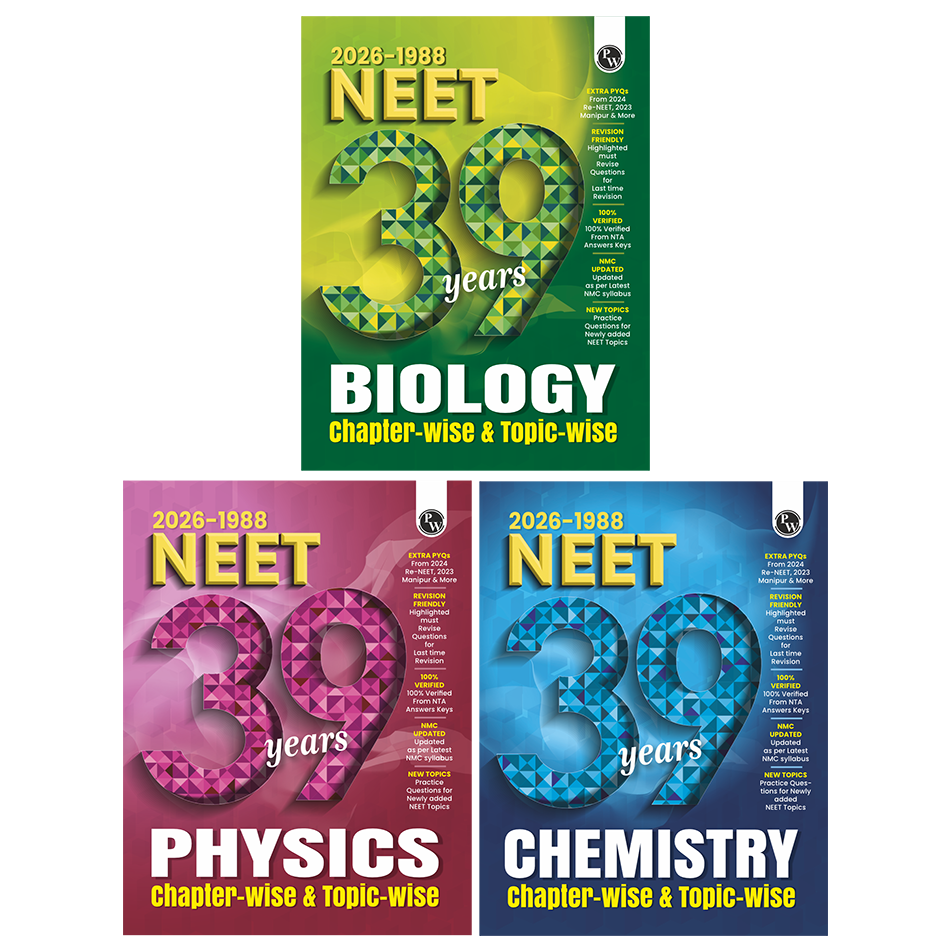
Biology NEET syllabus for 2027 is based on the Class 11 and Class 12 NCERT chapters. These chapters are grouped into important units like Diversity in the Living World, Structural Organisation in Animals and Plants, Cell Structure and Function, Plant Physiology, Human Physiology, Reproduction, Genetics and Evolution, Biology and Human Welfare, Biotechnology, and Ecology. Let us now understand the detailed NEET Biology syllabus for Class 11 and Class 12 one by one. For additional practice and better exam preparation, students can also use the 39 Years NEET PYQ Biology book, which contains chapter-wise previous year questions to help strengthen concepts and improve accuracy.
NEET Biology Syllabus 2027 for Class 11
The Class 11 part of the NEET Biology syllabus builds the base for all major concepts needed in the exam. It covers many easy-to-understand topics that help students learn how living things are grouped, how cells work, how plants function, and how different systems of the human body keep us alive.
NEET Class 11 Biology syllabus for 2027 is divided into five main units. These units include topics like biological classification, cell organelles, plant anatomy, photosynthesis, and all major human body systems, such as the digestive, respiratory, circulatory, and nervous systems. Check the detailed topic-wise Biology NEET syllabus for Class 11 here.
|
NEET Biology Syllabus for Class 11 |
|
|
Unit Name |
Key Topics |
|
Unit 1 – Diversity of Living Organisms |
What is living, biodiversity, need for classification, species and taxonomy, binomial nomenclature. Five-kingdom classification: features of Monera, Protista, Fungi, Lichens, Viruses, Viroids. Plant groups: Algae, Bryophytes, Pteridophytes, Gymnosperms. Animal groups: Non-chordates up to phylum level, and chordates up to class level (main features and examples). |
|
Unit 2 – Structural Organisation in Plants & Animals |
Plant morphology, modifications, tissues, and anatomy of root, stem, leaf, inflorescence (racemose and cymose), flower, fruit, and seed. Study of plant families like Malvaceae, Cruciferae, Leguminosae, Compositae, and Gramineae. Animal tissues: basics of digestive, circulatory, respiratory, nervous, and reproductive systems in a frog (brief study). |
|
Unit 3 – Cell Structure and Function |
Cell theory, prokaryotic and eukaryotic cells, plant and animal cells, cell envelope, membrane, wall, and organelles (ER, Golgi bodies, lysosomes, mitochondria, ribosomes, plastids, vacuoles, microbodies). Cytoskeleton, cilia, flagella, centrioles, nucleus and its parts. Biomolecules: proteins, carbohydrates, lipids, nucleic acids; enzymes and their action. Cell division: cell cycle, mitosis, meiosis, and importance. |
|
Unit 4 – Plant Physiology |
Photosynthesis: site, pigments, light and dark reactions, cyclic & non-cyclic photophosphorylation, chemiosmosis, photorespiration, C3 & C4 pathways, factors affecting photosynthesis. Respiration: gases exchange, glycolysis, fermentation, TCA cycle, ETS, ATP yield, RQ. Plant growth and development: seed germination, growth phases, differentiation, plant hormones (auxin, gibberellin, cytokinin, ethylene, ABA). |
|
Unit 5 – Human Physiology |
Breathing and respiration; human respiratory system; gas exchange and regulation; respiratory volumes; disorders (asthma, emphysema). Circulation: blood, lymph, heart structure, cardiac cycle, ECG, disorders (hypertension, CAD). Excretion: modes, human excretory system, urine formation, kidney regulation, disorders (uremia, renal failure). Locomotion & movement: muscle types, contraction, skeletal system, joints, disorders. Nervous system: neurons, CNS, PNS, nerve impulse. Endocrine system: glands, hormones, mechanisms, and disorders like dwarfism, goiter, and diabetes. |
Check out: NEET Question Banks
NEET Biology Syllabus 2027 for Class 12
The NEET 2027 Biology syllabus for Class 12 is divided into four main units. These units include topics such as sexual reproduction in flowering plants, human reproduction, genetics, the molecular basis of inheritance, evolution, human health and diseases, microorganisms in human welfare, and basic principles and uses of biotechnology. The NEET Biology syllabus for class 12 adds advanced topics to what students learned in Class 11.
These biology topics help students learn how life continues from one generation to the next and how different biological processes affect humans and nature. Check out the complete topic-wise Class 12 Biology NEET syllabus here:
|
NEET Biology Syllabus for Class 12 |
|
|
Unit Name |
Key Topics |
|
Unit 6 – Reproduction |
Flower reproduction: flower parts, male and female gametophytes, pollination types, double fertilisation, seed and fruit formation, apomixis, parthenocarpy, polyembryony. Human reproduction: male and female systems, testis and ovary structure, spermatogenesis, oogenesis, menstrual cycle, fertilisation, embryo development, implantation, pregnancy, parturition, lactation. Reproductive health: STDs, birth control methods, MTP, amniocentesis, infertility, IVF, ZIFT, GIFT (basic idea). |
|
Unit 7 – Genetics & Evolution |
Heredity: Mendel’s laws, incomplete dominance, codominance, blood groups, pleiotropy, polygenic inheritance, chromosome theory, sex determination in humans and other organisms, linkage, crossing over, sex-linked inheritance, Mendelian disorders, and chromosomal disorders (Down’s, Turner’s, Klinefelter’s). Molecular genetics: DNA and RNA structure, replication, transcription, translation, genetic code, gene regulation (Lac operon), human genome project, DNA fingerprinting, protein synthesis. Evolution: origin of life, evidence of evolution, Darwin’s theory, modern theory, variation, natural selection, gene flow, genetic drift, Hardy-Weinberg principle, adaptive radiation, human evolution. |
|
Unit 8 – Biology and Human Welfare |
Health and disease: pathogens and parasites causing diseases like malaria, typhoid, pneumonia, ascariasis, dengue, chikungunya, ringworm, and the common cold. Basics of immunity, vaccines, cancer, HIV/AIDS, adolescent issues, drug and alcohol abuse. Microbes in human welfare: use in food, industries, sewage treatment, energy, biocontrol, and biofertilisers. |
|
Unit 9 – Biotechnology and Its Applications |
Principles of biotechnology: genetic engineering and recombinant DNA technology. Applications: human insulin, vaccines, gene therapy, GM crops, transgenic animals, biosafety issues, biopiracy, and patents. |
|
Unit 10 – Ecology and Environment |
Organisms and their environment, interactions (mutualism, predation, competition, parasitism), population growth, birth and death rates, and age groups. Ecosystem: components, productivity, decomposition, energy flow, and ecological pyramids. Biodiversity: types, importance, loss, conservation methods, hotspots, endangered species, extinction, Red Data Book, national parks, sanctuaries, biosphere reserves, sacred groves. |
Check out: NEET Test Series
Botany Syllabus for NEET 2027
Botany syllabus for NEET 2027 is an important part of the NEET Biology syllabus, as almost half of the biology questions come from plant-related chapters. The botany syllabus for NEET mainly includes topics like The Living World, Biological Classification, Plant Kingdom, Morphology and Anatomy of Flowering Plants, Cell Structure and Function, and Plant Physiology from Class 11. From Class 12, it includes important chapters on Genetics, Biotechnology, Ecology, and other plant-related topics.
The Botany Syllabus for NEET 2027 helps students understand how plants grow, survive, and interact with the environment. Check the important topics from the Botany syllabus for NEET 2027 here.
|
Botany Syllabus for NEET 2027 |
|
|
Chapter Name |
Topics Covered |
|
Cell – The Unit of Life |
Cell theory, overview of cells, prokaryotic cells, eukaryotic cells |
|
Cell Cycle and Cell Division |
Cell cycle, phases of cell cycle, significance of mitosis, meiosis I, meiosis II, full process of meiosis, significance of meiosis |
|
The Living World |
What is living, diversity in the living world, binomial nomenclature, and taxonomic categories |
|
Biological Classification |
Types of classification: Monera, Protista, Fungi, Plantae, Animalia, acellular organisms, symbiotic organisms |
|
Plant Kingdom |
Classification system, taxonomy, algae, bryophytes, pteridophytes, gymnosperms |
|
Morphology of Flowering Plants |
Root, stem, leaf, flower, fruit, seed, semi-technical description of flowering plant, important families |
|
Anatomy of Flowering Plants |
Tissues, simple tissues, complex tissues, tissue system, plant anatomy |
|
Photosynthesis in Higher Plants |
Early experiments, site of photosynthesis, pigments, light reaction, dark reaction, C4 pathway, photorespiration, factors affecting photosynthesis |
|
Respiration in Plants |
Plant respiration, glycolysis, fermentation, aerobic respiration, respiratory balance sheet, amphibolic pathway, respiratory quotient |
|
Plant Growth and Development |
Growth, growth rates, differentiation, dedifferentiation, redifferentiation, development, plant growth regulators |
|
Sexual Reproduction in Flowering Plants |
Flower structure, pre-fertilisation events (pollen grain, female gametophyte, pollination), post-fertilisation events (embryo, seed, fruit), apomixis, polyembryony |
|
Principle of Inheritance and Variation |
Genetics, Mendel’s laws, inheritance of one and two genes, polygenic inheritance, pleiotropy, sex determination, mutation, genetic disorders, chromosomal disorders |
|
Molecular Basis of Inheritance |
DNA, RNA world, search for genetic material, DNA replication, transcription, genetic code, RNA as adapter, translation, gene regulation, human genome project, DNA fingerprinting |
|
Microbes in Human Welfare |
Microbes in household, sewage treatment, biogas production, biocontrol, biofertilisers |
|
Organisms and Population |
Organisms and environment, populations, population growth, life history variation, population interactions |
|
Ecosystem |
Ecosystem structure, function, energy flow, and ecological pyramids |
|
Biodiversity and Conservation |
Biodiversity, patterns, loss of biodiversity, conservation methods, need for conservation |
Check out: NEET Crash Course
NEET Zoology Syllabus 2027
NEET 2027 Zoology syllabus covers all the main topics that help students build a strong base in animal biology. These chapters are important because many NEET biology questions are asked from them. The NEET Zoology Syllabus is expected to stay the same as last year, with key units like Diversity in Living Organisms, Structural Organisation in Animals, Cell Structure and Function, Human Physiology, and Reproduction, among others. Find the detailed NEET Zoology Syllabus 2027 here:
|
NEET Zoology Syllabus 2027 |
|
|
Chapter Name |
Topics Covered |
|
Structural Organisation in Animals (including the Frog) |
Tissues: epithelium, connective, muscular, nervous; Cockroach; Frog anatomy |
|
Biomolecules |
Chemical composition analysis, metabolites, micromolecules, macromolecules, carbohydrates, amino acids, proteins, lipids, nucleic acids, RNA, DNA, enzymes, dynamic state of body constituents |
|
Breathing and Exchange of Gases |
Breathing and respiration, respiratory organs, human respiratory system, mechanism of breathing, respiratory volumes, gas exchange, transport of gases, regulation of respiration, respiratory disorders |
|
Body Fluids and Circulation |
Blood composition, plasma, formed elements, blood groups, coagulation, lymph, circulatory pathways, double circulation, coronary circulation, human heart and vessels, ECG, regulation of cardiac activity, circulatory disorders |
|
Excretory Products & Their Elimination |
Excretion types, human excretory system, nephron, urine formation, concentration of filtrate, micturition, kidney function regulation (kidney, hypothalamus, adrenal, heart), excretory disorders, renal failure treatment |
|
Locomotion and Movement |
Locomotory organs, types of movement, muscles and skeletal muscles, muscle contraction and relaxation, skeletal system, joints, related disorders |
|
Neural Control & Coordination |
Human neural system, neuron, nerve impulse, synapse, neurotransmitters, CNS, brain, spinal cord |
|
Chemical Coordination and Integration |
Endocrine system, hormones, glands (hypothalamus, pituitary, pineal, thyroid, parathyroid, thymus, adrenal, pancreas, gonads), hormones of GI tract, heart, kidney, non-endocrine tissues, feedback, hormone action |
|
Animal Kingdom |
Taxonomy, Kingdom Animalia, phyla: Porifera, Coelenterata, Ctenophora, Platyhelminthes, Nemathelminthes, Annelida, Arthropoda, Mollusca, Echinodermata, Hemichordata, Chordata; subphyla, vertebrate classes: Cyclostomata, Pisces (Chondrichthyes, Osteichthyes), Amphibia, Reptiles, Aves, Mammalia |
|
Human Reproduction |
Male and female reproductive systems, spermatogenesis, oogenesis, semen, sperm structure, ovum, menstrual cycle, fertilisation, implantation, sex determination, pregnancy, embryonic development, parturition, lactation |
|
Reproductive Health |
Reproductive health, population, contraceptive methods, MTP, STDs, infertility, assisted reproductive technologies (ARTs) |
|
Evolution |
Origin of life, evolutionary theories, evidence, adaptive radiation, natural and artificial selection, Hardy-Weinberg principle, speciation, human evolution |
|
Human Health and Diseases |
Common diseases, protozoan diseases, immunity (innate and acquired), lymphoid organs, immunisation, vaccination, transplantation, autoimmunity, AIDS, cancer, drug and alcohol abuse, adolescence, addiction |
|
Biotechnology: Principles & Processes |
Principles of biotechnology, genetic engineering, recombinant DNA technology, tools, DNA isolation and amplification, insertion into host, GMO production, biotech applications in agriculture and medicine, transgenic animals, and ethical issues |
NEET Biology All Chapters List
NEET Biology all chapters list includes every important chapter from both botany and zoology that students need to study for the NEET 2027 exam. This list helps students see the complete syllabus in one place, making it easier to plan the exam preparation and ensure no topic is left out. The NEET Biology all chapters list covers chapters from Class 11 and Class 12 NCERT books.
|
NEET Biology All Chapters List |
||
|
S. No |
Chapter Name |
Section |
|
1 |
Cell - The Unit of Life |
Botany |
|
2 |
Cell Cycle and Cell Division |
Botany |
|
3 |
The Living World |
Botany |
|
4 |
Biological Classification |
Botany |
|
5 |
Plant Kingdom |
Botany |
|
6 |
Morphology of Flowering Plants |
Botany |
|
7 |
Anatomy of Flowering Plants |
Botany |
|
8 |
Photosynthesis in Higher Plants |
Botany |
|
9 |
Respiration in Plants |
Botany |
|
10 |
Plant Growth and Development |
Botany |
|
11 |
Sexual Reproduction in Flowering Plants |
Botany |
|
12 |
Principle of Inheritance and Variation |
Botany |
|
13 |
Molecular Basis of Inheritance |
Botany |
|
14 |
Microbes in Human Welfare |
Botany |
|
15 |
Organisms and Population |
Botany |
|
16 |
Ecosystem |
Botany |
|
17 |
Biodiversity and Conservation |
Botany |
|
18 |
Structural Organisation in Animals (including the Frog) |
Zoology |
|
19 |
Biomolecules |
Zoology |
|
20 |
Breathing and Exchange of Gases |
Zoology |
|
21 |
Body Fluids and Circulation |
Zoology |
|
22 |
Excretory Products & their Elimination |
Zoology |
|
23 |
Locomotion & Movement |
Zoology |
|
24 |
Neural Control & Coordination |
Zoology |
|
25 |
Chemical Coordination & Integration |
Zoology |
|
26 |
Animal Kingdom |
Zoology |
|
27 |
Human Reproduction |
Zoology |
|
28 |
Reproductive Health |
Zoology |
|
29 |
Evolution |
Zoology |
|
30 |
Human Health and Diseases |
Zoology |
|
31 |
Biotechnology: Principles and Processes |
Zoology |
NEET Biology Syllabus 2027: Chapter-Wise Weightage
Knowing the NEET biology syllabus 2027 weightage is very important for smart preparation. It helps students understand which chapters are asked more often and carry higher marks in the exam. By checking the NEET Biology Chapter Wise Weightage , they can focus on important topics first, manage their study time better, and avoid spending too much time on less important areas. Here is the chapter-wise weightage of the NEET biology syllabus 2027:
|
NEET Biology Syllabus 2027: Chapter-Wise Weightage |
||
|
Chapters/Topics |
No. of Questions (Based on 5-Year Analysis) |
Weightage (%) |
|
Chapter-Wise Weightage of NEET Zoology Syllabus |
||
|
Structural Organisation in Animals (Animal Tissues) |
4 |
8% |
|
Locomotion and Movement |
3 |
6% |
|
Body Fluids and Circulation |
2 |
5% |
|
Evolution |
3 |
6% |
|
Biomolecules |
5 |
10% |
|
Human Reproduction |
3 |
6% |
|
Breathing and Exchange of Gases |
2 |
4% |
|
Excretory Products and Their Elimination |
2 |
5% |
|
Reproductive Health |
4 |
8% |
|
Biotechnology – Principles and Processes |
6 |
12% |
|
Human Health and Disease |
3 |
6% |
|
Biotechnology and its Applications |
4 |
7% |
|
Animal Kingdom |
7 |
13% |
|
Neural Control and Coordination |
1 |
2% |
|
Chemical Coordination and Integration |
2 |
4% |
|
Chapter-Wise Weightage of NEET Botany Syllabus |
||
|
Biodiversity and Conservation |
2 |
4% |
|
Anatomy of Flowering Plants |
3 |
7% |
|
Cell: The Unit of Life |
2 |
5% |
|
Respiration in Plants |
2 |
4% |
|
Microbes in Human Welfare |
2 |
4% |
|
Cell Cycle and Cell Division |
4 |
9% |
|
Molecular Basis of Inheritance |
6 |
14% |
|
Principles of Inheritance and Variation |
5 |
10% |
|
Sexual Reproduction in Flowering Plants |
3 |
6% |
|
Ecosystem |
2 |
4% |
|
Morphology of Flowering Plants |
3 |
6% |
|
Plant Growth and Development |
3 |
6% |
|
The Living World |
0 |
1% |
|
Plant Kingdom |
3 |
7% |
|
Biological Classification |
1 |
3% |
|
Organisms and Populations |
2 |
4% |
|
Photosynthesis in Higher Plants |
2 |
4% |
How to Prepare NEET Biology Syllabus 2027 to Score Well
Aspirants preparing for the upcoming National Eligibility cum Entrance Test 2027, the NEET Biology syllabus can serve as a roadmap to guide your preparation. Since biology carries the highest weightage in the exam, focusing on important chapters and revising properly is very important to score well. Here are some tips on how to prepare the NEET Biology Syllabus 2027 to score well:
-
Read Every Chapter from the NCERT Biology Books: Read Class 11 and 12 NCERT biology books chapter by chapter, covering diagrams, in-text questions, and summaries.
-
Focus on High-Weightage Biology Chapters: Understand the chapter-wise weightage of the NEET biology syllabus first. Then give extra attention to chapters like Human Physiology, Reproduction, Genetics, Evolution, Plant Physiology, and Ecology, among others.
-
Solve NEET Previous Year Papers: Solving biology questions from the NEET Previous Year Papers helps understand question patterns and difficulty level.
-
Make Notes: While reading botany and zoology chapters, prepare short handwritten notes of important definitions, key terms, and main points to revise them later.
-
Give Dedicated Time to Revision: Set aside some time daily or weekly to revise all important biology chapters. Daily revision helps you remember important concepts, diagrams, and definitions, making it easier to answer questions quickly and accurately in the exam.
-
Solve Different Types of Questions: Attempt NEET Sample Papers to get different types of questions for practice. Answering various types of questions improves your speed and time management for the final exam.
-
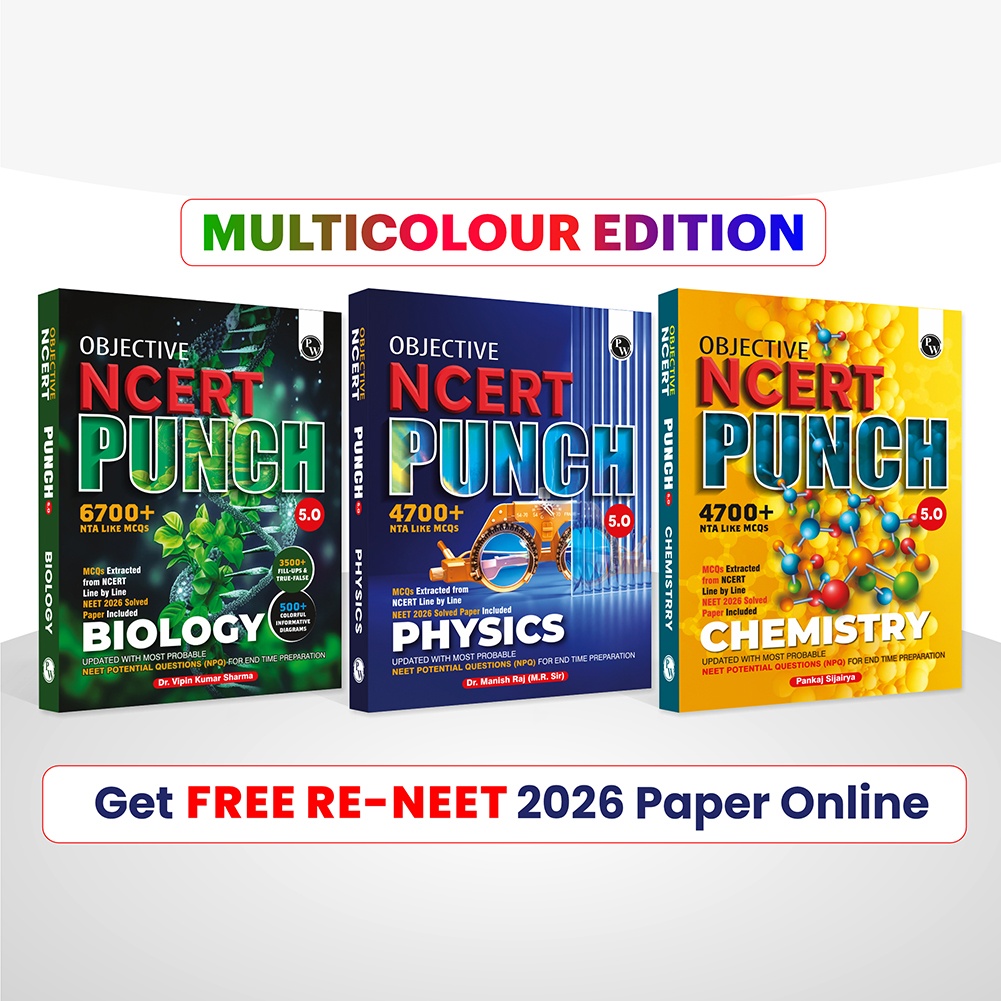
Follow the 80/20 Rule for NEET: Focus on the 20% of chapters and topics that give 80% of the questions in the exam. Prioritise high-weightage chapters to maximise your score from the NEET Biology syllabus 2027. To strengthen your preparation and practice NCERT-based questions, you can also use the NEET Objective NCERT Punch Biology book, which provides topic-wise practice and helps reinforce important Biology concepts frequently asked in NEET.
-
Use Good Study Material: Follow reliable NEET study material like PW NEET Books for Classes 11 and 12. These books explain concepts clearly, include important diagrams, and have practice questions that match the NEET Biology syllabus 2027, making your preparation easier and more effective.
Read More: NEET Previous Year Question Papers with Solutions PDF
NEET Biology Syllabus 2027 FAQs
Q1. What is the syllabus of Biology in NEET?
Ans. The NEET Biology syllabus includes chapters from Class 11 and 12 NCERT textbooks. It covers both Botany and zoology, including topics like cell structure, Plant Physiology, Human Physiology, Reproduction, Genetics, Evolution, Ecology, and biotechnology, among others.
Q2. How to get 720/720 in NEET 2027?
Ans. To aim for 720/720 marks, follow the updated NEET Biology syllabus carefully, study NCERT books thoroughly, solve NEET previous year papers and sample papers, revise regularly, and focus on high-weightage chapters.
Q3. How many chapters are in the biology NEET syllabus?
Ans. The NEET Biology syllabus 2027 includes around 31 chapters: 17 from Botany and 14 from Zoology.
Q4. Can I score 720 in NEET in 1 month?
Ans. Scoring full marks in 1 month can be very challenging. But you can try by covering the key chapters from the NEET Biology syllabus, solving past years' biology questions and practicing answer writing by attempting different types of questions from sample papers.
Q5. Is the NEET Biology syllabus 100% from NCERT?
Ans. Yes, the NEET Biology syllabus mostly follows Class 11 and 12 NCERT textbooks. Questions in NEET are based on NCERT concepts, diagrams, and examples.