Which Chapters in NEET Physics have the most application-level MCQs
Many medical aspirants struggle with sections where direct formulas fail, and deep analytical thinking is essential. Chapters covering mechanics, electrodynamics, and modern physics typically present highly complex scenarios that test formula applications rather than simple recall.
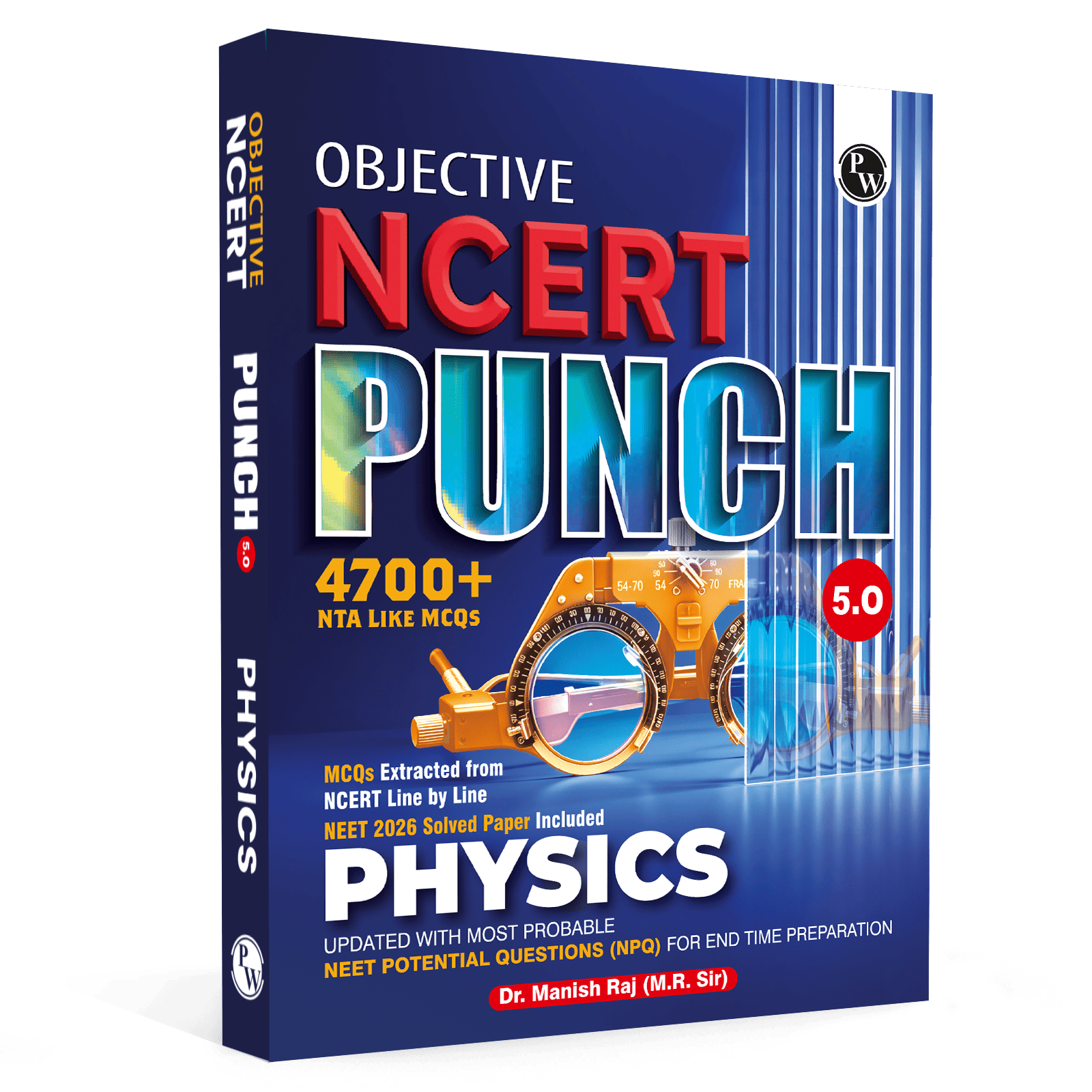
To handle these intensive evaluation items, candidates require a structured preparation tool. The objective NCERT punch physics resource provides targeted, curriculum-aligned questions designed to transform textbook knowledge into strong problem-solving skills.
This article breaks down the chapters with the highest application-level question density and outlines how dedicated practice material improves national exam readiness.
What Is Objective NCERT Punch Physics?
The preparation landscape requires resources that mirror formal board guidelines while elevating question difficulty to competitive levels.
The objective NCERT punch physics textbook serves as a comprehensive practice companion tailored specifically for national UG medical aspirants. It systematically deconstructs syllabus chapters line-by-line, translating raw theory into practical application exercises.
This resource offers a structured approach to master conceptual application. Rather than offering generic practice questions, it aligns directly with official curriculum standards while introducing challenging variations. This ensures candidates study content that accurately reflects modern competitive trends.
Features of Objective NCERT Punch Physics
Aspirants require structured tools that combine conceptual summaries with high-yield practice resources. NEET book includes specific structural segments designed to optimise student revision cycles:
-
NCERT-Picks: Every chapter begins with simplified concept summaries, colourful diagrams, flowcharts, and visual learning aids to support effective self-study.
-
Dedicated Performance Sections: These highlighted zones pinpoint high-yield topics, essential formulas, and core concepts to boost final assessment scores.
-
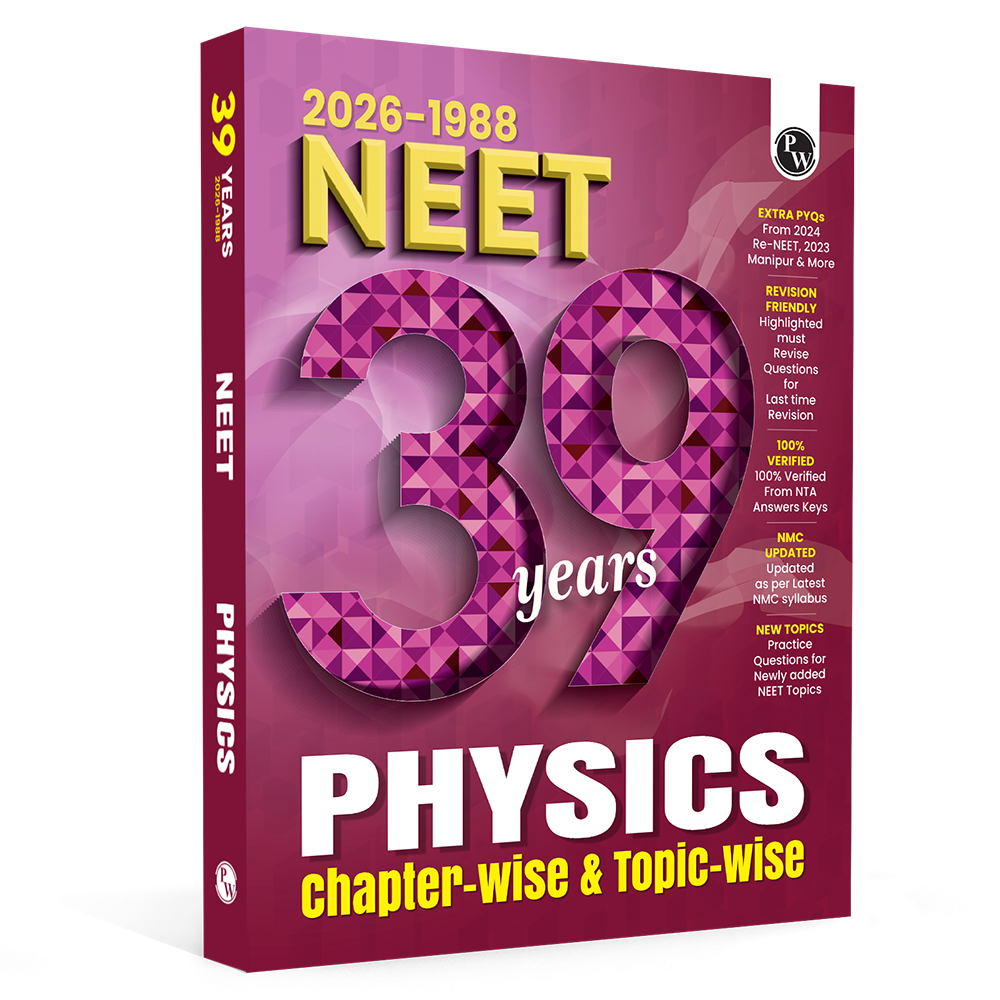
National Exam Historical Analysis: This segment provides a year-wise and topic-wise breakdown of previous questions, helping students understand weightage patterns and high-frequency areas.
-
Rationalised Content Indicators: The text clearly marks rationalised curriculum updates, keeping student preparation fully aligned with the newest official syllabus modifications.
-
Integrated Question Banks: This section combines past medical exam questions and past AIIMS items alongside recent authentic papers for balanced, comprehensive practice.
How Objective NCERT Punch Physics Covers MCQs
Cracking challenging competitive items demands exposure to varied layouts. This structured NEET Question bank book processes text concepts into diverse evaluation formats to ensure students develop comprehensive analytical skills.
-
NCERT Line-by-Line Fill-Up and True & False: These initial warm-up questions promote thorough comprehension, solidifying basic definitions and foundational concepts.
-
NCERT Topic-wise MCQs: These items are fully aligned with the latest national medical syllabi, providing structured practice directly tied to specific curriculum sections.
-
High-Order Time-Intensive MCQs: These advanced problems provide detailed explanations to build analytical speed and strengthen logical problem-solving abilities.
-
1500+ Question Typology: This diverse collection includes Matching Type, Correct & Incorrect identification, Statement-based items, and Assertion & Reason problems to build complete conceptual clarity.
-
NCERT Exemplar MCQs: This section features curated problems from official exemplar volumes accompanied by clear, detailed solutions to enhance exam readiness.
How Objective NCERT Punch Physics Strengthens Preparation
True medical exam readiness comes from solving problems that challenge your understanding of foundational principles. By practicing with NCERT punch PW physics, students learn to identify subtle traps in complex question stems. The inclusion of authentic historical papers allows learners to track evolving difficulty levels over time.
Practicing multi-step problems trains the mind to process complex data efficiently under strict exam conditions. This systematic approach bridges the gap between understanding basic definitions and solving integrated numerical problems during high-stakes tests.
How to Use Objective NCERT Punch Physics
To extract maximum value from your resources, practice must follow a logical progression. Students should avoid jumping directly into advanced numerical problems without completing foundational steps first.
-
Review the Visual Summaries: Begin by studying the chapter-opening summaries and structural diagrams to refresh your memory of essential laws and variables.
-
Complete the Text Drills: Solve the text-based fill-in-the-blanks and true-or-false statements to confirm you understand the core factual theory.
-
Work Through Topic-Wise Questions: Approach the standard multiple-choice items sequentially to ensure you can solve basic, single-concept numerical problems confidently.
-
Tackle High-Order Problems: Dedicate focused, uninterrupted study blocks to work through time-intensive items, developing your multi-step analytical reasoning skills.
-
Examine Historical Exam Questions: Finish your study cycle by solving authentic past papers to evaluate your real-world speed and conceptual accuracy.
Study Strategy Plan with Objective NCERT Punch Physics
Balancing diverse syllabus demands requires a structured, time-bound preparation plan. The table below presents an optimal weekly study structure to integrate PW NCERT punch exercises into your routine:
|
Phase |
Focus Area |
Action Plan |
Expected Outcome |
|
Day 1–2 |
Conceptual Foundation |
Read chapter summaries; complete true/false text drills using NCERT punch PW. |
Solidifies basic factual retention and definitions. |
|
Day 3 |
Core Application |
Solve topic-wise multiple-choice items and official exemplar problems. |
Develops foundational calculation and processing speed. |
|
Day 4–5 |
Advanced Analysis |
Work through assertion-reason, statement-based, and high-order intensive items. |
Builds strong logical deduction and deep analytical skills. |
|
Day 6 |
Exam Alignment |
Complete past medical entrance questions and past AIIMS questions. |
Familiarises students with authentic exam layouts and phrasing. |
|
Day 7 |
Evaluation & Review |
Analyze mistakes using detailed explanations; compile a personal formula log. |
Corrects conceptual misunderstandings and prevents recurring errors. |
Tips While Using Objective NCERT Punch Physics
To maximize your study efficiency and improve your problem-solving metrics, keep these practical tips in mind during your practice sessions:
-
Maintain an Error Log: Document every incorrect answer alongside its corrected logic to track and eliminate recurring conceptual mistakes.
-
Time Your Advanced Practice: Use a stoPWatch when working through high-order questions to simulate realistic exam pressure and improve your pacing.
-
Analyze Alternative Solutions: Review the provided explanations, even for questions you answered correctly, to discover faster alternative methods.
-
Prioritise Weak Areas: Use the historical trends analysis to focus your energy on highly tested topics where your current accuracy is low.
-
Review Formula Maps Frequently: Return to the quick-reference formula blocks before attempting weekly mock exams to keep core relationships fresh in your mind.
Read More: Zoology Important Topics and Study Tips for NEET Exam 2026
Objective NCERT Punch Physics FAQs
Which chapters generally contain the most complex application-level physics questions?
Mechanics chapters like Laws of Motion and Rotational Motion, alongside electrodynamics topics, consistently feature highly complex, multi-stage application problems that test deep concept integration.
How does the objective NCERT punch physics book help with multi-statement questions?
The book includes a dedicated 1500+ Question Typology section featuring statement-based, matching, and assertion-reason problems to prepare students for diverse exam formats.
What are the high-order time-intensive MCQs in this book?
These are advanced problems designed to challenge analytical thinking, requiring students to apply multiple physical laws simultaneously to solve complex scenarios.
Does this resource cover recent changes to the syllabus?
Yes, it contains clearly highlighted rationalised content indicators to ensure student practice aligns perfectly with the most recent official curriculum guidelines.