Common Mistakes PCB Students Make During CBSE Class 12 Board Preparation
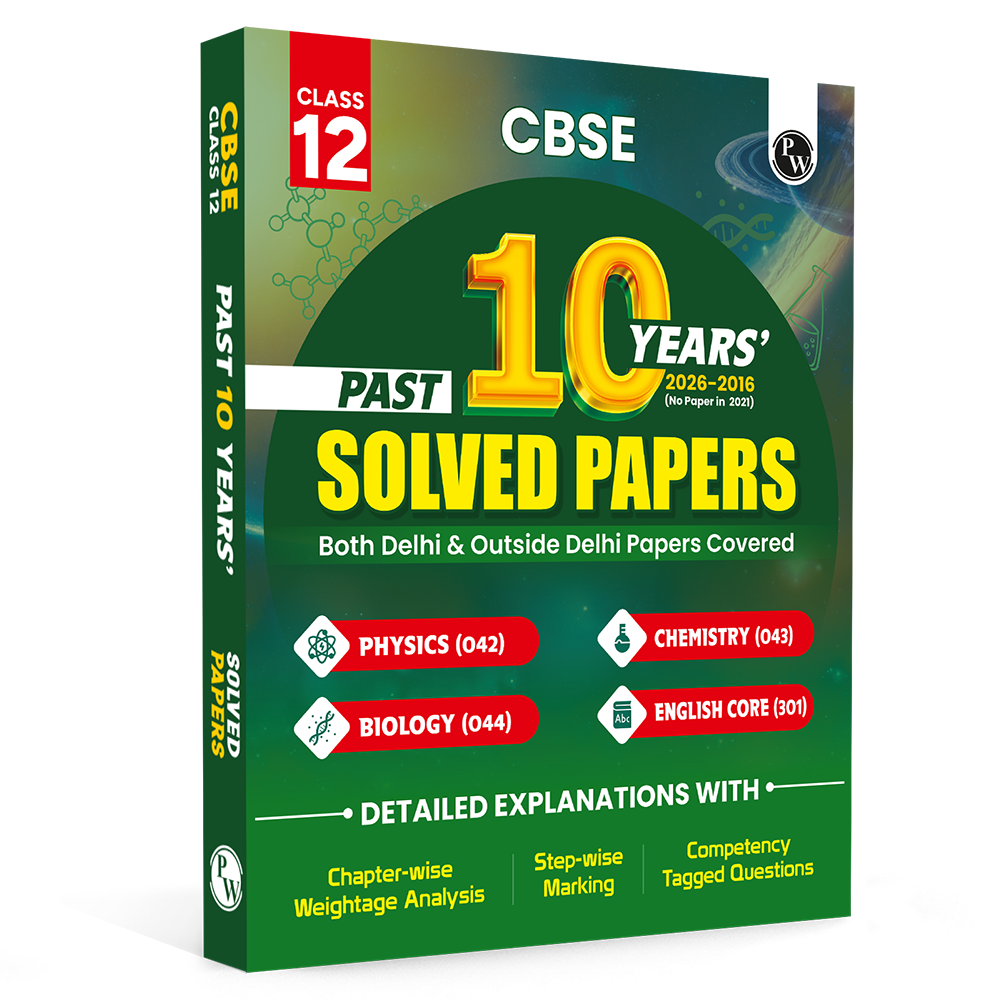
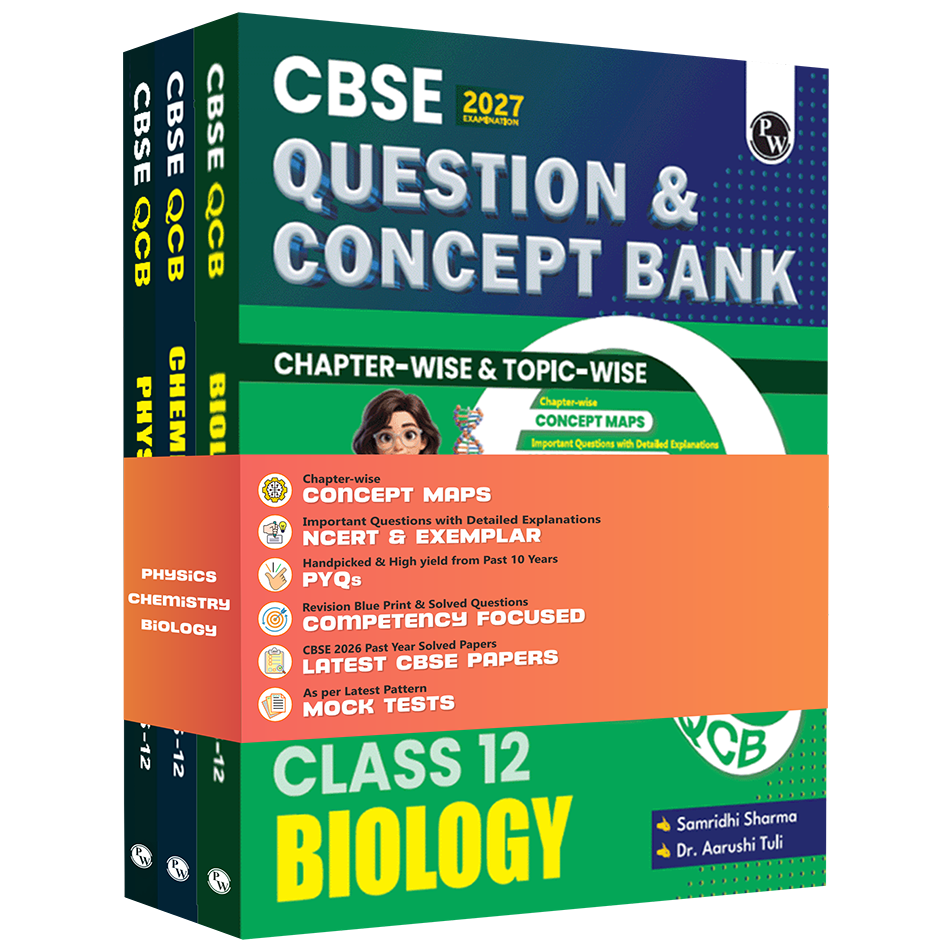
Preparing for the Class 12 board exam is not only about studying hard but also about studying the right way. Many students work for long hours but still lose marks because they repeat the same mistakes during their preparation. A smart study plan, regular practice, and the right resources can help you avoid these problems. Using a CBSE class 12 PCB PYQ book is one of the best ways to understand the real exam pattern, improve answer writing, and prepare according to the latest CBSE guidelines.
Why CBSE Class 12 PCB PYQs Are Important
Memorizing every answer without understanding the concepts is one of the biggest PCB board preparation mistakes students make. While some Biology topics require remembering scientific terms, simply learning everything by heart does not work for Physics and Chemistry. Today's CBSE board exams include many competency-based and application-based questions that test your understanding instead of your memory.
A good PCB study strategy should focus on learning concepts first and then practicing PCB PYQ questions to understand how those concepts are used in the actual exam.
The Breakdown of Superficial Physics Study
Many students think they can score well in Physics by memorizing derivations. This method usually creates problems during the exam.
Physics is based on concepts, formulas, and logical thinking. If you only memorize derivations without understanding how they work, you may not be able to solve application-based questions. Even a small change in the question can make it difficult to find the correct answer.
Instead of memorizing every line, understand where each formula comes from and why each step is used. After learning the concept, solve similar questions from PCB PYQ books. This helps you apply the concept in different situations and reduces exam errors.
The Traps of Chemistry Reaction Rote Learning
Chemistry also becomes difficult when students depend only on memory.
In Organic Chemistry, many students try to remember reactions without understanding how they happen. They memorize reagents and products but forget the reaction mechanism. When the board exam asks a different type of conversion or an application-based question, they become confused.
A better PCB study strategy is to understand the complete reaction process. Learn why each reaction takes place, how electrons move, and why certain products are formed. Once you understand the concept, practice related questions from PCB PYQ to improve your confidence.
How to Overcome Concept Gaps
You can easily avoid these revision mistakes by following a simple study method that focuses on understanding before memorization.
-
Understand every formula: Learn how important Physics formulas are derived instead of only memorizing them.
-
Study reaction mechanisms: In Chemistry, understand every reaction step and the reason behind it instead of remembering only the final equation.
-
Practice application-based questions: Solve questions from PCB PYQ regularly to see how basic concepts are used in real board exam questions.
-
Revise important concepts often: Regular revision helps you remember concepts for a longer time and reduces last-minute confusion.
-
Test yourself regularly: After finishing every chapter, solve previous year questions without looking at the answers. This helps you identify weak topics and improve them before the exam.
CBSE Class 12 PCB PYQ Board Preparation Mistakes
Many students know the correct answers but still lose marks because they do not follow the CBSE marking scheme. One of the most common exam errors is writing long answers without including the important points that examiners look for. Practicing with CBSE Class 12 PYQ helps you understand how answers should be written to score maximum marks.
Understanding Step-Wise Marking
CBSE gives marks for each important step instead of only the final answer. This is especially important in Physics and Chemistry, where every calculation and formula carries marks.
For example, a 5-mark Physics question may give marks like this:
-
Writing the given values correctly.
-
Using the correct formula.
-
Showing all calculation steps.
-
Writing the correct final answer with proper units.
If you skip one of these steps, you may lose marks even if your final answer is correct.
When solving PCB PYQ, always write complete solutions instead of jumping directly to the final answer. This habit improves your presentation and helps you avoid unnecessary board exam errors.
[Total Marks: 5]
│
▼
Given Data & Formula (1.5 Marks)
│
▼
Calculation Steps (2 Marks)
│
▼
Final Answer with Correct Unit (1.5 Marks)
The Cost of Missing Diagram Labels
Biology is another subject where presentation matters a lot.
Many students draw neat diagrams but forget to label the important parts. Some use incorrect labels, while others leave out important structures completely. These small mistakes reduce the overall marks.
Whenever you practice Biology using PCB PYQ, always draw clean diagrams with straight label lines and correct scientific names. Proper labeling shows the examiner that you understand the topic and helps you score full marks.
Features of CBSE Class 12 PCB PYQ
-
Exam Trend & Pattern Insights: Understand chapter-wise weightage, question types, and exam trends from the last 5 years of CBSE Class 12 board papers to prepare with confidence.
-
Authentic CBSE Papers Coverage: Practice with 20 original Delhi and 20 Outside Delhi CBSE papers for Physics, Chemistry, Biology, and English to strengthen your previous year paper preparation.
-
Term-wise Paper Inclusion: Revise every subject with both Term-I and Term-II CBSE papers for complete board exam practice.
-
Step-wise Solutions with Marking Scheme: Improve your answer writing with easy-to-understand, step-by-step solutions prepared according to the latest CBSE marking scheme.
-
Updated Syllabus Guidance: Study only the required topics with rationalised content clearly marked as Out of the Syllabus (OS) based on the latest CBSE Class 12 syllabus.
-
Competency-based Question Analysis: Prepare better with a 10-year analysis of competency-based questions, including case-based, assertion-reason, and application-based questions.
Time Management Tips with CBSE Class 12 PCB PYQ
Good preparation is not only about studying for long hours. It is also about using your time wisely. Poor planning is one of the biggest revision mistakes students make during board exam preparation.
Many students spend too much time on one subject while ignoring the others. This creates an imbalance in preparation and affects the final result.
The Pitfalls of Imbalanced Subject Allocation
Every student has a favorite subject. Some enjoy Biology, while others like Physics or Chemistry.
The problem starts when students spend most of their study time on subjects they already know well and avoid difficult chapters.
For example, a student may spend hours memorizing Biology diagrams but continue skipping Physical Chemistry numericals or difficult Physics derivations. As a result, the weaker subjects reduce the overall percentage.
A good study strategy gives enough time to all three subjects according to your strengths and weaknesses.
Missing Out on Real Mock Evaluations
Another common mistake is reading notes again and again without testing yourself.
Many students feel confident because they remember the theory. However, when they sit for the real exam, they struggle to complete the paper within three hours.
To avoid this problem, solve full-length PCB PYQ papers under real exam conditions.
-
Set a timer for three hours.
-
Do not use books or notes.
-
Attempt every question.
-
Check your answers after completing the paper.
CBSE Class 12 books practice improves your speed, accuracy, confidence, and time management before the final board exam.
Right CBSE Class 12 PCB PYQ Study Strategy for Class 12
A successful study strategy gives equal importance to Physics, Chemistry, and Biology. Since every subject is different, each one needs a different study method.
|
Subject |
Primary Focus Area |
Ideal Daily Study Methodology |
|
Physics |
Derivations, numericals, and concepts |
Solve at least 15 numerical questions daily and revise important formulas regularly. |
|
Chemistry |
Organic reactions, Physical Chemistry, and Inorganic concepts |
Practice reaction mechanisms, formulas, and numerical problems every day. |
|
Biology |
Definitions, diagrams, and scientific terms |
Draw and label diagrams, revise NCERT keywords, and use flashcards for important terms. |
Designing a Practical Schedule
An effective study strategy should be balanced and realistic.
Instead of studying one difficult subject for the entire day, divide your study time wisely.
For example:
-
Study Physics numericals in the morning when your mind is fresh.
-
Revise Biology theory and diagrams in the afternoon.
-
Practice Chemistry reactions and formulas in the evening.
This approach keeps your mind active and reduces study fatigue.
Benefits of Solving CBSE Class 12 PCB PYQs
One of the best ways to improve your board exam preparation is by solving real previous year question papers. A good PCB PYQ book helps you understand the latest exam pattern, important topics, question types, and the CBSE marking scheme. Unlike regular textbooks, previous year papers show you how questions are actually asked in the board exam.
Past 10 Years Question Analysis
│
▼
Understand Latest Question Types
│
▼
Build Confidence for the Real Board Exam
Practicing with PCB PYQ also helps you improve your writing speed, accuracy, and time management. The more papers you solve, the more confident you become before the final examination.
Navigating Evolving Question Typologies
The CBSE board exam has changed a lot in recent years. Instead of asking only direct theory questions, the papers now include competency-based, case-based, assertion-reason, and application-based questions.
Many students find these questions difficult because they only study theory.
Regular practice with PCB PYQ helps you understand these new question patterns. You learn how simple concepts are used in different situations, making it easier to answer higher-order thinking questions during the exam.
It also helps you identify the chapters that are asked more frequently, allowing you to prepare in a smarter way.
Why Verified Solutions Make a Difference
Practicing previous year papers is helpful only when you also check the correct answers.
A reliable PCB PYQ book includes detailed step-by-step solutions prepared according to the latest CBSE marking scheme. These solutions help you understand:
-
The correct answer format.
-
Important keywords to include.
-
Proper calculation steps.
-
Correct diagram labeling.
-
Better presentation techniques.
Read More: CBSE Class 12 Question Bank PDF Download
CBSE Class 12 PCB PYQs FAQs
How does practicing a CBSE class 12 PCB PYQ set reduce structural presentation mistakes?
Practicing PCB PYQ papers teaches you the correct answer format used in the CBSE board exam. By comparing your answers with detailed solutions, you learn how to write definitions, show calculation steps, draw diagrams, and present answers in a way that matches the official marking scheme.
What are the most devastating PCB board preparation mistakes to avoid?
Some of the biggest PCB board preparation mistakes include memorizing formulas without understanding them, skipping reaction mechanisms in Chemistry, drawing incomplete Biology diagrams, ignoring the marking scheme, and never solving full-length papers under exam conditions.
How often should I include past papers in my weekly PCB study strategy?
A good PCB study strategy is to solve chapter-wise previous year questions immediately after completing each chapter. Once your syllabus is finished, practice at least two full PCB PYQ papers every week to improve speed, accuracy, and confidence.
Can relying entirely on textbook reading lead to critical board exam errors?
Yes. Reading textbooks alone is not enough for good board exam preparation. Without solving previous year papers, practicing numericals, and writing answers under time limits, students often make board exam errors during the final examination. Practical practice is just as important as learning theory.
How do I correct my revision mistakes during the final month of preparation?
During the last month, avoid spending too much time rewriting theory notes. Instead, focus on solving PCB PYQ papers, revising formulas, practicing reaction mechanisms, drawing Biology diagrams, and checking your answers using the official marking scheme. This is one of the best ways to reduce revision mistakes and improve your final score.