Fear of Low Marks? Last Minute Revision Strategy for CBSE Class 10

Board exams 2026 are just around the corner, and it’s normal to feel stressed or scared about scoring low marks. Almost every Class 10 student faces this fear—but the good news is that with a smart last-minute revision strategy, you can turn this fear into confidence. You still have enough time to revise properly and boost your performance.
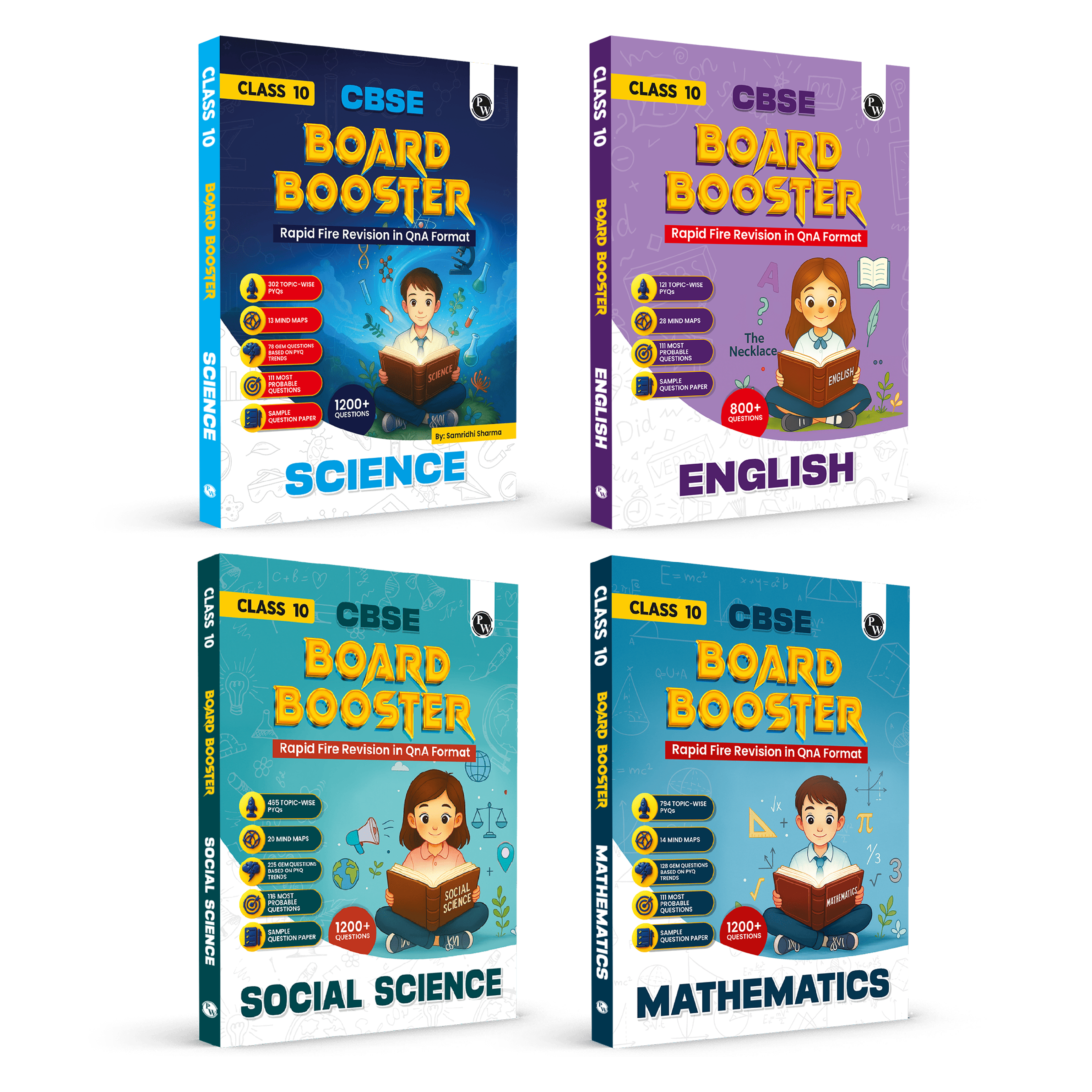
This guide will help you revise in an easy and effective way using PW CBSE Class 10 Sample Papers, PW CBSE Class 10 Board Booster Books, and PW Handwritten Notes so that you feel fully prepared for your 2026 exams
Check Out: CBSE Class 10th Books
Why Last Minute Revision is Important
Last minute revision helps you:
-
Remember important formulas, definitions, and diagrams
-
Strengthen your weak topics
-
Get familiar with question patterns
-
Improve speed and accuracy
-
Reduce exam fear
Even 10–15 days of solid revision can make a big difference in your final board exam marks.
1. Start with CBSE Class 10 Sample Papers
PW CBSE Class 10 sample papers are your exam blueprint. They show you:
-
Latest paper pattern
-
Question types (MCQs, short answers, long answers)
-
Important chapters
-
Weightage of topics
How to use them:
Solve one sample paper every day
Set a timer for 3 hours
Attempt it like a real exam
Check your mistakes and revise those topics immediately
Why it works:
Practising sample papers reduces exam fear because you already know what the real paper will look like.
2. Use PW CBSE Class 10 Board Booster Books
If you want quick and targeted revision, PW CBSE Class 10 Board Booster Books are extremely useful. It includes:
-
Chapter-wise important questions
-
Previous year questions
-
High-scoring questions
-
Detailed solutions
Why it helps:
These questions are selected by expert teachers, so you don’t waste time guessing what’s important.
Strategy:
Revise 1–2 chapters daily
Solve the most important questions first
Revisit the questions you got wrong
This helps strengthen concepts and boosts scoring power.
3. Revise Through Handwritten Notes
PW Class 10 Handwritten notes are your quick cheat sheets. They are easy to understand and help you revise fast.
Use them for:
-
Formulas
-
Maps & diagrams
-
Key definitions
-
Chapter summaries
How to use them efficiently:
Read each page twice
Highlight important points
Memorise formulas daily
Use sticky notes for extra difficult points
4. Short Study Sessions, Long Results
At the last minute, long study hours don’t work. Instead, use 40–10 rule:
Study 40 minutes
Take a 10-minute break
This keeps your brain fresh and helps you remember more.
5. Focus on High-Weightage Chapters
Don’t waste time revising the entire NCERT textbook again.
Focus on:
-
Chapters with high marks
-
Important concepts
-
Frequently asked questions
Check weightage using sample papers and PW question banks.
6. Avoid New Topics at the End
Learning a new chapter now can confuse you more.
Instead, strengthen what you already know.
This is the smartest last-minute strategy.
7. Revise Before Sleeping
Your brain remembers best before you sleep.
Take 10–15 minutes each night to:
-
Read formulas
-
Revise keywords
-
Go through one chapter
This small habit boosts memory big time.
8. Stay Calm and Sleep Well
Fear increases when you don’t sleep properly.
Good rest helps you stay sharp in the exam.
Sleep 7–8 hours
Avoid late-night cramming
Eat light food
Keep drinking water
Read More: CBSE Class 10 Pre Board Sample Papers 2025-26
Revision Strategy for CBSE Class 10 FAQs
1. Is it possible to score 90+ with last-minute revision?
Yes! If you solve sample papers daily and revise important questions, you can still score 90+.
2. How many sample papers should I solve before the exam?
Try to solve at least 7–10 sample papers to improve speed and accuracy.
3. Are PW Board Booster Question Banks helpful?
Yes, they include important and high-priority questions that help you revise faster.
4. Should I study new chapters at the last minute?
No. Focus only on revising chapters you already know.
5. How many hours should I study during the last week?
Study for 5–6 focused hours with short breaks instead of studying the whole day.