How Toppers Attempt Maths Sample Papers
Sample math papers are important practice tools that let students practice in a way that is similar to the real board exam, which helps them learn how to manage their time and choose the right questions. Students learn about the grading structure, the most recent exam patterns, and how to solve difficult problems by working through these papers. This regular practice helps you get faster at analyzing things, which is what you need to do well on your final exams.
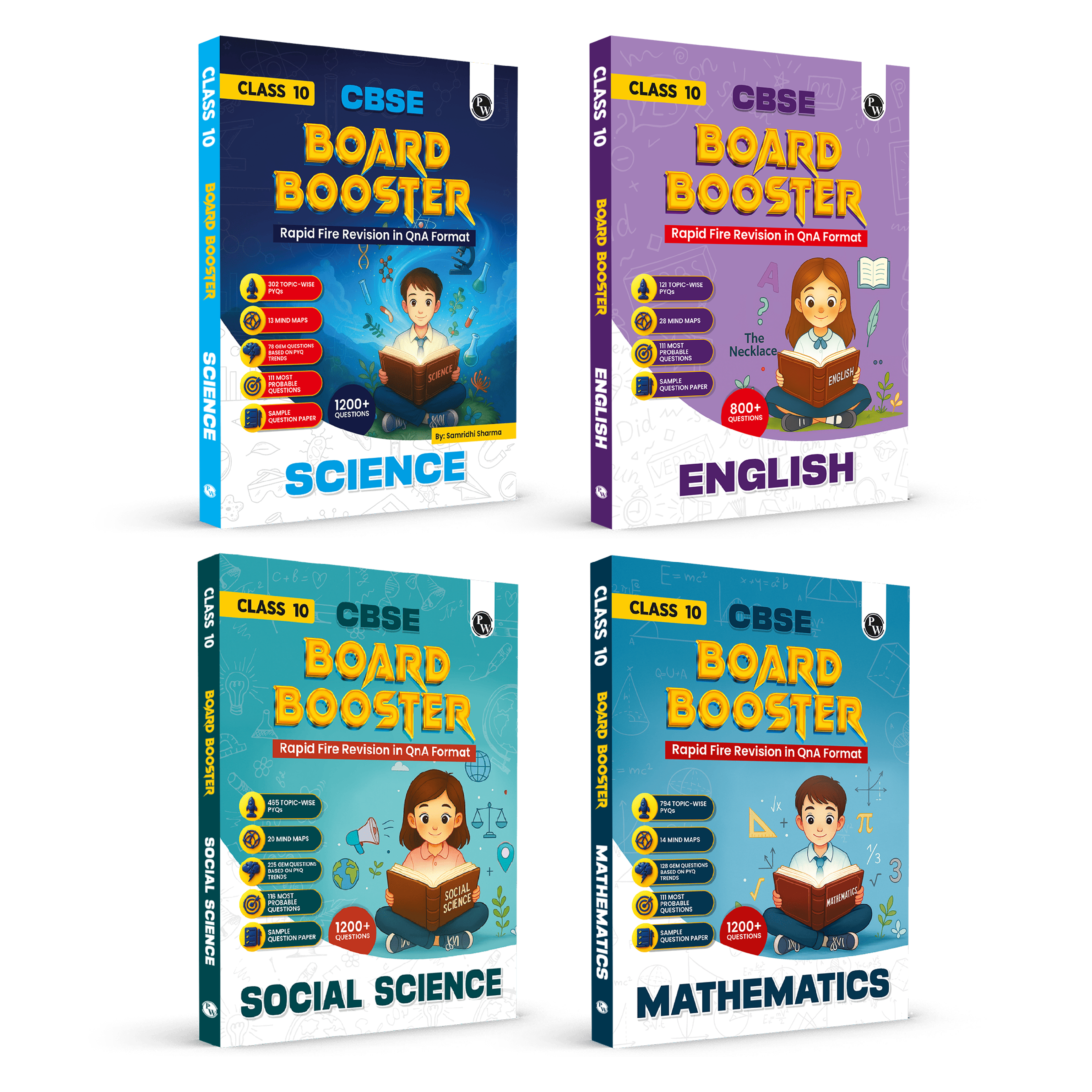
Check Out: PW School Books
Strategic Ways to Use Maths Sample Papers for the Best Results
Toppers don't just solve problems; they follow a blueprint for success that transforms how they interact with maths sample papers. It’s a vital part of their journey to move beyond rote memorization and toward a deep, conceptual understanding of the syllabus. Whether you are preparing with maths sample papers class 10 for the upcoming 2026 session or looking ahead to maths sample papers class 12 for 2026, the strategy remains consistent: precision, speed, and logical presentation. You’ll find that using high-quality resources, helps you track exam trends effectively. As we look toward maths sample papers class 10 2025, integrating these "topper secrets" into your routine can make all the difference.
The 15-Minute Reading Hack
During the first 15 minutes of reading, toppers mentally sort the questions into three groups: "Easy," "Moderate," and "Difficult." Don't start writing right away. Instead, use this time to read the instructions carefully and figure out what you want to achieve. Marking the questions you can answer best will save you a lot of time when you really write. This plan makes sure you don't waste all your energy on one hard task and miss out on easier ones that will get you more points.
Section-Wise Time Management
A disciplined time distribution is a maths sample paper necessity. Toppers often start with Section A (MCQs) to build momentum but ensure they don't spend more than two minutes per question. For maths sample papers class 12, where Calculus and 3D Geometry can be time-consuming, they allocate more time to the 5-mark Long Answer (LA) questions. Using a timer during practice sessions helps you get accustomed to the 3-hour limit, reducing exam-day anxiety significantly.
Step-Wise Marking and Presentation
The way you solve a problem is just as essential as the answer in CBSE tests. Toppers usually display their work for every calculation in detail since they get points for each accurate step. You can't just give the answer and expect to get full credit. Using the right math symbols, underlining your final solutions, and keeping your handwriting nice are all easy but effective methods to make a good impression on the person who checks your paper. If you come into a complicated algebraic manipulation, make it plain so that the rationale is straightforward to understand.
Dedicated Rough Work and Accuracy
Mistakes in math are the worst thing that can happen to a high score. To keep the main answer sheet neat, toppers set aside a particular space, generally a right-side margin or a separate page, for rough work. They always double-check the signs (plus and minus), decimals, and units as they transcribe data from the question. You can lose points for small mistakes in how you write units, like writing "cms" instead of "cm."
Check Out: CBSE Class 12th Books
Getting the Most Out of Resources
Using Cheat Sheets and Mind Maps
When it boils down to the final revision, maths sample papers class 10 2025 editions often include "Cheat Sheets" and "Mind Maps." These tools help you recall important theorems and formulas instantly. Instead of flipping through heavy textbooks, you can use these quick summaries to refresh your memory on chapters like Trigonometry or Statistics. It’s a smart way to master the maths sample papers logic without getting overwhelmed by the volume of the material.
Analyzing Past Year Paper Trends
Understanding what has been "popping up" in previous exams gives you an edge. Sample papers provide a comparative analysis of the last five years' trends. This helps you focus on high-yield topics that are frequently tested. For example, in maths sample papers class 12, topics like Integration and Probability often carry significant weightage. Knowing these patterns allows you to prioritize your study hours effectively.
Practicing Level-Wise Difficulty
Progressive learning is the best way to build confidence. You should start with "Easy" level papers to cement your basics and then move to "Medium" and "Hard" challenges. This level-wise practice, featured in maths sample papers class 10, ensures that you are prepared for any surprise element the board might throw at you. It transforms tricky concepts into triumphs through repetitive exposure to diverse question types.
Check Out: CBSE Class 10 Books
Comparison of Practice Methods
|
Feature |
Casual Practice |
Topper's Strategy |
|
Timer |
Rarely used |
Strict 3-hour sessions |
|
Rough Work |
Scattered/Messy |
Organized margin/space |
|
Step Marking |
Final answer focus |
Full logical derivation |
|
Review |
Skips revision |
Final 10-15 min check |
How Toppers Attempt Maths Sample Papers FAQs
1. How many practice math tests should I take?
You should try to answer at least 10 to 15 full-length example papers. This book gives you a lot of different problems to work on and helps you be ready for a 3-hour marathon exam.
2. Is marking steps really crucial in Class 10 and 12?
Yes, it is very important. If you make a mistake in your calculations and get the wrong answer, you can still get most of the points if your processes and formulas are right.
3. When is the best time to start working on sample papers?
You should start practicing a lot once you've gone over roughly 90% of your course. This is two to three months before the final board exams for most pupils.
4. What can I do to go faster in Section A?
Practice MCQs that focus on mental math and how to get rid of answers. To save time for lengthy questions, don't write long explanations for Section A. Just give the right answer and option.
5. Should I answer the questions in the order they are on the paper?
Not always. Toppers usually begin with the part they are most sure of. But you should always make sure you number the questions accurately so that the examiner doesn't become confused.