Is Question Bank Enough for Class 11 Exams?

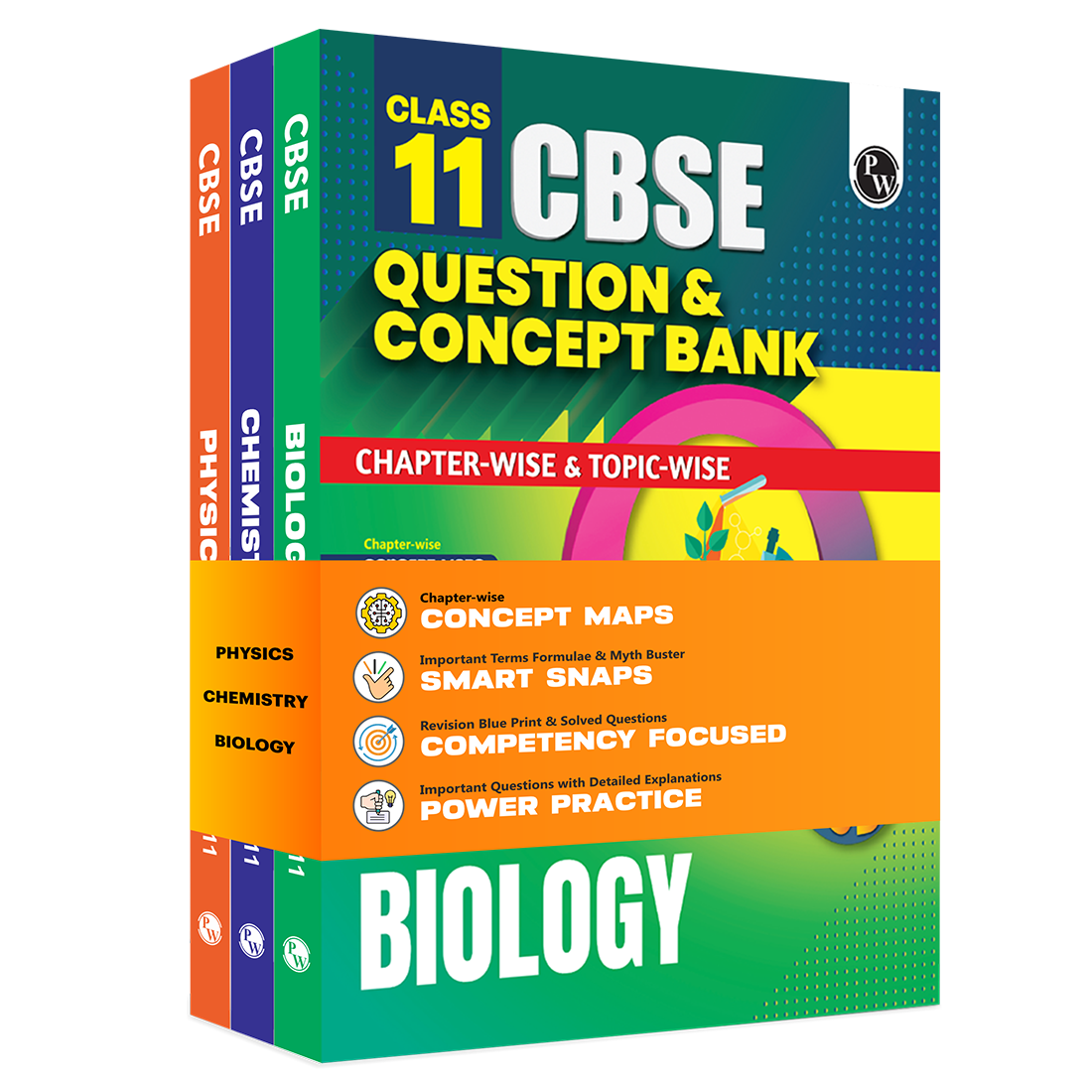
Many students enter class 11 thinking it will be similar to Class 10, but soon they realise the difficulty level is much higher. Subjects become more detailed, concepts require deeper understanding, and the syllabus feels broader. This is why students search for a class 11 question bank to make preparation easier and more organised.
A good question bank helps students practise chapter-wise questions, understand exam patterns, and improve confidence through regular solving. But is relying only on a question bank enough for Class 11 exams? The answer depends on how you use it along with textbooks, revision, and concept-building resources.
Check Out: Class 11th Books
Importance of Class 11 Question Bank
Class 11 plays an important role in building a strong academic foundation. Whether you plan to prepare for boards, JEE, NEET, CUET, or any other exam, Class 11 concepts always play a major role.
A question bank is useful because it helps students in the following ways mentioned below:
-
Gives chapter-wise practice for every subject
-
Covers objective, short answer, and long answer questions
-
Improves speed and accuracy
-
Builds confidence before school exams
-
Helps in regular revision
-
Introduces competency-based and HOTS questions
Instead of studying theory only, students get practical exposure to the type of questions asked in exams.
How Class 11 Question Bank 2026 Helps Build Concepts
Students think CBSE Class 11 question banks are only for final revision, but a quality class 11 question bank CBSE, can also strengthen concepts.
Here’s how:
1. Repeated Application of Concepts
When you solve multiple questions from the same chapter, you understand where and how concepts are used.
2. Step-by-Step Learning
Good question banks include solved examples that explain methods clearly.
3. Topic-Wise Progress
You can complete one chapter at a time without confusion.
4. Mistake Analysis
Regular solving helps identify weak areas early.
Subject-Wise CBSE Class 11 Question Bank
Different subjects need different preparation styles. A well-designed question bank supports all streams.
1. Physics
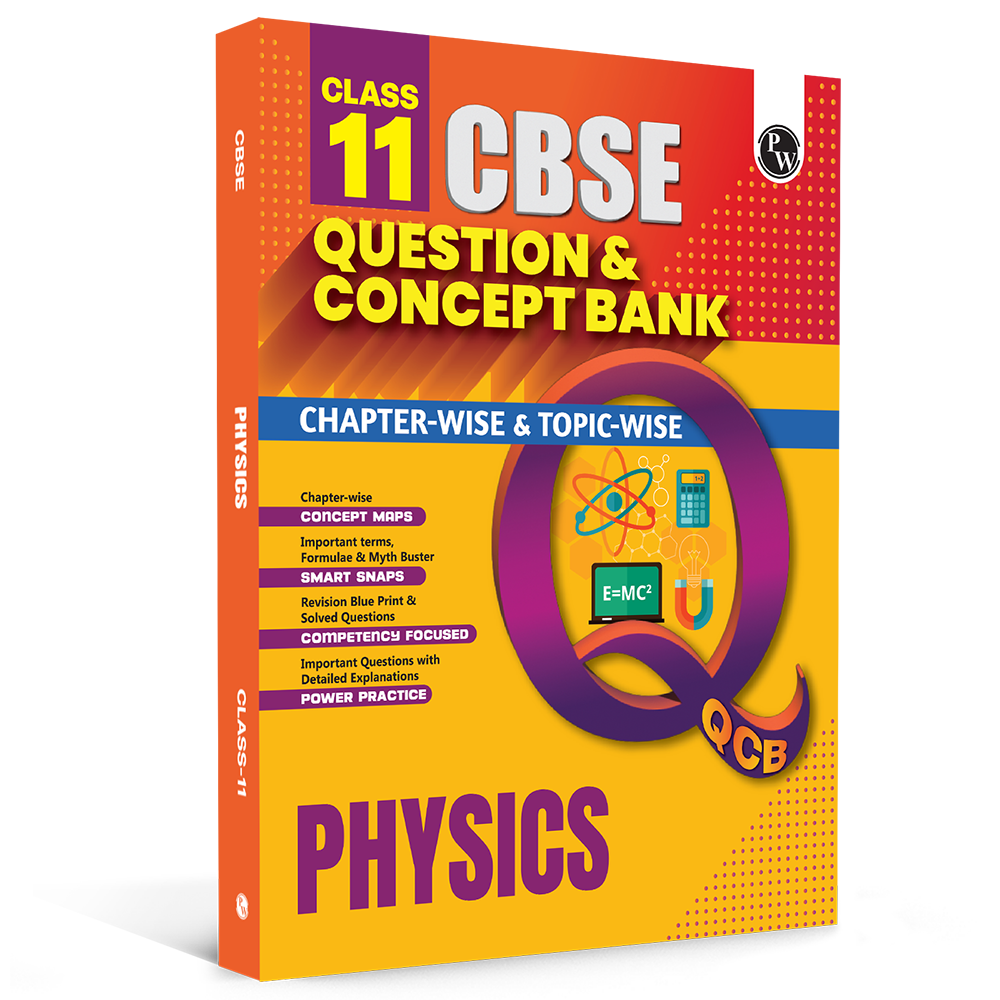
A CBSE class 11 Physics question bank helps students practise numericals, derivations, laws of motion, units and dimensions, thermodynamics, and more.
Useful for:
-
Formula application
-
Numerical solving speed
-
Concept clarity
2. Chemistry
A CBSE 11th Chemistry question bank is valuable for Physical, Organic, and Inorganic Chemistry.
Useful for:
-
Chemical equations
-
Mole concept numericals
-
Reaction mechanisms
-
NCERT-based theory questions
3. Biology
Biology question bank for class 11 is ideal for diagrams, definitions, assertions, and chapter-based theory.
Useful for:
-
NCERT line-based questions
-
Important terminologies
-
Practice for NEET foundation level
4. Maths
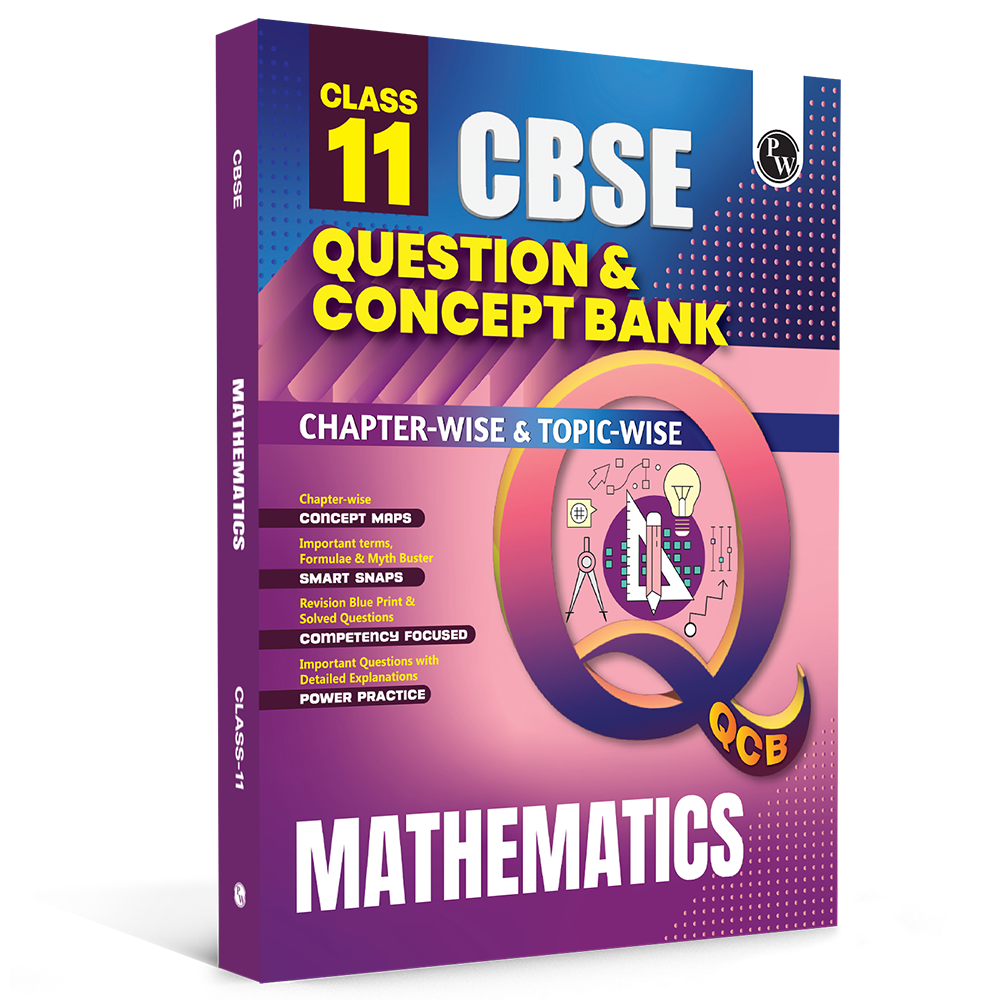
CBSE Class 11 Maths question bank helps in understanding formulas, improving problem-solving skills, and practicing different types of questions.
Useful for:
- Better step-by-step solutions
- Time management
- Practice for all question types
How to Use Class 11 Question Bank?
Using a question bank smartly matters more than simply owning one. Follow this practical method:
Daily Study Routine
-
Read the theory from the NCERT first
-
Make short notes
-
Solve basic questions
-
Attempt advanced questions
-
Revise mistakes weekly
Chapter Completion Strategy
After finishing each chapter:
-
Solve MCQs
-
Attempt short answer questions
-
Write long answers
-
Check solutions
-
Mark the difficult questions for revision
Features of Class 11 Question Bank
Not all question banks are worth the same amount. Pick one that has:
-
Most recent CBSE pattern questions
-
Coverage by chapter
-
Examples with answers
-
Questions based on skills
-
Questions about HOTS
-
Questions from last year
-
Easy-to-understand explanations
-
Sample papers or mock tests
The 2026 edition of a good class 11 question bank should be in line with the current syllabus and test format.
Check Out: CBSE Class 11 Formula Handbook For 2027 Exams
Common Mistakes While Using Class 11 Question Bank
Students solve random questions, skip revision, and then feel that the book is not helping. In most cases, the problem is not the resource but the study method. Avoid these common mistakes to get better results.
1. Solving Questions Before Understanding the Chapter
Students often jump straight to practice without reading the NCERT or class notes. This creates confusion and leads to guesswork. First, understand the topic, formulas, definitions, or concepts, then start solving questions.
2. Ignoring Difficult Chapters
Many students keep solving chapters they already know and avoid topics they find hard. This habit slows progress. Focus more on weak chapters like Thermodynamics, Trigonometry, Cell Structure, or Organic Chemistry basics.
3. Memorising Answers Instead of Learning Methods
Some students read solutions and memorise them. This does not help in exams because questions often change in format. Learn the process, logic, and steps behind each answer.
4. Not Reviewing Wrong Answers
Mistakes show where you need improvement. If you solve questions and never revisit wrong answers, you repeat the same errors in tests. Keep an error notebook and revise it weekly.
5. Practising Only Before Exams
Using a CBSE class 11 question bank one week before exams gives limited benefit. Start chapter-wise practice from the beginning of the session. Regular practice builds speed, confidence, and retention.
6. Skipping Written Practice
Many students solve problems mentally or just read solutions. This weakens presentation skills. Write answers properly, especially in Physics, Chemistry, Biology, and English.
7. Using Only One Type of Question
If you solve only MCQs or only theory questions, your preparation remains incomplete. Practise MCQs, case-based questions, short answers, long answers, and numericals.
8. Not Tracking Progress
Without tracking scores and weak areas, students waste time. Mark completed chapters, test scores, and difficult topics. This helps you study with direction and improve faster.
Who Should Use the Class 11 Question Bank?
A class 11 question bank CBSE, is useful for almost every student:
-
Average students who need structured practice
-
Toppers aiming for high marks
-
Students preparing for JEE/NEET basics
-
Students weak in numericals
-
Students needing revision support
It turns scattered preparation into organised preparation.
Read More: CBSE Class 11 Syllabus for All Subjects
Class 11 Question Bank FAQs
1. When is the best time to start using a Class 11 question bank?
You should start at the beginning of the academic year and work your way through each chapter after finishing each topic.
2. How many questions should I answer from a question bank every day?
Depending on the subject and chapter difficulty, 15 to 25 questions a day is a good number to solve for your preparation.
3. Is one question bank enough for every subject?
A single book may help, however question banks that are specific to a subject usually give you more depth and practice.
4. Are question banks in digital PDF format helpful?
Yes, PDFs are great for quick access, studying, and reviewing anywhere, but printed books are better for focused practice.
5. How many years' worth of old questions should a good question bank have?
A good question bank should include questions from at least the last 5 to 10 years, but it should also include new "competency-based" questions that match the latest 2026 exam trends.