How to Study Class 11 with Question Bank

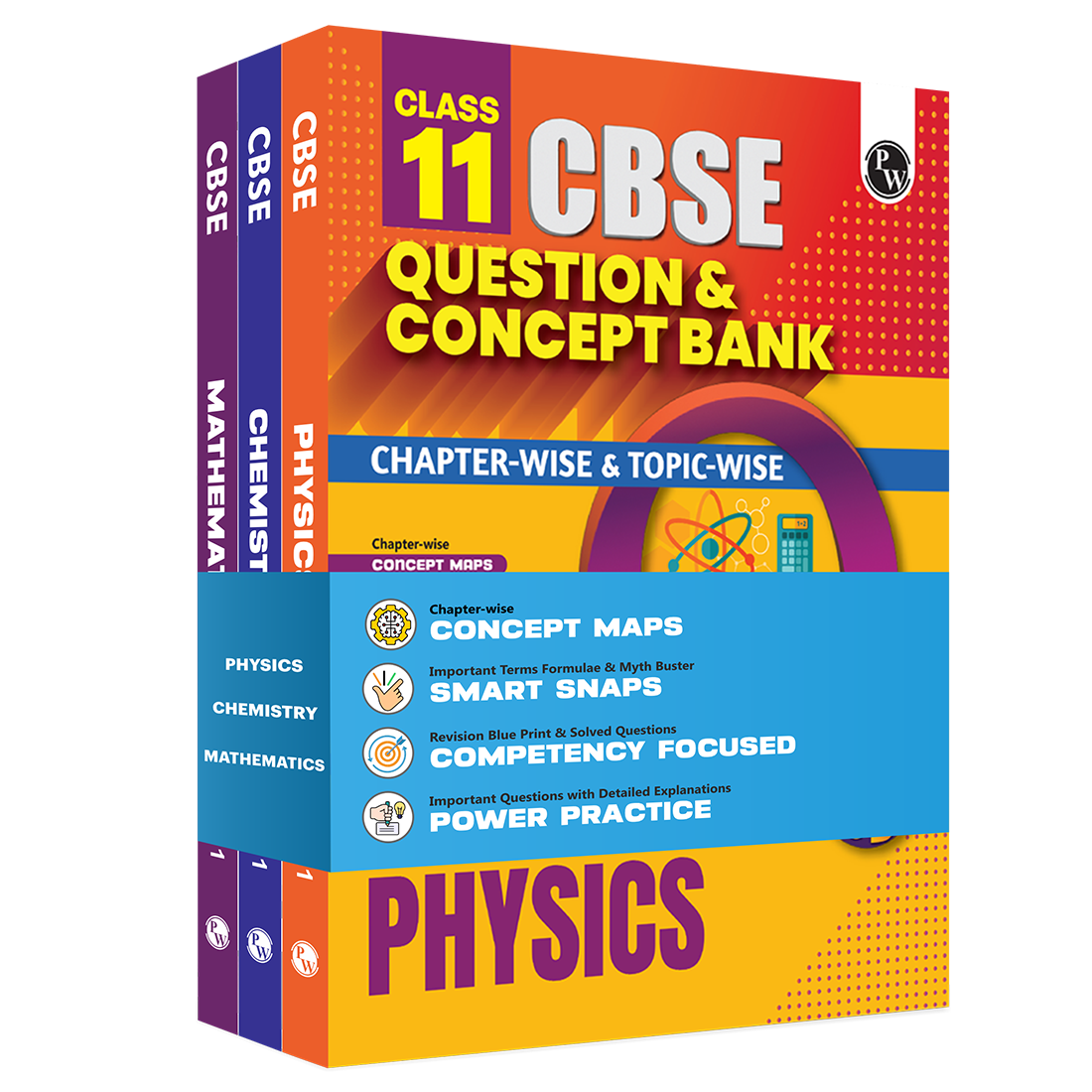
To study Class 11 well, use a question bank daily. Read each topic first, then solve related questions. It helps you understand and remember better. Check your answers and correct mistakes. Revise important questions again. Regular practice with a question bank makes learning simple and improves your exam performance.
That feeling is common. This is where a class 11 question bank becomes your smart companion. It not only gives you practice questions. It gives you direction, chapter-wise targets, and a clear path to study every subject with confidence.
Check Out: CBSE Class 11 Books
How Does the Class 11 Question Bank Help Build the Base?
Students often feel Class 11 is harder than Class 12. In many cases, they are right. The reason behind this is that Class 11 builds the academic base for future learning.
Subjects become concept-heavy:
-
Physics introduces motion, laws, energy, and thermodynamics.
-
Chemistry moves into atomic structure, bonding, and numericals.
-
Biology gets more complicated and uses many technical terms.
-
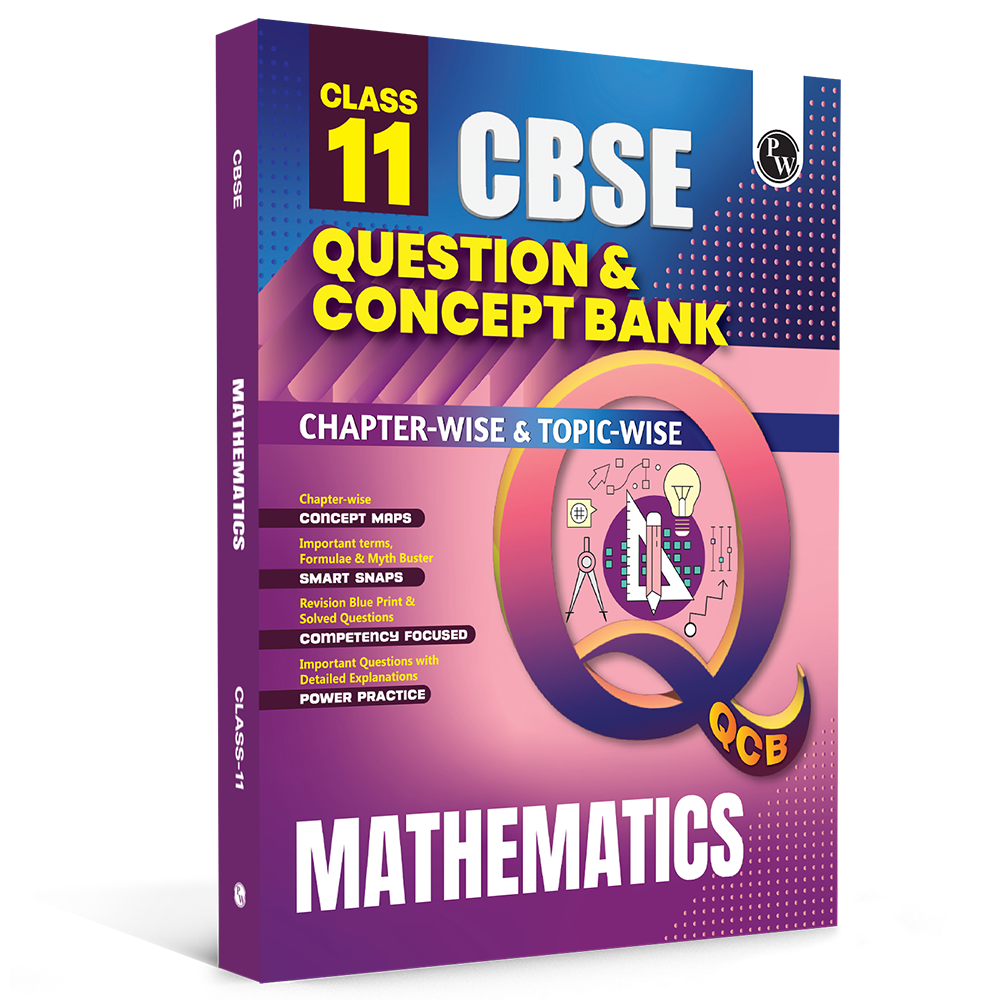
Math includes algebra, trigonometry, limits, and statistics.
-
English expects you to be able to write and understand things better.
Without practice, these topics pile up quickly. A CBSE Class 11 question bank helps students break this pressure into manageable steps.
How does a Class 11 Question Bank Help Students?
A question bank works like a training partner. It tells students what to solve, how to revise, and where they are weak.
-
Builds Strong Basics: Class 11 concepts return in Class 12 and entrance exams. Strong basics now save effort later.
-
Improves Problem-Solving: Regular practice trains students to apply concepts rather than just read theory.
-
Covers Different Question Types: MCQs, short-answer, long-answer, HOTS, case-based sets, and numericals.
-
Supports Chapter-wise Learning: Students can complete one chapter at a time, avoiding feeling overwhelmed.
-
Boosts Confidence: Solved practice creates familiarity before school tests.
Using a class 11 question bank 2026 or the latest edition throughout the year gives better results than last-minute study.
Best Way to Study with Class 11 Question Bank
Owning the book is not enough. Using it in a planned way is a much better way to connect your study routine.
-
Read the chapter from the NCERT or class notes first.
-
Highlight formulas, definitions, and examples.
-
Open the same chapter in the question bank.
-
Solve easy questions first.
-
Move to the application and tricky sets.
-
Check mistakes honestly.
-
Rewrite wrong answers once.
-
Revisit after one week.
Weekly Study Plan for Students
|
Day |
Focus Area |
Time |
|
Monday |
Physics concepts + numericals |
1 hour |
|
Tuesday |
Chemistry theory + reactions |
1 hour |
|
Wednesday |
Biology diagrams + answers |
1 hour |
|
Thursday |
English writing + grammar |
45 mins |
|
Friday |
Maths practice |
1 hour |
|
Saturday |
Mixed chapter revision |
1.5 hours |
|
Sunday |
Mock test + error review |
2 hours |
A class 11 question bank CBSE becomes most effective when students follow consistency, not random bursts of effort.
Subject-Wise Use of Class 11 Question Bank
-
Physics
Physics rewards logic and repetition. Students often understand the chapter but freeze during the numericals.
Use a CBSE Class 11 Physics question bank to practise:
-
Formula application
-
Unit conversion
-
Derivations
-
Graph-based questions
-
Assertion-reasoning sets
Tip: Keep one notebook for formulas and repeated mistakes only.
-
Chemistry
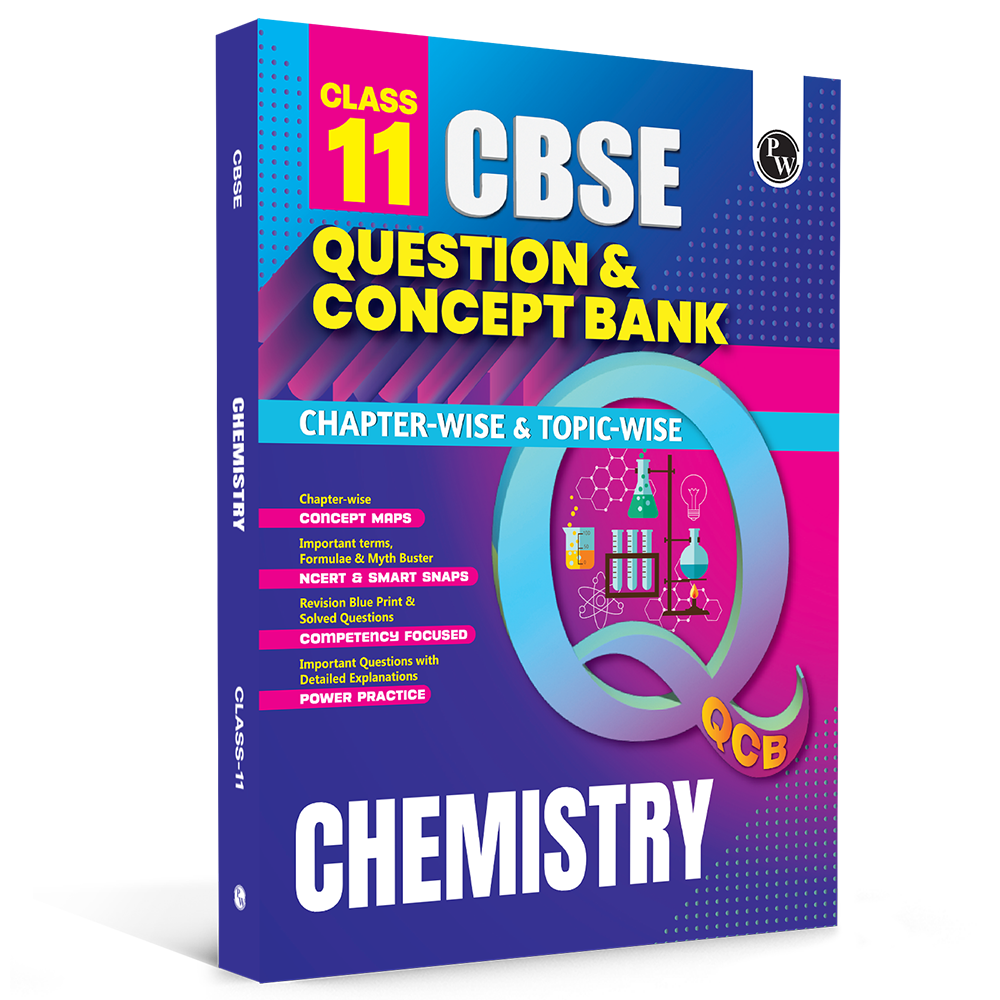
Chemistry needs both memory and logic. A CBSE 11th chemistry question bank helps with:
-
Mole concept numericals
-
Balancing reactions
-
Organic basics
-
Periodic trends
-
Theory answers
Tip: Make flashcards for reactions and definitions.
-
Biology
Biology needs line-by-line reading and repeated revision. Use a biology question bank for class 11 for:
-
Diagram labelling
-
One-mark practice
-
Terminology revision
-
Long answer framing
-
NCERT-based factual questions
Tip: Read tables, side notes, and headings carefully.
-
English
English becomes easier with regular writing. A CBSE Class 11 English question bank supports:
-
Comprehension speed
-
Debate, speech, and article writing
-
Literature answer structure
-
Grammar correction
-
Vocabulary exposure
Tip: Write crisp answers instead of memorising paragraphs.
Features to Look for in a Class 11 Question Bank
Not every book adds value. Choose one that saves time and improves results.
-
Latest CBSE syllabus alignment
-
Chapter-wise question sets
-
NCERT-based practice
-
Competency and case-based questions
-
Solved examples
-
Clear layout
-
Revision summaries
-
Balanced difficulty level
Students who choose a reliable CBSE Class 11 question bank usually study with greater clarity.
Common Mistakes Students Make While Studying the Class 11 Question Bank
Hard work alone is not enough. You also need to avoid that can hamper your preparations:
-
Reading chapters repeatedly without solving questions
-
Practising only favourite subjects
-
Ignoring weak chapters for months
-
Checking answers casually
-
Skipping timed tests
-
Memorising without understanding
-
Leaving revision for exam week
Fixing these habits can improve marks faster than studying extra hours.
Read More: CBSE Class 11 Syllabus for All Subjects
How to Revise Class 11 Question Bank Before Exams?
Use the question bank as a revision tool, not only a practice book.
7-Day Revision Plan
Day 1: Physics formulas + numericals
Day 2: Chemistry reactions + theory
Day 3: Biology diagrams + one-markers
Day 4: English formats + literature
Day 5: Maths practice set
Day 6: Weak topics recovery
Day 7: Full mock paper + review
This method keeps revision sharp and focused.
Study Class 11 with Question Bank FAQs
1. When should I start using a Class 11 question bank?
Start from the first month of the academic year. Early practice helps you understand chapters deeply and reduces exam pressure later. Students who begin early usually revise faster before finals.
2. Can I study only from a question bank?
No. First, learn concepts from NCERT, classroom notes, and teacher explanations. After that, use the question bank for practice, testing, and revision. It works best as a companion resource.
3. How many questions should I solve daily?
Solve around 15–25 quality questions daily, depending on your schedule and subject difficulty. On weekends, you can increase the number and include one timed test.
4. Which subjects need question bank practice the most?
Physics, Chemistry, Maths, Biology, and English all benefit from practice. Usually, Physics and Chemistry need the most regular solving because concepts must be applied repeatedly.
5. Should I solve easy questions first or difficult ones first?
Start with easy and moderate questions first. This builds confidence and refreshes the chapter. After that, move to higher-level questions with better focus.