How to Score 95%+ in CBSE Class 12 Science Using Previous Year Questions (PYQs)
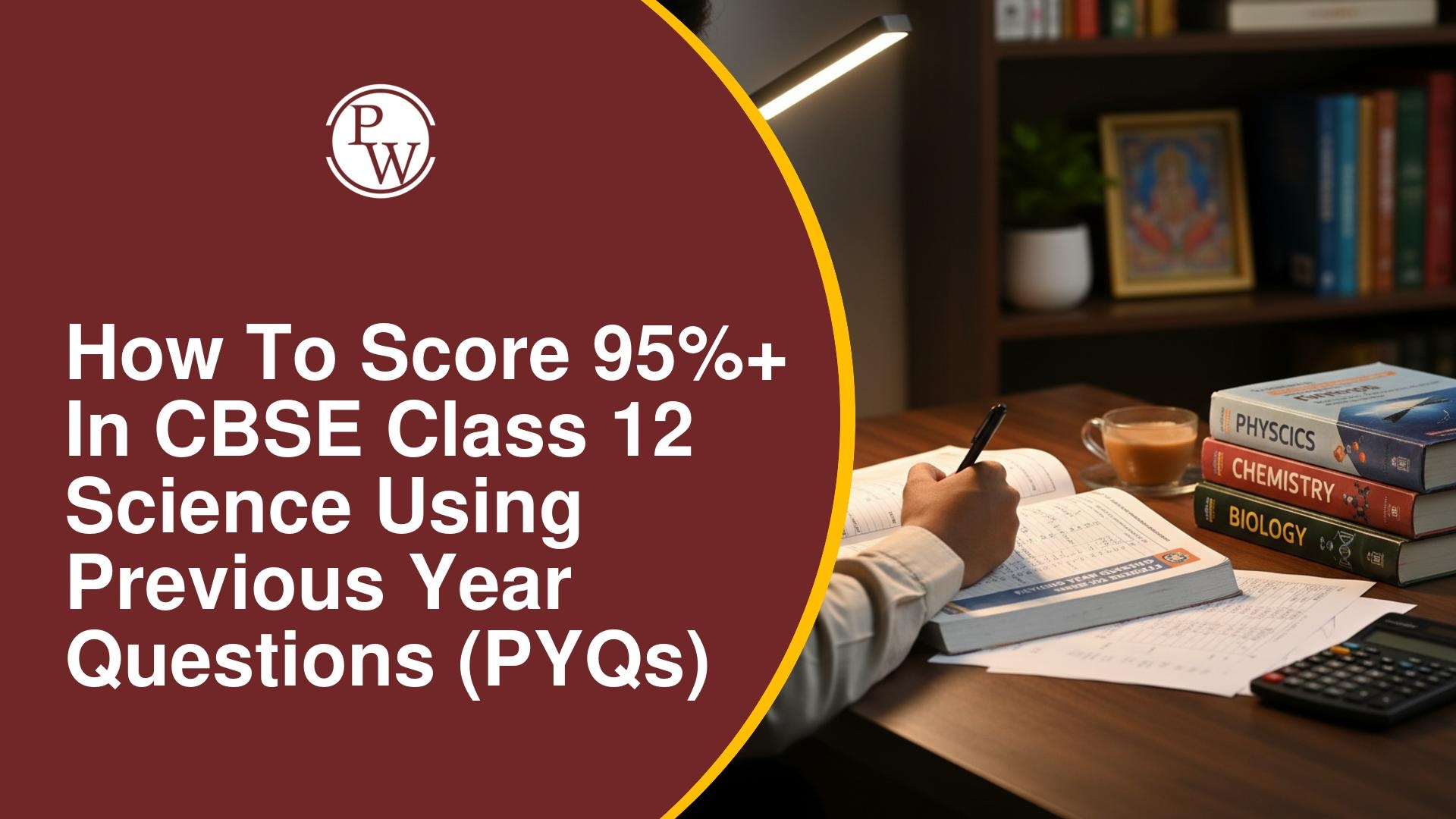
Every year, thousands of CBSE Class 12 Science students study hard but still miss the 95%+ mark. The real problem is often not a lack of knowledge, but a lack of exam-pattern awareness. Students read the full syllabus yet feel unprepared when the actual paper looks different from what they expected.
This is where CBSE Class 12 previous year question papers (PYQs) become valuable. Solving authentic previous year papers helps students understand the exam pattern, marking scheme, frequently tested concepts, and the level of questions asked in board exams.
Here, you will learn why PYQ practice works, the common mistakes students make while using old papers, and a simple step-by-step strategy to follow before your board exams. We will also look at how a good Class 12 PYQ book can support this process when used correctly.
Quick Takeaways
-
CBSE previous year questions reveal recurring topics, question trends, and chapter weightage.
-
Marking scheme practice improves your actual scored marks, not just your answers.
-
A mix of concept study and PYQ solving works better than either one alone.
-
Competency-based questions (case-based, assertion-reason) need separate, focused practice.
What Is PYQ-Based Preparation?
PYQ-based preparation means studying by solving actual questions asked in previous CBSE board exams, instead of only reading textbooks or guides. It helps students understand how examiners frame questions, how marks are distributed, and which chapters carry more weightage.
For Class 12 Physics, Chemistry, Biology, and English, this method works especially well because CBSE often repeats question formats and reuses similar concepts across years, even when exact questions change.
Why Previous Year Questions Are Important for CBSE Class 12 Science
Board exams reward exam-readiness, not just subject knowledge. Practising with real papers helps in these ways:
-
You learn the exact difficulty level CBSE expects.
-
You get used to the answer length and presentation style that scores full marks.
-
You identify chapters with high weightage and prioritise your revision time.
-
You reduce exam-day anxiety because the format feels familiar.
Common Mistakes Students Make
Many students use CBSE Class 12 book the wrong way. Some common mistakes include:
-
Solving PYQs only in the last few weeks, leaving no time to fix weak areas
-
Reading solutions without attempting questions first
-
Ignoring the marking scheme, which affects how answers should be written
-
Skipping case-based and assertion-reason questions, assuming they are less important
-
Practising only one paper style instead of both Delhi and Outside Delhi sets
How to Score 95%+ Using CBSE Class 12 Previous Year Questions
Follow this simple plan to make the most of your PYQ practice:
-
Finish the syllabus first, so you understand the concepts before solving papers.
-
Start with chapter-wise PYQs rather than full papers, to build topic confidence.
-
Attempt full previous year papers under timed conditions, at least once a week.
-
Check answers against the marking scheme, not just the final answer.
-
Note repeated topics and revise them again closer to the exam.
-
Practice competency-based questions separately, since these carry increasing weightage.
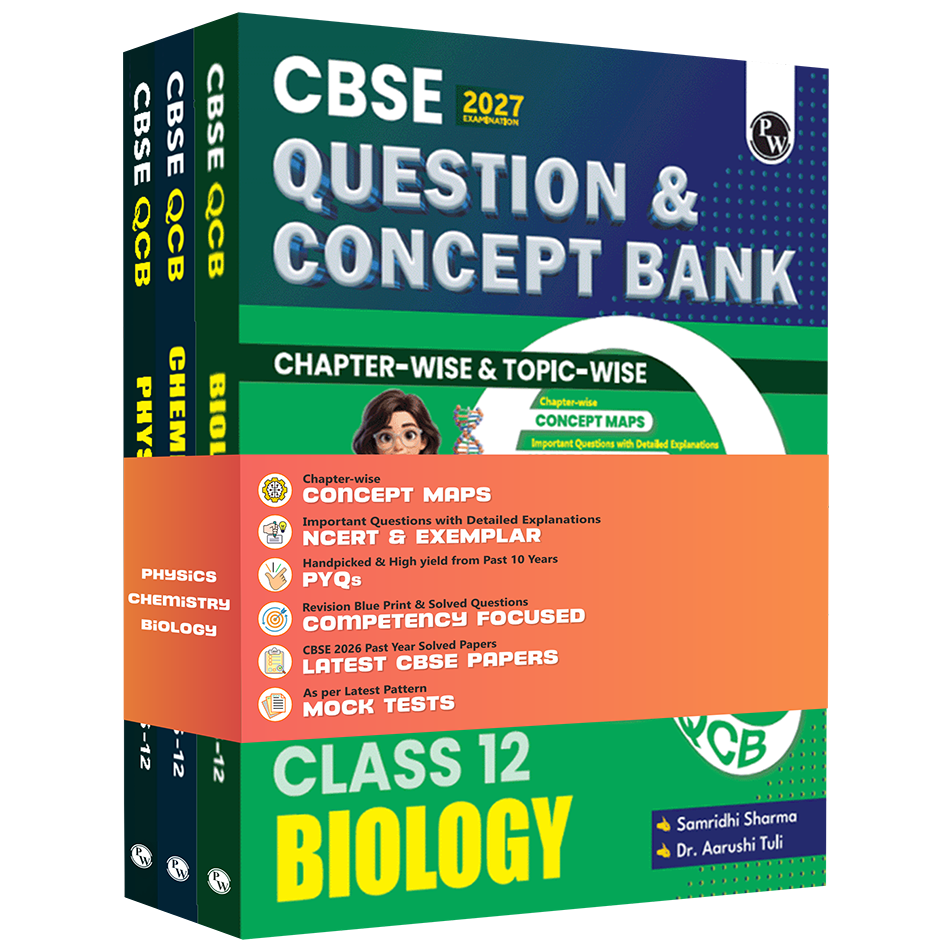
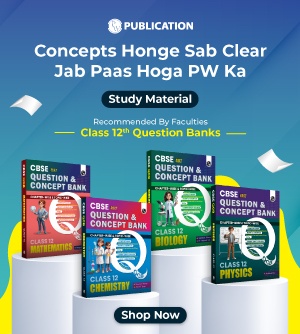
Also Check - Class 12th Question Banks
Preparation Timeline Checklist
|
Time Before Exam |
Focus Area |
|
3 months |
Complete syllabus + chapter-wise PYQ practice |
|
2 months |
Full timed papers, weak topic revision |
|
1 month |
Marking scheme review, competency-based questions |
|
Final 2 weeks |
Quick revision, error analysis from past attempts |
Recommended CBSE Class 12 PYQ Book for Practice
Students preparing with chapter-wise PYQs often find it easier to understand exam patterns and question typology. A well-organised Class 12 PCB PYQ book can support this by bringing multiple years of papers into one structured format, saving the time it takes to search for old papers separately.
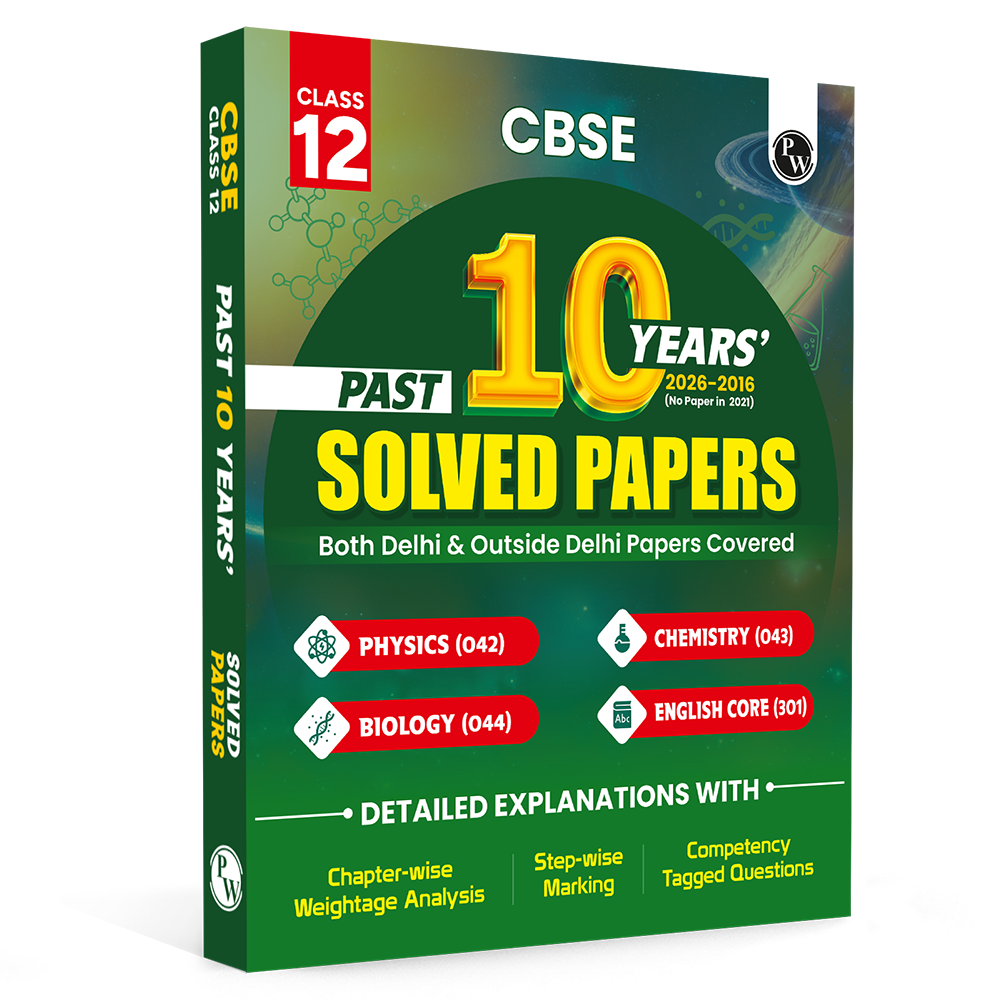
For example, the PW CBSE Class 12 PYQs PCBE – Past 10 Years Solved Papers is a CBSE board preparation book that covers Physics, Chemistry, Biology, and English together. It includes:
-
Chapter-wise weightage and question trends based on the past 5 years' papers
-
20 original Delhi and Outside Delhi papers each for Physics, Chemistry, Biology, and English
-
Term-wise papers for full subject revision
-
Step-wise solutions matched to the latest CBSE marking scheme
-
Syllabus updates, with rationalised content marked as Out of Syllabus (OS)
-
A 10-year analysis of competency-based questions for case-based and assertion-reason practice
This kind of Class 12 PCBE PYQ resource can be a practical choice if you want organised, exam-aligned practice instead of scattered papers from different sources. You can preview the PDF sample here or check the full product page for more details.
CBSE Class 12 PYQ Book FAQs
1. How do PYQs help in scoring 95%+ in CBSE Class 12?
CBSE Class 12 PYQs show the real exam pattern, repeated topics, and marking style, helping students prepare smarter instead of just studying more.
2. Should I solve PYQs before or after finishing the syllabus?
Finish core concepts first, then use CBSE Class 12 PYQs to test and strengthen your understanding of each chapter.
3. Is a class 12 PYQ book better than solving papers online?
A structured class 12 PYQ book saves time by organising multiple years of papers with solutions in one place, which can be more efficient than searching separately.
4. Do CBSE previous year papers actually repeat questions?
Exact questions rarely repeat, but topics, formats, and question types often follow a similar pattern year after year.
5. How many years of PYQs should I practice for board exams?
Practising 8 to 10 years of cbse class 12 previous year questions gives a solid view of pattern changes and commonly tested topics.
Scoring 95%+ in CBSE Class 12 Science is realistic when preparation combines strong concepts with focused PYQ practice. Start early, follow a clear timeline, and use a reliable cbse board preparation book to keep your practice organised and exam-focused.