Why Solving a Decade of Class 10 SST PYQs Is Smartest Way to Prepare
Trying to memorise every historical date or complex policy explanation feels like an endless uphill battle. Many hardworking individuals spend long hours reading notes but struggle to construct high-scoring answers during actual test conditions.
This gap between theoretical reading and exam execution is the ultimate reason why relying heavily on standard reading is an unsafe strategy. To fix this, you need CBSE Class 10 SST PYQ that mirrors exactly how evaluation occurs.
What is CBSE Class 10 SST PYQ?
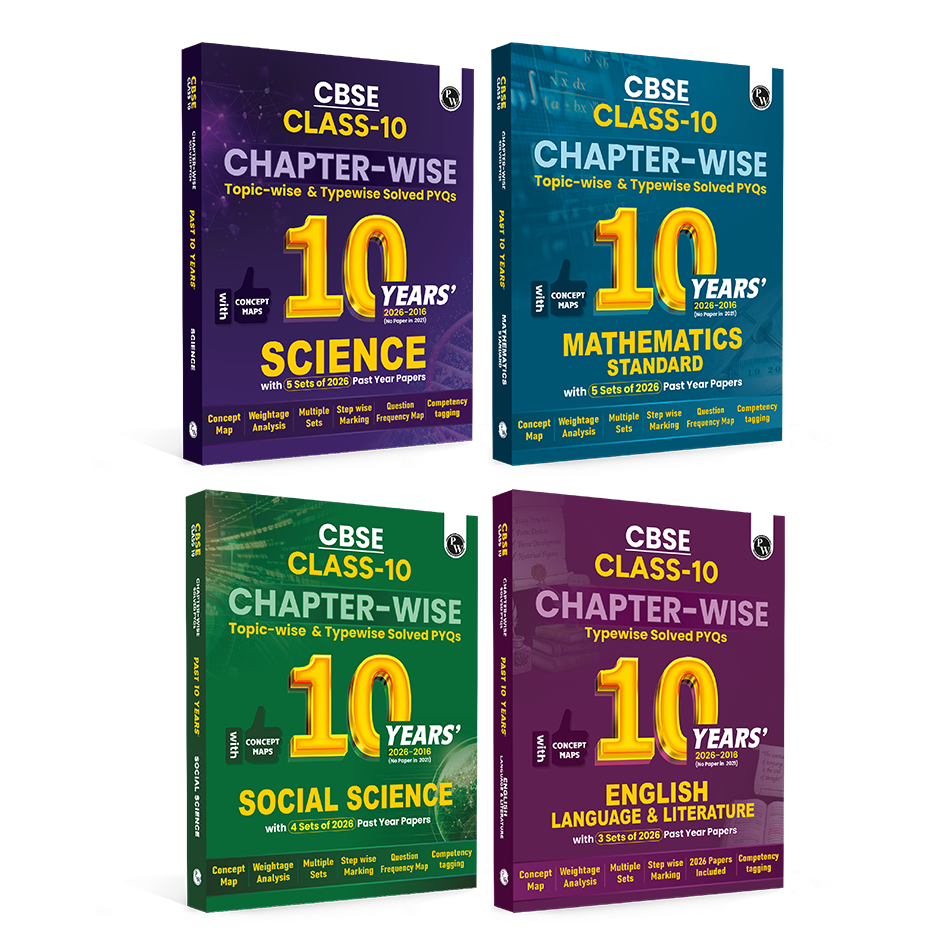
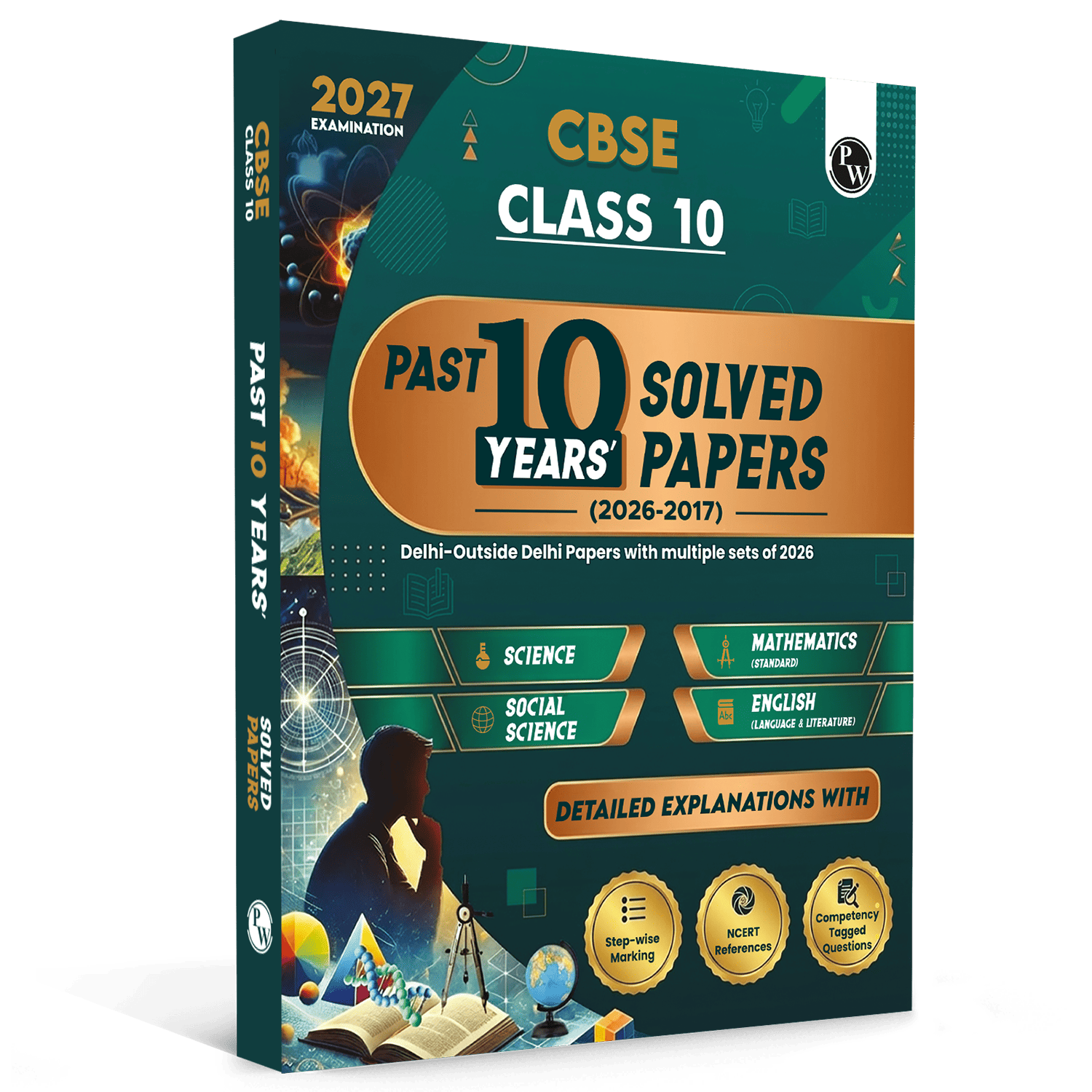
A CBSE class 10 SST PYQ resource is a structured collection of real papers administered by the board in previous years. A comprehensive compilation includes 10 years of solved CBSE Board questions spanning from 2016 to 2026.
Rather than just presenting unorganised test papers, high-quality resources serve as a comprehensive social science practice book by filtering these questions systematically.
-
Chapter-wise and Topic-wise Segregation: Questions are grouped by specific chapters and concepts so you can practice incrementally.
-
Type-wise Classification: Content is organised by marking requirements, such as Short Answer Questions, Long Answer Questions, and Case-Based studies.
-
Official Sample Papers Included: Combines actual board sets with official Sample Question Papers (SQPs) for complete coverage.
How CBSE Class 10 SST PYQ Helps in Question Patterns?
Succeeding in Social Science depends heavily on understanding the format of upcoming assessments. The CBSE class 10 PYQ 2027 Combo sets provide an exact look into the structural transformation of board examinations over the past decade. By practicing these sets, you become familiar with multi-set variations across Delhi and Outside Delhi regions.
Reviewing previous year questions shows how regular theoretical statements turn into practical exam questions:
-
Competency Tagging: Teaches you how to answer application-based queries rather than relying on basic rote memorisation.
-
Step-wise Marking: Shows exactly how marks are distributed for individual points, helping you format long answers correctly.
-
Type-wise Segregation: Helps you shift from objective multiple-choice items to analytical source-based case studies seamlessly.
How CBSE Class 10 SST PYQ Covers all the Topics?
A major challenge during your CBSE SST revision is ensuring that no minor paragraph or hidden concept from your textbook is overlooked. A decade of compiled papers provides excellent syllabus coverage because the board rotates questions through every major theme over a ten-year window.
-
10 Years of Solved PYQs (2016–2026): Ensures that every historical event, map location, and economic principle tested over eleven distinct exam cycles is fully addressed.
-
Multiple Paper Sets: Includes 5 multiple sets of the latest 2026 papers, showcasing every geographic or political variant designed by examiners.
-
NCERT References for Each Question: Connect every solved question back to its parent textbook chapter to guarantee absolute conceptual relevance.
How to Use CBSE Class 10 SST PYQ?
Simply reading through solutions like a storybook will not yield optimal results during your board exam preparation. To build genuine exam stamina, you must engage with the material through disciplined, structured practice sessions.
Follow this systematic method to use your CBSE Class 10 previous year papers effectively:
-
Study First: Finish an entire chapter from your standard textbook before opening the question bank.
-
Analyse Trends: Review the Question Frequency Map to see which sections of that chapter are historically critical.
-
Write Answers Blindly: Attempt the chapter-wise questions without looking at the solutions.
-
Self-Evaluate Strictly: Check your attempts against the step-wise marking explanations provided in the book.
-
Review Weak Spots: Re-read the specific NCERT references for any questions you answered incorrectly.
Benefits of CBSE Class 10 SST PYQ
Utilising a premium compilation book offers distinct practical advantages over regular textbooks. It provides clear trend analysis, visual learning aids, and systematic evaluation metrics that straightforward reading materials completely miss.
-
Smart Exam Analysis: Delivers immediate insight into chapter-wise weightage and shifting question typologies based on the latest board patterns.
-
Concept Maps: Offer visual tools to simplify intricate historical timelines and complex geographical processes efficiently.
-
Question Frequency Tracking: Highlights exactly which topics are prioritised by examiners year after year.
-
Bloom's Taxonomy Classification: Categorises questions across six distinct cognitive learning levels to develop analytical and critical thinking abilities.
-
Detailed Solutions with NCERT References: Provide step-by-step model answers linked directly to NCERT concepts to perfect answer-writing skills.
Study Plan with CBSE Class 10 SST PYQ
To organise your preparation during the mid-term phase, you need an actionable, structured approach. This timeline balances new learning with regular assessment practice.
|
Phase |
Preparation Focus |
Operational Action |
|
Week 1 - 2 |
High-Weightage Chapters |
Identify key chapters using smart exam analysis and map out crucial historical timelines. |
|
Week 3 - 4 |
Type-Specific Practice |
Solve short and long questions systematically using type-wise segregation filters. |
|
Week 5 - 6 |
Full Paper Simulation |
Complete full 2026 board paper sets under real three-hour time constraints. |
|
Week 7 |
Final Answer Polishing |
Review step-wise marking criteria to refine presentation styles and map points. |
Practice Sheet for CBSE Class 10 SST PYQ
Use this structured practice sheet tracking template to monitor your revision progress across different question typologies.
-
History (Nationalism in India):
-
Practice 3-mark questions on specific movement phases using historical trend analysis maps.
-
Verify map markings against detailed textbook layout data.
-
Geography (Resources and Development):
-
Solve case-based problems regarding resource conservation using direct competency tagging.
-
Complete visual diagram analysis checks using concept maps.
-
Political Science (Power Sharing):
-
Attempt 5-mark evaluation questions from the 2026 multi-set compilations.
-
Compare personal structural layout styles with step-wise marking explanations.
-
Economics (Sectors of the Indian Economy):
-
Complete data-interpretation questions found within the official sample question papers.
-
Double-check descriptive arguments using explicit NCERT conceptual references.
Read More: CBSE Class 10 Study Timetable 2026-27
CBSE Class 10 SST PYQ FAQs
Q1: How do past question compilations clarify the actual exam marking structure?
A1: A high-quality CBSE Class 10 SST PYQ book contains detailed solutions with step-wise marking descriptions. This reveals exactly how marks are awarded for specific arguments, ensuring you do not lose valuable points for presentation issues during your formal board exam preparation.
Q2: Can a social science practice book replace standard reading materials entirely?
A2: No, it acts as a companion. You should read your text chapters first, then use a dedicated social science practice book to test your recollection, trace frequent trends, and look over visual concept maps.
Q3: Why are the 2026 paper sets considered crucial for mid-term planning?
A3: The latest 2026 papers contain multiple regional sets that show recent evaluation adjustments and current competency styles. Studying these trends helps you avoid outdated patterns during your targeted CBSE SST revision.